




Victorian Botanical Display
A victorian botanical display brings the natural world indoors through painted porcelain plates, glass domes, and botanical books.
Victorian Botanical Display
A victorian botanical display gathers objects created to celebrate natural science and plant life during the nineteenth century. Buyers searching for a victorian botanical display typically encounter hand-painted porcelain cabinet plates, framed engravings, and glass domes enclosing natural specimens.
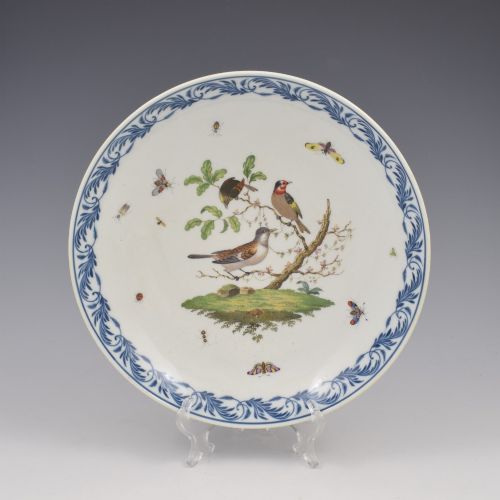
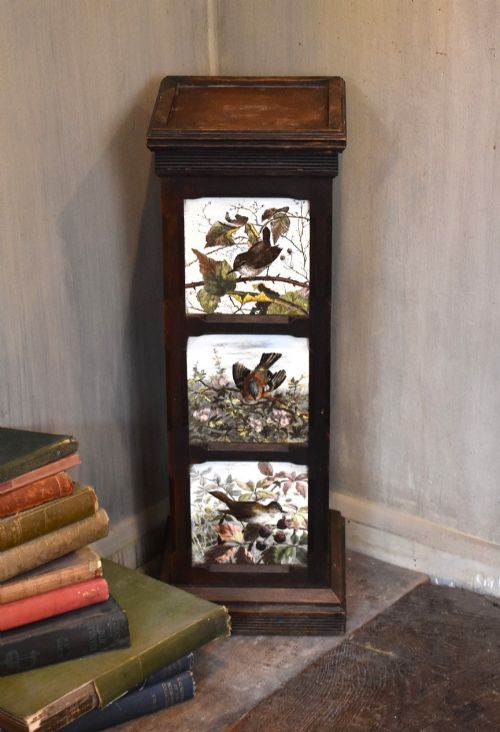
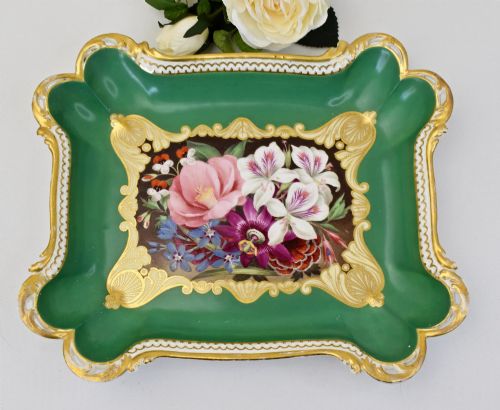
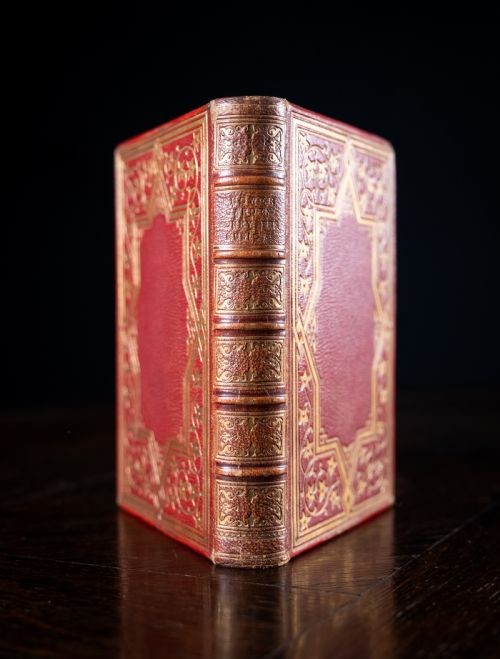
The selection ranges from cabinet dishes adorned with ornithological and floral illustrations to antique books and display stands. These pieces reflect the nineteenth-century passion for natural history, cabinet of curiosities collecting, and detailed botanical illustration.
Materials and construction
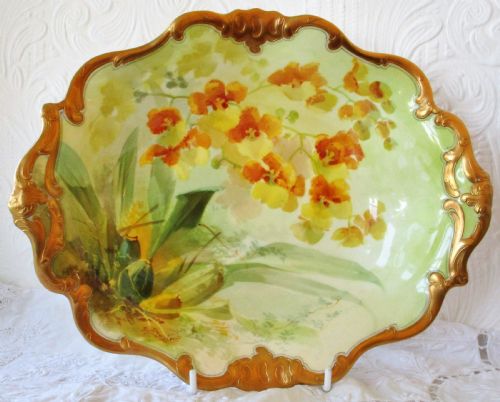
Makers utilised fine porcelain, glass, wood, and enamel to build these items, frequently applying hand-painted details and gold leaf highlights. Porcelain plates and dishes received careful brushwork by specialist painters who documented flowers, orchids, and insects with precise observation.
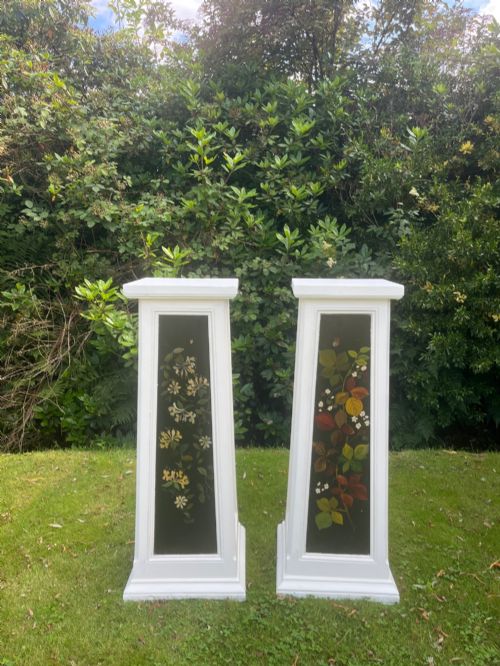
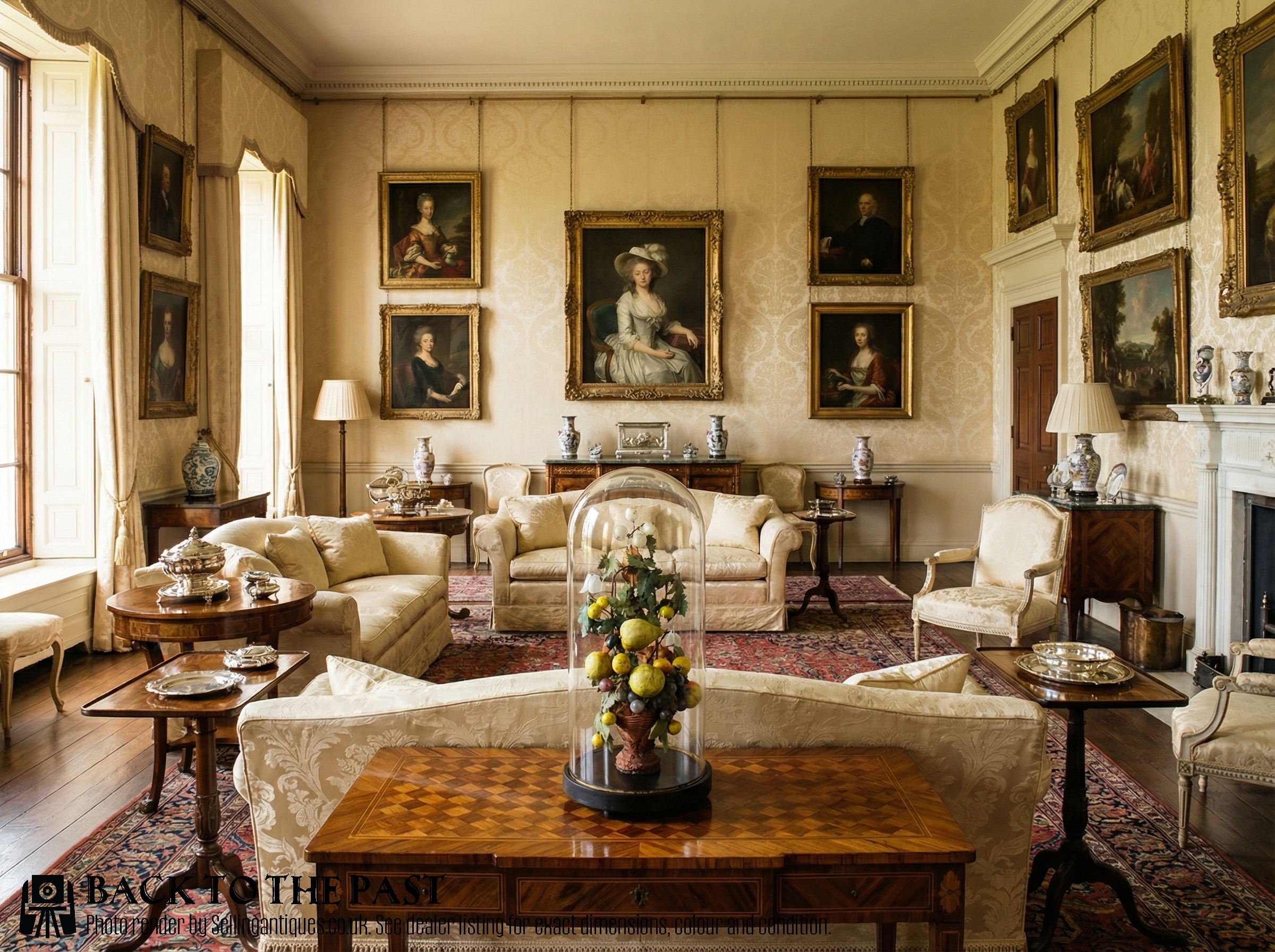
Glass domes protect delicate specimens and paper engravings mounted on pedestals and stands constructed from walnut or iron. These techniques combined decorative arts with scientific observation, resulting in durable items designed for interior display.
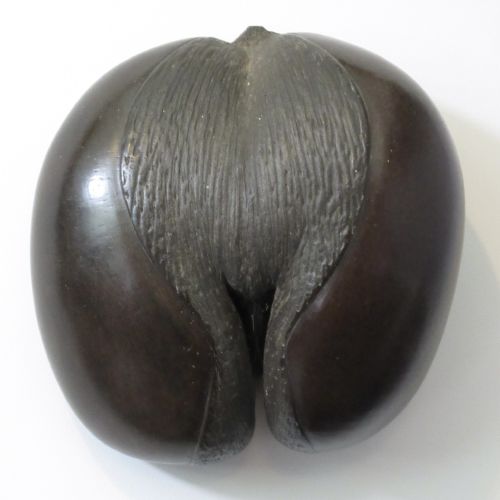
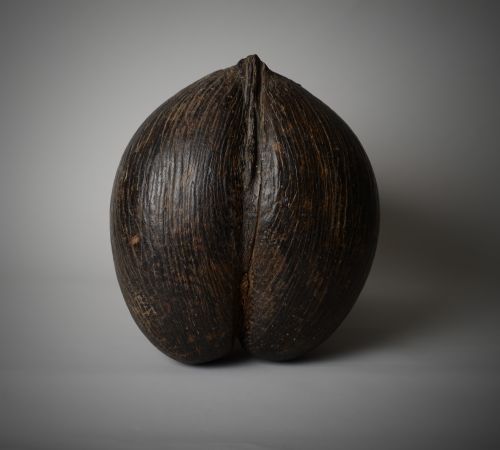
Early seed pods and coconut shells found their way into parlours as exotic botanical curiosities alongside painted plates.
Factors influencing quality
Quality in a victorian botanical display rests upon the precision of the hand-painted brushwork and the clarity of the botanical illustration. Fine porcelain pieces feature detailed rendering of flora and fauna executed by named or highly skilled hands.
The sophistication of the mounting, whether an intact glass dome over fruit and foliage or a finely carved wooden cabinet, dictates the piece's standing. Condition of the painted surface and original gilding also distinguishes superior examples from standard ones.
Meissen Porcelain·Minton Porcelain·Royal Doulton·Worcester Porcelain·Kornilov Brothers·Coalport·Elkin & Newbon
The Victorian Botanical Display Glossary
- Cabinet plate
- A decorative ceramic plate intended for display on a shelf or wall rather than for dining. These items often feature hand-painted botanical or ornithological scenes.
- Collector's dome
- A glass cover placed over a base to protect natural specimens or arrangements from dust. They form a central element of nineteenth-century display practices.
- Aesthetic Movement
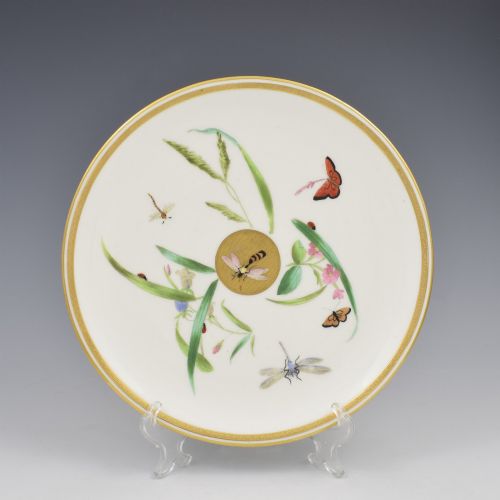
- A late nineteenth-century style emphasising visual beauty over narrative subject matter. Pieces from this movement often incorporate Japanese design influences and natural motifs.
- Cabinet of curiosities
- A collection of natural history specimens, artefacts, and works of art housed together. The concept inspired many domestic displays during the Victorian era.
Victorian Botanical Display: Frequently Asked Questions
What is a victorian botanical display?
A victorian botanical display encompasses nineteenth-century objects dedicated to natural history, including painted porcelain plates, framed engravings, and glass domes.
These items reflect the period's fascination with botany, gardening, and scientific collection.
How were botanical plates used?
Botanical plates served as decorative cabinet pieces rather than functional tableware. They were exhibited in dining rooms, drawing rooms, or specialised display cabinets.
Owners arranged them to showcase their appreciation for natural science and fine porcelain art.
How do I care for glass domes?
Glass domes require gentle cleaning with a soft, dry cloth to remove dust from the exterior. Avoid using harsh chemical cleaners on antique glass or the enclosed specimens.
Keep the assembly away from direct sunlight to preserve the colours of painted elements or paper prints.
How can I identify Aesthetic Movement pieces?
Aesthetic Movement pieces often feature asymmetrical compositions, Japanese-inspired motifs, and stylised natural elements such as insects and sun symbols. The style prioritised visual harmony and decorative beauty above traditional Victorian clutter.
Walnut cabinetry, tiled surfaces, and specific colour palettes frequently accompany these designs.