




Victorian Boot Stand
These pieces for a victorian boot stand offer sturdy utility and practical charm for an entrance hall.
Victorian Boot Stand
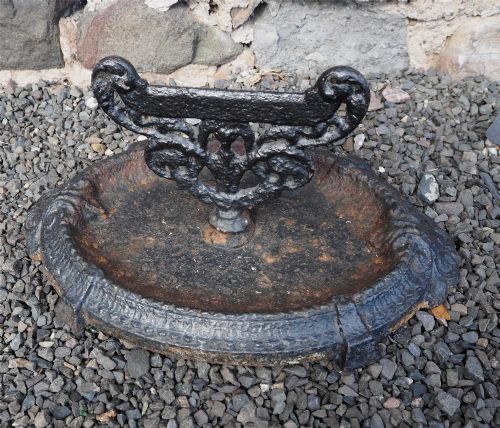
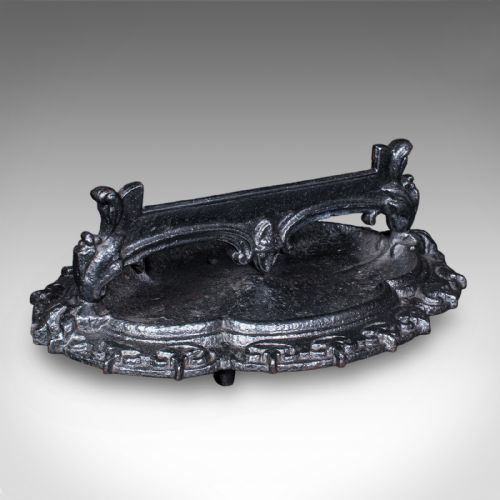
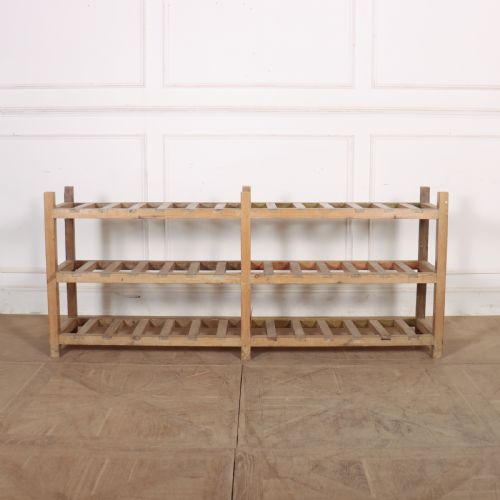
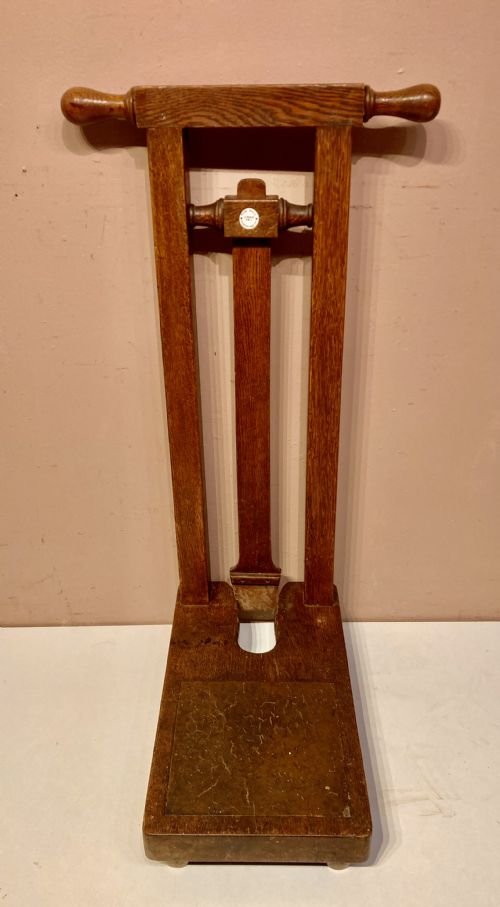
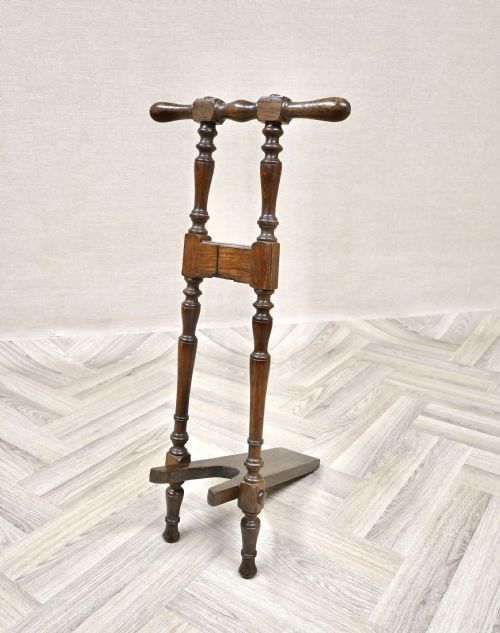
A victorian boot stand serves to organise and clean muddy footwear in a traditional hallway or boot room. The selection includes dedicated boot jacks, revolving bootstands, shoe racks, and combined furniture pieces like hall stands and benches.
Most examples originate from the nineteenth century, reflecting the domestic habits of country houses and urban residences alike. Mahogany and oak dominate the forms, often paired with cast iron or brass components for durability.
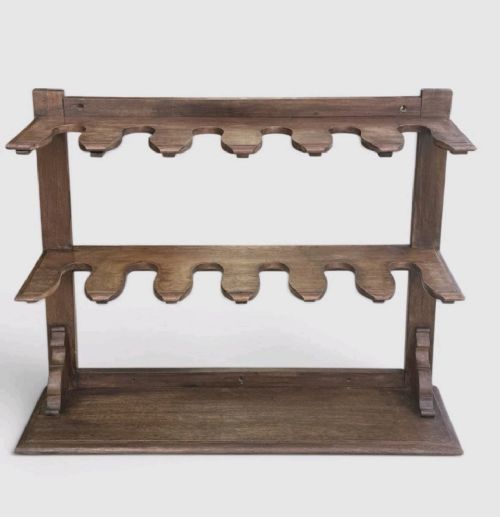
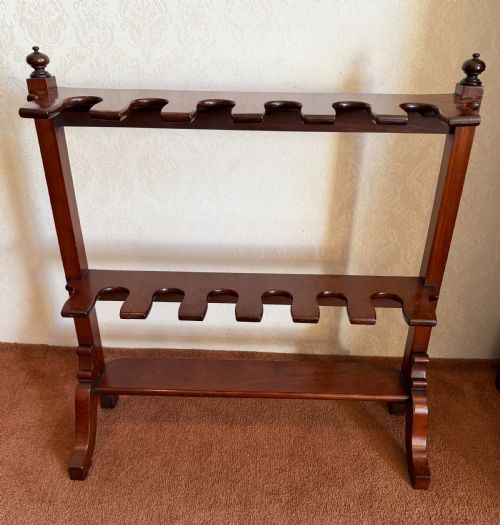
Buyers will encounter simpler domestic items alongside more elaborate pieces that incorporate whip racks or seating. These objects bring functional heritage directly into contemporary spaces without losing their original purpose.
Materials and construction
Makers relied heavily on solid hardwoods such as mahogany, oak, and walnut to withstand the heavy daily wear of muddy footwear. These timbers were frequently polished or left with a natural finish suited to busy country house environments.
Cast iron and brass provide the robust structural elements found in scrapers, folding pulls, and mounting brackets. Skilled joinery and hand-carving appear across the wooden frames, ensuring stability under heavy riding boots.
Listings feature oak, mahogany, walnut, and pine alongside cast iron and brass components.
Differences in quality
Quality rests upon the selection of timber and the solidity of the construction, particularly in pieces subjected to regular leverage and weight. Finer examples display thoughtful secondary woods and robust metal fittings that remain firmly seated in the grain.
Design complexity also separates standard utility items from finer country house commissions. Integrated storage like whip racks, revolving mechanisms, or combined seating elevate a piece beyond basic function.
Tom Hill
The Victorian Boot Stand Glossary
- Boot scraper
- An iron implement positioned near a doorway to scrape mud from the soles of shoes. It is often anchored in stone or mounted to a wooden base.
- Hall stand
- A piece of hallway furniture combining storage for coats, hats, and footwear. Some versions incorporate mirrors and umbrella compartments.
- Revolving bootstand
- A rotating wooden frame designed to hold multiple pairs of boots in a compact footprint. This form allows easy access to riding footwear.
- Vernacular
- An architectural or craft style created by local artisans using regional materials. These objects prioritise practical function over high-fashion ornament.
Victorian Boot Stand: Frequently Asked Questions
What is a victorian boot stand used for?
A victorian boot stand is designed to hold, store, or assist with the removal of footwear in an entrance hall or boot room. They keep heavy riding boots and daily shoes organised and accessible near an external door.
Many examples combine multiple functions, such as integrated whip racks or benches for sitting while changing footwear. Their sturdy construction reflects the practical demands of nineteenth-century country life.
Where should I place a boot stand?
These pieces naturally belong in an entrance hallway, boot room, or porch where muddy footwear accumulates. Their timber and iron construction suits high-traffic zones that experience regular foot traffic.
Placing one near a doorway maintains its original domestic context while providing everyday utility for modern boots and shoes. Taller revolving stands and wall-mounted scrapers fit narrower passages effectively.
How do I care for antique wood and iron?
Maintenance involves applying appropriate beeswax to nourish the mahogany, oak, or walnut surfaces and protect the timber from moisture. Metal components like cast iron scrapers benefit from a light application of oil to prevent oxidation.
Keeping these pieces away from direct heat sources prevents the timber from warping or splitting over time. Regular dusting preserves the aged patina developed through decades of use.
How can I tell the age of a boot stand?
Age is determined by observing construction methods, timber selection, and wear patterns consistent with the nineteenth century. Hand-carved elements, traditional joinery, and patination on brass or cast iron fittings provide reliable indicators of period manufacture.
Comparing the object's form to documented regional styles helps confirm whether a piece belongs to the Victorian or Georgian eras.