



Victorian Bookmark
A victorian bookmark is a small piece of desk furniture or reading companion that keeps your place in a volume with genuine period character.
Victorian Bookmark
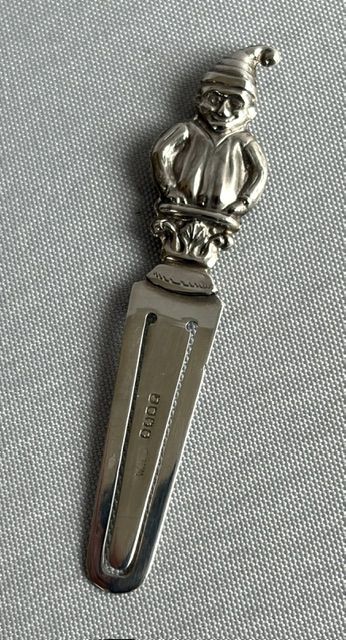
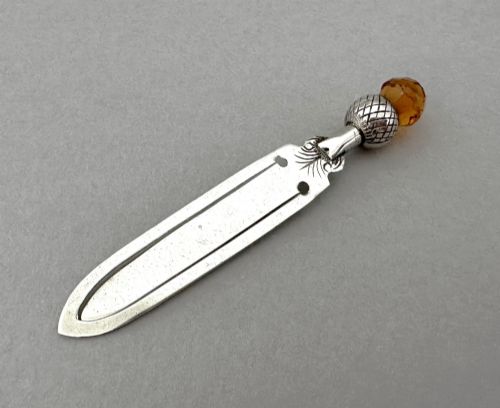
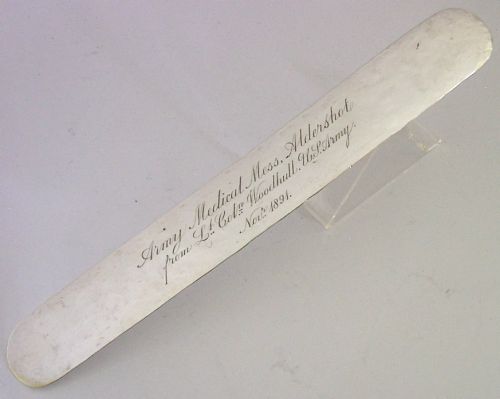
A victorian bookmark covers a variety of reading accessories intended to mark a page without damaging the paper. These items range from small silver trowels to woven silk bookmarks and page turners.
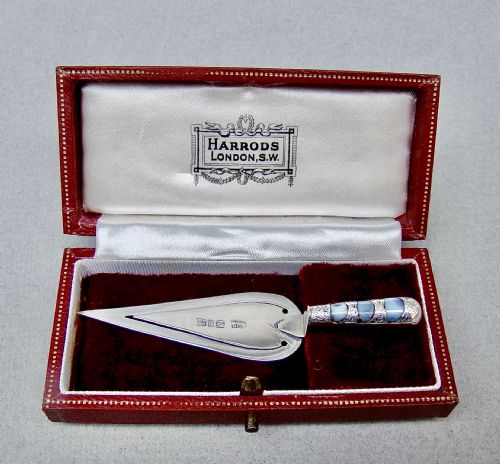
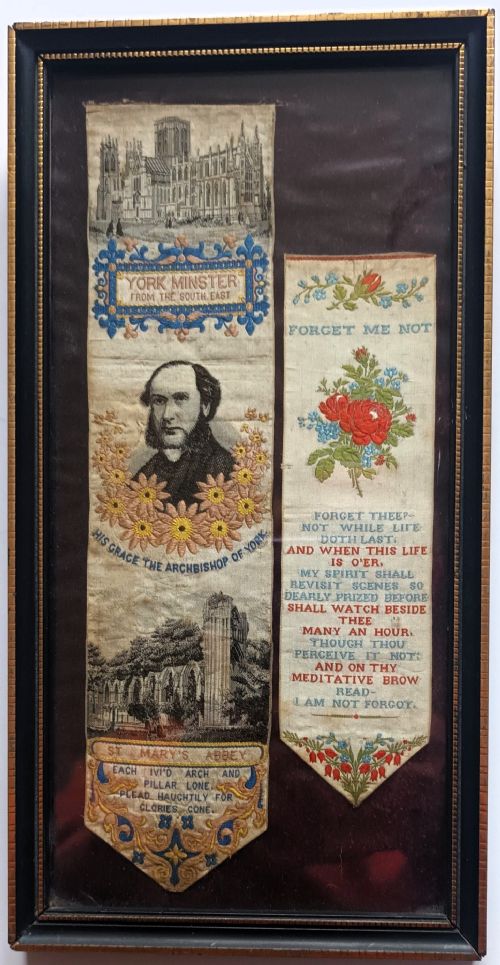
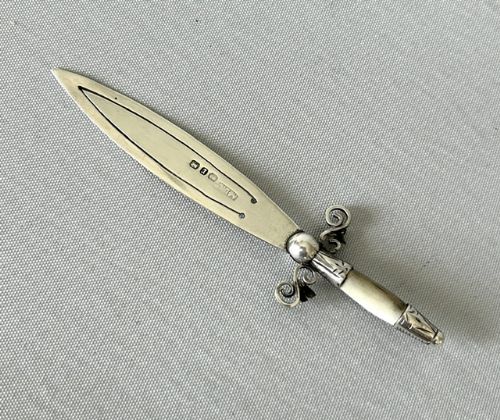
The most common form you will meet on this page is the novelty silver trowel bookmark, often combined with materials like agate or mother of pearl. Other examples include framed silk marker panels and sterling silver page turners.
Originating in the nineteenth century, these objects reflect the reading habits and desk culture of the Victorian and Edwardian eras. They serve as both functional reading tools and decorative silver desk accessories.
How they were made
Metal components utilise sterling silver, frequently shaped into trowels or blades in regional workshops like Birmingham and Glasgow. Hallmarks on these silver pieces record the assay office and date of manufacture.
Decorative elements incorporate natural materials such as banded agate and mother of pearl, alongside textiles like silk and velvet. Woven silk bookmarks often rely on specialised loom techniques to produce detailed pictorial designs.
Some items combine turned wood, glass, or leather to form structured page turners and framed wall art. These varied materials demonstrate the craftsmanship applied to everyday stationery in the nineteenth century.
Victorian Bookmark Retail Price Guide 2026
Typical asking prices for victorian bookmark among the pieces listed under this phrase on Sellingantiques today, from the lower quarter to the upper quarter. They describe what is for sale here now, not the wider market.
Materials recorded across the current selection include sterling silver, silk, glass, wood, mother of pearl, agate, leather, and velvet.
What varies in quality
The distinction between standard examples and finer pieces lies in the precision of the metalwork and the quality of the inserted stones. Crisp hallmarks and well-defined trowel shapes indicate superior workshop output.
Material selection significantly influences the character of each piece, particularly the depth of colour in banded agate or the iridescence of mother of pearl. Intact woven silk panels with clear lettering demonstrate higher preservation standards.
Joseph Moore·Crisford And Norris·Stevens Of Coventry
The Victorian Bookmark Glossary
- Trowel bookmark
- A novelty bookmark shaped like a miniature garden trowel, often fashioned from sterling silver. This form became particularly popular during the Victorian period.
- Sterling silver
- An alloy of silver containing ninety-two point five percent pure silver and seven point five percent other metals, usually copper. British pieces generally bear a lion passant hallmark.
- Mother of pearl
- The iridescent internal layer of mollusc shells, carved and polished for use in knife handles and bookmark blades. It provides a smooth surface that slides easily between pages.
- Banded agate
- A variety of quartz showing distinct parallel layers of colour, frequently set into the handles of silver bookmarks. Its natural banding patterns ensure that each decorative insert is unique.
Victorian Bookmark: Frequently Asked Questions
What is a victorian bookmark?
A victorian bookmark is a small nineteenth-century reading accessory, such as a silver trowel or woven silk panel, designed to keep a place in a book.
These pieces reflect the decorative desk culture of the period, combining practical utility with fine materials like mother of pearl and banded agate.
How were silver bookmarks used?
Silver bookmarks were slipped between the pages of a book to mark the reader's current page without folding the paper.
Novelty shapes like trowels allowed the handle to rest outside the volume while the flat blade remained safely tucked inside.
What materials are common?
Common materials include sterling silver, mother of pearl, banded agate, glass, wood, and woven silk.
Silks were often produced as decorative panels, while silver and hardstone were utilised for rigid page markers and trowel designs.
How do I identify the date?
Dates can often be identified through British silver hallmarks stamped directly onto the metal components, indicating the assay office and year.
Stylistic cues such as woven manufacturer signatures on silk panels also help determine the period of origin.