

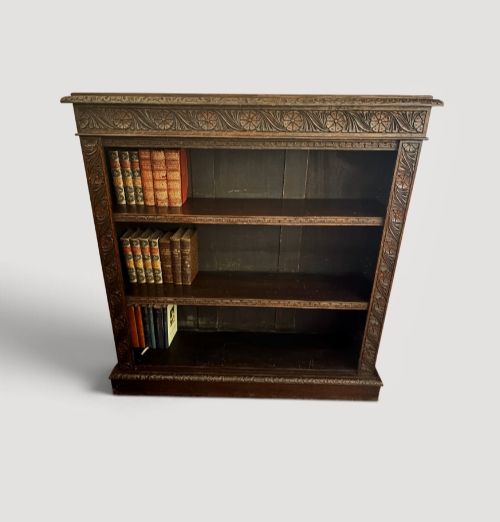
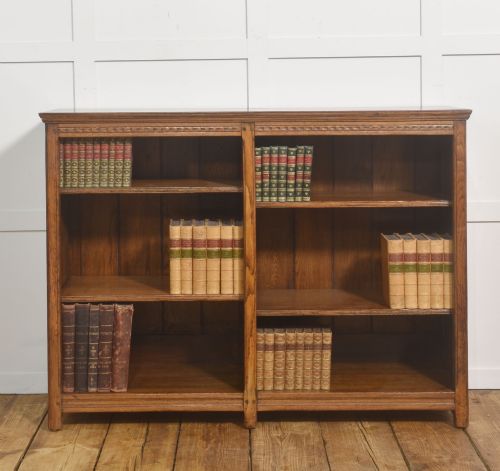
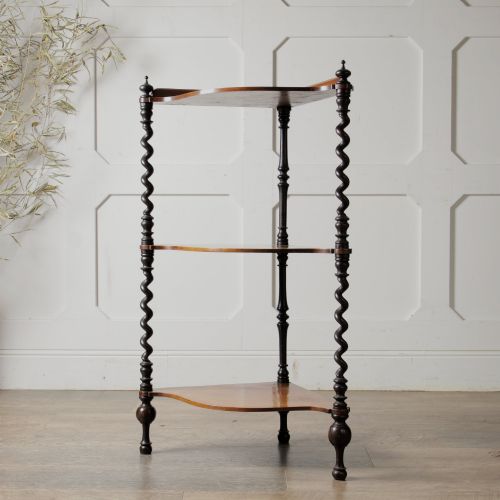
Victorian Bookcase on Stand
A victorian bookcase on stand pairs an elevated cabinet with compact display space, offering collectors a practical architectural storage piece.
Victorian Bookcase on Stand
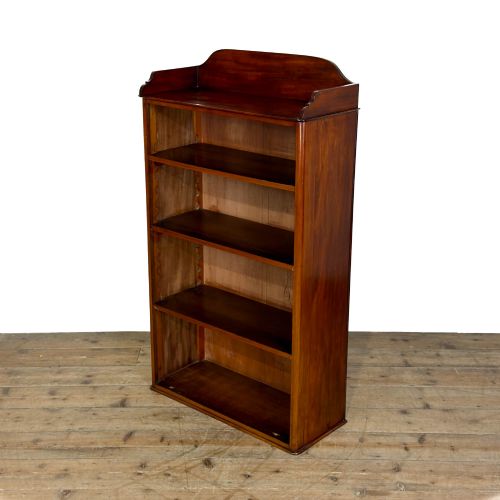
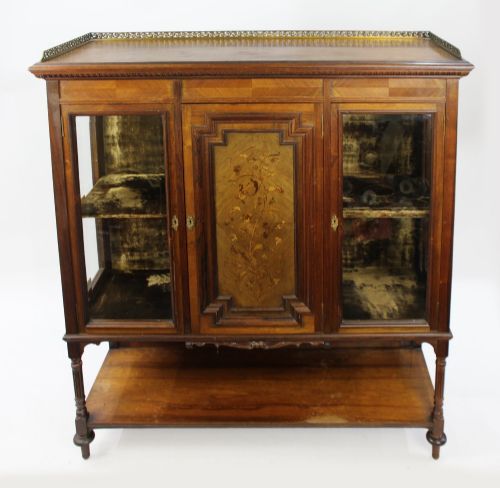
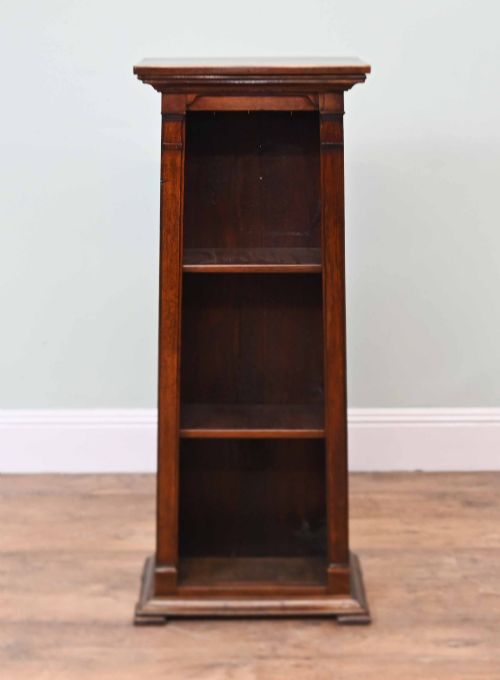
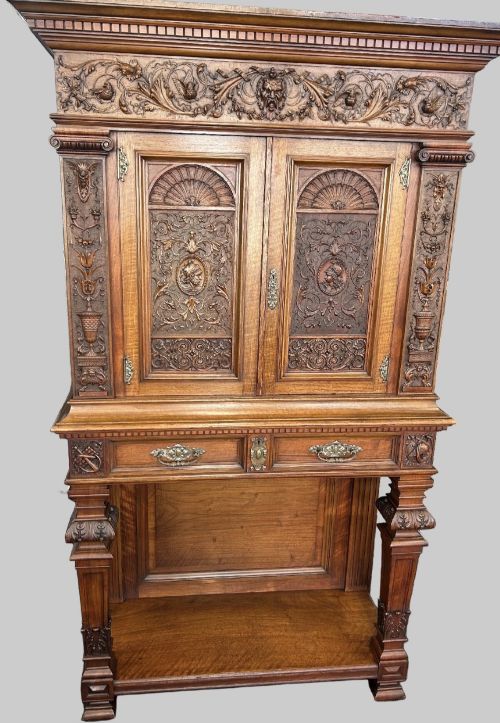
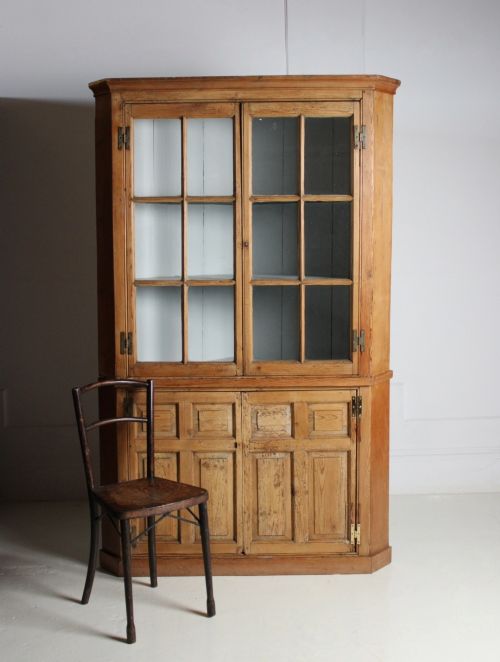
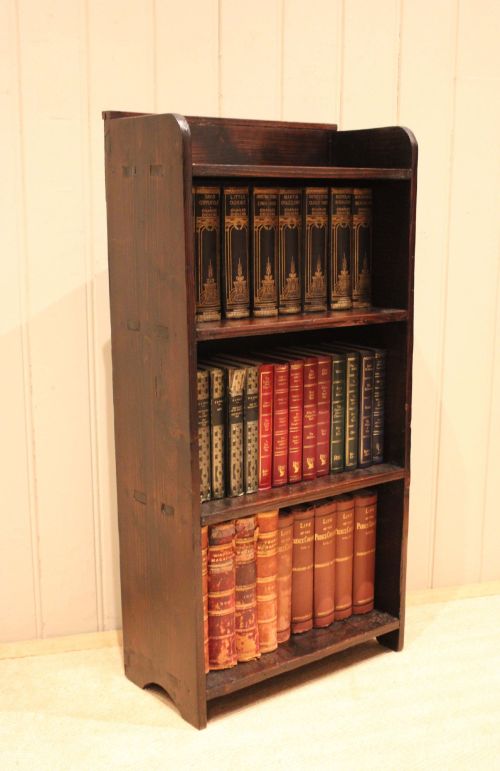
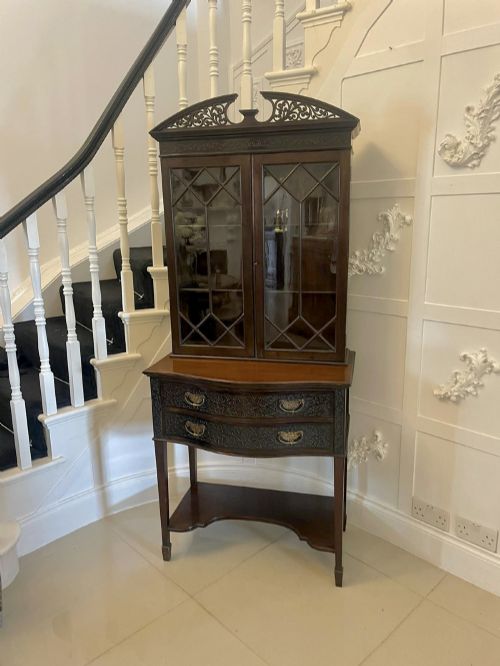
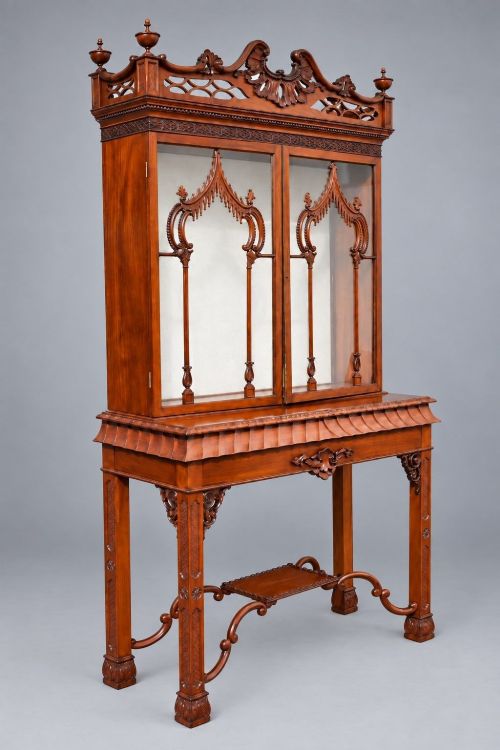
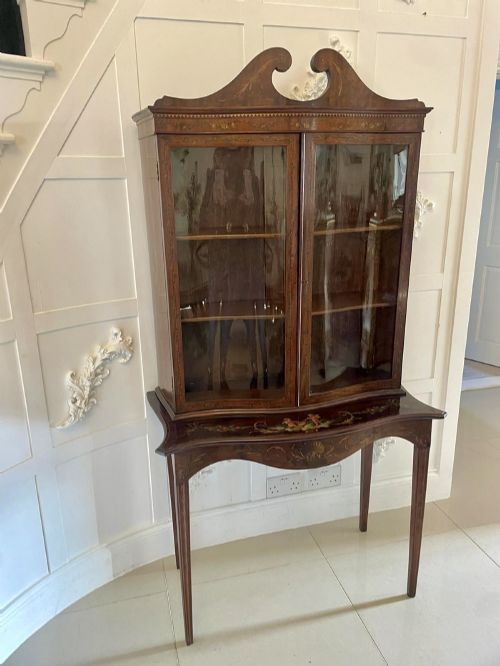
A victorian bookcase on stand brings together raised shelving or glazed cabinet enclosures supported by a dedicated base frame. Pieces matching this search phrase span the nineteenth century into the early twentieth century, taking the form of tiered shelving, display cabinets, and open book units.
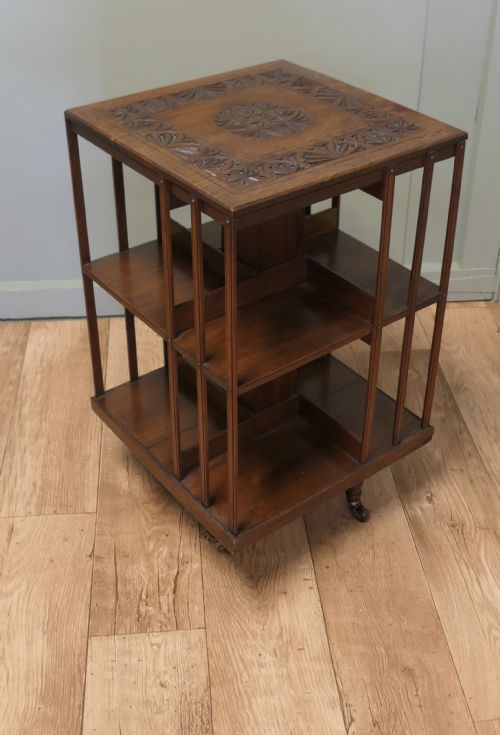
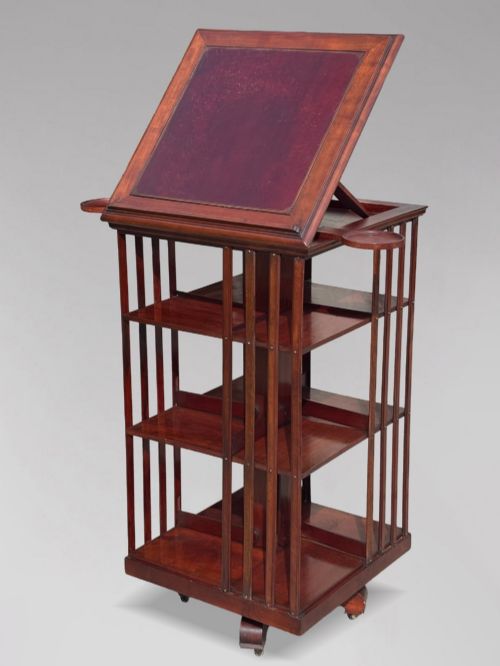
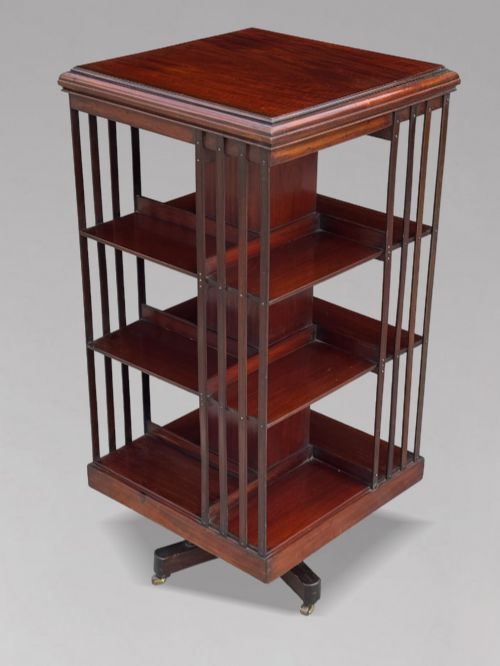
Makers produced these storage items in varied configurations, including revolving stands, corner units, and serpentine whatnots alongside traditional standing bookcases. Mahogany, walnut, and rosewood dominate the construction, frequently accented with brass castors and glass panels.
Surviving examples reflect diverse aesthetic revivals, ranging from Chinese Chippendale interpretations to Sheraton details and rustic country styling. Buyers encounter both open shelf formats for accessible storage and enclosed glazed cabinets designed to protect volumes and decorative objects.
Materials and construction
Cabinet makers utilised dense hardwoods such as mahogany, walnut, burr walnut, and rosewood, often applying figural veneers to prominent surfaces. Pine served as a reliable secondary timber for internal shelving and structural framing.
Decorative elements included hand carving, delicate inlay, painted surface ornamentation, and bamboo framing paired with lacquer panels. Metal components such as brass castors and gilt mounts provided mobility and structural accenting to the heavier wood bodies.
Books found in these stands occasionally still bear nineteenth-century owner bookplates.
Evaluating craftsmanship
The standard of execution rests on timber selection, evident in the grain matching of burr walnut or the weight of solid mahogany frames. Superior examples display crisp hand carving and precise joinery that maintains structural integrity across multi-tiered stands and revolving mechanisms.
Refined surface treatments, such as original polished finishes, retained painted decoration, and integrated brass hardware, elevate a piece above standard utility furniture. The integration of specialised formats like astragal glazing or serpentine shaping demonstrates higher workshop ambition.
Gabriel Viardot·Collinson and Lock·Leonard Wyburd for Liberty and Co·James Winter and Sons
The Victorian Bookcase on Stand Glossary
- Whatnot
- A moveable multi-tiered set of open shelves used for displaying ornaments or books. These pieces typically feature three or more tiers supported by slender upright columns.
- Astragal glazed
- A glass door divided into smaller panes by wooden glazing bars. These fine strips form geometric patterns across cabinet fronts.
- Breakfront
- A cabinet design where the central section projects forward from the flanking wings. This architectural arrangement creates depth and visual rhythm on large furniture.
- Serpentine shaped
- A curved furniture front characterised by a convex central section flanked by concave curves. This fluid line requires skilled carpentry to execute properly.
- Padauk
- A dense tropical hardwood with a reddish brown colour used in imported Anglo-Indian furniture. It provides exceptional durability and a distinct grain pattern.
Victorian Bookcase on Stand: Frequently Asked Questions
What is a victorian bookcase on stand?
A victorian bookcase on stand is an elevated storage piece combining a shelving unit or display cabinet with a raised base or support frame. These pieces elevate books and display items off the floor, offering a compact footprint.
They emerged from nineteenth-century cabinet-making traditions where architectural display was paramount. The raised format protects lower volumes from dampness while adding vertical elegance to a room.
How do I date a victorian bookcase?
Dating relies on examining the timber selection, construction methods, and stylistic revival influences present in the piece. Victorian examples often incorporate dense mahogany or walnut alongside hand-cut dovetails and turned supports.
Later pieces from the Edwardian era or the early twentieth century may show lighter pine framing or specific revival styles like Sheraton or Chinese Chippendale. Hardware such as brass castors also helps narrow down the production decade.
Where should I place a revolving bookcase?
A revolving bookcase functions well beside a reading chair or in the centre of a room where access from all sides is possible. Its rotating base allows a large volume of books to sit in a small footprint.
Ensure the floor surface is level so the revolving mechanism turns smoothly without straining the central spindle. Keeping the weight distributed evenly across the shelves preserves the action of the stand.
How do I care for antique mahogany furniture?
Antique mahogany requires stable indoor humidity away from direct sunlight and heat sources to prevent the timber from splitting or warping. Dusting with a soft, dry cloth maintains the surface without building up residue.
Periodically applying appropriate wax polish feeds the wood and preserves the depth of the grain. Avoid silicone-based sprays, which can penetrate porous historic finishes and damage the timber.