
Victorian Bookcase on Cupboard
A victorian bookcase on cupboard provides substantial tiered storage, uniting upper display shelves with a solid lower base for serious domestic utility.
Victorian Bookcase on Cupboard
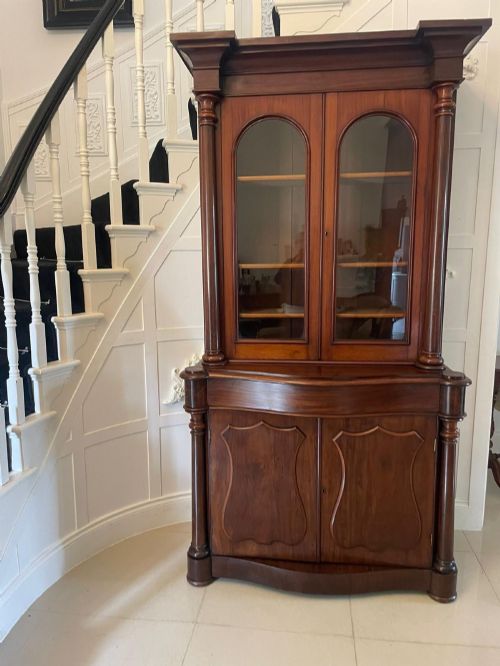
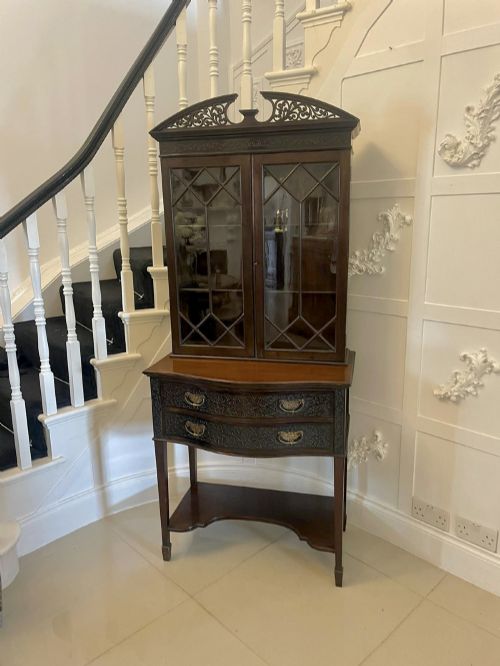
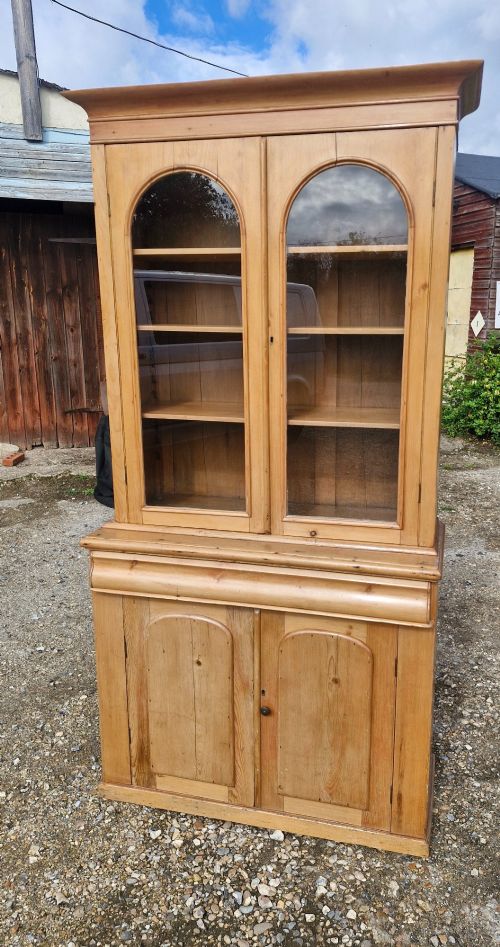
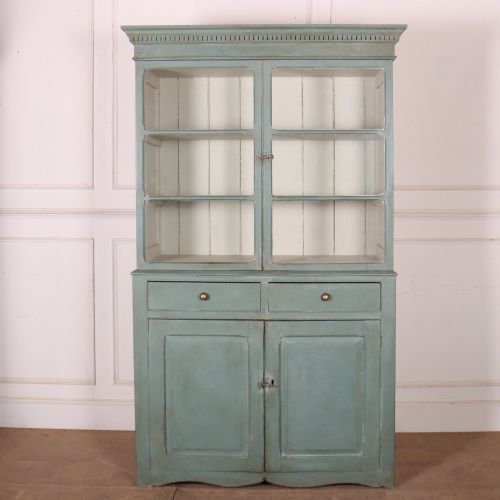
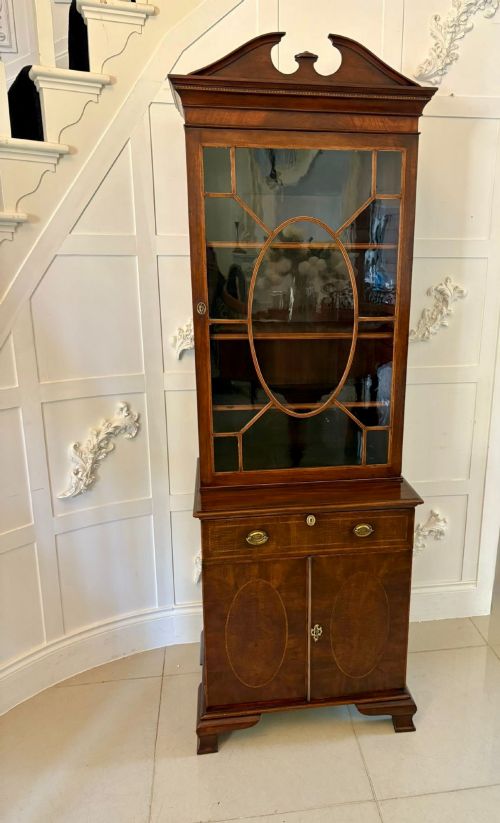
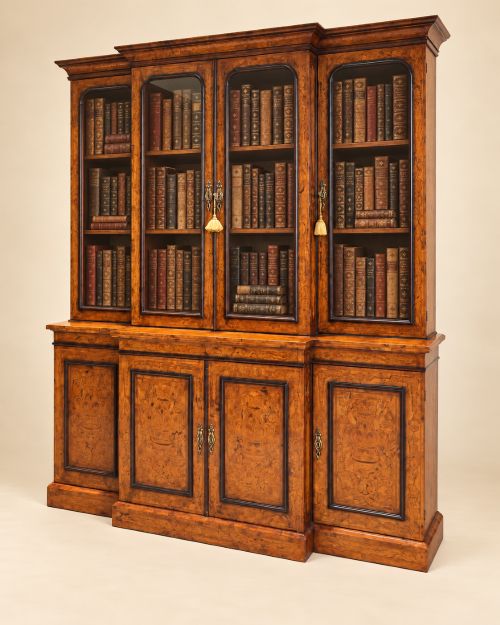
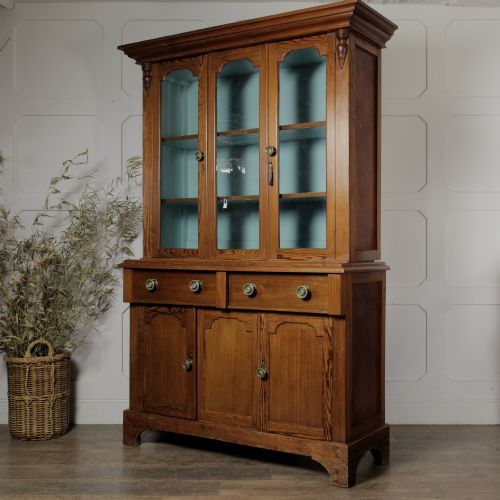
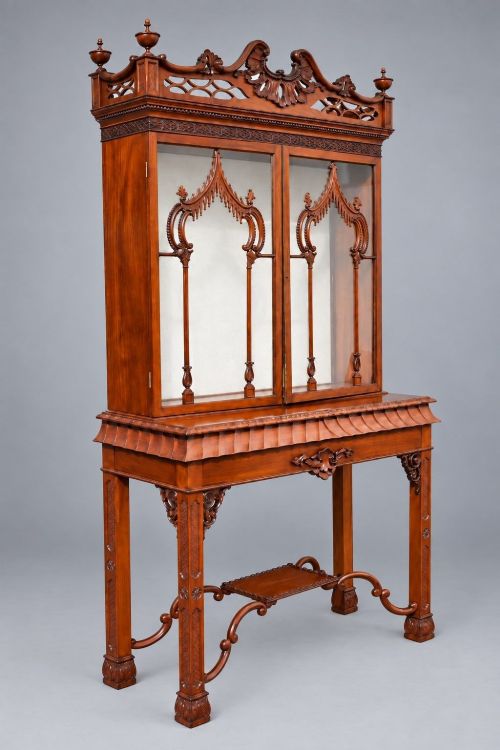
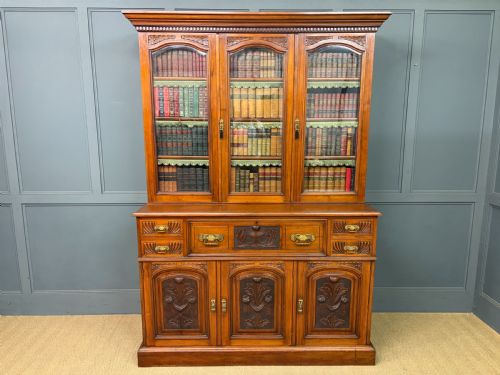
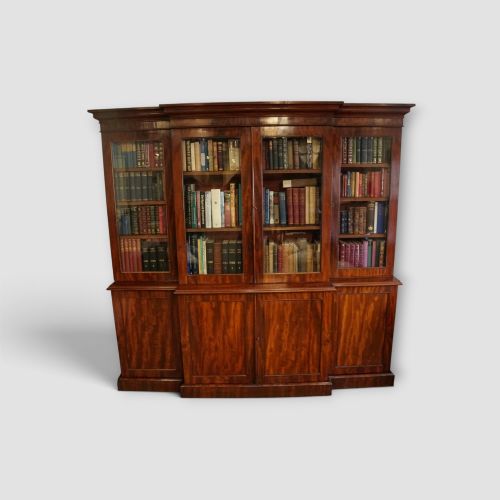
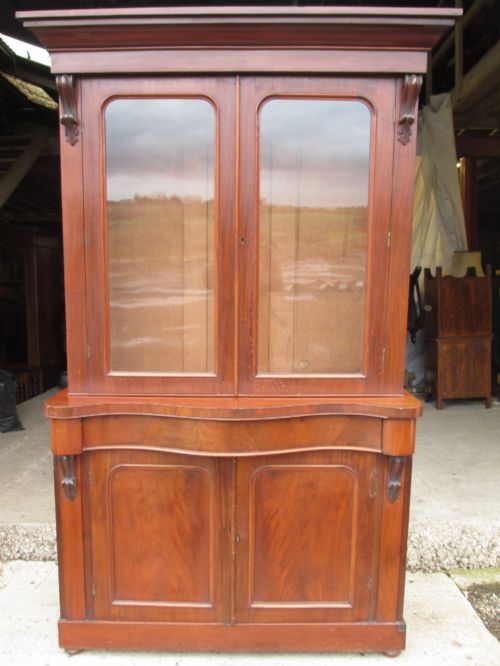
A victorian bookcase on cupboard combines two distinct sections into a single tall architectural piece, typically featuring glazed or open upper shelving resting on a timber cupboard base. These items emerge primarily from the nineteenth century, reflecting domestic needs for organised library space alongside enclosed storage.
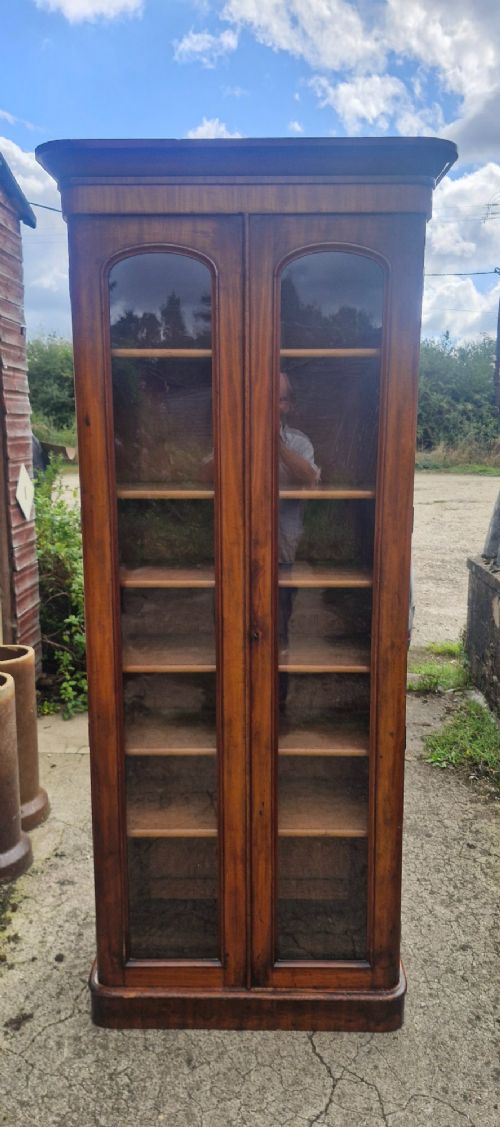
Mahogany and oak dominate the construction, while walnut and pine appear in various regional formats ranging from formal breakfront library pieces to country dressers. The upper portion often holds adjustable shelves behind glass doors, while the lower section provides concealed wooden or panelled doors.
Materials and Technique
Cabinet makers utilised dense primary timbers such as figured mahogany, walnut, and oak, frequently enhanced with burr veneers and intricate marquetry inlay. Structural elements often relied on secondary woods like pine, whilst brass hardware and occasional ormolu mounts secured doors and interior fittings.
Joinery techniques involved sturdy carcase construction designed to support significant weight across two stacked sections. Glazing bars created geometric panel patterns for upper cabinet doors, and interiors incorporated adjustable wooden shelving supported by traditional wooden racks or metal pegs.
Listings demonstrate a strong preference for mahogany and oak construction across nineteenth century examples, supplemented by walnut and pine variants.
Judging Quality
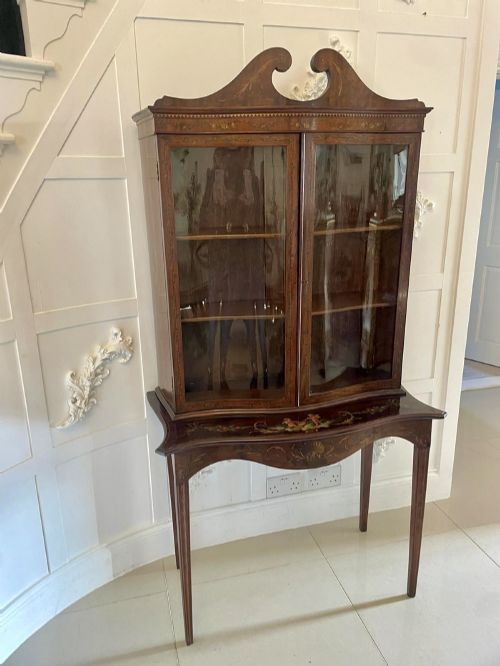
The choice of timber grain defines the visual grade of a piece, with figured mahogany and burr walnut commanding attention through rich natural patterning. Finely executed inlay work, carved ornamentation, and original painted decoration indicate superior workshop output.
Proportion and scale dictate the success of the dual-tier design, where well-balanced cornices and harmonious drawer arrangements separate standard utility furniture from high-status cabinet work. Original glass panes, functioning locks with keys, and integrated secretarial drawers add further distinction.
Jas Shoolbred·Edwards & Roberts·Heal & Son London·Edwards & Sons
The Victorian Bookcase on Cupboard Glossary
- Breakfront
- A cabinet design where the central section projects forward from the flanking wings. This architectural arrangement adds visual depth to large library furniture.
- Secretaire
- A desk drawer containing a drop-front writing surface and small pigeonholes. It typically conceals itself within the upper portion of the lower cupboard.
- Glazing bar
- A narrow wooden strip holding individual panes of glass within a door frame. These form grid patterns characteristic of upper bookcase sections.
- Pier cabinet
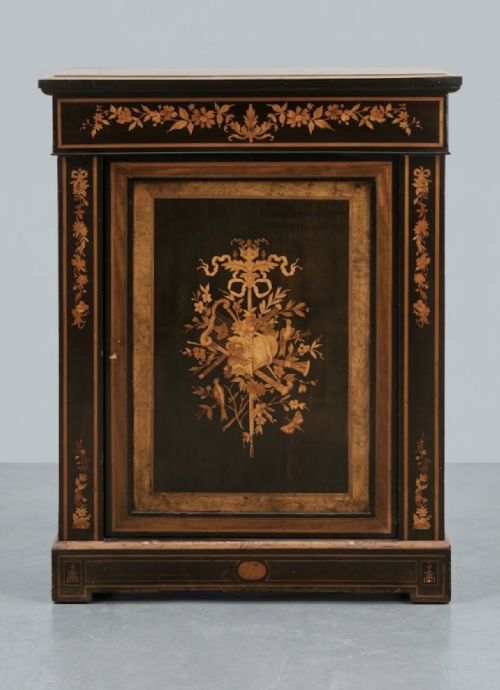
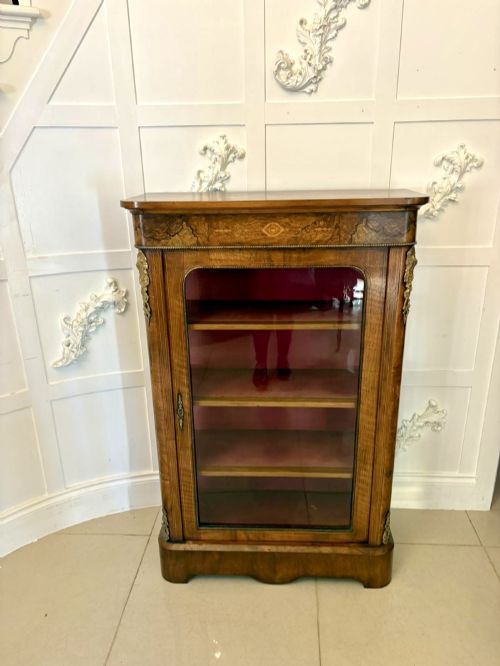
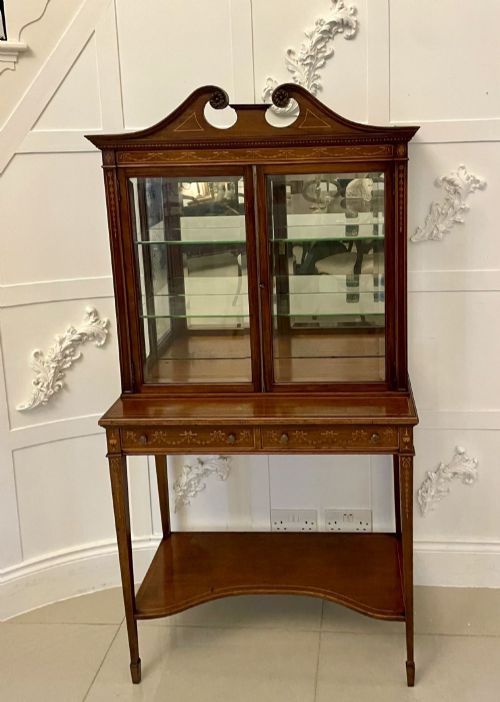
- A low freestanding display piece designed to fit against wall spaces between windows. These compact items often feature glazed doors and decorative marquetry.
- Marquetry
- Decorative patterns formed by fitting together thin veneers of various wood types. Artisans apply this technique to cabinet doors and friezes.
Victorian Bookcase on Cupboard: Frequently Asked Questions
How do I separate the two sections?
Most examples divide horizontally between the upper bookcase and the lower cupboard to facilitate transport and placement within a room.
The upper section simply lifts off the base moulding, resting securely by gravity rather than complex mechanical fastenings.
Can the shelves be adjusted?
Many models feature removable wooden shelves resting on adjustable supports inside the glazed upper cabinet.
Older configurations sometimes utilise fixed wooden ledges, so checking internal uprights confirms the level of adjustability.
What is the lower cupboard used for?
The enclosed base provides deep concealed storage intended for heavier volumes, household linens, or general supplies.
Panelled wooden doors keep contents hidden, maintaining a tidy appearance beneath the display shelves above.
How do I distinguish walnut from mahogany?
Mahogany displays a warm reddish-brown tone with straight grain patterns that occasionally feature rich flame figures.
Walnut presents a darker, richer brown hue with distinctive swirling grain lines and prominent burr markings.