




Victorian Blue Sapphire Ring
A victorian blue sapphire ring brings together deep blue stones and warm gold, offering a distinct piece of nineteenth-century jewellery history.
Victorian Blue Sapphire Ring
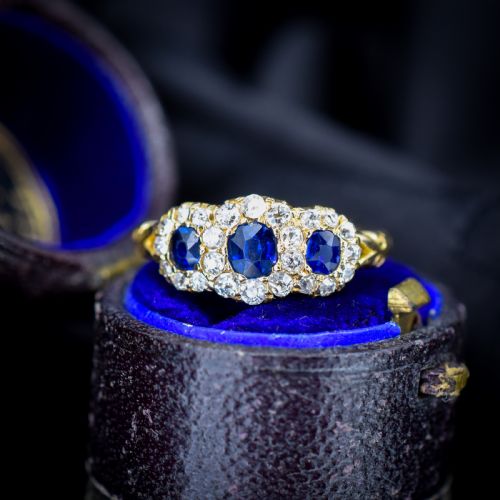
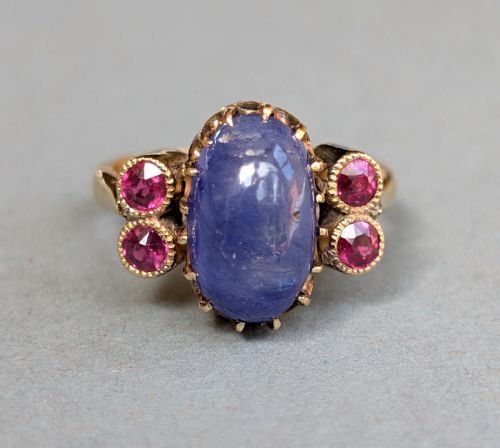
A victorian blue sapphire ring represents a category of antique jewellery built around the durability and rich colour of corundum. Most examples found here stem from the nineteenth and early twentieth centuries, spanning strict Victorian periods through to Edwardian and later revivals.
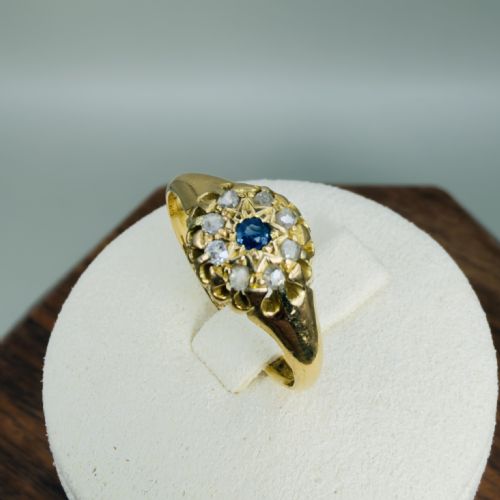
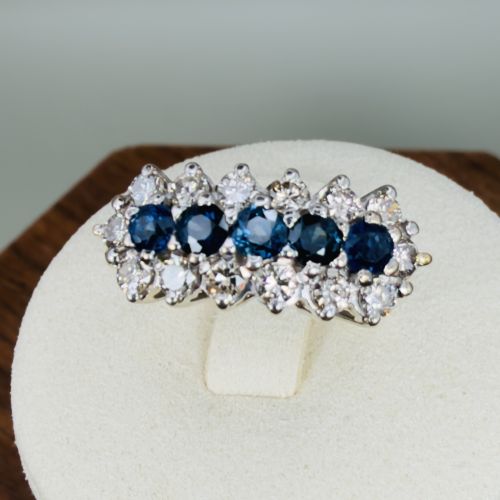
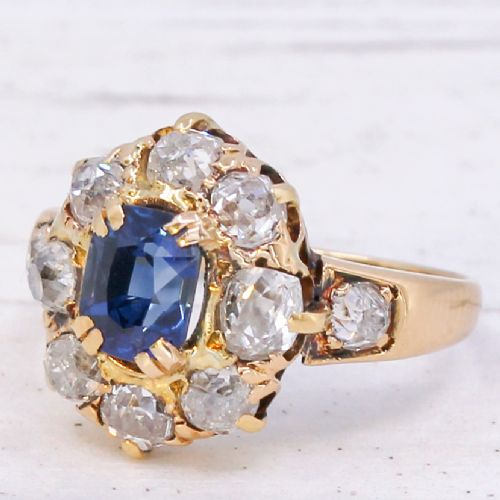
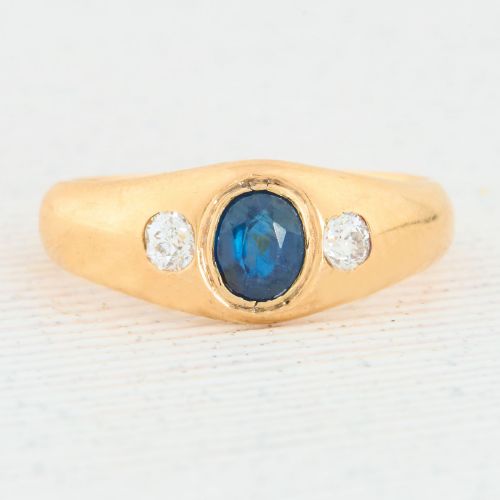
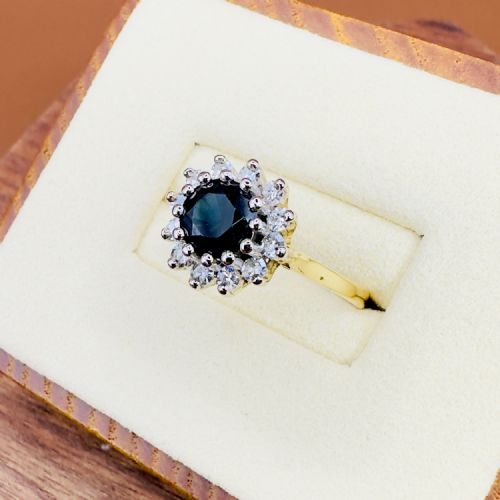
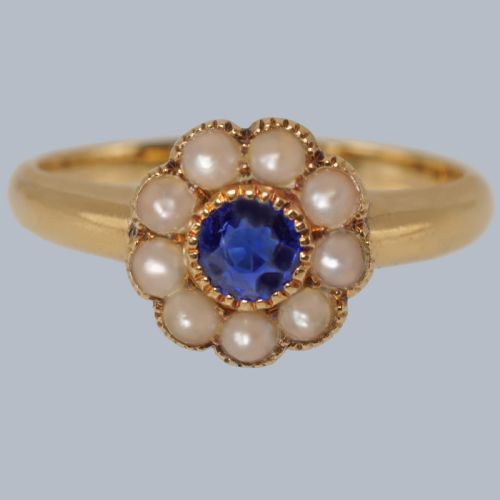
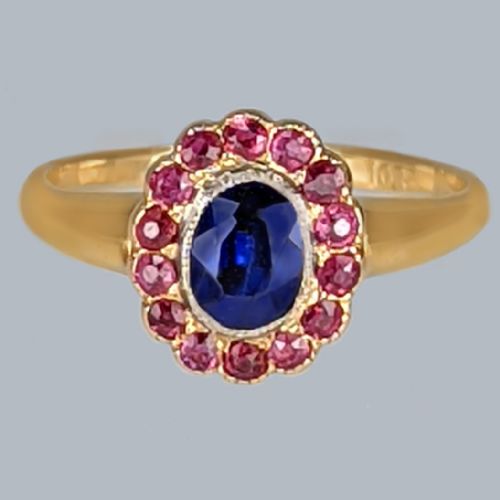
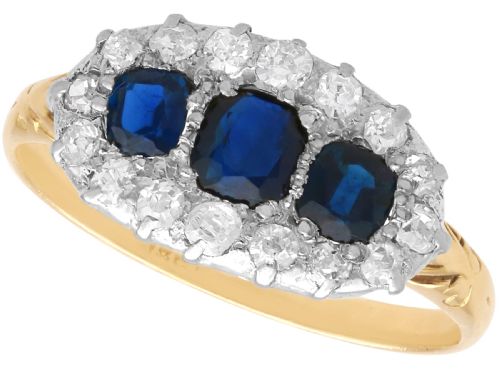
The prevalent forms include multi-stone clusters, boat shapes, and traditional trilogy settings. These configurations typically arrange the central blue stone alongside diamonds or split pearls in yellow gold mounts.
Makers of the period often employed 18ct yellow gold or occasionally 9ct gold to frame the gems. Pieces range from delicate solitaire and twist designs to substantial multi-stone half hoop rings.
How they were made
Goldsmiths constructed these rings using hand-wrought gold alloys, predominantly 18ct yellow gold, fashioned into detailed settings like boat shapes and cluster mounts. Stones such as old mined cut diamonds and split pearls were set by hand alongside the central sapphires.
Cut styles reflect the technological limits and aesthetic preferences of the era, favouring old mined cuts, rose cuts, and occasional baguette cuts. Metalwork frequently incorporates secure bezel or claw settings to hold the sapphire and diamond combinations.
Some nineteenth-century makers smuggled tiny split pearls into clusters so tightly that counting them requires a steady hand and a loupe.
What varies in quality
Quality differences lie in the origin and heat treatment status of the sapphire, with unheated stones or specific geographical provenances commanding greater attention. The clarity and cutting style of accompanying old mined cut diamonds also dictate the overall refinement of the piece.
The integrity of the original gold mount and the precision of the stone setting reveal the maker's hand. Heavier 18ct gold bands that retain their original shank thickness and hallmarks demonstrate superior preservation compared to altered examples.
The Victorian Blue Sapphire Ring Glossary
- Cluster ring
- A design featuring a central gemstone surrounded by a ring of smaller stones, commonly diamonds.
- Old mined cut
- An antique diamond cut featuring an approximate cushion shape, high crown, and small table facet.
- Trilogy ring
- A setting that incorporates three primary gemstones arranged in a row, often symbolising past, present, and future.
- Boat ring
- A navette-shaped or horizontally elongated setting designed to sit low across the finger.
- Split pearl
- A half-pearl sliced or grown flat on one side, frequently utilised in nineteenth-century cluster arrangements.
Victorian Blue Sapphire Ring: Frequently Asked Questions
Are these rings suitable for daily wear?
Sapphires possess high natural hardness, making them resilient for regular use when properly maintained in secure settings.
Antique mountings require gentle care and occasional inspection by a jeweller to ensure the older gold claws remain secure.
How do I identify a Victorian period ring?
Examination of the metalwork, hand-cut stones, and specific shank proportions often points towards nineteenth-century production.
Official hallmarks stamped inside the band provide definitive dating and assay office information for British-made pieces.
Can I resize an antique gold ring?
Most gold rings from this era can be adjusted by a skilled jeweller without compromising the structural integrity.
Intricate gallery work or stones set closely around the entire band require careful evaluation before any alteration.