




Victorian Black Powder Pistol
These nineteenth century victorian black powder pistol examples are historic percussion and flintlock firearms driven by mid nineteenth century craftsmanship.
Victorian Black Powder Pistol
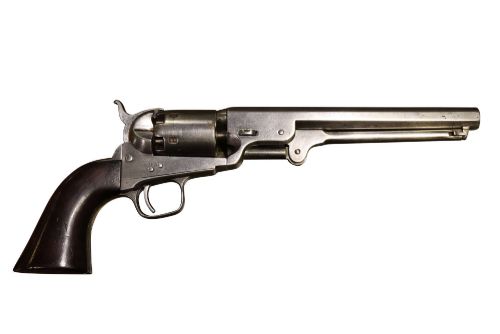
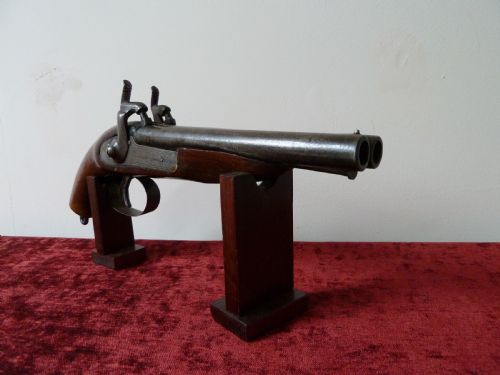
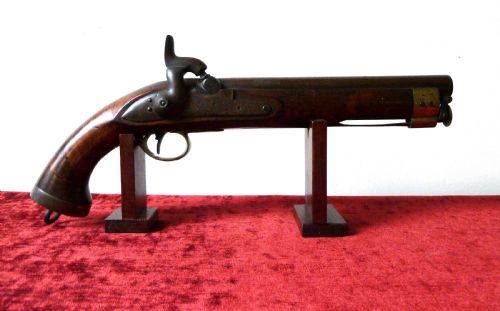
When you search for victorian black powder pistol, you encounter nineteenth century military and civilian sidearms originating from the 1850 and 1860 periods. These pieces include British Army officer smoothbore percussion pistols, Tower models, East India Company arms, and American pocket and navy revolvers.
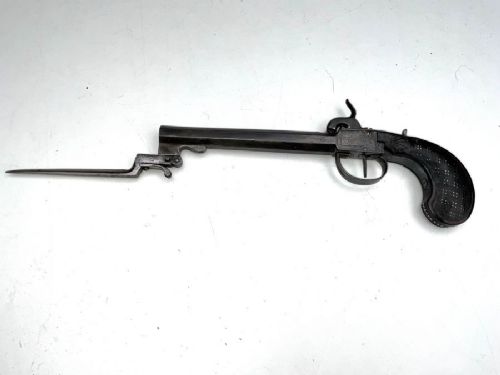
The most common versions met on this page are single and double barrel percussion pistols, belt pistols with bayonets, and boxed revolver sets complete with accessories and powder flasks.
How They Were Made
Makers built these firearms using forged steel and iron for barrels and lock mechanisms, paired with shaped walnut or mahogany stocks. Many examples feature brass trigger guards and mounts, alongside velvet lined presentation boxes.
Accessories associated with these pieces include copper powder flasks featuring palmette and anthemion designs, designed to dispense black powder securely for percussion caps and lead balls.
Victorian Black Powder Pistol Retail Price Guide 2026
Typical asking prices for victorian black powder pistol among the pieces listed under this phrase on Sellingantiques today, from the lower quarter to the upper quarter. They describe what is for sale here now, not the wider market.
Listings combine steel, iron, brass, walnut, and mahogany with copper powder flasks and velvet lined presentation cases.
What Varies in Quality
The distinction between standard military issue arms and high quality pieces rests on matching serial numbers, specialised mechanics such as sliding rear sights and hidden triggers, and London maker signatures. Standard military percussion pistols served practical field duties, whereas officer and gentleman variants display finer metal finishing and superior wood grain.
Complete boxed sets retaining original accessories, matching numbers, and period brass or copper flasks achieve a higher grade of completeness than loose firearms.
The Victorian Black Powder Pistol Glossary
- Percussion
- An ignition system developed in the nineteenth century utilising a small explosive cap struck by the hammer to fire the black powder charge. This replaced earlier flintlock mechanisms.
- Smoothbore
- A barrel lacking internal rifling grooves, standard on many military service pistols and smoothbore percussion arms of the mid nineteenth century. It fires round lead balls.
- Tower
- A designation referring to firearms manufactured at or inspected through the Tower of London for British military service. These bear official government inspection stamps.
- Calibre
- The internal diameter of the firearm barrel, determining the size of the ammunition projectile used. Measurements appear in decimal inches for American revolvers.
- Flask
- A metal container, frequently copper with decorative motifs such as palmettes, used to store and pour black powder into the muzzle of the pistol.
Victorian Black Powder Pistol: Frequently Asked Questions
What is a victorian black powder pistol?
A victorian black powder pistol is a nineteenth century muzzle loading firearm that uses loose gunpowder and a percussion cap for ignition. These sidearms include military service arms, belt pistols, and pocket revolvers from the 1850 and 1860 periods.
Such firearms were carried by British Army officers, East India Company forces, and civilians for personal defence before modern cartridge ammunition became standard.
How were these pistols used?
These sidearms served as personal defence weapons for military officers on active service, cavalry troopers, and gentlemen travelling during the nineteenth century. They required manual loading of gunpowder, a lead ball, and a percussion cap before each shot.
Many higher grade pistols were kept in fitted wooden boxes alongside powder flasks, bullet moulds, and percussion caps for convenience and preservation.
How do I identify a military pistol?
Military percussion pistols typically feature robust steel barrels, brass furniture, and clear government or Ordnance markings. Examples associated with the Tower of London or the East India Company often display specific contract stamps.
These arms prioritised durability and utility over decorative engraving, distinguishing them from civilian officer and gentleman variants.
What accessories come with these pistols?
Boxed pistol sets frequently include copper powder flasks, bullet moulds, tin containers for percussion caps, and cleaning rods. Flasks often feature decorative motifs like palmettes and anthemion designs.
These fitted cases protected the firearm and its components during transport and storage.