




Collectable Weapons
Collectable weapons are historical arms and edged blades, offering collectors tangible links to military campaigns and civilian defence.
Collectable Weapons
Collectable weapons encompass a diverse range of historical arms, including swords, antique firearms, and concealed blade walking sticks. These pieces span multiple eras, offering enthusiasts physical connections to past conflicts and civilian protection methods.
Walking stick sword sticks dominate the selection, appearing alongside military swords, flintlock pistols, and percussion arms. Buyers encounter Victorian pieces frequently, sitting alongside 18th century flintlocks and mid-20th century military items.
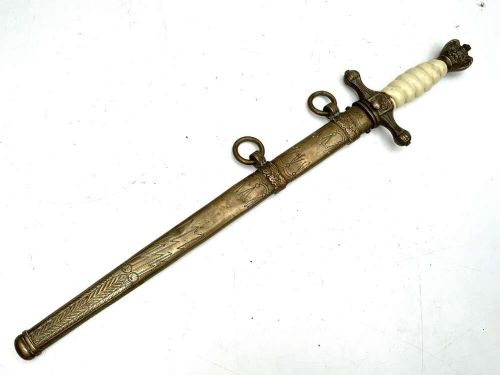
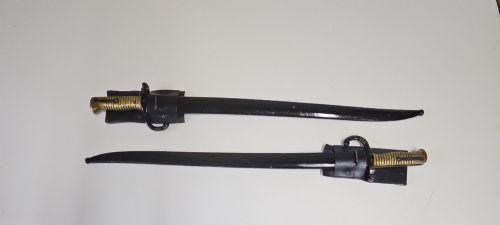
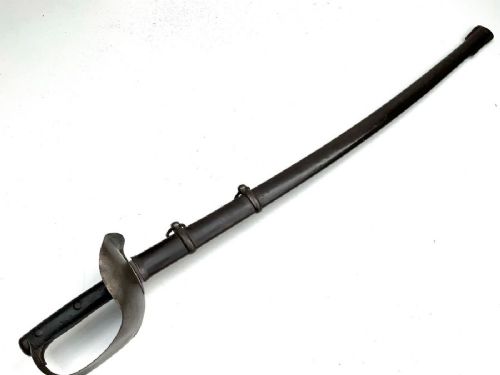
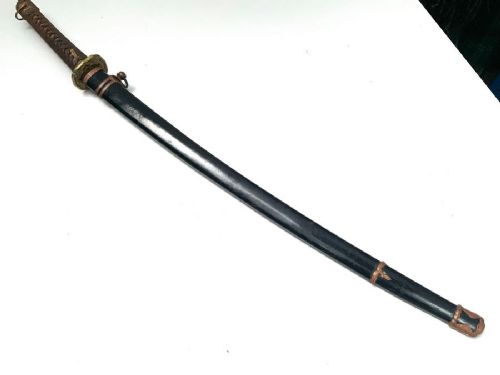
The inventory ranges from French bayonets and Japanese officers military swords to British cavalry troopers and German officers sidearms. Flintlock blunderbusses and pinfire pistols add further variety to the arms represented.
How they were made
Makers utilised forged steel for blades and barrels, ensuring strength and functionality in both military and civilian arms. Iron and metal components reinforced locks, trigger mechanisms, and mountings across swords and firearms.
Stocks, handles, and walking canes incorporate natural woods such as walnut, holly, and hardwood, often paired with brass fittings and leather coverings. Root ended handles and silver knops provided distinct tactile and decorative finishes to civilian walking sticks.
Collectable Weapons Retail Price Guide 2026
Typical asking prices for collectable weapons among the pieces listed under this phrase on Sellingantiques today, from the lower quarter to the upper quarter. They describe what is for sale here now, not the wider market.
Listings feature steel, brass, wood, iron, walnut, leather, metal, and hardwood across various military and civilian forms.
What varies in quality
Quality differentiates through the precision of metalwork on blades, engraved decoration on lockplates, and the selection of fine hardwoods for stocks and grips. Maker signatures and regimental markings elevate historical interest and demonstrate superior workshop standards.
The integrity of leather coverings, silver knops, and original scabbards preserves the completeness of individual pieces. Well-maintained mechanical actions on flintlocks and percussion pistols reflect higher initial craftsmanship and careful preservation.
Barber of Newark·French Sevres Porcelain
The Collectable Weapons Glossary
- Flintlock
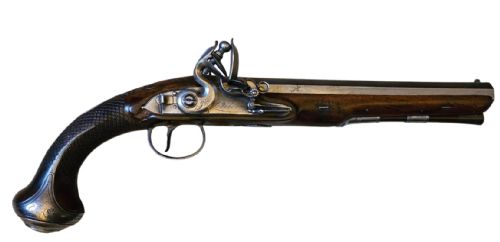
- An ignition mechanism for firearms that uses a flint striking a steel frizzen to create sparks for gunpowder ignition. This system dominated military and civilian arms throughout the 18th century.
- Percussion pistol
- A firearm utilising a percussion cap struck by a hammer to ignite the gunpowder charge. This mid-19th century innovation replaced flintlock systems with greater reliability.
- Sword stick
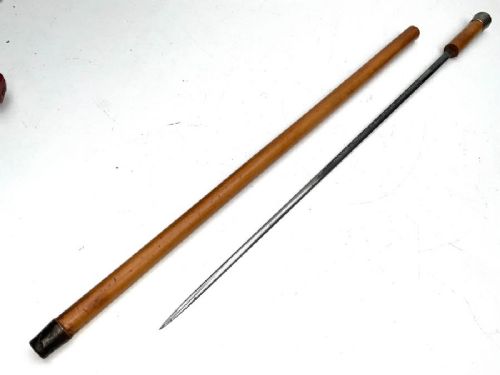
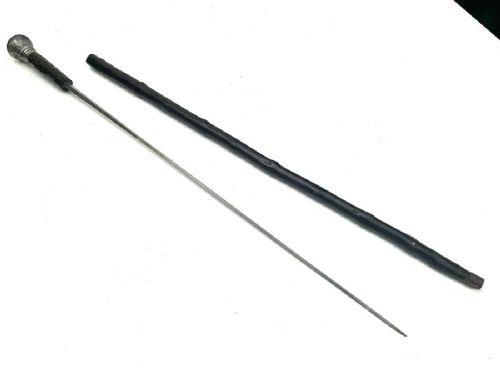
- A concealed blade housed within the shaft of a walking cane. Popular in the Victorian era, these items served as discrete personal defence tools.
- Bayonet
- A solid blade designed to attach to the muzzle end of a rifle for close combat. Examples range from French military patterns to folding variations on pistols.
- Blunderbuss
- A muzzle-loading firearm with a flared barrel designed to scatter shot at close range. 18th century models saw use in coach defence and naval warfare.
Collectable Weapons: Frequently Asked Questions
What periods do these weapons cover?
The available items span from the 18th century through the Victorian era up to the mid-20th century.
Collectors find pieces dated across the 1860s, 1890s, and 1940s alongside broader Georgian and Victorian classifications.
How were sword sticks used historically?
Gentlemen carried sword sticks during the Victorian period as fashionable accessories that doubled as discreet tools for personal protection.
The concealed blades remained hidden within wood shafts featuring holly, root ended handles, or leather coverings.
What is the difference between flintlock and percussion arms?
Flintlock weapons rely on a flint striking steel to generate sparks that ignite the main powder charge. They represent earlier 18th century technology.
Percussion arms utilise a small metal cap struck by the hammer, providing a faster and more reliable ignition method seen in later 19th century pieces.
Are these arms suitable for display?
Many buyers display these historical items within cabinets or wall mounts to appreciate the craftsmanship of steel blades and wooden stocks.
Each piece offers a tangible connection to military campaigns, civilian fashion, and historical gunsmithing traditions.