



Antique Officers Pistol
These antique officers pistol pieces are historical sidearms from the eighteenth and nineteenth centuries, offering a tangible link to military service and personal defence.
Antique Officers Pistol
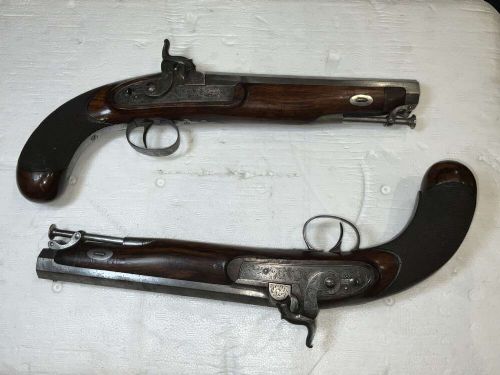
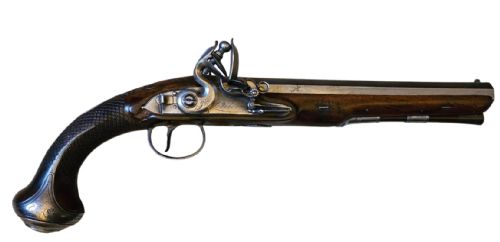
When you search for an antique officers pistol, you are looking at functional sidearms carried by military personnel and gentlemen during the eighteenth and nineteenth centuries. These pieces encompass various forms including percussion and flintlock ignition systems, designed for active service or private protection.
On this page, you are most likely to meet nineteenth-century percussion pistols and eighteenth-century flintlock examples originating from British makers. The selection spans military service arms, light dragoon pieces, and pocket or belt variations fashioned in walnut and steel.
How They Were Made
Makers constructed these firearms using durable hardwoods such as walnut for the stocks, paired with forged steel and iron for barrels and lock mechanisms. Brass furniture and mountings frequently appeared on military and civilian sidearms to provide reinforcement and contrast.
The transition from flintlock to percussion ignition marked a major technical shift seen across the periods, altering how powder was ignited in the field. Proof marks stamped onto the metal components verified the quality and safety of the barrel before sale.
Antique Officers Pistol Retail Price Guide 2026
Typical asking prices for officers pistol among the pieces listed under this phrase on Sellingantiques today, from the lower quarter to the upper quarter. They describe what is for sale here now, not the wider market.
Mail coach inspectors required reliable firepower to protect the post from highwaymen.
What Varies In Quality
The distinction between ordinary production and superior craftsmanship rests in the crispness of the lock mechanism and the legibility of the maker signature. Master gunsmiths produced engraved plates and balanced stocks that elevated a utilitarian weapon into a refined personal possession.
Preservation of the original metal finish and wood stock contours dictates the standing of a piece within its period. Altered components or heavily worn markings diminish the historical integrity that collectors and historians value in these firearms.
Deane Adams And Deane·Barber Of Newark·George Sherwood Of Portsmouth·Dutton London
The Antique Officers Pistol Glossary
- Percussion
- An ignition system developed in the nineteenth century that used a percussion cap struck by the hammer to fire the charge. This mechanism replaced the earlier flintlock method.
- Flintlock
- A firing mechanism utilising a piece of flint held in a cock to strike a steel frizzen, creating sparks to ignite the priming powder. It defined firearm production through the eighteenth and early nineteenth centuries.
- Bore
- The interior diameter of the barrel, which determines the calibre or size of the projectile. Measurements like fourteen bore or sixteen bore indicate the weight of the lead ball.
- Proof marks
- Official stamps applied to the metal parts of a firearm to certify that the barrel successfully underwent pressure testing. These marks help identify the location and era of manufacture.
Antique Officers Pistol: Frequently Asked Questions
How did officers carry these pistols?
Officers typically carried these sidearms in holsters attached to saddles or on their persons using specialised belts.
Pocket and belt variants offered a more discreet method of transport for gentlemen and mail coach inspectors during travel.
What is the difference between flintlock and percussion?
Flintlock pistols relied on a flint striking steel to generate sparks for ignition, which proved vulnerable to wet weather conditions.
Percussion pistols used a chemical cap struck by the hammer, providing a much more reliable ignition system from the nineteenth century onward.
Were these pistols used in actual combat?
Many examples saw active service with British Army personnel, light dragoons, and naval forces during military campaigns.
Others served private individuals as duelling weapons or personal defence tools against highwaymen.
How do you identify the age of a pistol?
The ignition mechanism provides an immediate broad indicator, with flintlocks generally preceding percussion systems.
Maker signatures, address details, and official proof marks inscribed on the metal components narrow down the production period further.