

Victorian Bedside Nightstand
A victorian bedside nightstand brings practical storage and period character to a bedroom, offering small cupboards, chests of drawers, and open tables.
Victorian Bedside Nightstand
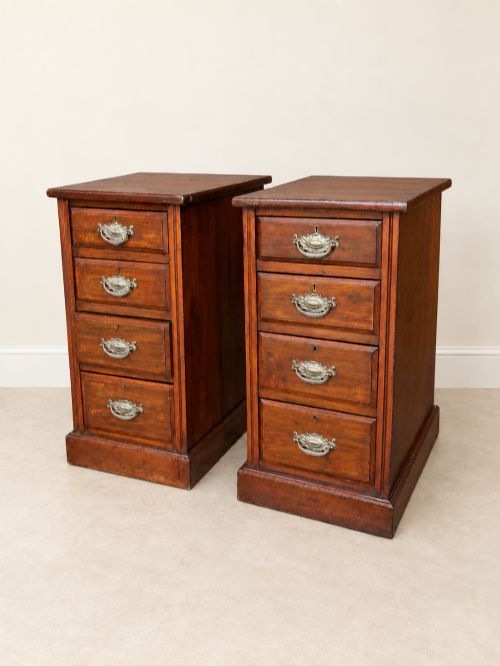
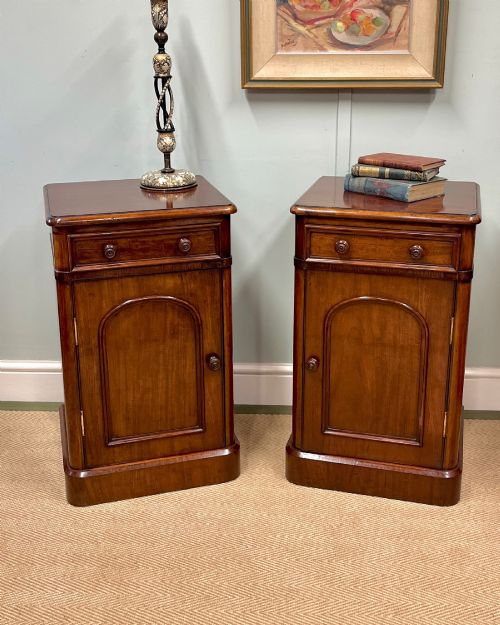
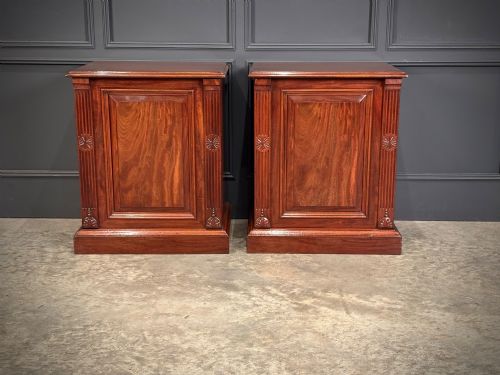
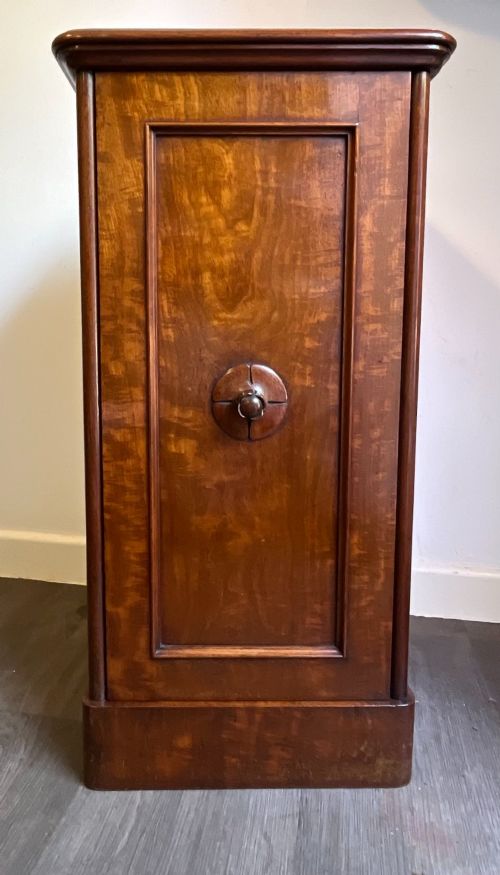
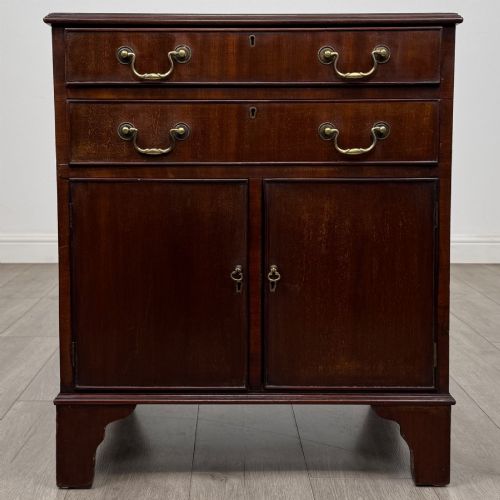
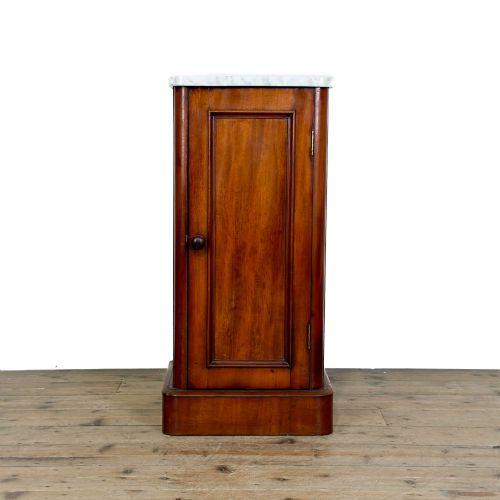
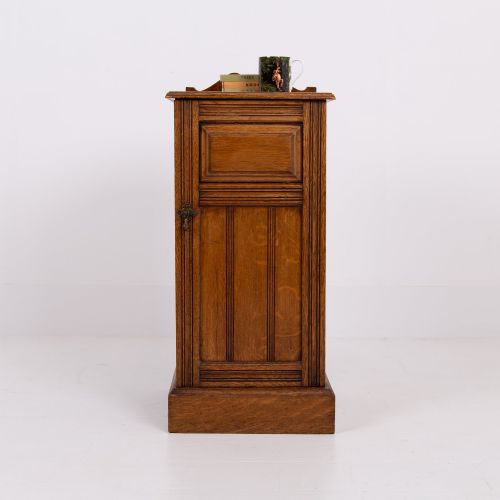
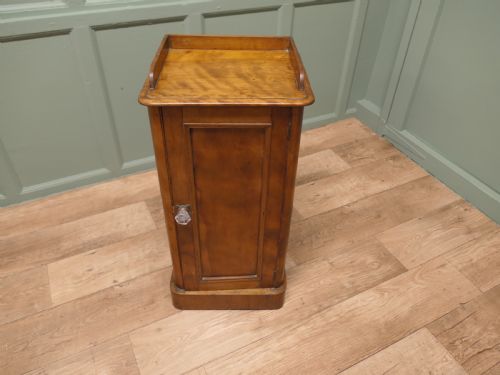
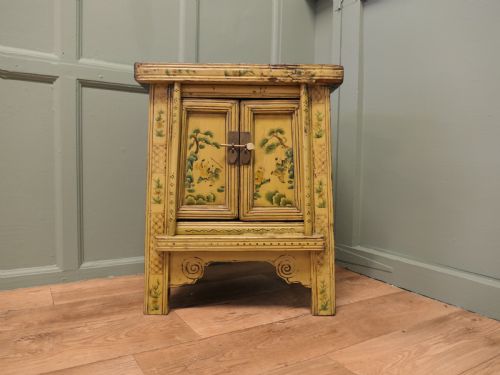
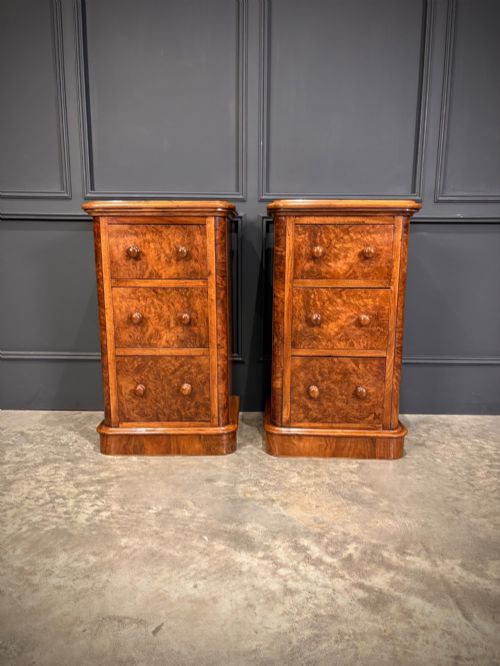
A victorian bedside nightstand appears in several distinct forms across these listings, most commonly as enclosed pot cupboards with single doors or as small three-drawer chests.
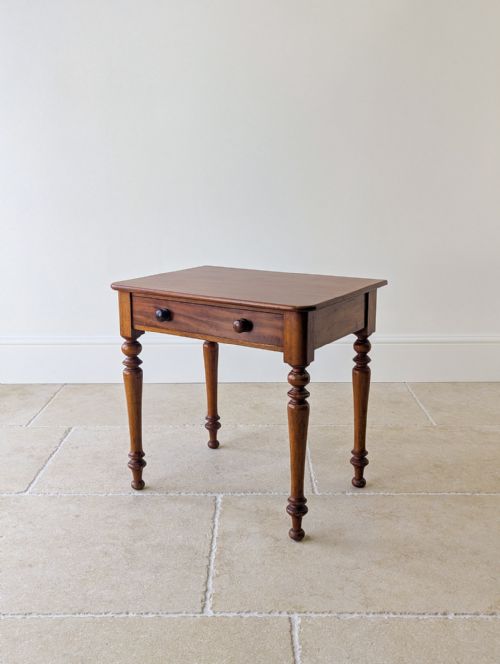
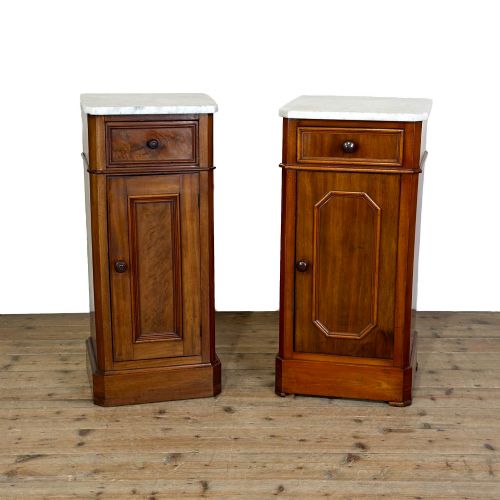
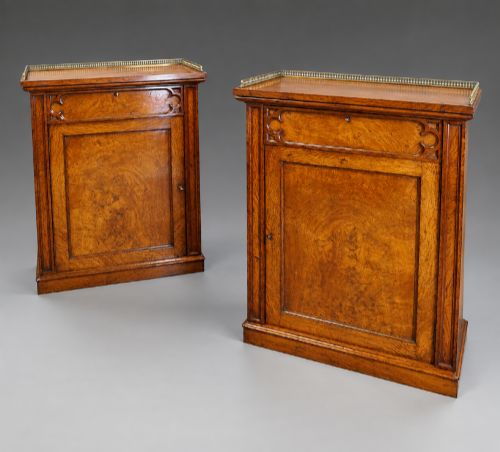
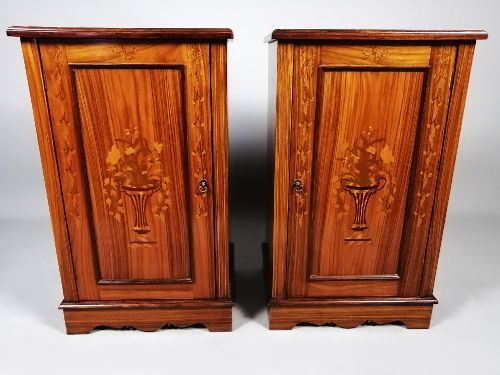
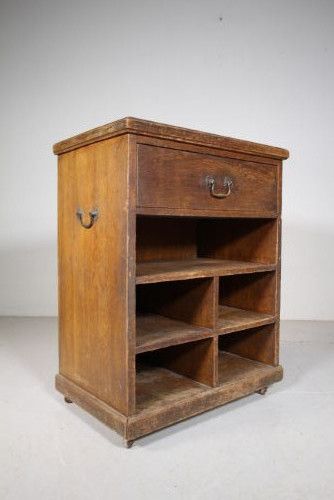
The selection includes matched pairs as well as single pieces, spanning utilitarian pine washstands through to finely figured mahogany and burr walnut cabinets.
Makers and craftsmen adapted these items for nineteenth-century bedrooms, utilising compact proportions to hold chamber pots or bedside requisites.
Materials and Construction
Cabinetmakers constructed these pieces primarily using dense timbers such as mahogany, walnut, and rosewood, often enhanced with flame veneers, marquetry, or painted Chinoiserie decoration.
Secondary woods like pine and oak appear frequently in carcases and drawer linings, while selected high-end variants incorporate inset marble tops or brass handles and mounts.
One piece masquerades as a bamboo grove, constructed entirely from painted wood to satisfy a Victorian craze for faux bamboo.
Judging Quality and Execution
Quality rests in the choice of timber figures, such as matched flame mahogany or burr walnut veneers, and the crispness of hand-carved details or brass hardware.
Superior examples display precise dovetail joints on drawers, sound structural integrity in the carcase, and restrained decorative flourishes aligned with specific revival styles.
Warings Liverpool·Gillow & Co
The Victorian Bedside Nightstand Glossary
- Pot cupboard
- A small bedside cabinet originally designed to enclose a chamber pot behind a single panelled door. These items frequently feature internal shelving alongside ventilation holes.
- Dovetail
- A traditional woodworking joint interlocking wedge-shaped fingers to secure drawer corners. Fine nineteenth-century examples show tight, hand-cut pins.
- Burr walnut
- Timber taken from the gnarled growths of a walnut tree, producing swirling, highly decorative grain patterns. Cabinetmakers sliced this wood into thin veneers for statement furniture.
- Gothic Revival
- An architectural and decorative style drawing inspiration from medieval forms, marked by pointed arches, trefoils, and heavy structural timber.
- Marquetry
- The art of applying thin pieces of wood veneer to a structure to form decorative patterns or pictures. Craftsmen utilised contrasting timbers like rosewood and boxwood.
Victorian Bedside Nightstand: Frequently Asked Questions
What is a pot cupboard?
A pot cupboard is a compact bedside cabinet featuring an internal compartment once intended to house a chamber pot.
Today, these enclosed spaces serve equally well for modern bedside storage needs while maintaining period aesthetics.
Are bedside chests usually found in pairs?
Many nineteenth-century cabinets and chests survive as matched pairs, though single items appear just as often in the records.
Pairs generally command stronger interest from collectors aiming to balance a larger bed frame.
How do I identify a marble top nightstand?
Marble top variants feature an inset stone slab designed to provide a durable, water-resistant surface for jugs and water carafes.
This addition typically signals a higher-tier cabinet intended for a well-appointed bedroom.
What woods were used for these cabinets?
Cabinetmakers relied heavily on rich hardwoods like mahogany, walnut, and rosewood for visible surfaces, supplemented by pine and oak for internal framing.
Selection depended on the desired finish, ranging from dark polished veneers to painted Chinoiserie.