
Victorian Bedside Lamp
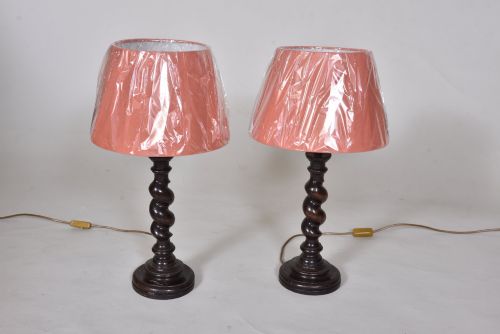
A Victorian bedside lamp brings period warmth to a room, combining practical illumination with the heavy presence of nineteenth-century brass, mahogany and porcelain.
Victorian Bedside Lamp
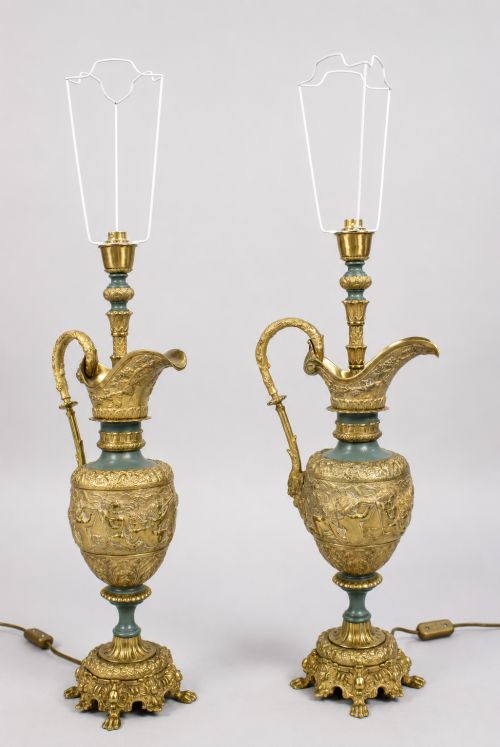
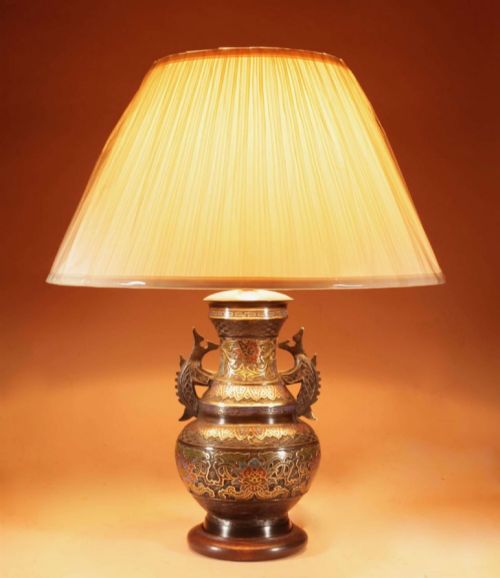
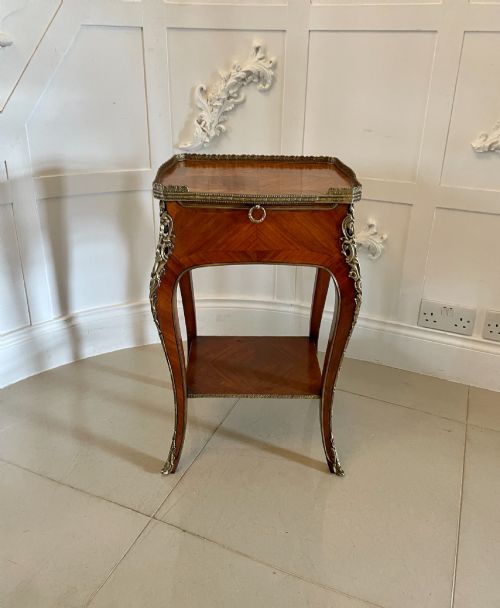
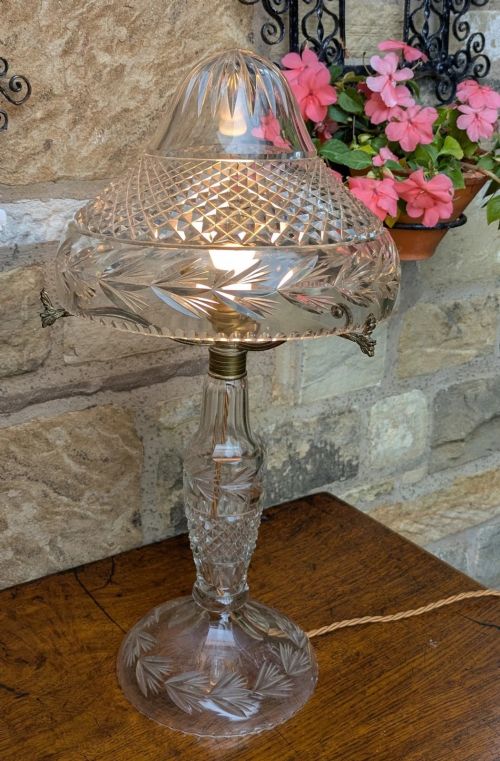
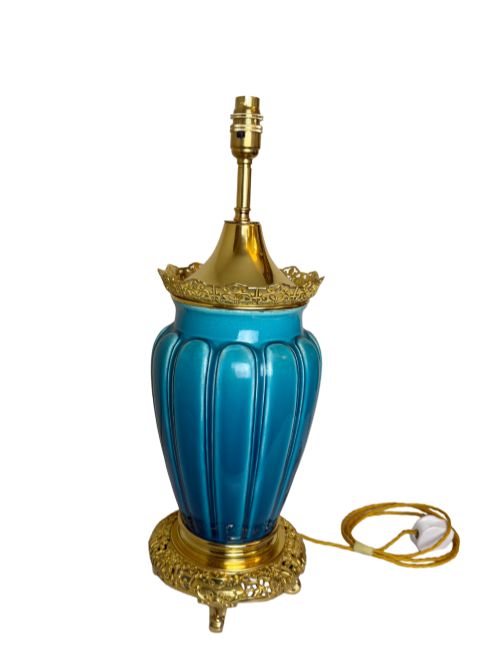
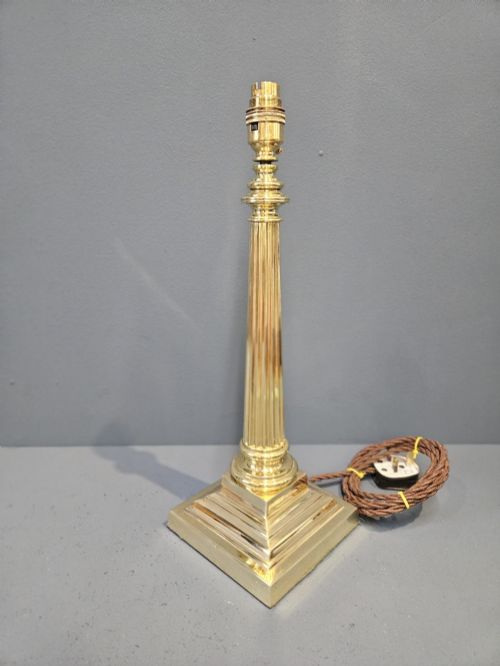
When you search for a victorian bedside lamp, you encounter a mix of converted lighting and small furniture designed to hold a light beside a bed. The selection bridges two distinct forms: actual period lighting such as brass columns and porcelain vessels, alongside low wooden tables intended to serve as lamp stands.
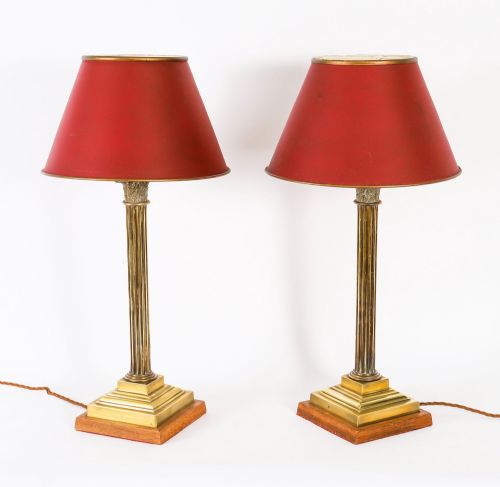
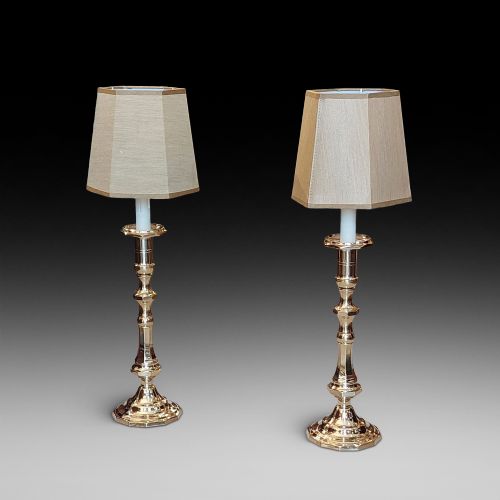
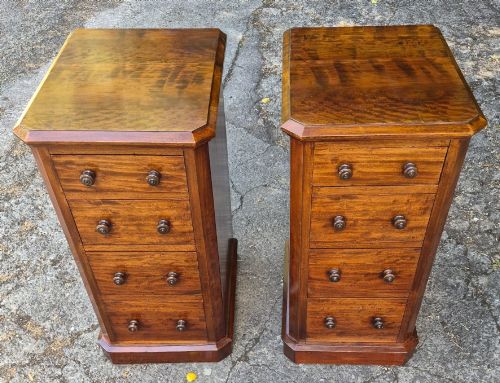
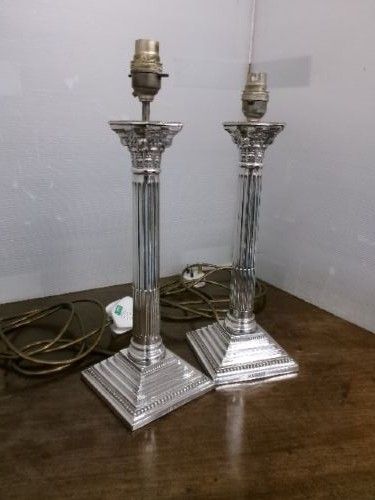
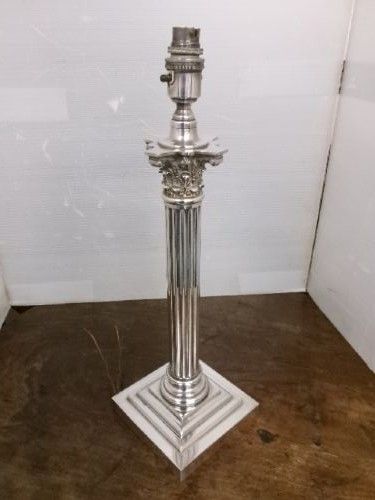
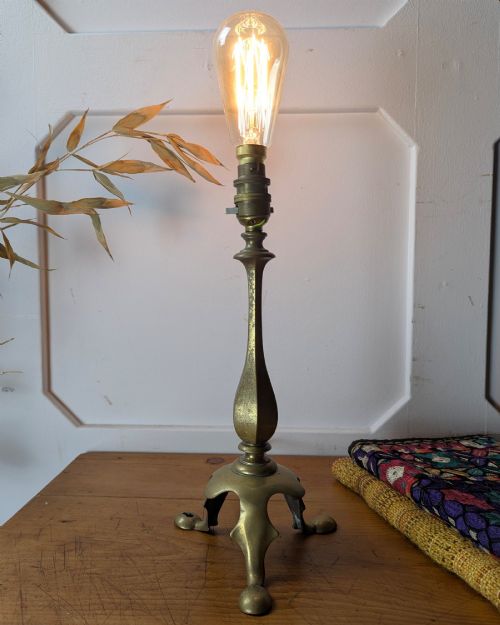
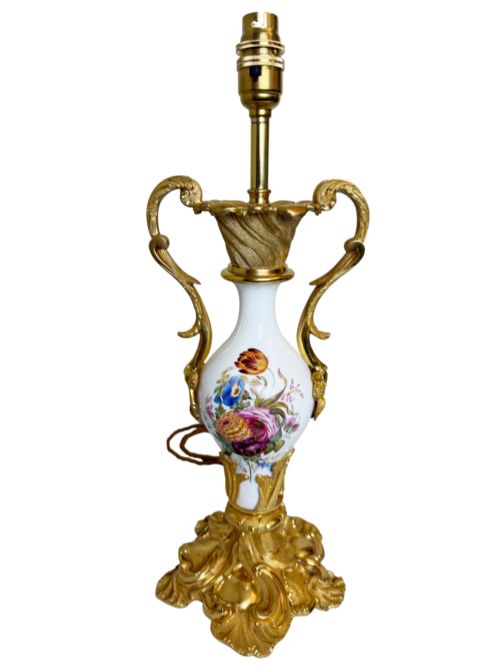
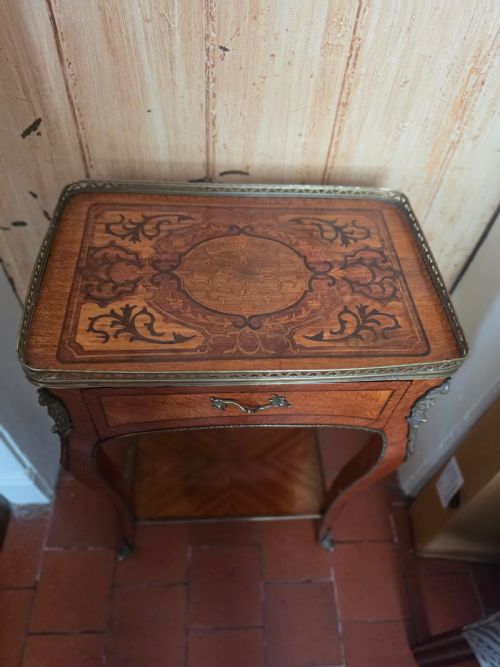
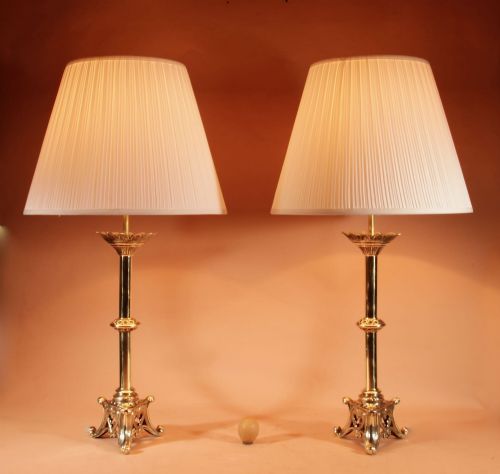
The lighting options range from converted brass candlesticks and silver-plated Corinthian columns to French ceramic bodies fitted for electricity. Alongside these sit mahogany and walnut bedside cabinets, pot cupboards and occasional tables that frequently double as lamp pedestals in modern settings.
How they were made
The construction relies heavily on cast brass, silver plating and turned timber such as mahogany, walnut and oak. Metal components often display crisp Corinthian capitals, reeded shafts and heavy cast feet, whilst ceramic and glass bodies utilise hand-painted glazes, crackle effects and delicate floral designs.
Wooden items employ traditional joinery, dovetailing and occasional marquetry or ormolu mounts to accent the drawer fronts and panels of bedside cabinets. Many lighting pieces originate as earlier candlesticks adapted later for electrical wiring while retaining their original nineteenth-century weight and proportions.
Keep an eye out for lion's paw feet on your column lamp base, because even domestic lighting deserves to stand on majestic toes.
What varies in quality
Quality reveals itself in the crispness of metal casting and the depth of the timber grain rather than any surface polish. Heavy gauge brass and finely chased silver plating separate superior columns from lighter, hollow alternatives.
With wooden lamp tables and cabinets, the choice of solid mahogany or burr walnut, combined with substantial secondary timbers and tight joints, dictates the standing of the piece. Fine porcelain bodies show superior hand-applied gilding and unblemished glaze work.
Royal Worcester·Sitzendorf·M. Woodburn
The Victorian Bedside Lamp Glossary
- Corinthian Column
- A classical column form featuring ornate acanthus leaves at the capital, frequently utilised on nineteenth-century metal lamp bases.
- Pot Cupboard
- A small bedside cabinet originally designed to enclose a chamber pot, now commonly utilised as a lamp table.
- Ormolu
- Gilt bronze mounts applied to furniture and ceramic lamp bodies for decorative effect.
- Champlevé
- An enamelling technique where troughs are carved into metal and filled with coloured glass paste before firing.
Victorian Bedside Lamp: Frequently Asked Questions
Are these lamps converted from old candlesticks?
Many brass and metal table lamps originate as nineteenth-century candlesticks that were later wired for electricity. This conversion process is standard for period lighting found today.
Such pieces retain their original weight, proportion and casting detail while accommodating modern electrical safety standards.
How do I use a bedside lamp table?
Bedside cabinets and small lamp tables provide a stable surface for nighttime illumination alongside enclosed storage for books and personal items. Their compact footprints suit smaller spaces beside period beds.
Many feature small drawers or cupboards originally built to house night-time necessities.
What woods are typical for these tables?
Mahogany, walnut and oak form the primary timbers for nineteenth-century bedside furniture and lamp stands. Solid cuts and fine veneers, including burr walnut and kingwood, appear frequently across the selection.
These dense woods provide the necessary stability to support heavy metal or ceramic lamp bases safely.
How do I distinguish styles?
Styles range from plain Victorian utility to Gothic Revival and Neoclassical designs featuring classical columns and urn forms. Examining the decorative motifs helps identify the specific design influence of the period.
Gothic pieces display pointed arches and heavy cast brass, whilst Neoclassical examples lean towards symmetry and classical architectural orders.