



Victorian Bedroom Ottoman
These Victorian bedroom ottoman pieces and related seating bring period character and practical storage to a room, offering sturdy frames and traditional upholstery.
Victorian Bedroom Ottoman
When searching for a victorian bedroom ottoman, buyers encounter a mix of functional storage pieces and upholstered seating designed for period interiors. The selections span blanket boxes, kist chests, window seats, dressing stools, and dedicated ottomans dating across the nineteenth century.
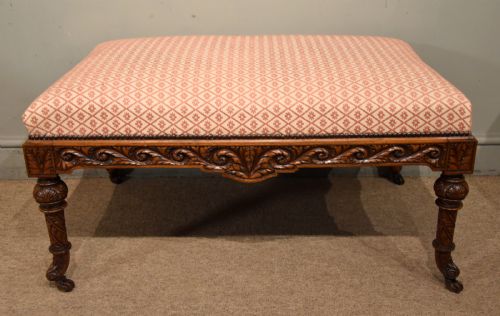
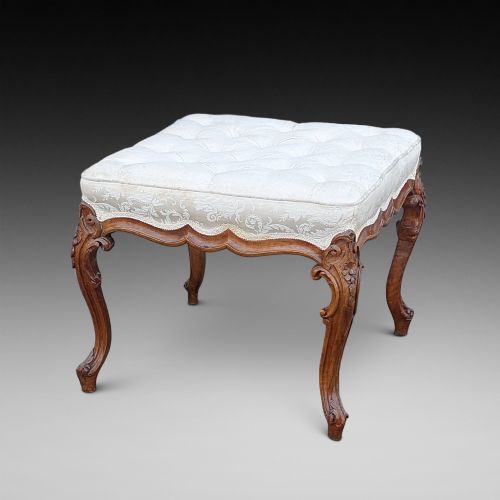
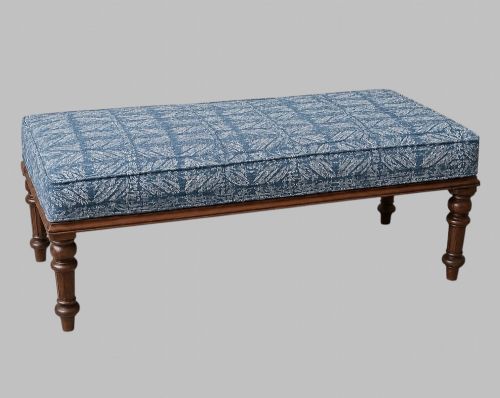
Most examples found here feature timber frames in walnut, rosewood, mahogany, and pine, often paired with contemporary textile or linen upholstery. Forms range from compact cabriole-legged dressing stools to concave-shaped ottoman blanket boxes built for bedroom storage.
The objects reflect domestic utility from the mid-nineteenth century through to the late Victorian era and the early twentieth century. Makers and craftsmen utilised robust native and imported timbers, creating versatile furniture intended to sit at the foot of a bed or beneath a window.
How they were made
Cabinetmakers constructed the rigid frames of these pieces using solid hardwoods such as walnut, rosewood, and mahogany, alongside pine for internal storage boxes. Joints were typically pegged or dowelled to ensure stability under heavy daily use in nineteenth-century bedrooms.
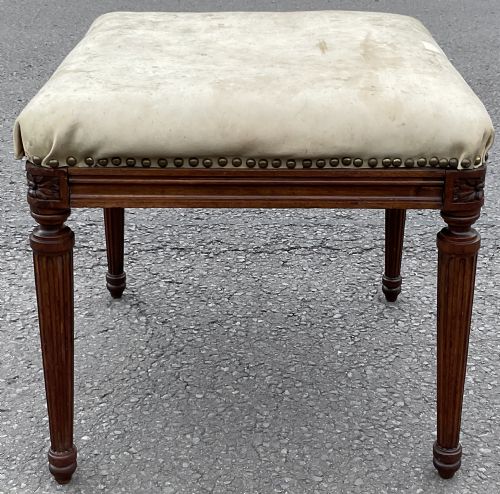
Carved decorative details, including cabriole legs and fluted supports, were shaped by hand before finishing with wax or polish. Upholstered surfaces relied on traditional stuffing and webbing techniques to support the fabric coverings.
What varies in quality
The calibre of timber selection and the crispness of hand-carved details define the upper tiers of these pieces. Dense grain in walnut and rosewood frames indicates superior material choice compared to standard utility pine.
Construction rigidity and the integrity of the internal storage compartment separate utilitarian boxes from refined salon or bedroom seating. Proportional balance in the turning of legs and the symmetry of concave shapes signal skilled workshop production.
James Shoolbred
The Victorian Bedroom Ottoman Glossary
- Cabriole leg
- A furniture leg that curves out and then in, resembling the leg of an animal. This classic shape appeared frequently on seating throughout the nineteenth century.
- Ottoman
- A low upholstered seat or storage box without arms or a back. In bedroom settings, these pieces combined interior storage space with a padded top for seating.
- Window seat
- A long, narrow bench designed to fit beneath a window recess. These forms often feature upholstered tops and shaped wooden frames.
- Dressing stool
- A compact seat placed in front of a dressing table. They typically match the wood and style of other bedroom furniture.
Victorian Bedroom Ottoman: Frequently Asked Questions
How were bedroom ottomans used?
These pieces served a dual purpose in the Victorian home as both casual seating and concealed storage for bedding, linens, or garments. Placed at the foot of a bed or beside a dressing table, they kept private chambers tidy.
Their robust timber construction allowed them to withstand heavy daily use while integrating into the decorative scheme of the bedroom.
Are these ottomans comfortable for daily sitting?
Most surviving examples feature traditional padding and upholstery that provide a firm surface suitable for dressing or resting. Many pieces have been professionally re-upholstered in durable linens or textiles.
Buyers intending to use them as primary seats should check the internal padding depth and frame height to suit their domestic setup.
How do I identify a Victorian piece?
Look for characteristic nineteenth-century timber choices such as walnut, rosewood, and solid mahogany, alongside traditional hand-cut joinery. Stylistic markers like cabriole legs and carved rosewood frames point directly to Victorian production methods.
Pine storage boxes and kists often display period hand-planed interior boards and forged iron or brass fittings consistent with nineteenth-century hardware.
Where should I place an ottoman?
These versatile items fit naturally at the foot of a bed, doubling as a seat when dressing and a repository for extra blankets. They also work well in hallways or beneath large windows as dedicated window seats.
Their compact footprints allow them to sit comfortably in smaller rooms without dominating the floor space.