

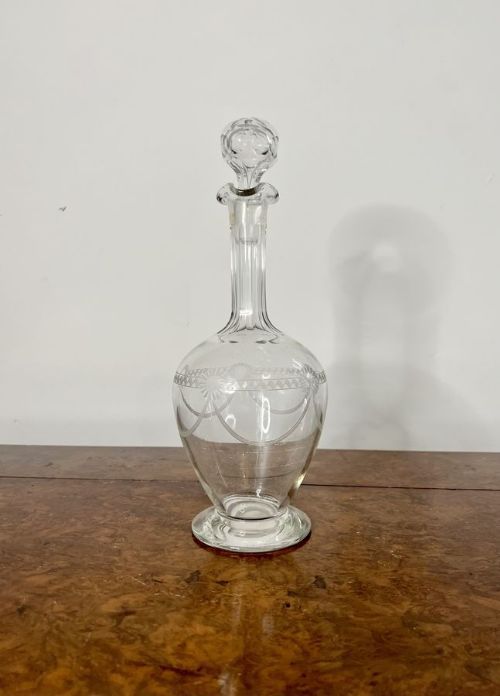


Victorian Barware Carafe
A victorian barware carafe brings weight and sparkle to a table, offering a functional vessel for spirits or wine shaped by nineteenth-century glassmakers.
Victorian Barware Carafe
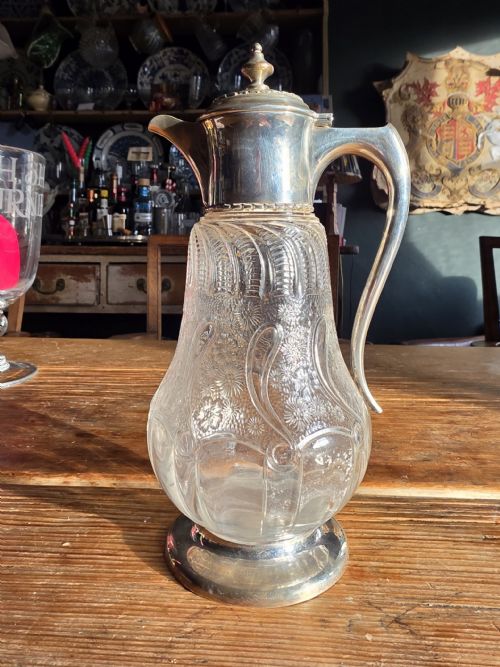
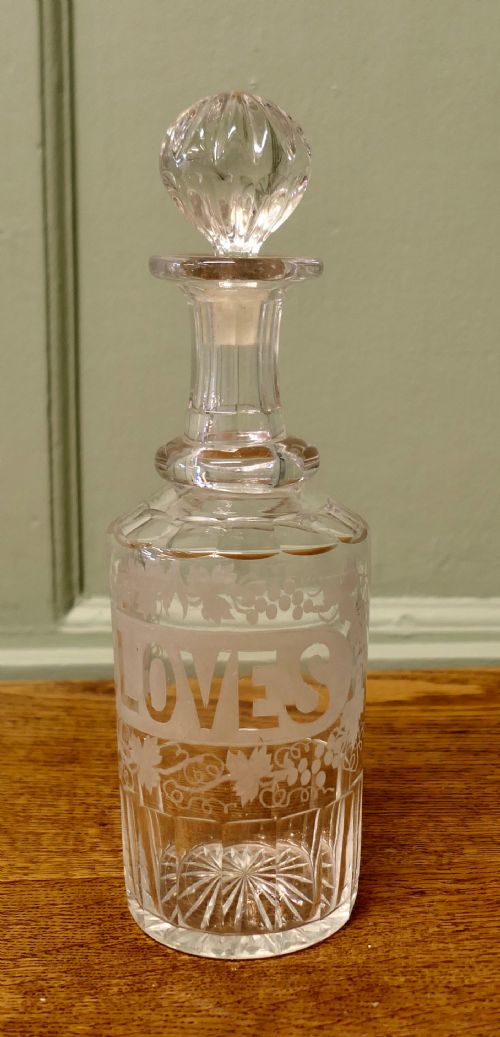
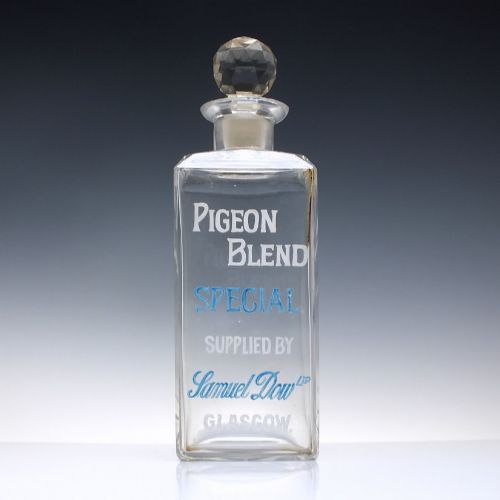
A victorian barware carafe encompasses heavy spirit decanters, claret jugs and wine bottle holders produced during the nineteenth century. These vessels served dining rooms and sideboards, holding whisky, rum, brandy, claret and champagne.
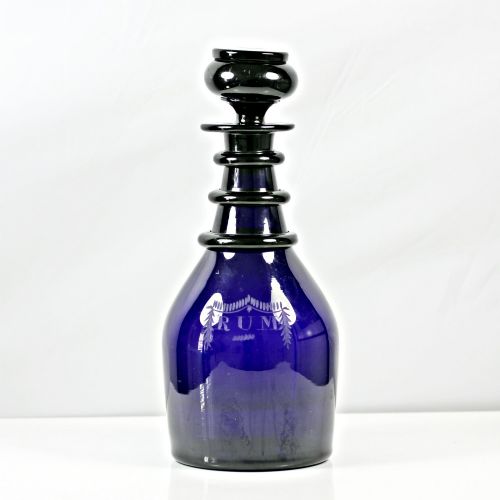
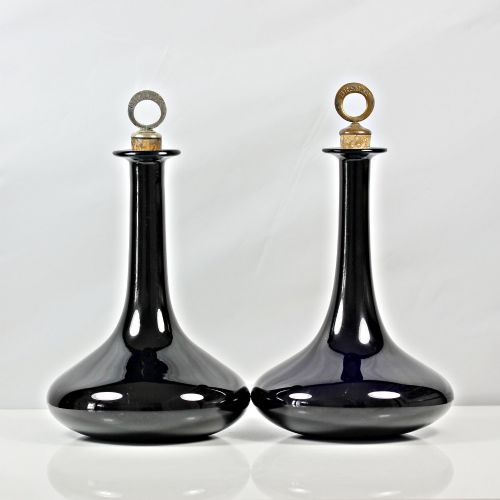
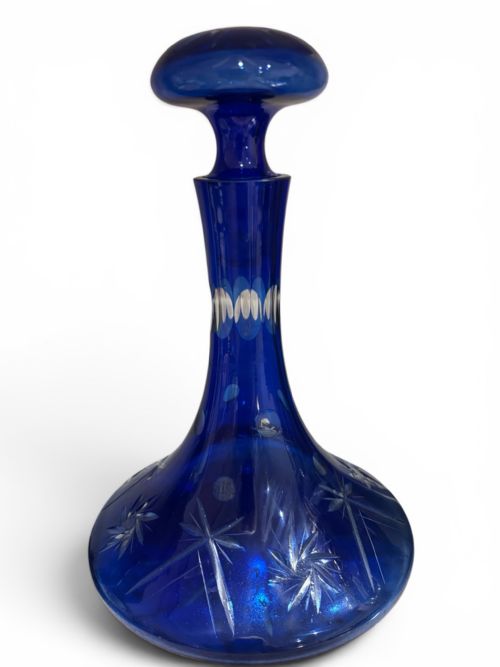
Most examples appearing here are cut glass or lead crystal pieces mounted in silver plate or sterling silver, often accompanied by coloured glass variations in cobalt blue, ruby, green, cranberry and Bristol blue.
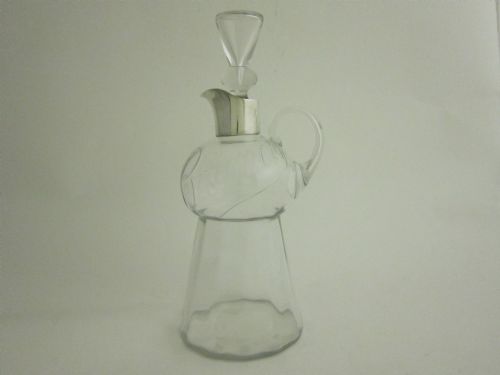
The selection ranges from simple etched crystal to ornate novelty forms, including Scottish whisky decanters and thistle-shaped silver-plated mounts.
Glass cutting and metal mounting
The bodies utilise heavy lead crystal or clear and coloured glass, shaped by blowing and finished with deep hand-cut flutes, panels or floral etching.
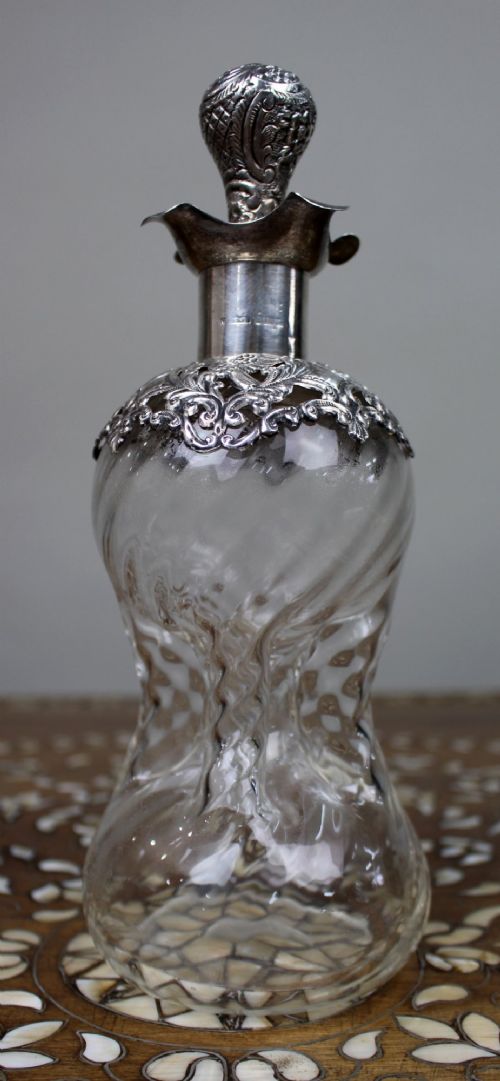
Metal components combine sterling silver and silver plate, forming collars, pours, handles and novelty figural stoppers that secure the glass necks.
Listings span several glass colours, including cobalt blue, ruby, cranberry, green and traditional clear crystal.
Clarity, depth of cut and mount integration
Quality rests in the weight and clarity of the crystal, alongside the crispness of the hand-cut facets that catch the light.
The integration between the glass body and the silver or silver-plated mounts distinguishes standard vessels from finer exhibition pieces.
Rupert Favell & Co.
The Victorian Barware Carafe Glossary
- Carafe
- An open-topped glass container used for serving wine or water at the table. It differs from a decanter by lacking a fitted stopper.
- Claret jug
- A tall pouring vessel specifically designed for serving red wine. These pieces combine glass bodies with hinged metal handles and mounts.
- Silver plate
- A base metal coated with a thin layer of silver. This technique allowed makers to produce ornate mounts for domestic glassware affordably.
- Lead crystal
- Glass containing metallic oxide that increases weight, refractive index and brilliance. It permits deeper and sharper cutting by the artisan.
- Bristol blue
- A deep cobalt-coloured glass traditionally produced in the West Country. It gained popularity during the Georgian period and continued through the nineteenth century.
Victorian Barware Carafe: Frequently Asked Questions
What is a victorian barware carafe used for?
These vessels held spirits and wine on nineteenth-century sideboards, allowing hosts to serve guests from a decorative container.
Today they function for serving drinks or display on dining tables and cabinets.
How do I clean an old glass decanter?
Careful washing with warm water and soft bottle brushes removes interior residue without scratching the aged crystal.
Harsh detergents and sudden temperature changes risk damaging delicate cut surfaces and old glass.
Are all these pieces made from crystal?
The material varies between heavy lead crystal, standard blown glass and coloured varieties such as cobalt blue or ruby glass.
Silver plate and sterling silver mounts frequently accompany the glass bodies.
How can I tell the period?
Dating relies on stylistic clues, mounting techniques, hallmarks on silver elements and the depth of the glass cutting.
Nineteenth-century pieces often display distinct hand-cut facets and specific maker hallmarks on their metal collars.