


Victorian Bamboo Coat Rack
These Victorian bamboo coat rack pieces bring clever Aesthetic Movement design and practical hallway storage into your home with authentic nineteenth-century charm.
Victorian Bamboo Coat Rack
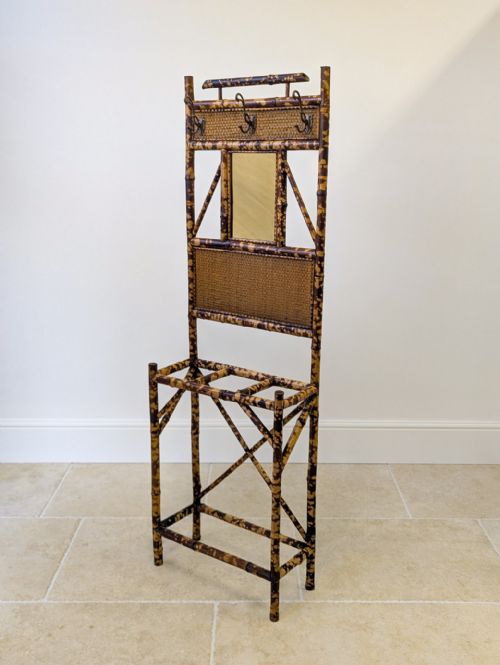
A victorian bamboo coat rack is essentially a hall stand or hallstand designed for hats, coats, and umbrellas in the entrance of a house. Most examples date from the Victorian era around eighteen-ninety, reflecting the height of the Aesthetic Movement and Japonisme influence in interior design.
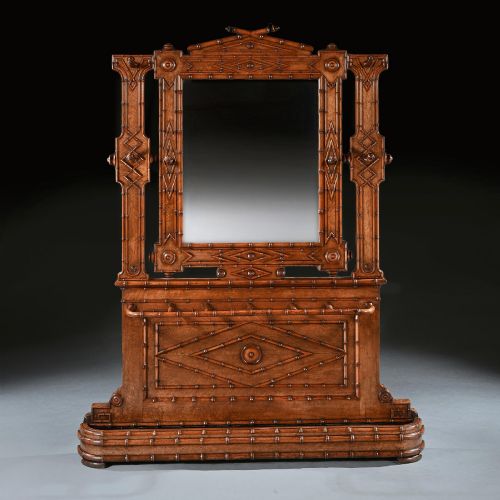
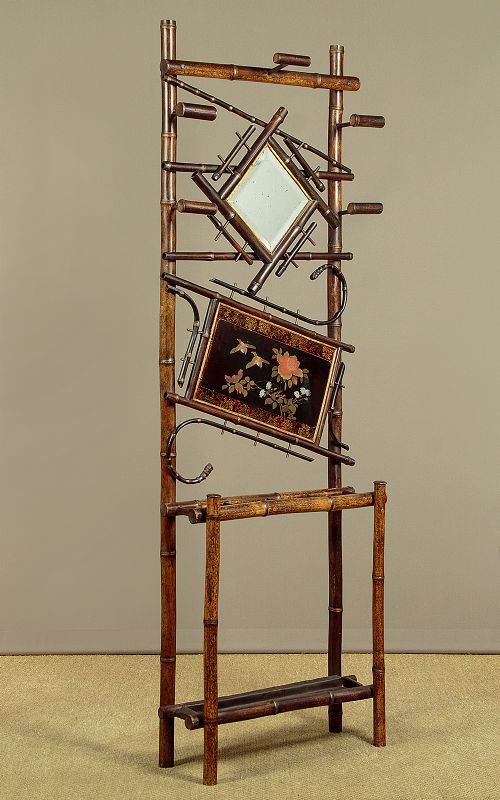
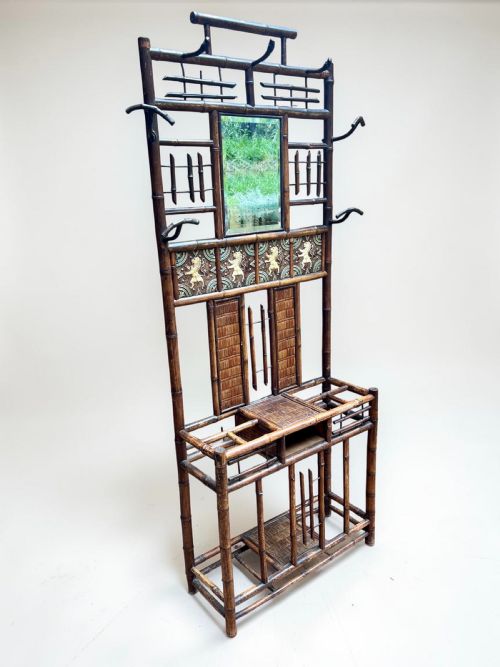
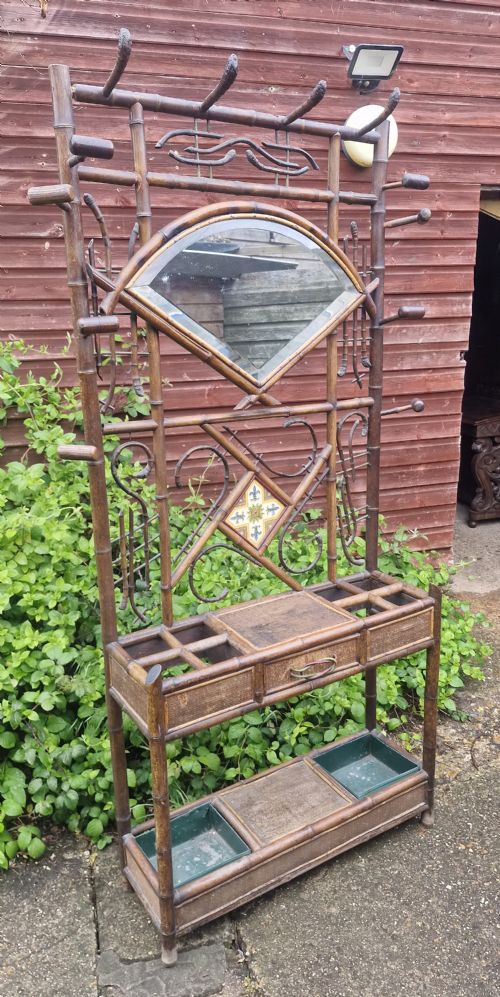
You will most commonly encounter hall stands featuring combinations of natural bamboo or faux bamboo constructed from birdseye maple, often incorporating mirrors, lacquer panels, and ceramic tile accents. These practical pieces served the busy Victorian hallway by providing designated hanging points alongside umbrella storage.
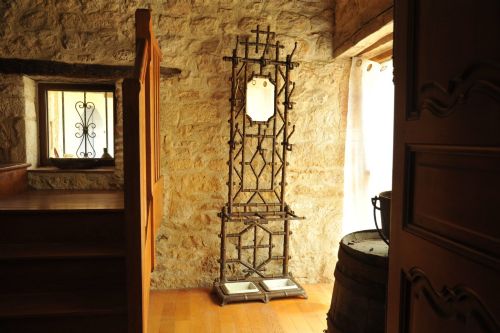
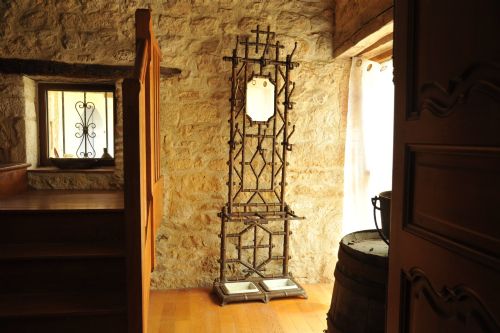
Origins span British Victorian workshops and French nineteenth-century ateliers, producing both delicate natural bamboo frames and sturdy cast iron iterations disguised as bamboo. The forms range from compact hall stands suitable for smaller spaces to larger stands equipped with central mirrors.
How they were made
Natural bamboo stems form the primary lightweight structural framework, shaped and joined to bear the weight of heavy garments and umbrellas. Faux bamboo alternatives utilise turned birdseye maple or durable cast iron painted to mimic the distinct segmented rings of natural bamboo.
Makers integrated decorative elements such as lacquer panels, ceramic tiles, and mirror glass into the framework using traditional joinery and backing methods of the period. Metal hooks for hats and coats were securely fixed to the bamboo uprights or wooden panels to withstand daily household use.
Listings feature items spanning the Victorian era from eighteen-sixty to nineteen-ten, encompassing both British and French origins.
What varies in quality
The sophistication of the secondary materials marks the distinction between standard hall stands and finer examples. Pieces incorporating hand-painted lacquer panels, decorative ceramic tiles, or bevelled mirror glass represent a higher tier of craftsmanship than plain frames.
Structural integrity depends upon the rigidity of the bamboo joints and the quality of the mounting for hooks and umbrella wells. Cast iron versions vary according to the crispness of the bamboo moulding and the stability of the heavier base.
The Victorian Bamboo Coat Rack Glossary
- Aesthetic Movement
- A nineteenth-century design movement that emphasised visual beauty over narrative or moral themes, heavily influencing these bamboo pieces. It drew strong inspiration from Japanese art and culture during the period.
- Faux bamboo
- Wood or metal artificially carved, turned, or painted to imitate the segmented appearance of natural bamboo. This technique provided extra structural strength while maintaining the fashionable exotic aesthetic.
- Hall stand
- A piece of hallway furniture combining coat hooks, a hat shelf, a mirror, and umbrella stands. They were essential furnishings in nineteenth-century entrance halls.
- Japonisme
- The study and influence of Japanese art and aesthetics on Western works during the late nineteenth century. This style is frequently evident in the decorative panels and overall silhouette of these stands.
- Rattan
- A slender, pliable palm stem often utilised alongside bamboo in furniture construction for binding joints or creating woven decorative panels. It offers flexibility and durability.
Victorian Bamboo Coat Rack: Frequently Asked Questions
What is a victorian bamboo coat rack?
A victorian bamboo coat rack is a hallway furniture piece designed to hold coats, hats, and umbrellas, originating from the nineteenth century. These stands combine functional storage with the exotic aesthetic tastes of the Victorian period.
Most feature a vertical framework of natural or faux bamboo, frequently accompanied by mirrors, hooks, and built-in umbrella drip pans. They served as both practical organizers and decorative statements in period entrance halls.
How were they used?
These stands were positioned in entrance halls and vestibules to receive outerwear when entering a home. Guests and residents hung hats and coats on the metal hooks while placing wet umbrellas into the lower wells.
The integrated mirrors allowed individuals to check their appearance before stepping outside, making these pieces the central hub of the Victorian hallway.
How do I live with one?
Living with a bamboo hall stand involves placing it in a well-ventilated hallway where it can be appreciated as a functional sculptural piece. Ensure it stands on an even surface to protect the lightweight bamboo frame from undue twisting.
Keep the piece away from direct heat sources and excessive moisture to preserve the natural bamboo, lacquer panels, and mirror glass. Regular dusting with a dry cloth keeps the complex framework clean.
How do I tell periods apart?
Differentiating periods relies on observing construction methods, decorative motifs, and materials associated with specific decades of the nineteenth century. Pieces from the eighteen-sixties often feature simpler forms, whereas those from eighteen-ninety embrace the full Aesthetic Movement and Japonisme style.
French nineteenth-century examples often utilise cast iron to mimic bamboo, while British Victorian pieces more commonly employ natural bamboo and birdseye maple. Examining the integration of mirrors and tiles helps narrow down the manufacturing era.