

Victorian Art Jewellery
Victorian art jewellery brings together distinctive enamel work, natural pearls and delicate gold settings crafted during the nineteenth century and the Edwardian era.
Victorian Art Jewellery
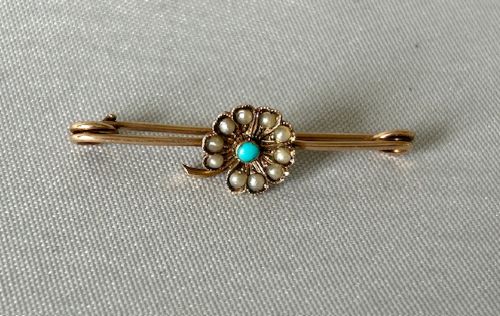
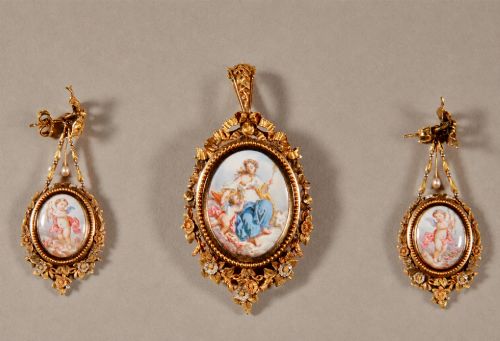
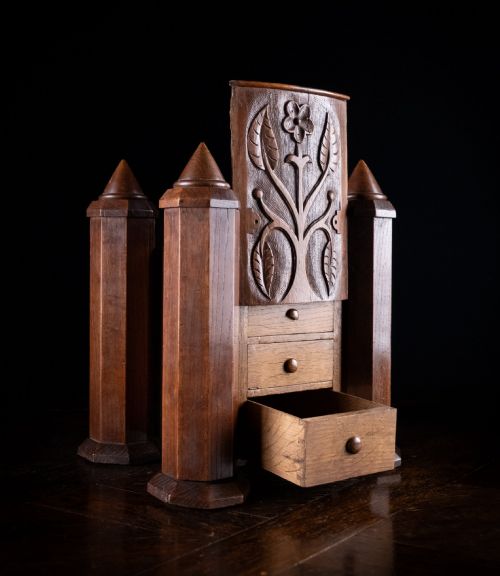
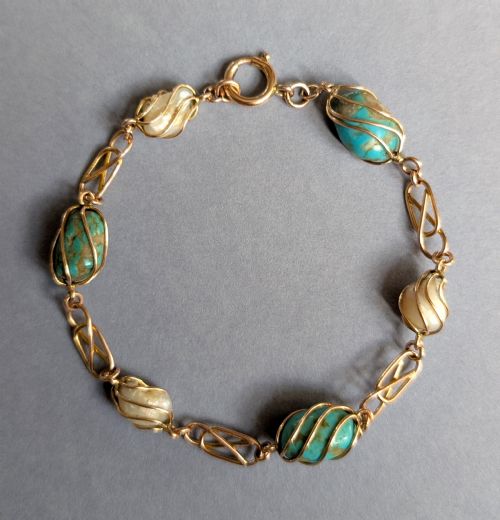
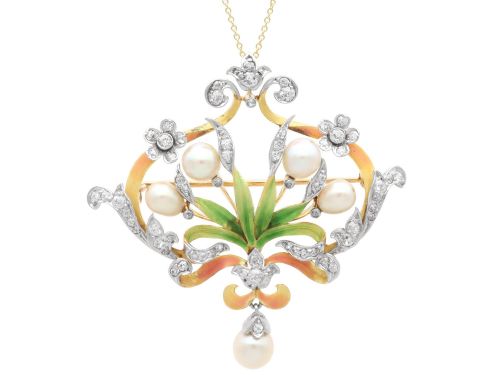
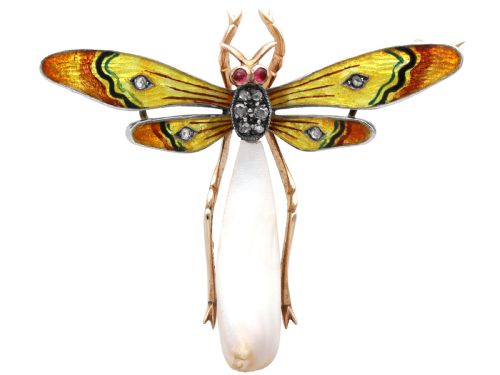
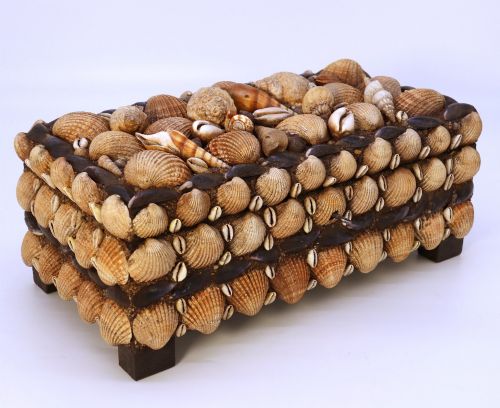
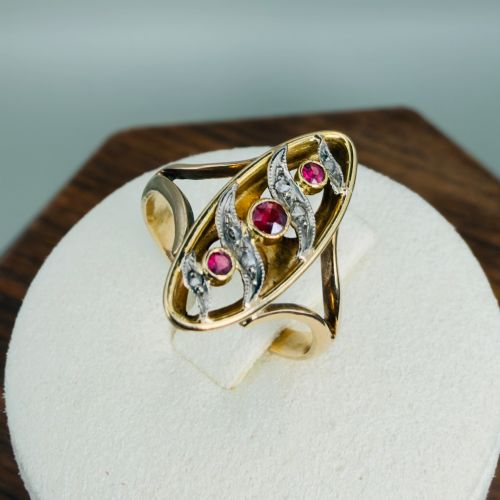
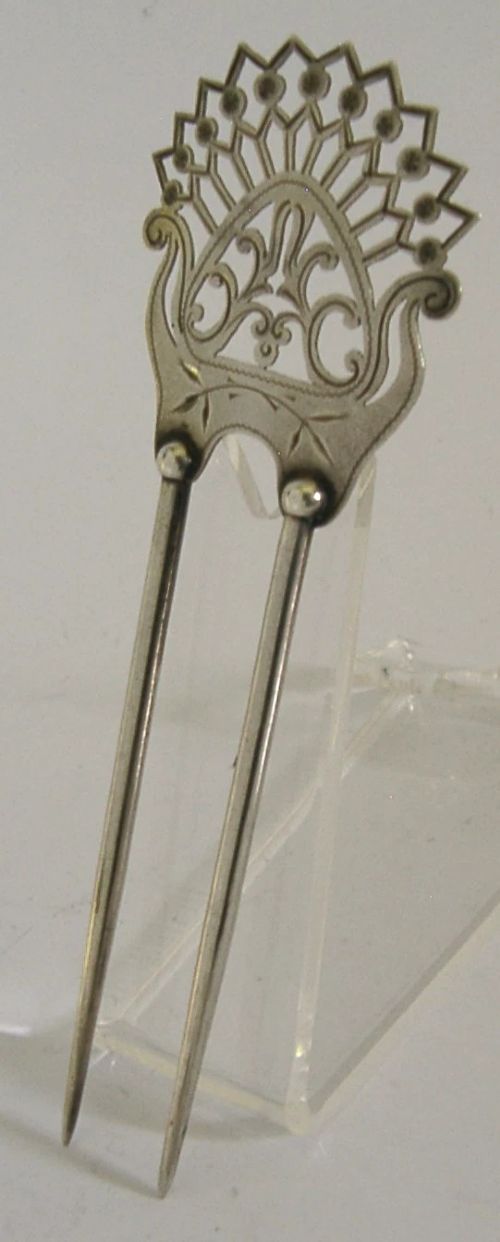
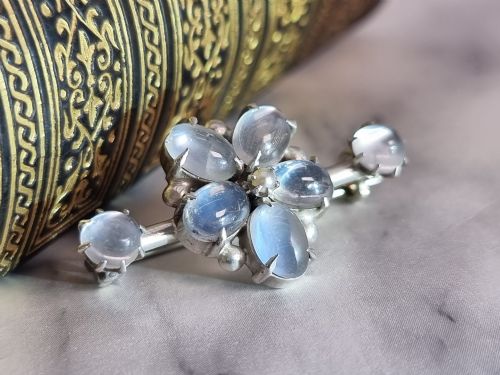
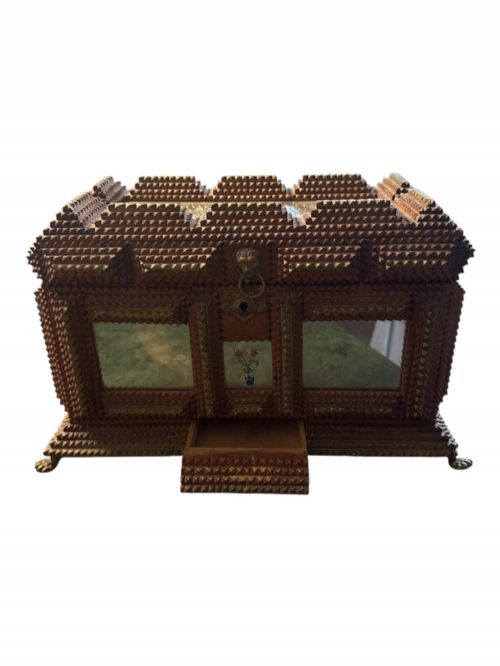
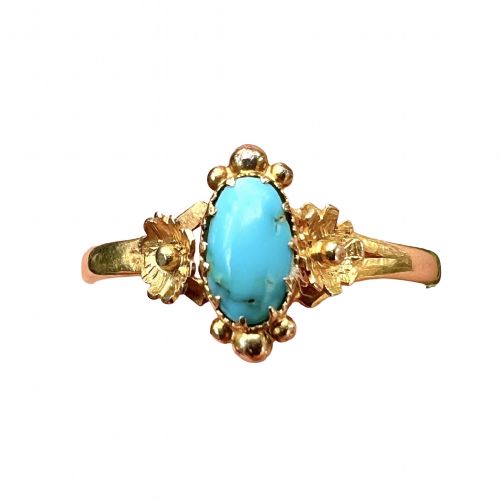
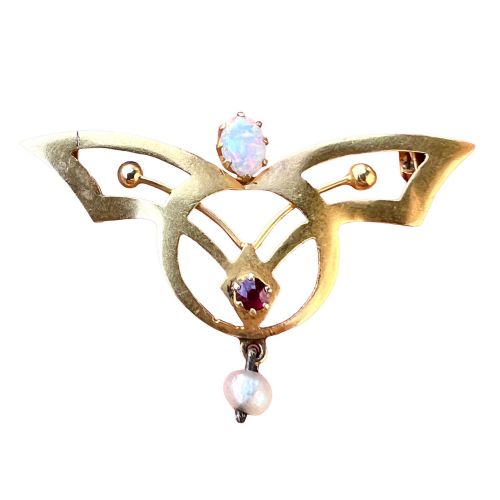
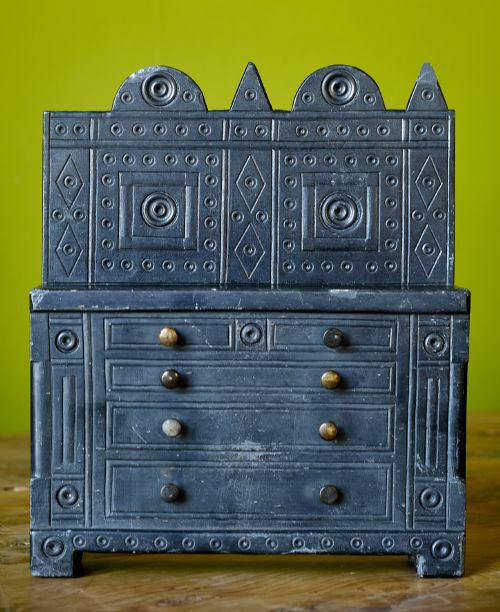
The items most commonly met on this page include brooches and pendants shaped around natural stones, pearls and enamel miniatures. Makers from periods such as the Edwardian era and the late Victorian years utilised gold of various carats alongside silver to form intricate floral, animal and abstract patterns. Alongside personal adornment, the selection extends to small decorative boxes and storage pieces sharing similar stylistic traits.
Materials and construction methods
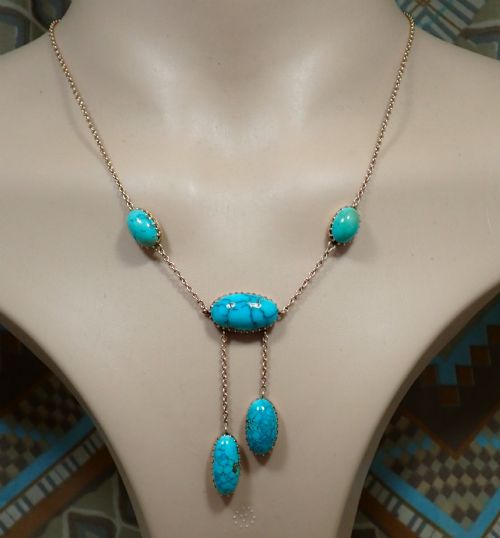
Makers of victorian art jewellery relied primarily on yellow, rose and white gold in carats ranging from nine to eighteen, alongside sterling silver. These metals were shaped by hand to house precious and semi-precious stones including diamonds, turquoise, garnets, opals, rubies and moonstones. Enamel work and porcelain miniature paint work frequently added vivid colour to the metallic settings.
Techniques such as repoussé decoration, delicate filigree and stone setting defined the construction of necklaces, rings and earrings. Artisans combined pearls, seed pearls and natural saltwater pearls with gold wire and sheet metal to build dimensional floral and creature motifs. Wood, copper, brass and carved shell also appeared in related decorative boxes and brooches.
Victorian Art Jewellery Retail Price Guide 2026
Typical asking prices for victorian art jewellery among the pieces listed under this phrase on Sellingantiques today, from the lower quarter to the upper quarter. They describe what is for sale here now, not the wider market.
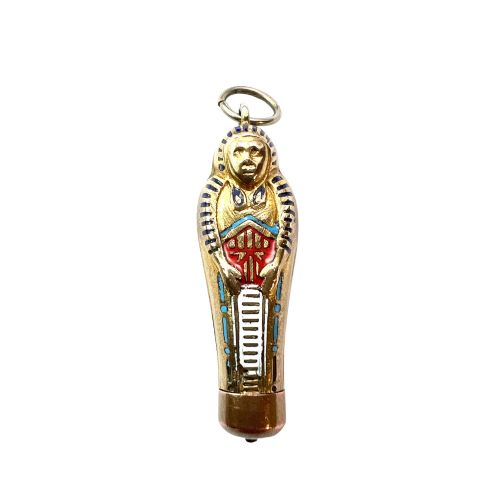
An Egyptian sarcophagus pharaoh propelling pencil pendant offers a surprising flash of ancient drama.
Distinctions in craftsmanship and design
Quality in victorian art jewellery rests upon the precision of the metalwork and the integration of enamel and gemstones. Superior examples demonstrate expert chasing, secure stone placement and harmonious proportions within styles like Art Nouveau or Arts and Crafts. Weaker items display coarse soldering or heavy-handed casting that obscures the finer details of the design.
The choice of materials further defines the tier of a piece, with natural saltwater pearls, well-matched diamonds and intricate hand-painted enamel miniatures elevating the status of a brooch or pendant. Lesser pieces utilise paste stones or simpler stamped components without the individual attention of a skilled workshop.
Murrle Bennet·Knoll & Pregizer·Gustav Gaudernack·H H Curtis
The Victorian Art Jewellery Glossary
- Parure
- A matched set of jewellery designed to be worn together, typically including a necklace, earrings and a brooch. Such suites were popular formal accessories during the nineteenth century.
- Navette
- A boat-shaped gemstone setting or ring face that tapers to points at both ends. This silhouette flatters the hand and maximises visual spread.
- Repoussé
- A metalworking technique where the artisan hammers the design from the reverse side to form a raised relief on the front. It is commonly found on copper and silver boxes and frames.
- Dormeuse
- A style of earring designed to be comfortable enough to wear while sleeping. They often feature secure lever-back or screw-back fastenings.
- Lavalier
- A pendant necklace featuring a central drop stone or ornament suspended from a finer chain. This form gained widespread popularity during the late nineteenth and early twentieth centuries.
Victorian Art Jewellery: Frequently Asked Questions
What defines victorian art jewellery?
Victorian art jewellery encompasses wearable pieces created during the nineteenth and early twentieth centuries that reflect artistic movements like Art Nouveau and Arts and Crafts.
These items rely on materials such as gold, silver, enamel, pearls and gemstones shaped into naturalistic and abstract motifs.
How do I care for antique gold jewellery?
Antique gold and gemstone items require gentle handling, storage away from harder metals, and cleaning with a soft cloth rather than harsh chemical dips.
Pearls and softer stones like opals are particularly sensitive to moisture and cosmetics, needing careful maintenance to preserve their surfaces.
Can I wear these antique brooches daily?
Many brooches and pendants from this era remain robust enough for regular wear when handled with reasonable care during fastening and removal.
Fragile elements such as delicate enamel work or seed pearls benefit from more occasional placement on sturdier garments.