
Victorian Brooches
These victorian antique brooches are wearable miniature works of art crafted in gold, silver, and micro mosaic, prized for their intricate period details.
Victorian Brooches
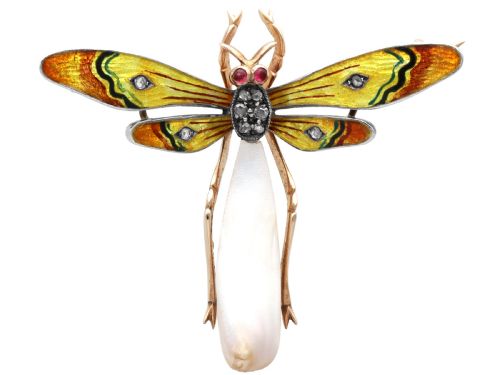
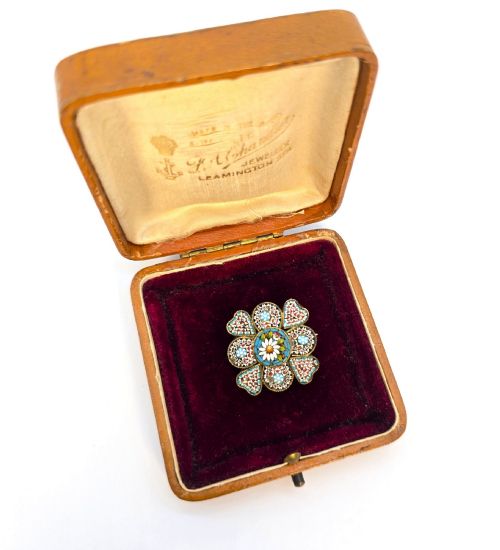
When searching for victorian antique brooches, buyers encounter a diverse array of ornamental fastenings created during the nineteenth century and adjacent decades. The selection encompasses floral sprays, symbolic hearts, mourning pieces, and regional Scottish pebble designs.
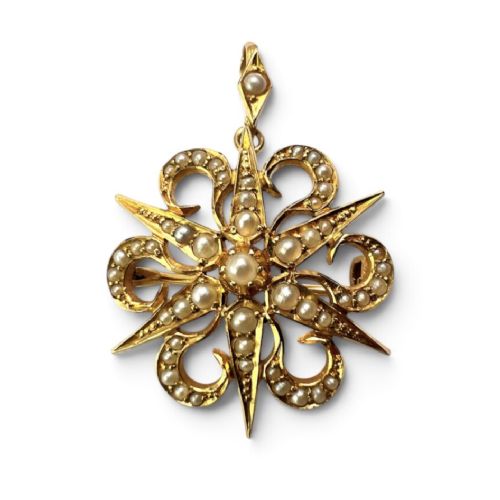
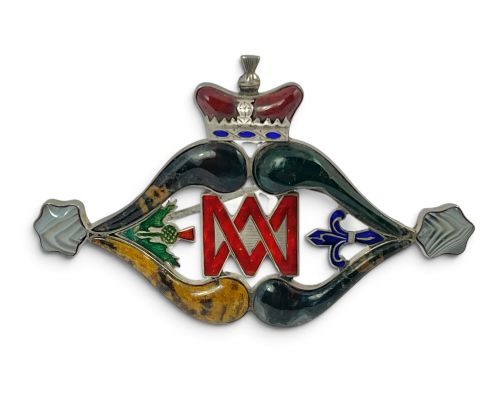
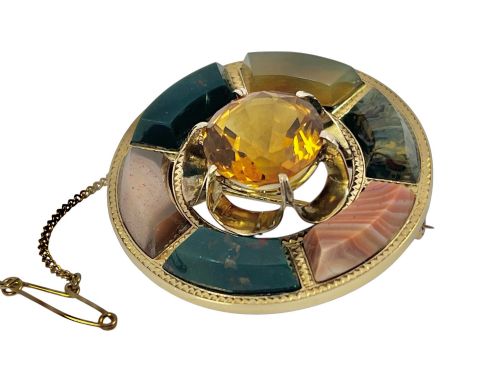
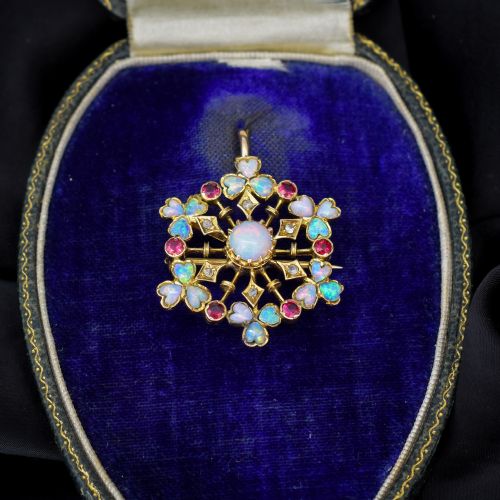
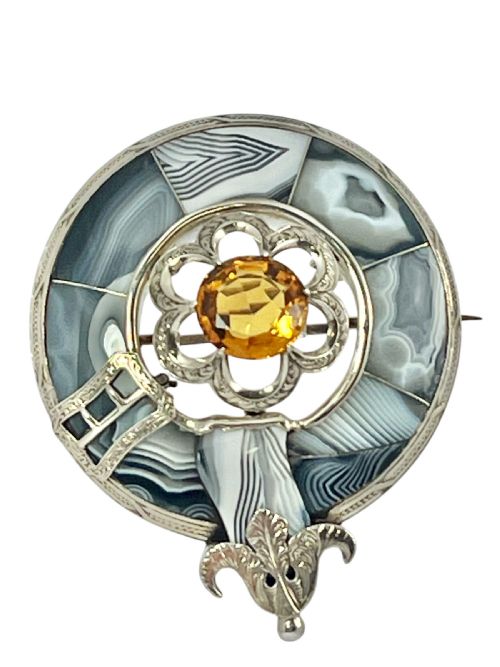
The most common versions met on this page include high-carat gold bar brooches set with seed pearls and garnets, alongside silver Scottish items featuring banded agates and citrines. Many of these pieces also incorporate pendant loops, allowing them to suspend from chains as well as pin to garments.
Materials and Techniques
Goldsmiths of the era utilised 15ct and 9ct gold alongside sterling silver to form the structural mounts and settings for gemstones. Stones such as almandine garnets, opals, diamonds, and turquoise were hand-cut and secured using traditional claw or bezel techniques.
Specialised decorative methods define the period, including detailed micro mosaic tesserae depicting classical scenes, hand-carved shell and hardstone cameos, and intricate foil-backed topaz. Regional workshops also shaped hardstones into polished pebble jewellery mounted in silver.
Listings span the early Victorian era through the Edwardian period, featuring metals from silver to 18ct gold set with garnets, seed pearls, and agates.
Indicators of Excellence
The distinction between standard examples and the finest items rests upon the precision of the hand-carving and the matching of the stones. In micro mosaics and cameos, the density and exactness of the tiny tesserae or the relief depth of the carving determine the artistic merit.
The integrity of the original metalwork, including granulation, wirework, and secure pin fittings, contributes significantly to the standing of a piece. Better examples retain their original components without modern replacements or structural compromises.
The Victorian Brooches Glossary
- Micro mosaic
- A technique utilising tiny glass pieces called tesserae to form pictorial scenes. These miniature artworks often depict Italian architectural landmarks.
- Seed pearl
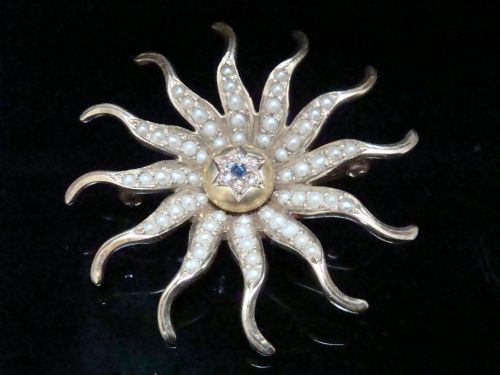
- Very small natural pearls drilled and threaded onto fine silk or wire. They are frequently clustered in floral or starburst patterns during the period.
- Mourning brooch
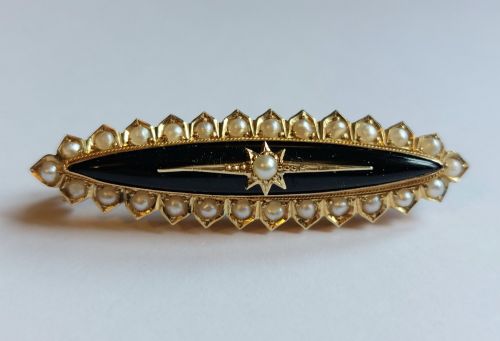
- Memorial jewellery containing hair work, jet, or onyx to commemorate a deceased person. They often feature inscribed reverse compartments.
- Agate
- A variety of chalcedony displaying distinct natural banding or colours. Scottish pebble brooches make extensive use of these varied stones.
- Crescent brooch
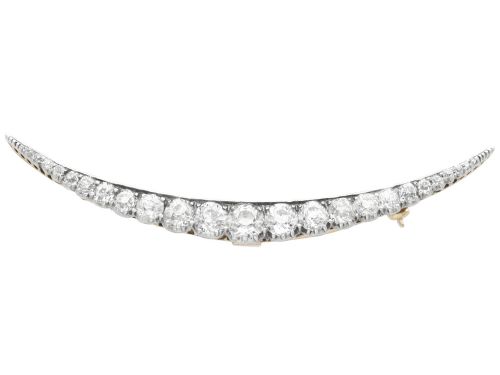
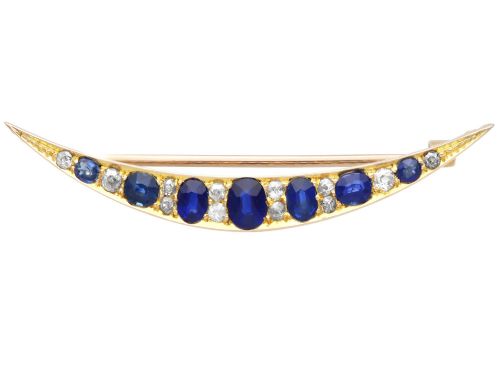
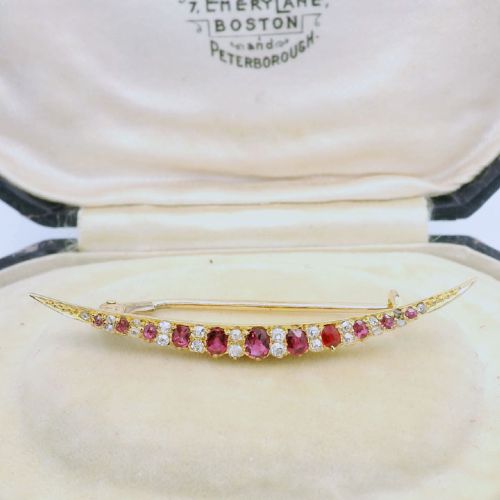
- An ornament shaped in the form of a crescent moon. These were popular mounts for graduated diamonds and coloured gemstones.
- Collet setting
- A metal collar that wraps entirely around the edge of a gemstone to hold it in place. This traditional mounting style secures flat-cut or cabochon stones.
Victorian Brooches: Frequently Asked Questions
How do I wear an antique brooch safely?
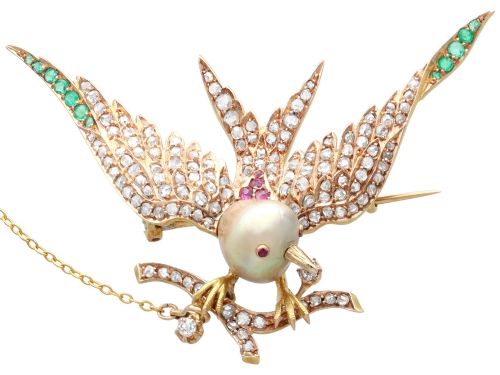
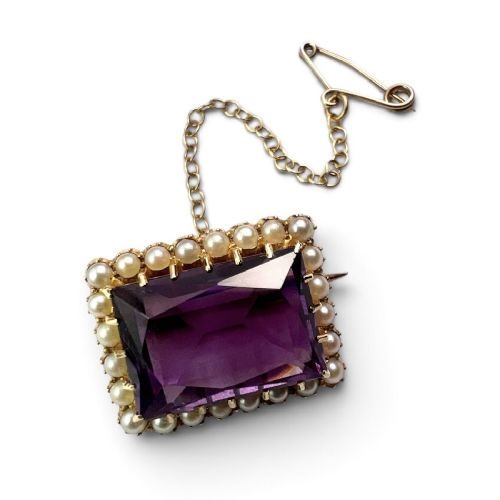
Secure the pin firmly through a sturdy weave of fabric rather than delicate silks to prevent pulling. Utilising a protective safety chain or pin guard provides extra security during daily wear.
Heavier items benefit from placement on heavy coats, structured jackets, or thick knitwear where the weight distributes evenly across the material.
What is a Scottish pebble brooch?
These pieces originated in Victorian Scotland, often taking the form of dirks, shields, or crosses made from local silver. They showcase polished native stones like jasper and bloodstone.
Queen Victoria popularised this regional style through her love of Balmoral, leading to widespread production of these distinctive Highland-inspired designs.
How do I identify a mourning brooch?
Mourning jewellery frequently incorporates dark materials such as black onyx, bog oak, or jet alongside woven human hair beneath glass panels. Their inscriptions and solemn motifs commemorate deceased loved ones.
Not all dark jewellery serves this purpose, but pieces featuring specific memorial dates, initials, or locket backs designed for hair usually fall into this category.
Can these brooches also be worn as pendants?
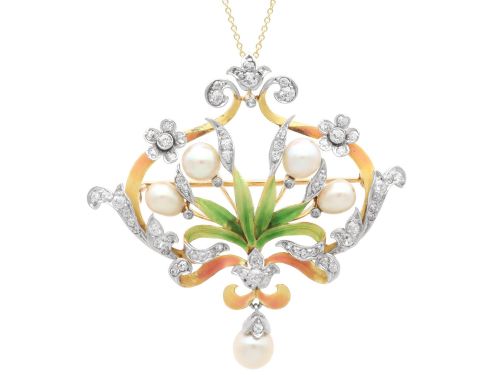
Many period pieces feature hidden hinged loops or fixed rings on the reverse designed specifically for chains. This dual functionality allowed Victorians to pin them to garments or suspend them from necklaces.
Examining the back of the mounting reveals whether a loop is present, transforming a standard clothing pin into a versatile neck ornament.