

Victorian Animal Ornaments
Victorian animal ornaments bring domestic charm and natural history into the room through bronze, earthenware, porcelain and carved wood.
Victorian Animal Ornaments
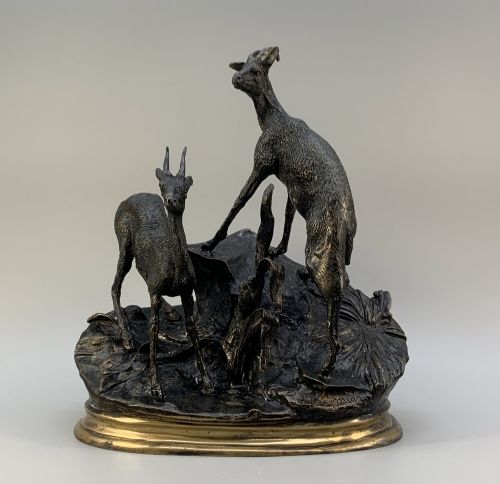
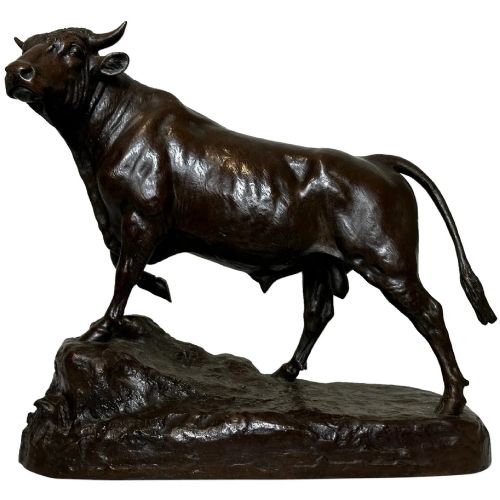
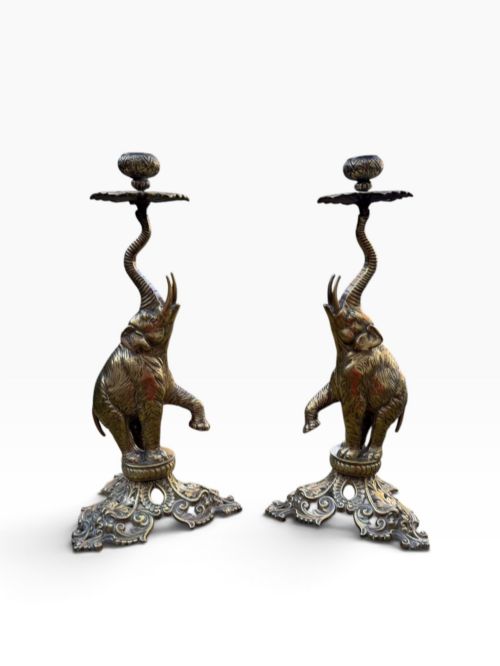
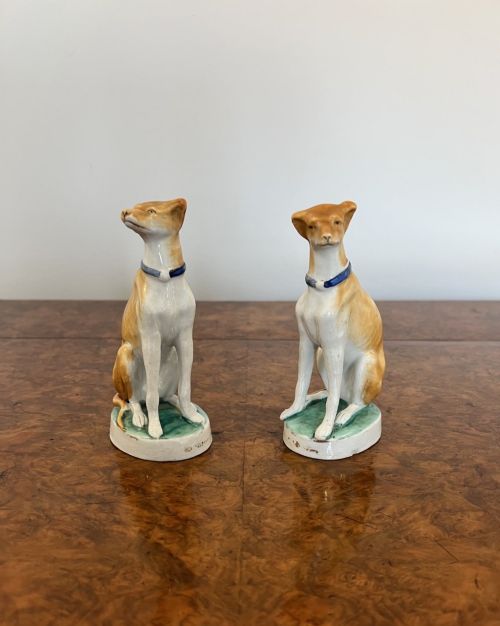
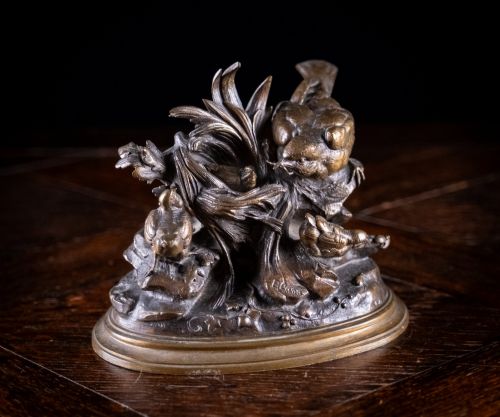
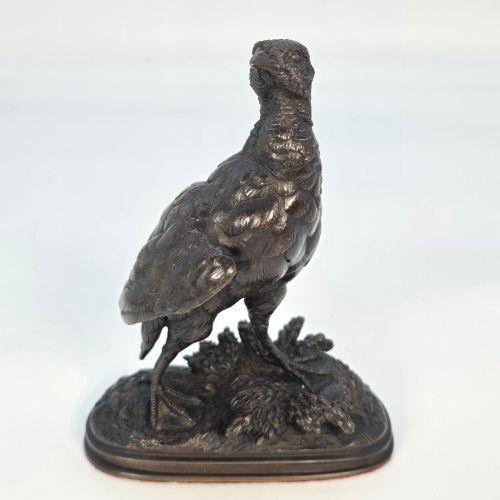
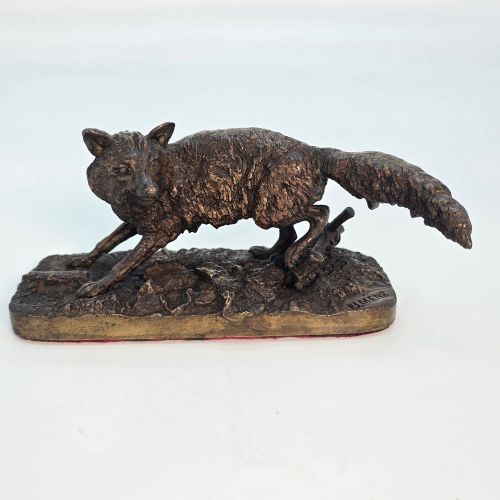
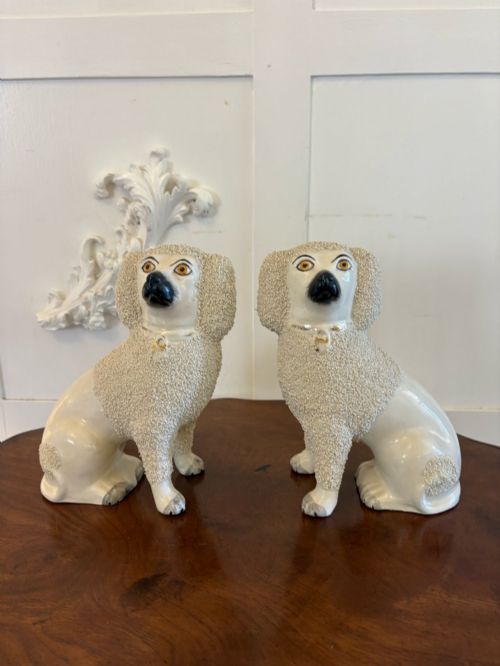
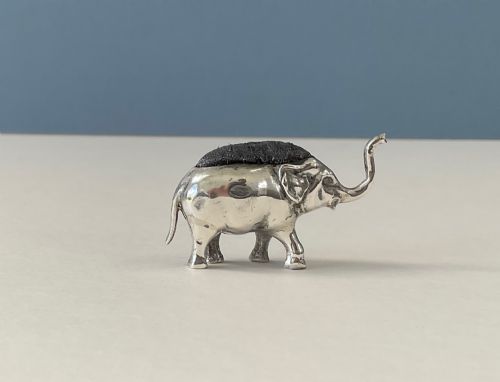
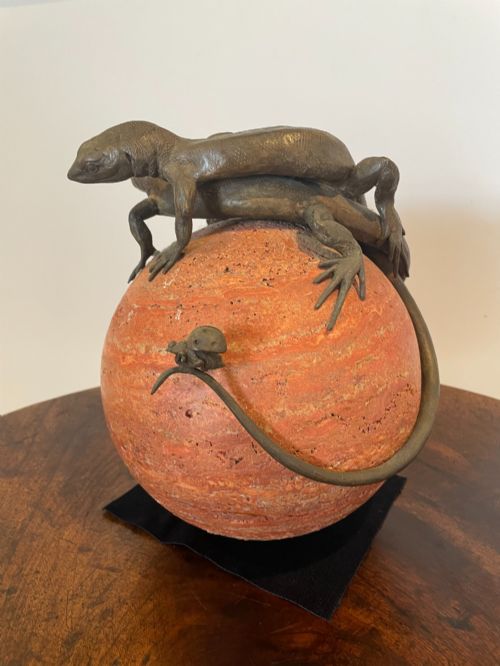
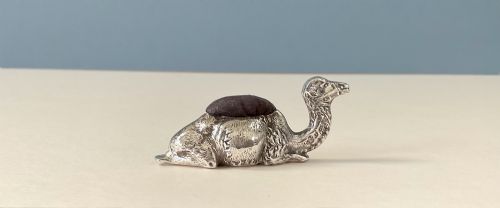
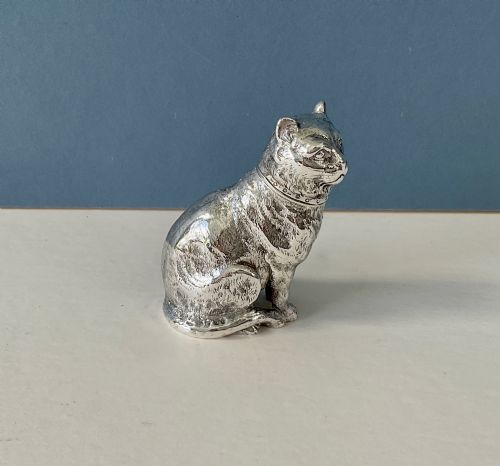
Victorian animal ornaments encompass a diverse array of sculptural forms depicting domestic pets, native wildlife and exotic creatures, mirroring the period's fascination with the natural world. Buyers searching for victorian animal ornaments encounter everything from practical desk accessories like inkwells and pin cushions to decorative mantle figures, spill vases and bookends. The most prevalent versions on this page are earthenware Staffordshire pottery dogs and lions, alongside detailed bronze studies and carved wooden Black Forest figures.
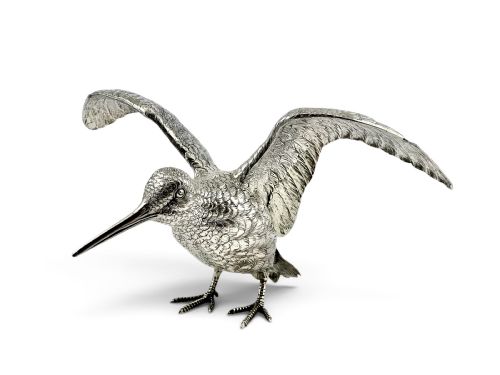
The stylistic scope ranges from naturalistic French Animalier bronzes to folk art ceramics and whimsical novelty pieces in silver and terracotta. Makers used these subjects to decorate parlours and studies, capturing real animals with varying degrees of anatomical precision and ornamental flourish. Groupings of poodles, recumbent lions, bears and birds dominate the forms, reflecting the Victorian appetite for both sentimental pets and exotic specimens.
What varies in quality
The distinction between ordinary and superior pieces rests upon anatomical fidelity, the crispness of surface detail and the quality of the finish. In bronzes and carved wood, excellence reveals itself in the lifelike tension of muscle and bone rather than generic shaping.
For ceramics and pottery, quality depends on the sharpness of the mould impression, the subtlety of hand-painting on eyes and coats, and the evenness of the glaze application. Master modellers achieved character and expression that lesser workshops missed.
Victorian Animal Ornaments Retail Price Guide 2026
Typical asking prices for victorian animal ornaments among the pieces listed under this phrase on Sellingantiques today, from the lower quarter to the upper quarter. They describe what is for sale here now, not the wider market.
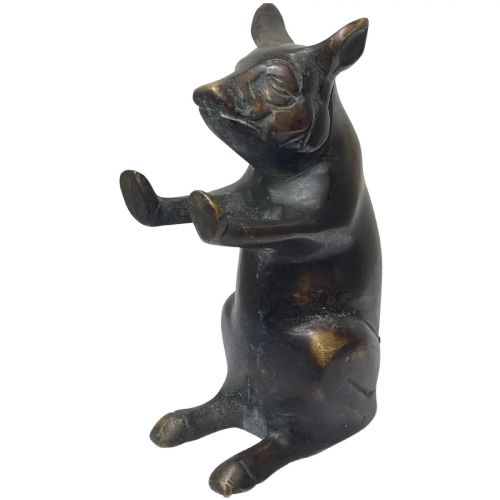
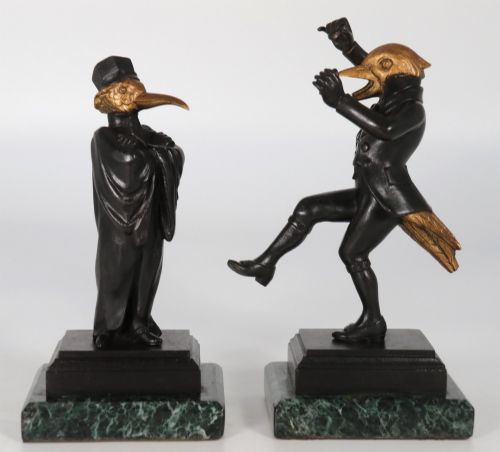
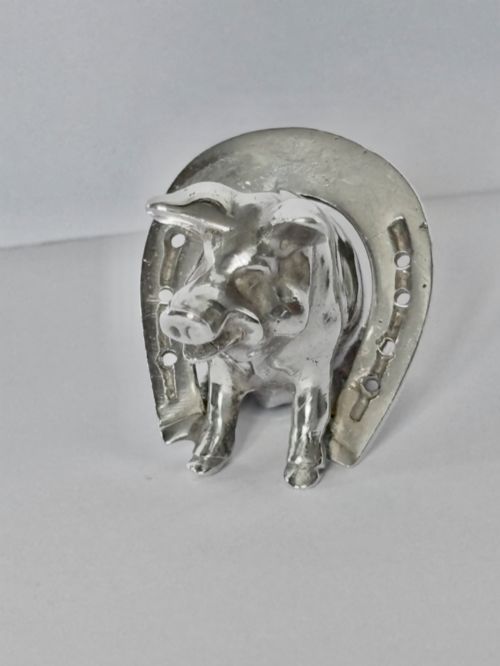
Victorian households loved novelty, placing silver pigs with horseshoes and winking pugs on desks to hold pins or light candles.
Berthold Muller·Ferdinand Pautrot·Pierre-Jules Mêne·Louis Emile Cana·Antoine Louis Barye
The Victorian Animal Ornaments Glossary
- Animalier
- A nineteenth-century movement dedicated to the realistic sculpture of animals. Practitioners focused on anatomy, movement and wildlife behaviour.
- Spill vase
- A hollow ceramic or wooden vessel designed to hold taper spills for lighting candles and pipes. They often take the form of tree trunks beside figures.
- Staffordshire pottery
- Earthenware produced in the potteries of Staffordshire, England. Figures from this region frequently depict dogs, lions and historical subjects.
- Cold-painted bronze
- Bronze sculpture painted with oil-based colours that are not subjected to kiln firing. This technique was widely utilised by Austrian foundries.
- Treacle glaze
- A dark, translucent brown lead glaze applied over earthenware. It yields a rich, glossy finish common on nineteenth-century ceramic lions and dogs.
Victorian Animal Ornaments: Frequently Asked Questions
How do I clean antique animal bronzes?
Dust gently with a soft, dry brush to prevent dirt accumulation in crevices and chased details. Avoid water, abrasive cloths and modern chemical polishes that strip original patination.
Apply a microcrystalline wax sparingly if the surface appears dry, buffing lightly with a clean cloth. Proper maintenance preserves the historic bronze skin developed over generations.
Were these Staffordshire dogs made in pairs?
Potters frequently produced Staffordshire figures as symmetrical pairs to sit on either side of a fireplace or mantelpiece. Each dog faces inward toward the other, a traditional arrangement for interior display.
Single figures also exist due to accidental separation over time, though matched pairs remain particularly sought after by collectors.
How do I tell earthenware from porcelain?
Earthenware is an opaque, porous ceramic body fired at lower temperatures and typically finished with a lead glaze or enamel. Porcelain is vitrified, denser and harder, often showing translucency when held to the light.
Staffordshire pieces are predominantly earthenware, whereas Meissen and German factories specialised in fine porcelain figures.