

Victorian Albert Chain Fob
A victorian albert chain fob brings traditional pocket watch hardware into modern wear, offering intricate links and dangling pendants that anchor historical dress.
Victorian Albert Chain Fob
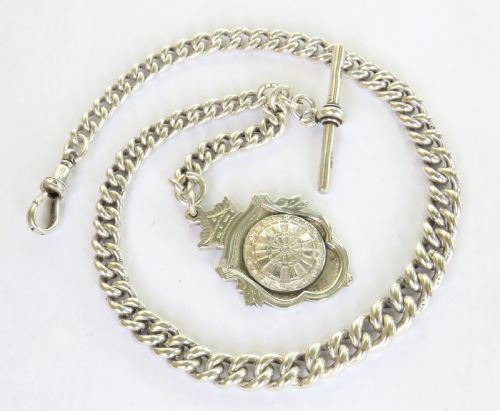
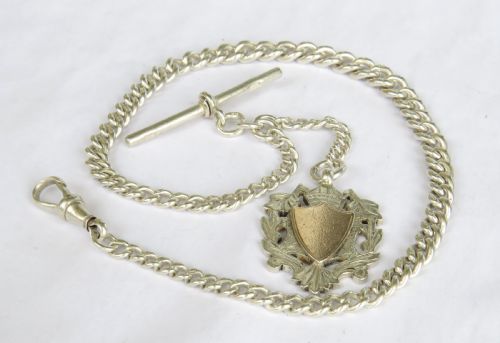
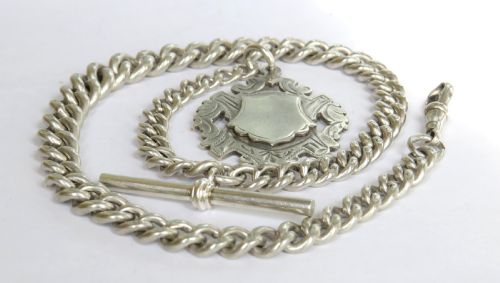
A victorian albert chain fob combines functional watch security with decorative metalwork, spanning periods from the late nineteenth century into the early twentieth century. Buyers seeking these items will find both single and double chain configurations alongside matching pendants.
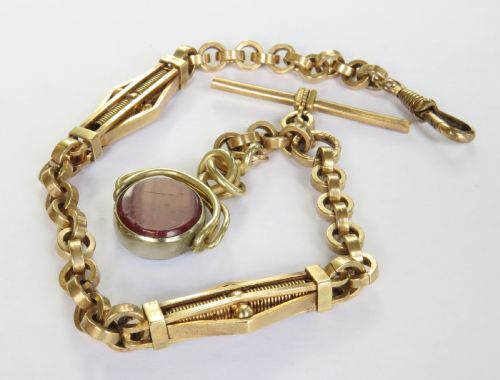
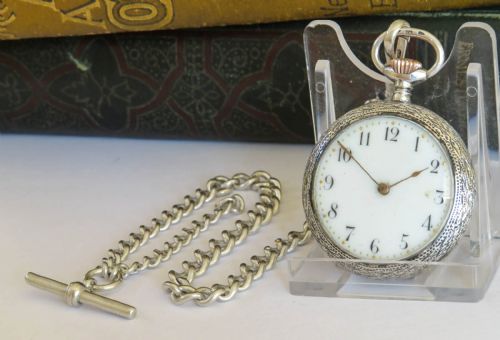
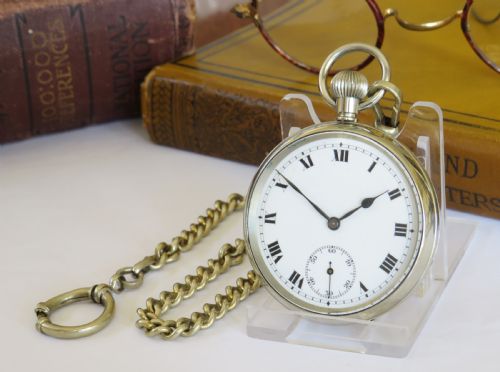
The pieces on this page range from solid silver and gold to rolled gold variants, often incorporating swivel clips, T-bars, and dangling elements. Forms extend from standard pocket watch chains to adapted necklaces and bracelets.
Origins stretch across Victorian, Edwardian, and later twentieth-century production, maintaining the classic link structures originally designed for waistcoat attachment. These items bridge utilitarian timekeeping history and decorative ornamentation.
Materials and construction techniques
Metals form the core of construction, utilising sterling silver, hallmarked silver, rolled gold, and varying purities of yellow and rose gold such as nine carat and eighteen carat. Enamel and gemstone accents frequently augment the primary metal structure.
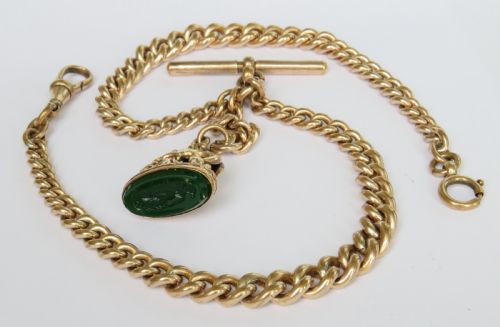
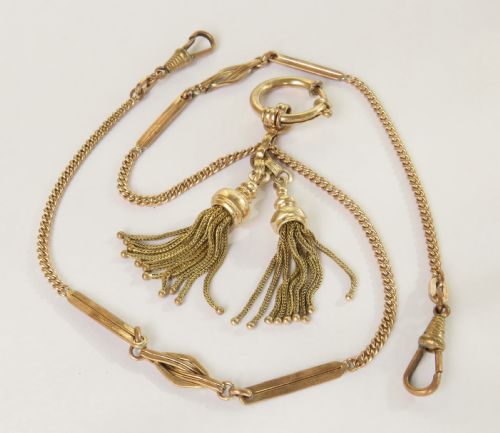
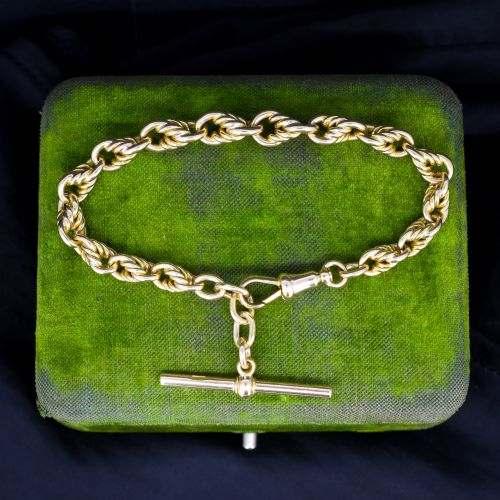
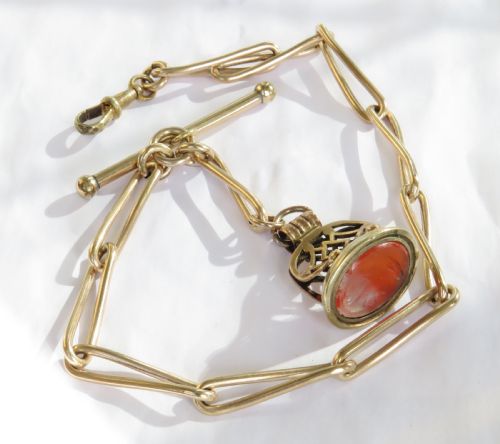
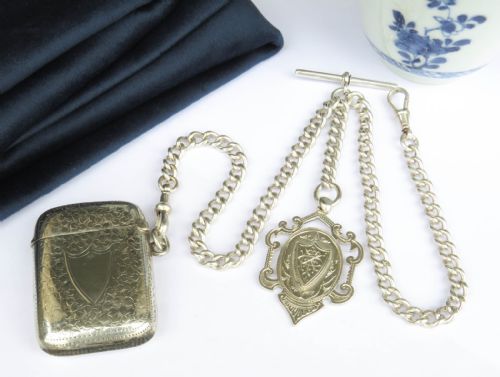
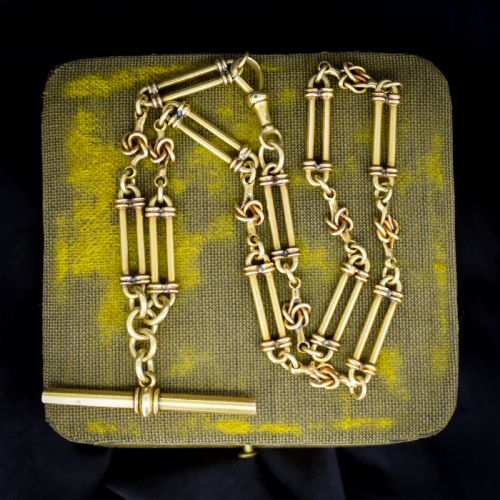
Link assembly relies on traditional techniques, incorporating curb links, trombone links, and love knots joined to dog clips and T-bars. Decorative pendants and fobs often feature intaglios, bloodstone panels, or tassel details suspended from the main chain.
Victorian Albert Chain Fob Retail Price Guide 2026
Typical asking prices for victorian albert chain fob among the pieces listed under this phrase on Sellingantiques today, from the lower quarter to the upper quarter. They describe what is for sale here now, not the wider market.
Materials across the inventory range from nine carat rose gold to eighteen carat yellow gold and enamel.
Distinctions in quality and execution
Quality separates through the heft of the metal and the precision of the link construction, distinguishing heavy-gauge pieces from lighter alternatives. Solid gold and hallmarked silver examples demonstrate superior material integrity compared to rolled gold counterparts.
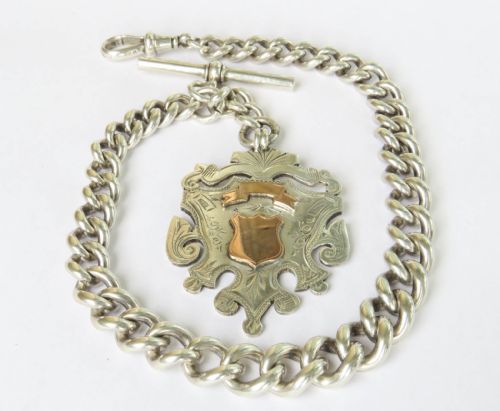
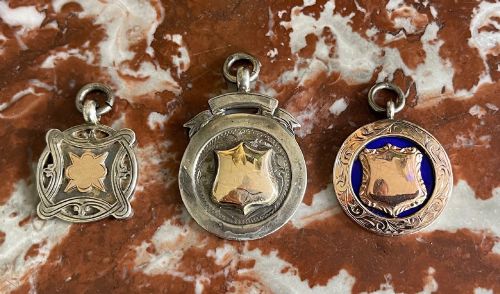
The refinement of the accompanying fob, whether a cricket medallion, bloodstone swivel, or intricately chased vesta, dictates the overall desirability of the piece. Intact original components like T-bars and dog clips maintain the structural harmony established by the maker.
The Victorian Albert Chain Fob Glossary
- T-bar
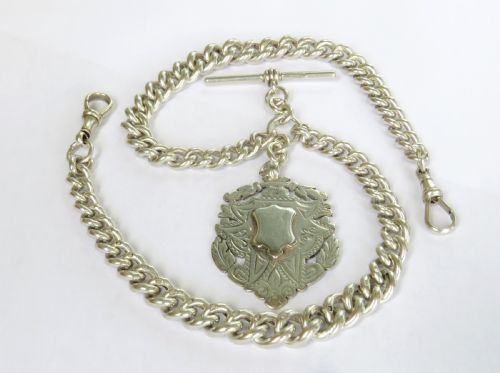
- The crossbar component attached to the centre of an albert chain. This bar passes through a buttonhole to secure the chain safely to a garment.
- Fob
- A small ornamental pendant attached to a watch chain. These often incorporate hardstones, crests, or commemorative engravings.
- Vesta
- A small pocket container designed for holding matches. They frequently accompany watch chains as matching accessories on the same suspension ring.
- Albertina
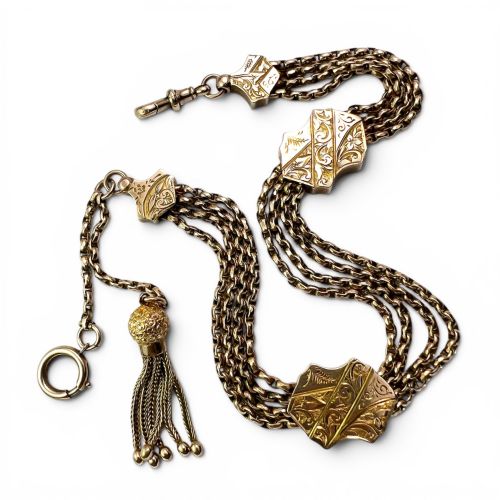
- A delicate variation of the standard albert chain, often multi-stranded. These finer pieces were frequently worn as bracelets or necklaces.
Victorian Albert Chain Fob: Frequently Asked Questions
How do you wear a pocket watch chain today?
These chains adapt easily as necklaces, chokers, or wrap bracelets depending on their length and weight. The original T-bar and dog clips can be fastened to clothing loops or linked directly into the chain structure.
Heavier sterling silver and gold variants provide a bold statement piece when worn around the neck. Lighter albertina variations suit wrist wear, mimicking the drape of traditional bracelets.
What is the difference between a single and double albert chain?
A single albert chain runs from a single buttonhole to the pocket containing the watch, often featuring a drop fob in the middle. A double albert chain loops through two buttonholes, with the watch on one side and a fob or pendant hanging centrally.
Double chains offer a heavier, more symmetrical appearance across the front of a garment. Single chains provide a simpler line with less bulk.
What are the common metals found in these chains?
The primary metals include sterling silver, hallmarked silver, nine carat rose gold, nine carat yellow gold, and eighteen carat gold. Rolled gold versions provide a gold exterior over a base metal core for greater affordability.
Silver examples often carry clear assay office hallmarks indicating their town and year of origin. Gold variations display specific carat stamps denoting their purity.
What types of fobs hang from these chains?
Fobs take many forms, including swivel stones featuring bloodstone or carnelian, intaglios, commemorative sports medallions, and coin pendants. Some pieces feature tassel attachments or sovereign holders.
These decorative drops add weight and visual interest to the centre of the chain. They often reflect the personal interests or milestones of the original owner.