


Victorian Agricultural Painting
A victorian agricultural painting captures the labour, livestock and harvests of the countryside with nineteenth-century realism.
Victorian Agricultural Painting
A victorian agricultural painting focuses on rural life, depicting prize livestock, farmyard scenes and field labour. These works document the rural economy and agrarian traditions of the nineteenth century.
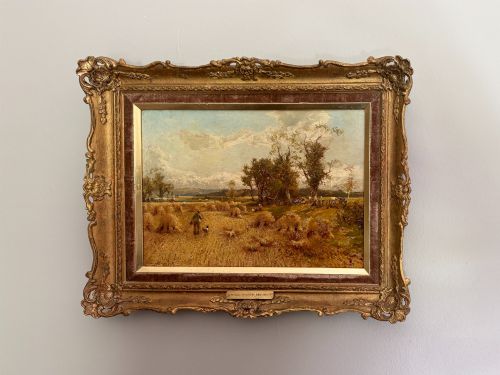
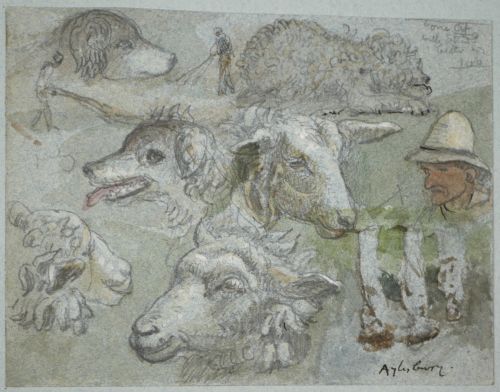
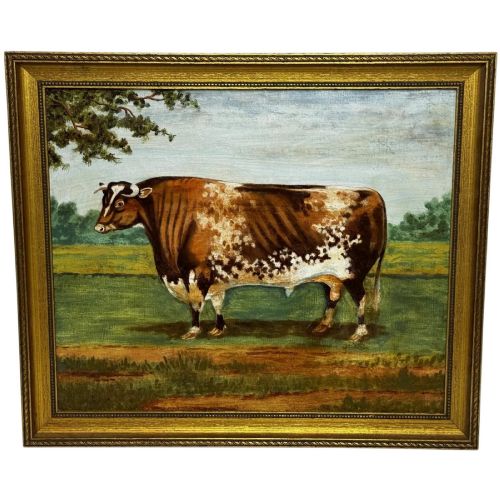
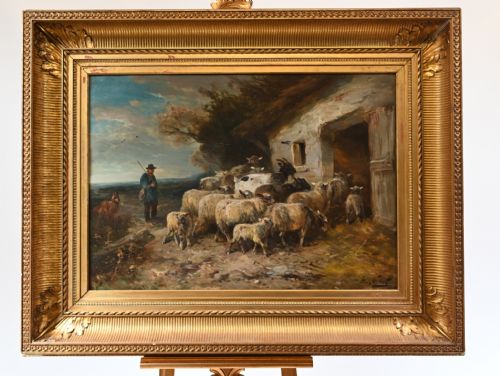
Buyers encounter oil paintings on canvas alongside watercolours on paper. Subjects range from individual shorthorn bulls and shire horses to harvest scenes with farmworkers.
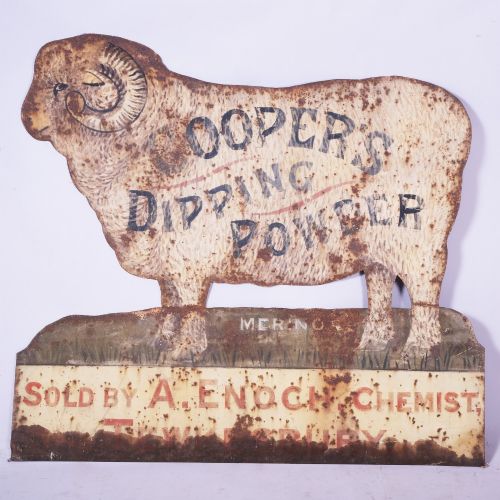
Works originate from British and continental artists working within realism, pastoral and genre traditions. Alongside fine art canvases, the category includes painted pine merchant chests and tin advertising signs.
Materials and Techniques
Artists painted primarily in oil on canvas or applied watercolour to paper, supported by wooden stretcher frames. Pigments were worked with oil paint or watercolour mediums, occasionally highlighted with gesso on related decorative pieces.
Canvases display varied brushwork from the detailed realism of animal portraits to the looser execution of British Impressionism. Sign-written merchant items utilise painted pine boards with lettering applied directly to the wood.
Sheep dips and prize bulls share wall space with cart-horses, proving the nineteenth-century agricultural office had remarkable artistic standards.
Assessing Quality
Quality rests upon anatomical precision in animal subjects and the natural rendering of light across pastoral landscapes. Master hands capture the weight and posture of working horses and cattle with anatomical exactness.
Compositional balance and atmospheric depth separate accomplished academy works from naive or follower pieces. The handling of paint, from tight brushwork in prize bull portraits to expressive skies in harvest scenes, dictates the tier of the piece.
James Smetham·Henry Schouten·Johannes de Haas·A M Gauci·James Kyd·James William Booth·Henry Bailey·Percival Glenfern·Thomas Sidney Cooper·Arthur Charles Dodd·Joseph Kirkpatrick·Joseph Paulman·J L VAN Leemputten·Frederick William Jackson·W E Millner·Arthur Claude Strachan·Walter Duncan·George Cole·William Greaves·W. A. Clark·William Huggins·William Sidney Cooper·Louis Marie Dominique Robbe·Frederick J Haycock·Charles James Adams
The Victorian Agricultural Painting Glossary
- Victorian Realism
- An artistic movement focusing on everyday subjects rendered without idealisation. This style defines many rural scenes depicting farmworkers and livestock.
- Genre Painting
- The pictorial representation of scenes from ordinary life. These works show agricultural labourers, plough teams and farmyards in daily routines.
- Gesso
- A plaster-like mixture applied as a base for paint or gilding. It provides a smooth surface on wooden objects and frames.
- Watercolour Painting
- Pigments suspended in a water-based solution applied to paper. This medium produces translucent washes often seen in landscape and harvest studies.
Victorian Agricultural Painting: Frequently Asked Questions
What subjects appear in these paintings?
Paintings show prized shorthorn bulls, Hereford cows, sheep flocks and shire horses at work. Farmyard scenes, haymaking and plough teams complete the rural subject matter.
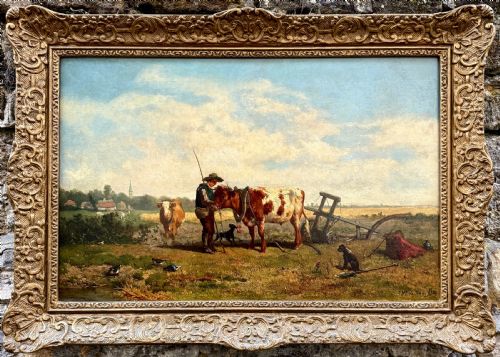
Human figures include ploughmen, harvesters and young girls tending calves within British and continental landscapes.
How do oil and watercolour works differ?
Oil paintings utilise oil on canvas to achieve depth, rich texture and luminous light effects suitable for grand animal portraits. Watercolours on paper offer lighter, transparent washes favoured for landscape studies and atmospheric weather.
Oils typically require heavier wooden framing while watercolours need glass protection.
How do I date a nineteenth-century pastoral painting?
Dating relies on artist signatures, exhibition records and stylistic markers within the nineteenth-century realism and pastoral movements. Canvas stamps, stretcher construction and framing styles offer further chronological clues.
Clothing styles of farmworkers and agricultural implements depicted also help narrow the active period.
Where were these rural scenes painted?
Artists recorded scenes across British farming counties such as Essex, alongside continental locations in Belgium. Works often capture specific regional landscapes and agricultural practices.
Views range from enclosed farmyards and stables to open fields during harvest.