




Victorian Aesthetic Lamp Stand
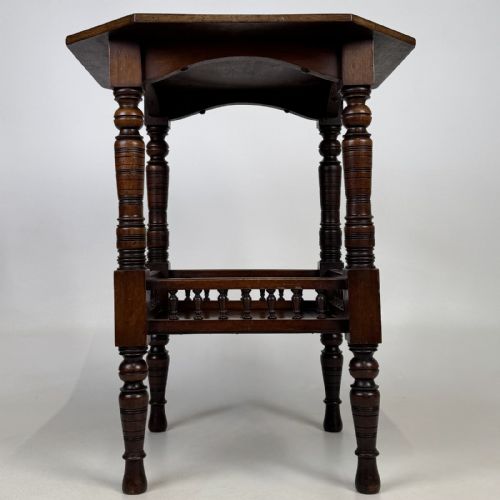
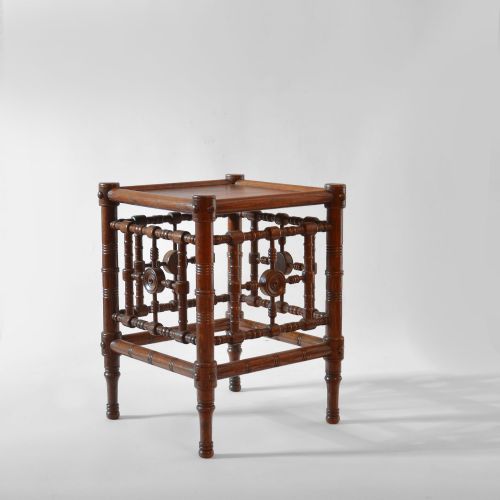
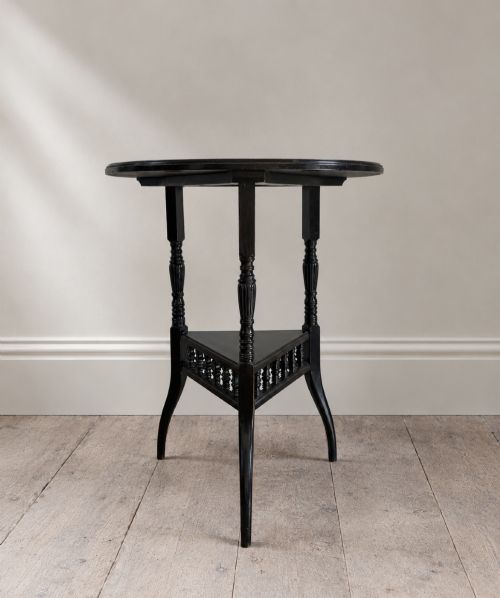
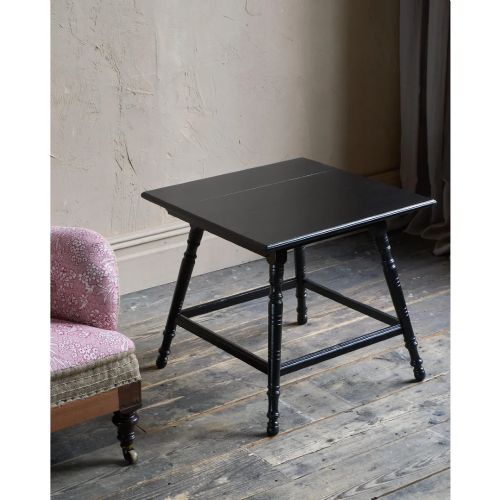
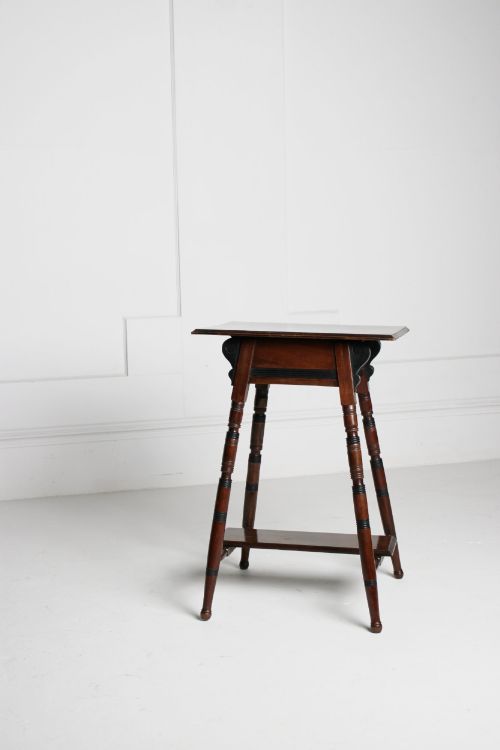
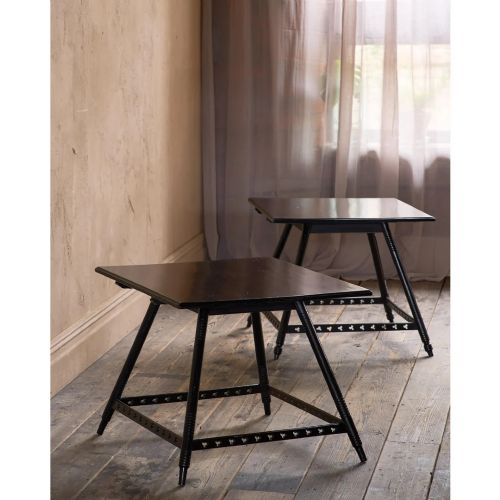
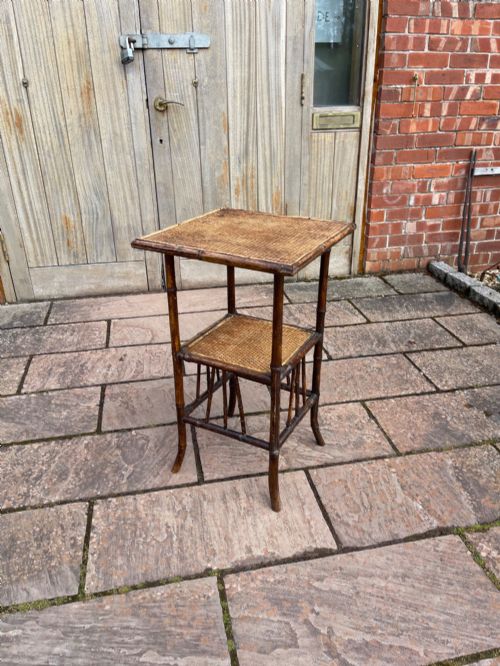
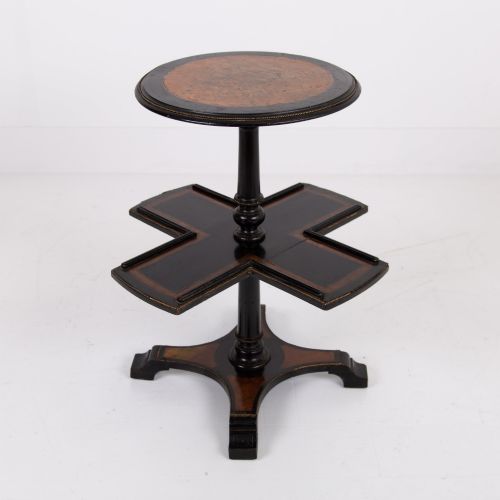
These victorian aesthetic lamp stand pieces unite bamboo, ebonised wood, and mahogany into striking surfaces that anchor a room.
Victorian Aesthetic Lamp Stand
A victorian aesthetic lamp stand embodies the decorative shifts of the nineteenth century, drawing heavily on Anglo-Japanese design principles and Arts and Crafts ideals. Buyers seeking a victorian aesthetic lamp stand encounter occasional tables, side tables, and two-tier forms primarily originating from the 1870s to the 1890s, alongside Edwardian interpretations.
The dominant forms span circular occasional tables, bamboo constructions, and ebonised hardwood frames, frequently incorporating multiple tiers for display. These pieces served practical functions in period interiors, holding lamps, kettles, or decorative objects while adding distinct geometric and exotic silhouettes to parlours.
Makers and retailers such as Liberty & Co, Hindley and Sons, and Druce & Co London contributed to this design vocabulary, producing items that balance utility with artistic expression. Surviving examples reflect a period of transition where traditional British cabinetmaking absorbed foreign motifs and novel materials.
Materials and construction methods
Construction relies heavily on ebonised wood, mahogany, walnut, and natural bamboo, often paired with contrasting elements like brass, lacquer, and Derbyshire fossil marble tops. Ebonising gave cheaper or alternative hardwoods the appearance of costly ebony, aligning with the fashion for dark, dramatic furniture.
Joinery techniques ranged from standard nineteenth-century cabinetmaking for mahogany and oak side tables to the specialised binding and framing required for bamboo structures. Surface treatments frequently included lacquer, decoupage, or crossbanding, adding texture and visual depth to two-tier occasional tables.
Victorian Aesthetic Lamp Stand Retail Price Guide 2026
Typical asking prices for victorian aesthetic lamp stand among the pieces listed under this phrase on Sellingantiques today, from the lower quarter to the upper quarter. They describe what is for sale here now, not the wider market.
Object forms span standard side tables and occasional tables alongside more specialised items like spirit kettle stands and Moorish tables.
Distinctions in quality
Quality reveals itself in the integrity of the materials, such as the genuine weight of a brass component or the selection of solid mahogany and amboyna over secondary timbers. Superior examples maintain structural rigidity in delicate forms like bamboo or multi-tiered tables without excessive wobble.
Refinement of detail separates standard production from exceptional pieces, visible in crisp ebonising, precise joinery, and the inclusion of specialist insets like fossil marble or tiled tops. Maker attribution through stamps or documented provenance further elevates the standing of an individual table.
Hindley and Sons·Druce & Co London·Liberty & Co
The Victorian Aesthetic Lamp Stand Glossary
- Aesthetic Movement
- A late nineteenth-century design current emphasising art for art's sake and the integration of diverse cultural motifs, particularly Japanese art. It rejected heavy Victorian moralising in decor in favour of visual harmony.
- Ebonised
- Wood treated with a dark stain or finish to simulate genuine ebony. This technique was widely utilised during the Victorian era to achieve striking contrast against lighter walls and furnishings.
- Anglo-Japanese
- A hybrid style combining traditional British furniture forms with Japanese artistic elements, composition, and motifs. It emerged strongly during the latter half of the nineteenth century.
- Two tier
- A furniture configuration featuring a primary surface top supported above a secondary lower shelf. This design maximised display space in compact nineteenth-century interiors.
- Crossbanded
- A method of veneering where the grain of the border runs at a right angle to the grain of the main surface. It creates a neat framing effect on table tops.
Victorian Aesthetic Lamp Stand: Frequently Asked Questions
What is a Victorian aesthetic lamp stand?
A Victorian aesthetic lamp stand is a small side table or occasional table produced during the nineteenth century under the influence of the Aesthetic Movement. These pieces often feature ebonised wood, bamboo, or mahogany construction.
They were designed to hold lamps or decorative objects, blending practical utility with artistic forms derived from Japanese and British design principles.
How do I identify an Aesthetic Movement table?
Aesthetic Movement tables are typically characterised by dark ebonised finishes, geometric lines, or Asian-inspired motifs. They frequently utilise materials like bamboo, brass, and occasional marble or tiled inserts.
Look for hallmarks of the style such as two-tier structures and simplified, elegant frames that break away from heavy Victorian ornamentation.
Were these tables used only for lamps?
While often termed lamp stands or lamp tables, these versatile occasional tables served multiple purposes in period homes. They held spirit kettles, books, tea services, and ornamental displays.
Their lightweight construction allowed them to be easily moved around drawing rooms and parlours as needed.
How do I care for ebonised and bamboo furniture?
Ebonised surfaces require gentle dusting with a soft, dry cloth to prevent scratching the dark finish. Avoid harsh chemical cleaners and keep them away from direct sunlight to prevent fading.
Bamboo furniture benefits from occasional light cleaning and should be kept in stable humidity environments to prevent the natural material from drying out or splitting.