



Victorian Adjustable Seat
A victorian adjustable seat solves the practical problem of height at the piano or dressing table with a clever mechanical core hidden inside timber and upholstery.
Victorian Adjustable Seat
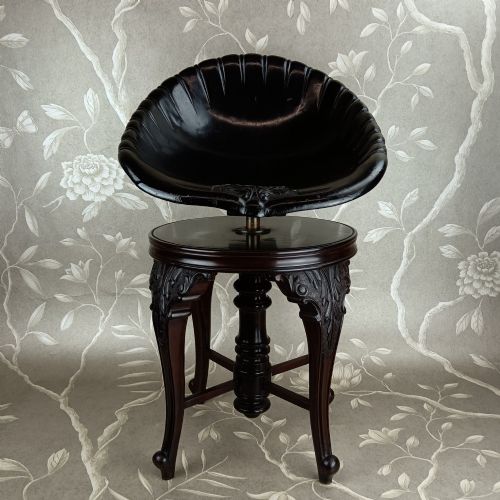
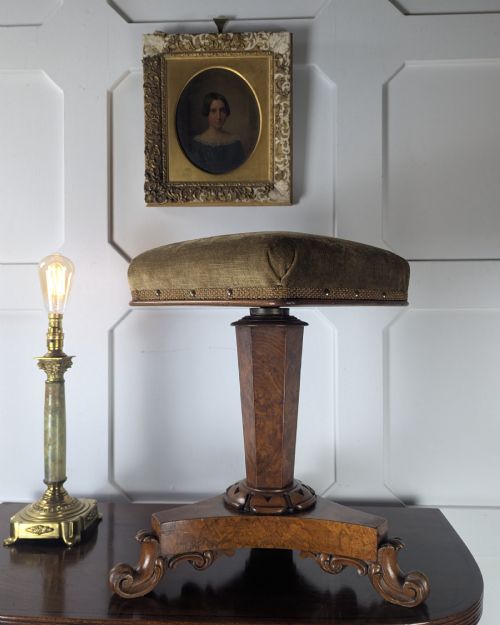
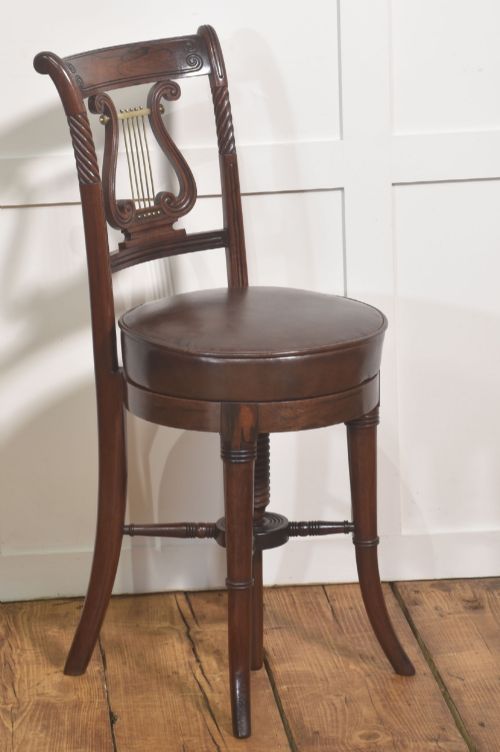
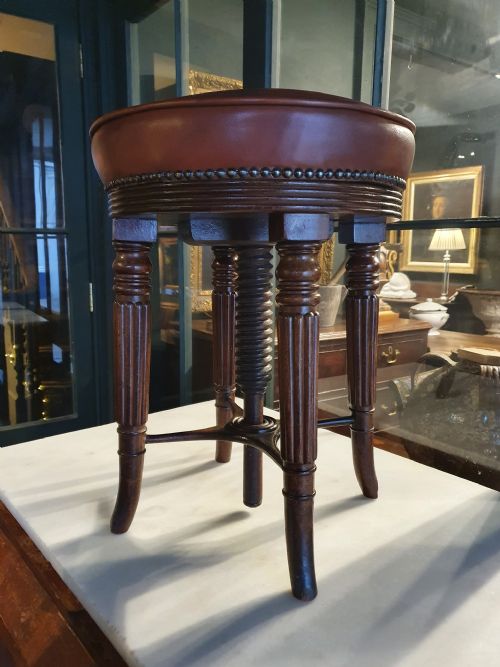
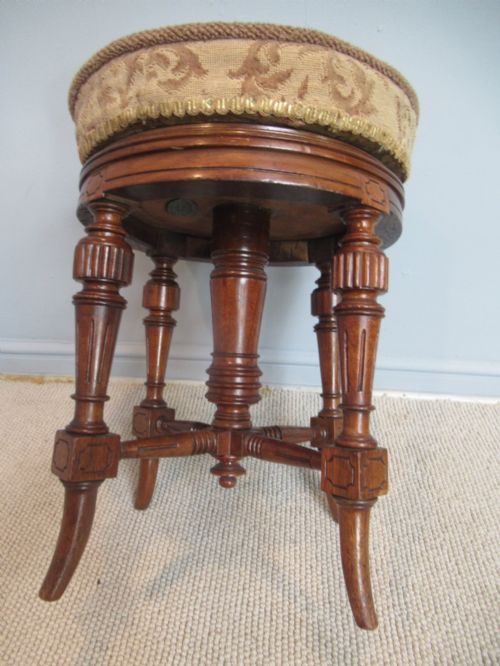
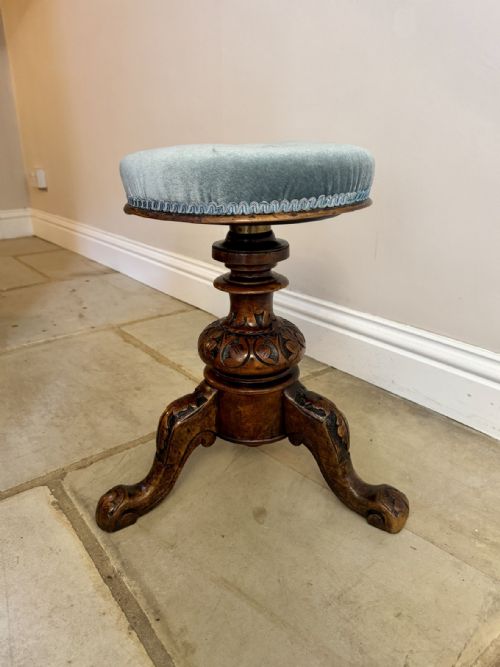
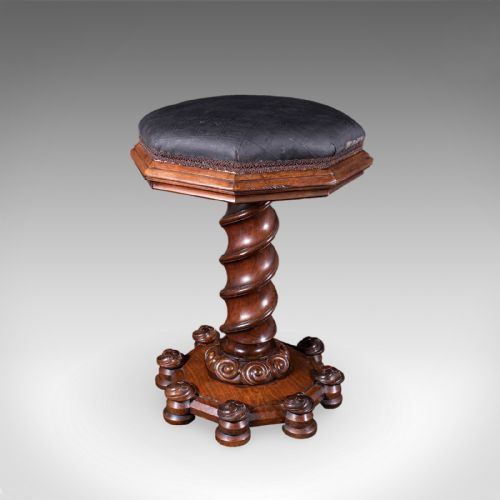
A victorian adjustable seat comprises a variety of seating forms designed to alter in height or pivot for the user. When searching for this phrase, you will most frequently encounter piano stools and music stools alongside dressing chairs and swivel seats.
The objects span periods from the 19th Century through to Edwardian times, with William IV and Victorian examples dominating the selection. Forms range from revolving tops to rise and fall mechanisms housed within mahogany, walnut, and rosewood frames.
How They Were Made
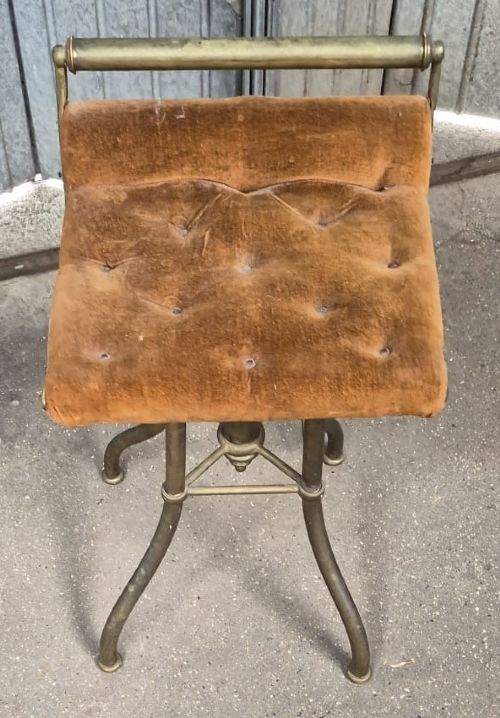
Timbers such as mahogany, walnut, and rosewood form the structural chassis, shaped through turning and carving with occasional brass framing or cast iron in industrial and dental variants. Upholstery utilises fabric, leather, velvet, and tapestry stretched over the seat frames.
Mechanical adjustment relies on internal wooden screws, metal threading, or swivel joints that permit the top to rotate or raise. These mechanisms are integrated discreetly into the column or beneath the revolving platform.
Listings feature mahogany, walnut, and rosewood alongside brass, cast iron, and leather.
What Varies in Quality
The sophistication of the timber carving and the smoothness of the mechanical action distinguish finer examples from standard production pieces. Heavier woods like figured walnut and rosewood paired with robust brass fittings indicate higher grade manufacture.
Execution of secondary details, such as buttoned leather upholstery or intricate papier-mâché work, separates workshop pieces from utilitarian variants. The precision of the revolving thread dictates how steadily the seat holds its raised position.
Jennens & Bettridge·Gillows·James Shoolbred
The Victorian Adjustable Seat Glossary
- Revolving
- Turning round on an axis or pivot. This action allows the sitter to rotate without moving the base.
- Rise and fall
- A mechanism that raises or lowers the seat height. It typically operates via a central screw thread turned by hand.
- Piano stool
- A seat specifically proportioned for keyboard players. These often feature adjustable heights to suit different players.
- Papier-mâché
- A composite material made of paper pulp reinforced with glue and oil. It permits moulded ornamentation finished with lacquer and inlay.
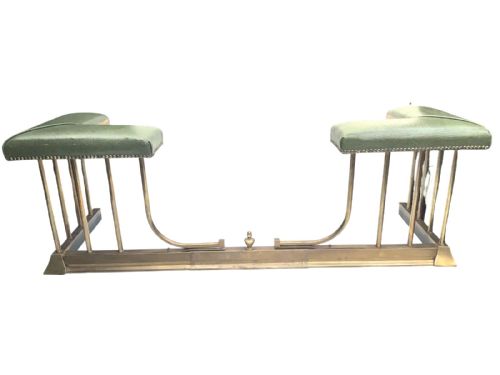
- Club fender
- A low, U-shaped hearth seat with padded top rails. Some versions incorporate adjustable extensions.
Victorian Adjustable Seat: Frequently Asked Questions
How do I adjust the height?
Most models use a central wooden or metal screw mechanism hidden beneath the seat top. Turning the upper section clockwise or anticlockwise raises or lowers the platform along the threaded column.
Some variants employ a rise and fall lever system or a simple swivel pivot. Ensure the mechanism is clean and free of obstruction before attempting to alter the height.
Where were these placed originally?
These seats belonged primarily in the drawing room or music room, positioned beside a piano, harp, or music stand. Dressing tables and writing desks also accommodated smaller pivoting chairs.
Their adaptable height made them versatile additions to domestic spaces where multiple users required tailored seating. Today they function equally well as occasional seats or piano benches.
Are the upholstery materials original?
Upholstery often reflects later replacement due to the wear placed on fabrics over decades of use. Leather, velvet, and tapestry found on these seats range from period replacements to modern restorations.
Original needlework or buttoned leather is occasionally preserved on pieces that saw lighter service. Examine the tacking and webbing underneath to understand the history of the upholstery.
How do I date a piece?
Dating relies on timber choice, turning styles, and structural markers associated with specific nineteenth-century design periods. Earlier William IV pieces often display heavy mahogany and bold scrolling supports.
Later Victorian and Edwardian examples introduce lighter rosewood, ebonised finishes, or cast iron components. Patina on the internal wooden threads also offers clues to the age of the mechanism.