

Victorian Accessories
Victorian accessories bring utility and detail to domestic life through brass, silver, leather and glass fashioned into desk items, fire companions and personal effects.
Victorian Accessories
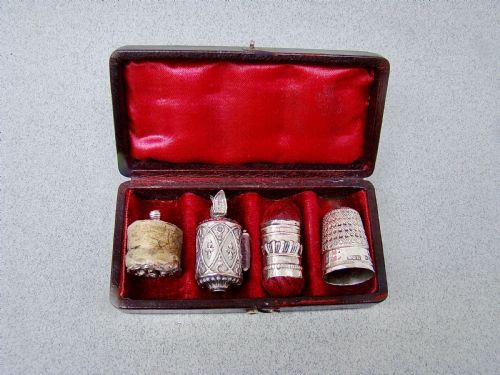
Victorian accessories comprise the small functional and decorative items used in nineteenth-century homes, ranging from desk wares to hearth equipment and personal belongings. These pieces reflect the varied daily habits of the era, combining practical utility with ornate design.
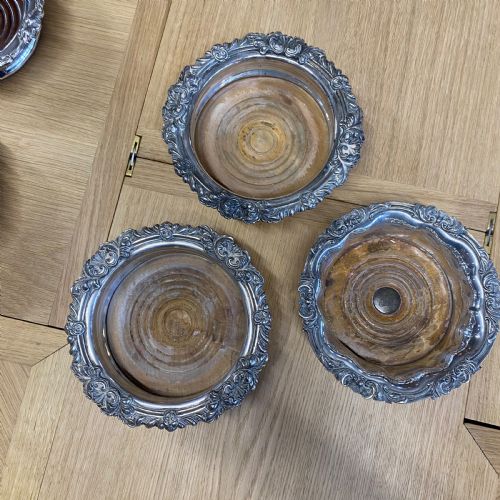
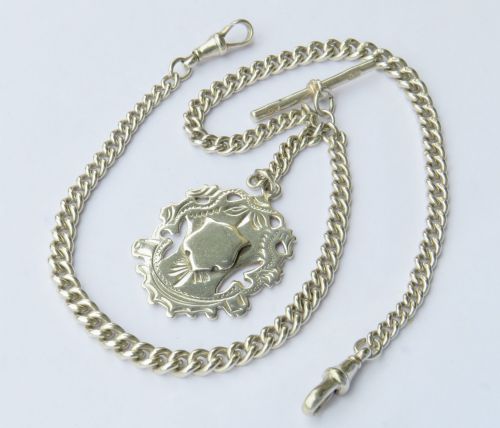
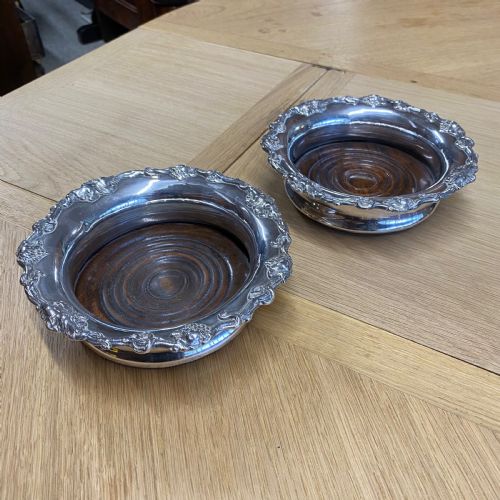
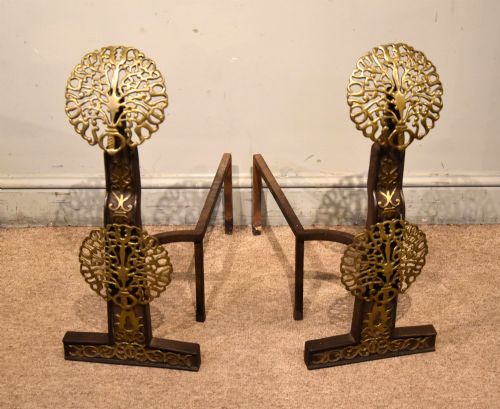
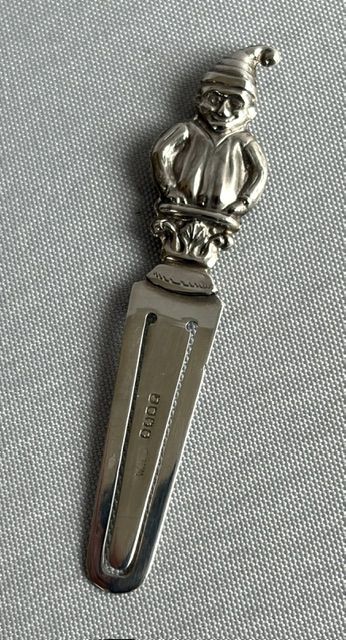
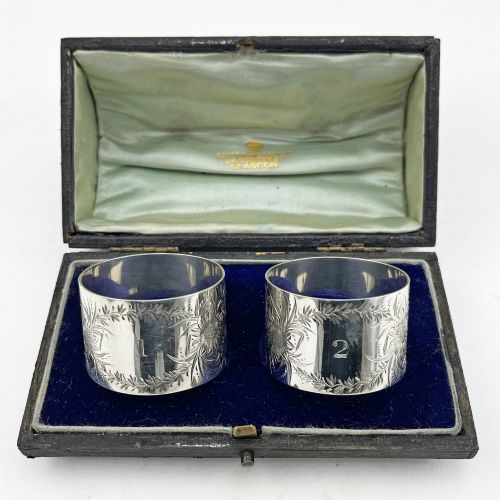
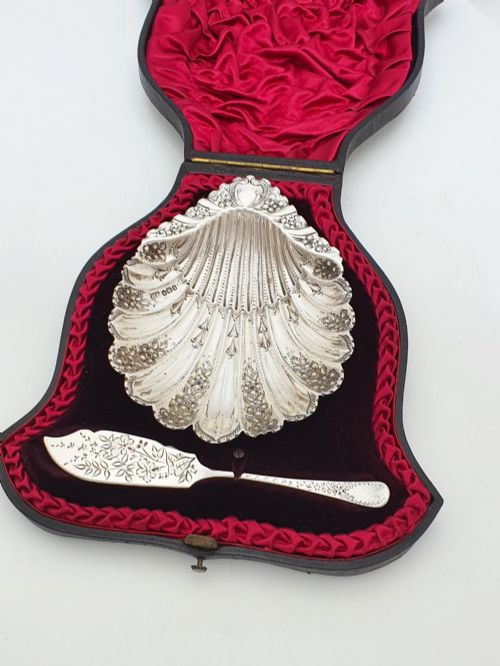
The selections encountered most frequently on this page span desk accessories, fireplace accessories, inkwells, and bookmarks. Materials such as brass, sterling silver, leather, and glass dominate the forms, reflecting both the utilitarian and decorative demands of period interiors.
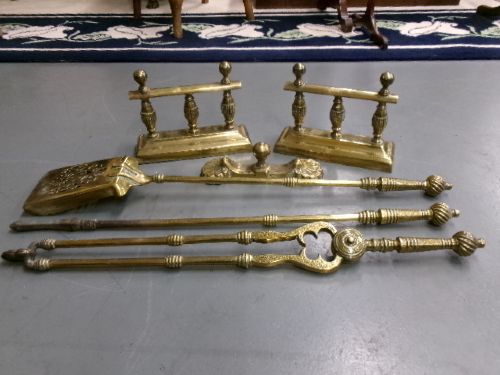
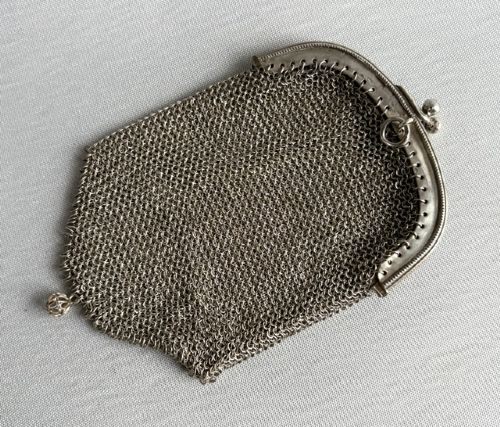
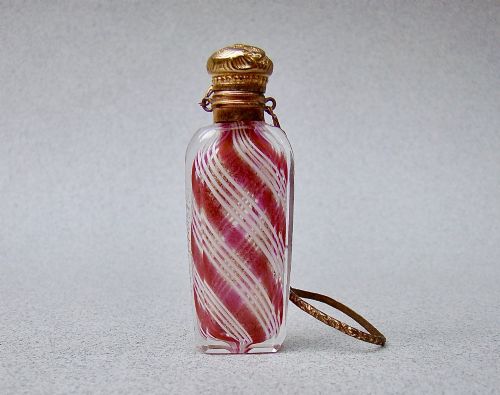
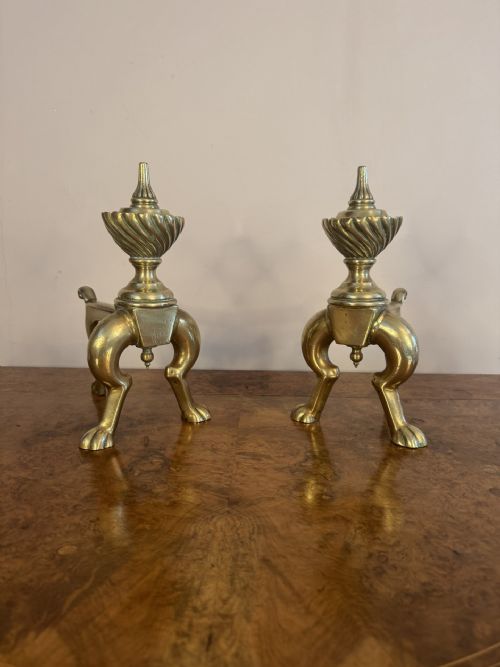
Objects range from robust iron and brass hearth furniture to delicate silver coin purses and glass scent bottles. This broad category captures both the heavy metalwork required for the fireside and the refined silverwork suited to writing desks and dressing tables.
How they were made
Metalwork forms the foundation of many pieces, utilising brass, copper, wrought iron, and sterling silver shaped through casting, hammering, and repoussé decoration. Makers combined rigid metals with softer elements like leather and glass to create functional objects with tactile appeal.
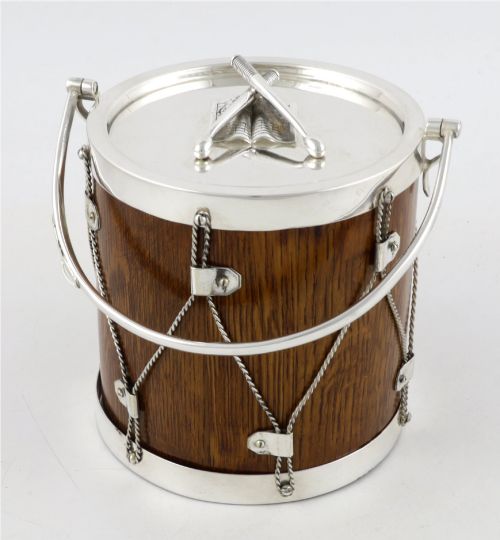
Organic materials such as mahogany, walnut, oak, and amber appear alongside woven textiles like velvet and chain mail. These diverse substances required specialised joinery, turning, and mounting techniques to unite wood and metal in items like book slides and inkwells.
Victorian Accessories Retail Price Guide 2026
Typical asking prices for victorian accessories among the pieces listed under this phrase on Sellingantiques today, from the lower quarter to the upper quarter. They describe what is for sale here now, not the wider market.
Materials span brass, sterling silver, glass, leather, velvet, metal, and mahogany across various domestic forms.
What varies in quality
The standard of an item rests on the crispness of its execution, visible in the depth of repoussé brass work, the weight of sterling silver, and the tightness of wooden joints. Heavier castings and clearly struck hallmarks indicate higher grade production.
Refinement in secondary details, such as original shovels paired with coal boxes, matching glass inserts in inkwells, and undamaged leather linings, separates standard utility pieces from exceptional survivors of the period.
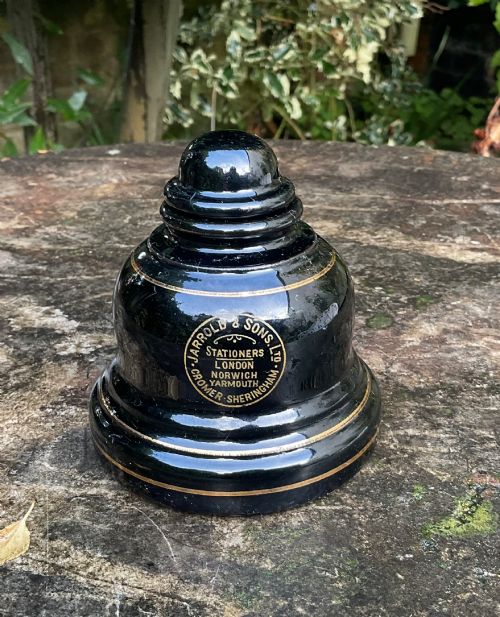
Jarrold & Sons·George Adam Scheid·Elizabeth Eaton
The Victorian Accessories Glossary
- Repoussé
- A metalworking technique where the design is hammered into relief from the reverse side. This creates textured patterns on brass coal boxes and decorative metalware.
- Chatelaine
- A decorative belt hook worn with suspended utility chains for carrying small household tools. These held functional items like scent bottles or keys.
- Vesta
- A small pocket case designed to hold safety matches and keep them dry. They are frequently fashioned from silver or brass with integrated strikers.
- Treen
- Small domestic wooden objects made by turning or carving. Items such as string boxes and cotton reel stands fall into this category.
- Match striker
- A textured surface or container designed for igniting matches. These often incorporate silver mounts and ceramic or glass bodies.
Victorian Accessories: Frequently Asked Questions
How do I clean antique brass accessories?
Clean brass accessories gently with a soft cloth to remove dust without stripping the natural patina accumulated over the decades. Avoid abrasive chemical dips that can damage the surface.
For stubborn tarnish, use a mild, traditional brass cleaner applied sparingly. Rinse and dry thoroughly to maintain the finish.
Where were these pieces used in the home?
Desk accessories and inkwells belonged in studies, libraries, and writing rooms for correspondence. Fireplace furnishings sat in hearths across parlours and drawing rooms.
Smaller personal items like coin purses, chatelaines, and bookmarks travelled with the owner or rested on bedroom dressing tables.
How do I identify Victorian silver pieces?
Examine the object for hallmarks, which typically include a maker's mark, a standard mark indicating silver purity, and a date letter. These stamps reveal the assay office and year of production.
Sterling silver pieces from this era often display the lion passant alongside monarch profiles and town marks.
Are desk accessories still practical to use?
Many items like magnifying glasses, paperweights, and book slides remain completely functional for modern desks. Inkwells and stamp boxes suit contemporary stationery collections.
Careful handling ensures these historic pieces continue to serve daily needs while adding period character to a workspace.