


Victorian 9ct Gold Ring
A victorian 9ct gold ring holds personal sentiment, symbolic motifs, and gemstones within warm, durable metal.
Victorian 9ct Gold Ring
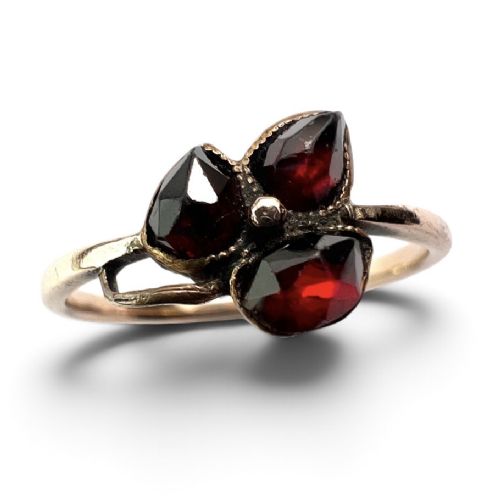
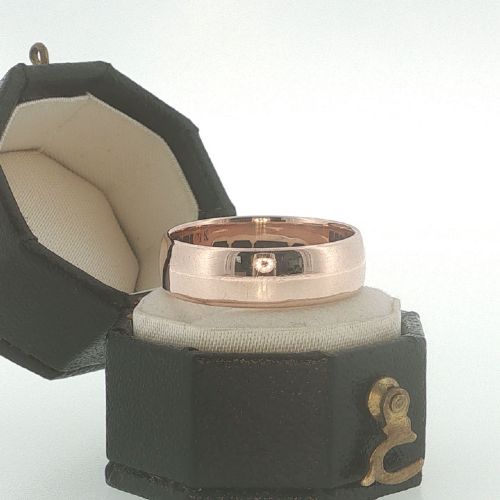
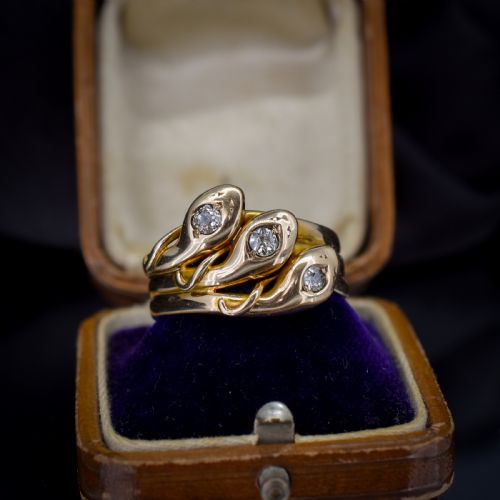
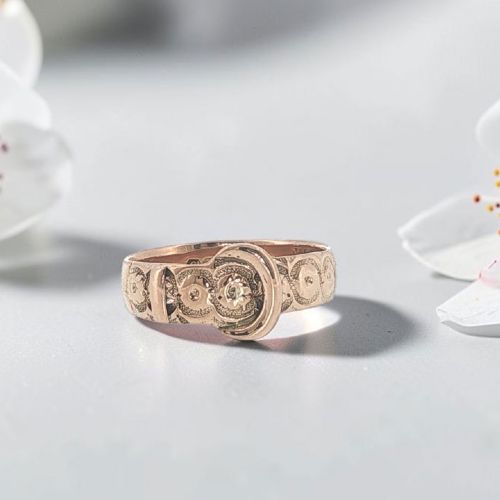
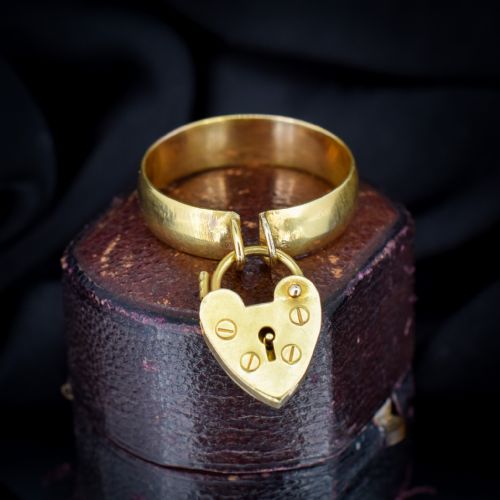
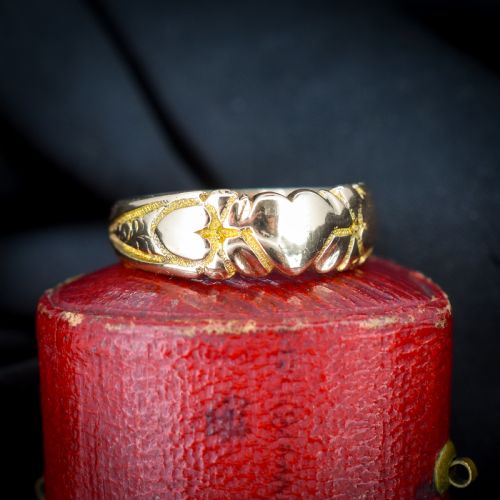
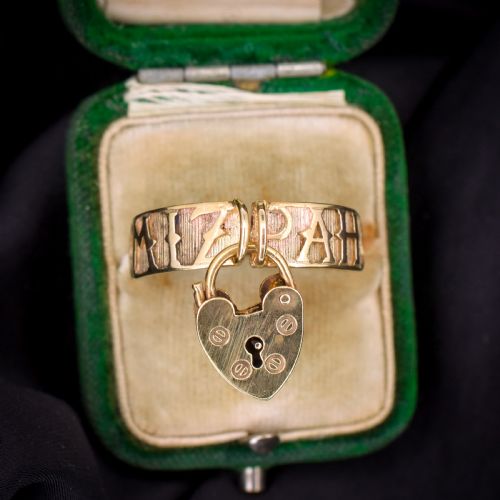
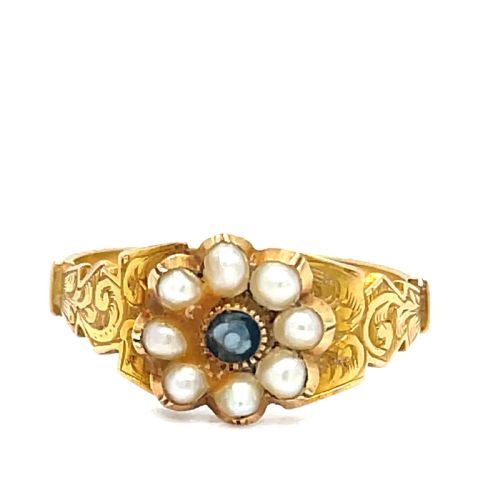
A victorian 9ct gold ring encompasses cluster settings, engraved wedding bands, and symbolic serpent or heart padlock designs originating in the nineteenth century. The examples most frequently encountered combine yellow or rose 9ct gold with garnets, seed pearls, turquoise, or hardstone cameos.
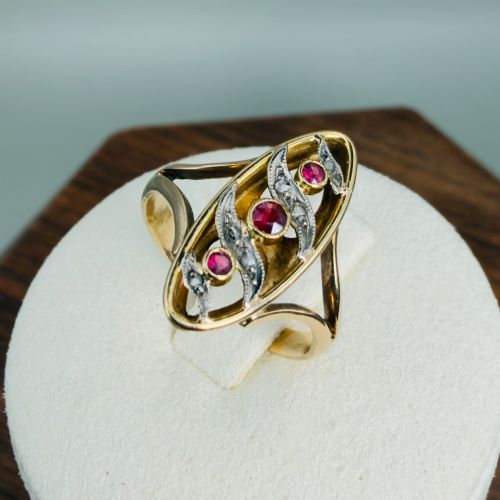
Makers of the period utilised lower-karat gold alloys following legislative changes, producing accessible jewellery that retained rich colour. These pieces range from simple everyday bands to intricate navette and halo configurations set with diamonds or paste stones.
Surviving rings display the distinct stylistic shifts of the era, moving from early romantic mourning jewellery and Etruscan revival motifs toward later Edwardian and art nouveau lightness. Collectors find both plain utilitarian bands and elaborate gemstone clusters bearing historical hallmarks.
Materials and Fabrication
Goldsmiths worked primarily with 9ct yellow and rose gold, shaping the metal into solid bands, hollow stamped components, and cast settings. Stones such as garnets, amethysts, sapphires, and opals were secured using traditional claw, bezel, and gypsy settings.
Intricate surface decoration relied on hand engraving, granulation, and applied wirework characteristic of revivalist styles. Gemstones frequently featured old cut, rose cut, or cabochon polishing to catch candlelight rather than modern brilliant faceting.
Listings feature 9ct yellow and rose gold combined with diamonds, sapphires, garnets, amethysts, and carved hardstone cameos.
Evaluating the Range
Quality separates through the crispness of hand-carved details on cameos and intaglios, and the precise matching of natural gemstones in multi-stone clusters. Superior examples retain original structural integrity without thinning to the shank or heavy solder repairs.
The weight of the gold and the depth of stamping or chasing distinguish master workshop output from mass-produced commercial items. Intact claw settings and undamaged stone surfaces preserve the original integrity intended by the maker.
The Victorian 9ct Gold Ring Glossary
- Navette
- A boat-shaped gemstone setting that tapers to sharp points at either end. This elongated silhouette sits flat across the finger and often frames clusters of diamonds or rubies.
- Gypsy Setting
- A mounting style where the gemstone is flush-set directly into the thick gold band. The metal is pushed up around the stone to create a smooth, rounded profile.
- Hardstone
- A durable semi-precious stone such as agate, onyx, or jasper used for carving cameos and intaglios. These stones provide contrasting colour layers for carved relief imagery.
- Paste
- Hand-cut and polished lead glass created to imitate precious gemstones. High-quality historical paste displays deep colour saturation and sharp facet edges.
Victorian 9ct Gold Ring: Frequently Asked Questions
Are these rings durable for daily wear?
Solid gold bands and robust bezel settings handle daily wear well when inspected for structural wear. Softer stones require additional care against impact.
Checking claw integrity and band thickness ensures the ring remains secure during regular use.
What is 9ct gold?
An alloy composed of thirty-seven point five percent pure gold mixed with silver, copper, and sometimes other metals for strength. This lower gold content offered greater durability and affordability during the nineteenth century.
The inclusion of varying proportions of copper creates the distinct rose hue seen in many antique bands.
How do I care for antique gemstone rings?
Cleaning requires warm water and mild soap, avoiding harsh chemical dips that damage porous stones like opals, pearls, and turquoise. Soft cloths remove surface oils without scratching fragile materials.
Professional checks every few years ensure old prongs and delicate settings maintain their hold on the stones.