



Victorian 15ct Gold Locket
A victorian 15ct gold locket holds personal keepsakes inside rich, high-carat metal shaped into hearts, stars and pocket watch forms.
Victorian 15ct Gold Locket
A victorian 15ct gold locket represents a distinct period of personal jewellery designed to hold photographs, hair or small mementos close to the wearer. The pieces appearing here originate predominantly from the Victorian era alongside related Edwardian and late nineteenth-century examples.
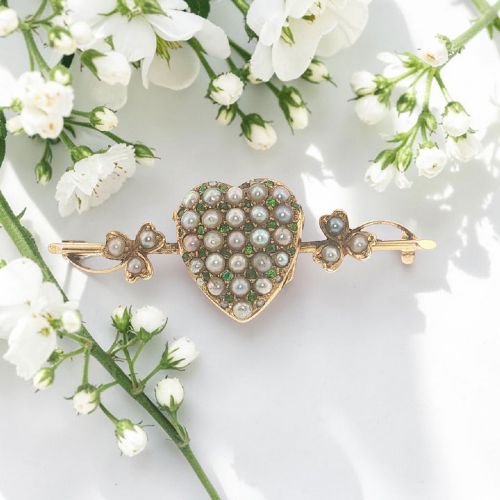
Buyers encounter diverse forms including puffy hearts, engine-turned discs, and pieces mimicking pocket watches or incorporating brooch fittings. These items frequently combine utilitarian photo compartments with intricate exterior decoration.
Originating largely from British workshops and hallmarked or unmarked high-carat standards, these items demonstrate the distinct aesthetic priorities of the nineteenth century. The survival of such objects allows collectors to examine period fastening mechanisms and hinged photo frames.
Variations in Quality
Quality diverges between mass-produced components and bespoke artisan creations featuring hand-chased details and substantial gold weight. The thickness of the gold sheet forming the locket halves dictates the structural resilience against denting.
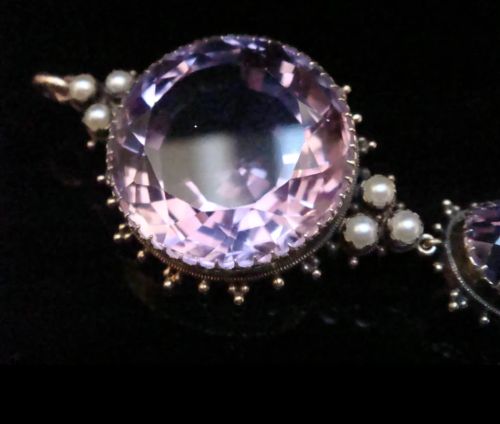
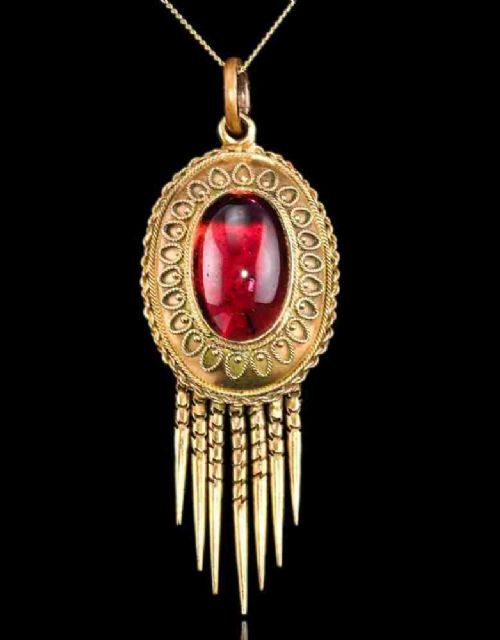
The precision of gemstone setting and the complexity of decorative motifs, such as Etruscan Revival granulation or multi-stone starbursts, distinguish finer examples. Superior specimens retain their original glass compartments and secure closing mechanisms.
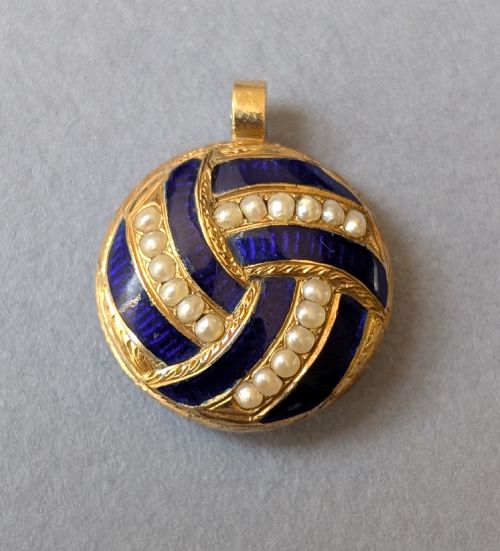
The integrity of enamel work and the crispness of engine-turned engraving mark the distinction between standard production and exceptional goldsmithing. Complete matched elements, such as original bezels and suspension rings, preserve the intended aesthetic balance.
Victorian 15ct Gold Locket Retail Price Guide 2026
Typical asking prices for victorian 15ct gold locket among the pieces listed under this phrase on Sellingantiques today, from the lower quarter to the upper quarter. They describe what is for sale here now, not the wider market.
Materials recorded across the inventory include seed pearls, emeralds, garnets, opals, and enamel over fifteen-carat yellow gold.
The Victorian 15ct Gold Locket Glossary
- 15ct Gold
- A gold alloy containing sixty-two comma five percent pure gold, standard in British jewellery before the introduction of nine-carat dominance. This specific fineness yields a distinct warm yellow tone.
- Engine-Turning
- A mechanical method of engraving precise geometric patterns onto metal surfaces using a lathe. This technique created repetitive decorative textures across the exterior of locket cases.
- Etruscan Revival
- A nineteenth-century design movement inspired by ancient archaeological discoveries in Italy. Pieces utilise granulation, wirework and applied gold details.
- Seed Pearl
- Small natural or saltwater pearls, often graded and matched in size. Artisans set them closely together to form floral or star motifs.
- Momento
- A token or keepsake kept to remember a person or event, frequently integrated into nineteenth-century jewellery via hair compartments or photograph frames.
Victorian 15ct Gold Locket: Frequently Asked Questions
Can I wear my locket every day?
Fifteen-carat gold possesses sufficient durability for regular wear, though high-carat alloys remain softer than modern nine-carat equivalents. Protective storage prevents scratching against other items.
Delicate additions like seed pearls and enamel require caution to avoid impact damage or exposure to harsh cleaning chemicals. Removing the piece during physical activity preserves historical hinges and clasps.
What is inside a traditional mourning locket?
Victorian mourning pieces frequently contain finely braided human hair arranged behind glass panels. This practice served as a physical remembrance of absent or deceased loved ones.
Photographs on paper or card stock also appear alongside fabric backings. These insertions reflect nineteenth-century sentimental customs tied to personal documentation.
How do I identify a 15ct gold hallmark?
British hallmarks from the Victorian period include a standard fineness mark indicating fifteen carats, often accompanied by crown stamps or assay office symbols. Unmarked items rely on density testing or acid analysis by specialists.
Maker's marks stamped inside the rim provide additional clues regarding the workshop of origin. Certain pieces feature stamps indicating back and front gold plating over a base metal core.