
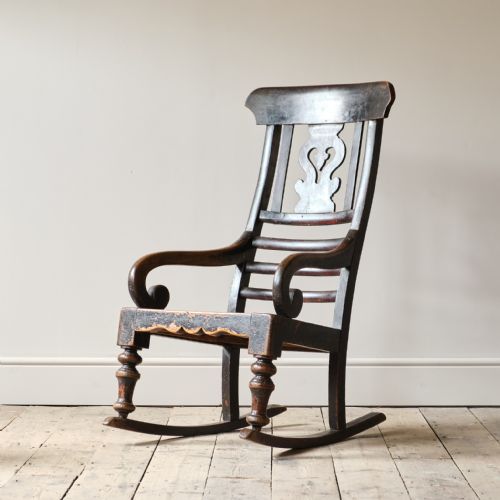

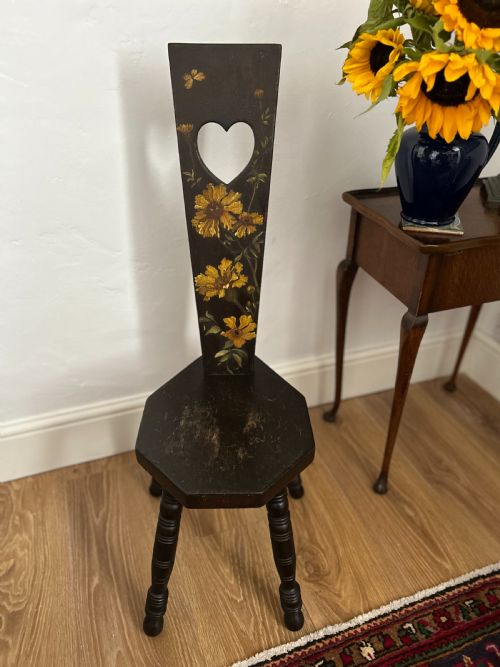


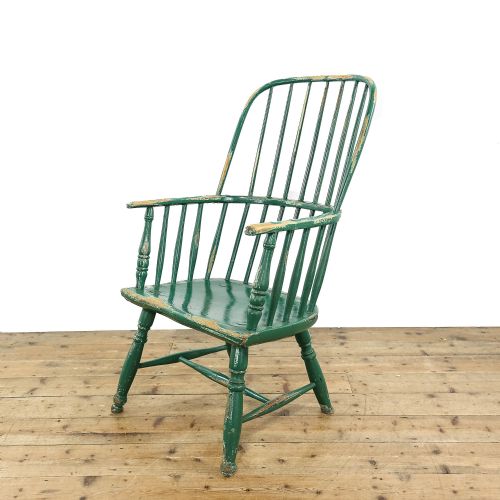
Vernacular Painted Furniture
Vernacular painted furniture brings honest domestic utility and rich regional character into a modern interior.
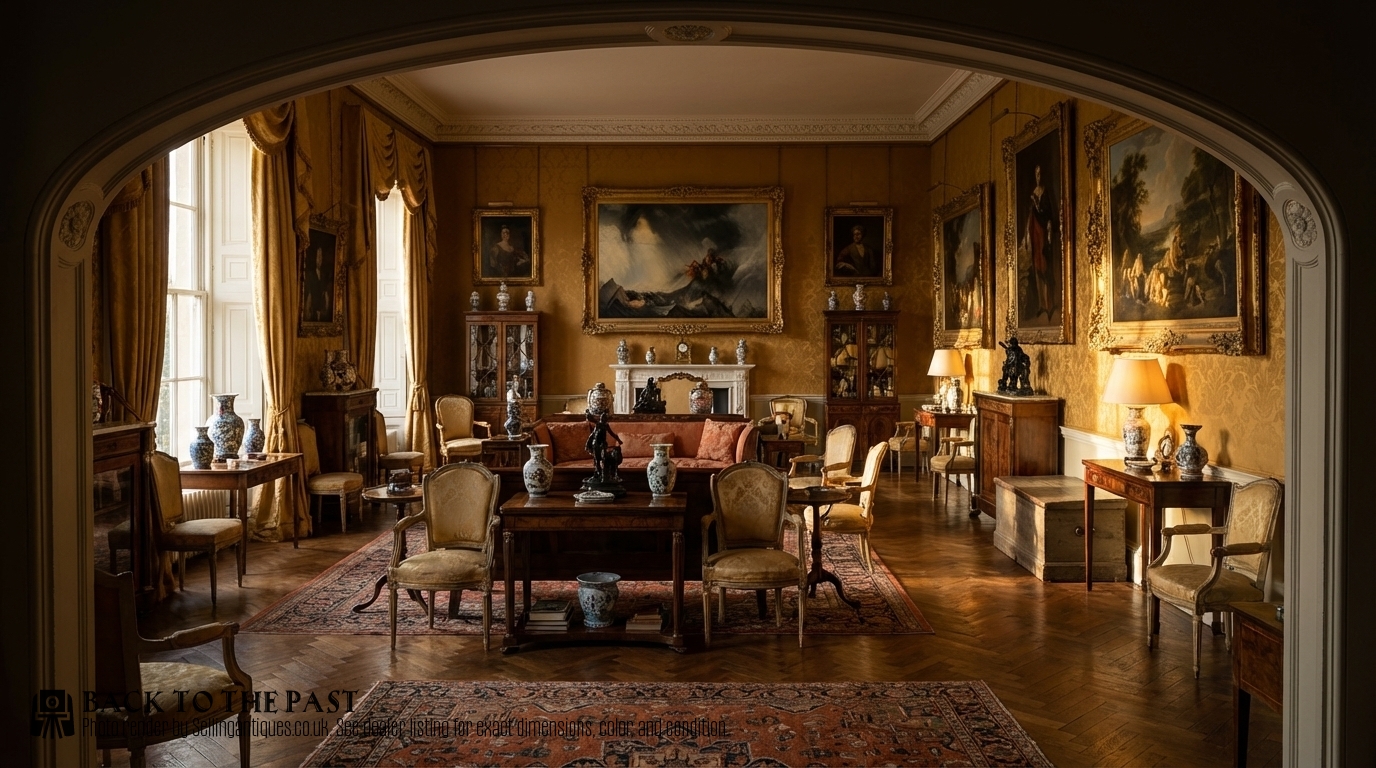
Vernacular Painted Furniture
Vernacular painted furniture comprises utilitarian household objects made for everyday use rather than high-fashion display. When searching for vernacular painted furniture, buyers encounter robust forms built by local joiners and country craftsmen.
Pine, ash, elm, and oak serve as the primary timbers, frequently finished in surface paint that ranges from subtle earth tones to vibrant blues and reds. Each piece reflects the specific domestic needs of its region, from Scottish potboard dresser bases to Welsh spinning chairs.
How they were made
Local joiners and country artisans constructed these pieces using accessible regional timbers such as pine, ash, and elm, often combining multiple woods within a single object. Frameworks relied on traditional joinery methods like mortise and tenon, or turned spindle construction suited to local workshops.
Surfaces were finished with historic paint layers, utilising simple binders and pigments available in rural areas, including traditional Falu red or local blue preparations. These painted finishes were applied to protect the softwood or hardwood beneath and were frequently renewed over generations of use.
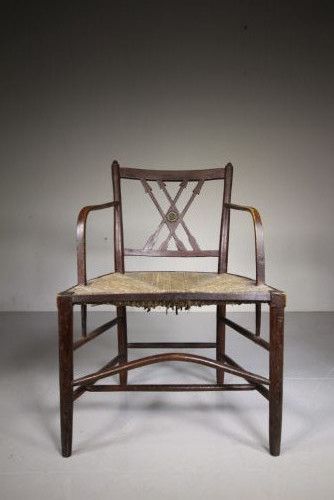
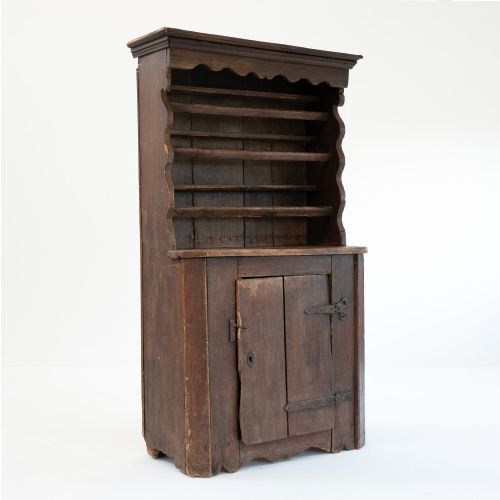
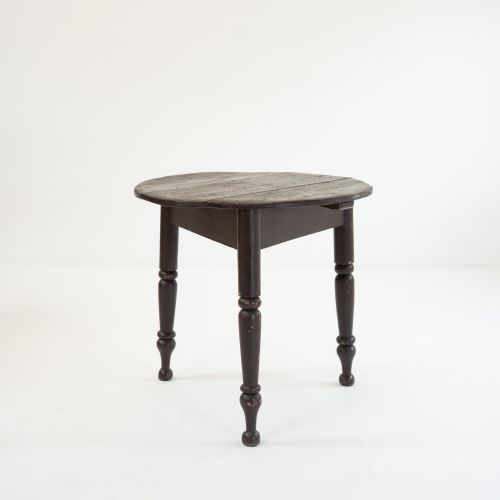
Current listings feature eighteenth and nineteenth-century forms including cricket tables, Windsor armchairs, settles, and kitchen dressers in pine, ash, and elm.
What varies in quality
Quality in these pieces rests in the integrity of the original construction and the survival of early painted surfaces. Untouched paint layers carrying genuine patination distinguish a superior piece from one stripped or heavily restored in later periods.
Proportion and structural balance also separate exceptional rural items from standard utility objects. A well-proportioned Windsor chair or cricket table demonstrates a maker's practiced eye despite the absence of formal workshop branding.
The Vernacular Painted Furniture Glossary
- Cricket table
- A small three-legged occasional table typically constructed from pine or other native timbers. The three-legged design ensured stability on uneven flagstone floors.
- Potboard dresser
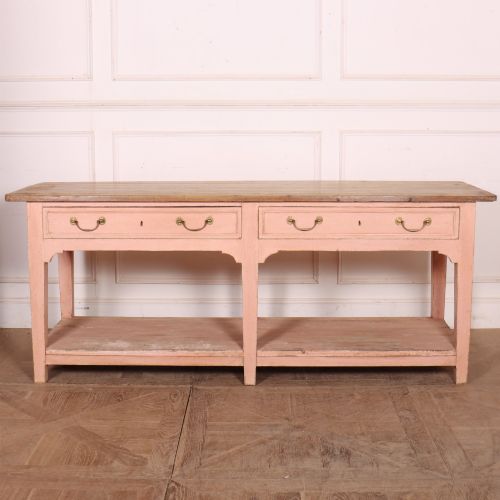
- A kitchen or dining room storage unit featuring an open lower shelf used for displaying pots and heavy domestic utensils. This form is common in Scottish and English country houses.
- Settle
- A high-backed wooden bench with solid arms and a storage box beneath the seat, designed to block cold drafts in rural cottages and taverns.
- Windsor chair
- A chair built with a solid wooden seat into which the legs and back spindles are directly bored and wedged. Regional variants feature distinct comb or bow back designs.
- Falu paint
- A traditional matte red paint originating from copper mines in Sweden, utilised extensively on timber buildings and rural furniture for its preservative qualities.
Vernacular Painted Furniture: Frequently Asked Questions
What is vernacular painted furniture?
Vernacular painted furniture refers to utilitarian household objects made by local rural craftsmen for everyday domestic life rather than elite urban commissions. These pieces include tables, chairs, cupboards, and benches constructed from accessible regional timbers.
The defining characteristic is their practical design combined with historic surface paint. They reflect the specific traditions and material resources of regions such as Wales, Ireland, Scotland, and Scandinavia.
How do I date these pieces?
Dating rural furniture relies on examining construction techniques, tool marks, ironmongery, and the composition of the timber. Joinery methods shifted across the eighteenth and nineteenth centuries from handmade pegged joints to machine-sawn components.
The presence of early or original paint layers provides vital chronological clues. Pigment analysis and the wear patterns on contact points help establish whether a painted finish dates to the period of manufacture.
How do I live with this furniture?
Living with country painted furniture involves embracing its historic character and practical origins. These pieces function effectively as everyday storage, seating, or display surfaces in contemporary rooms, adding warmth and texture.
Place them away from direct heat sources and strong sunlight to protect fragile historic paint layers and timber substrates. Gentle dusting with a dry cloth maintains the surface without disturbing the accumulated patina.
Where were these pieces made?
These items were produced in rural workshops, farmhouses, and regional towns across Britain, Ireland, and continental Europe. Makers utilised the native woods available immediately to hand, such as pine in softwood regions or ash and elm in hardwood areas.
Local requirements dictated the form, leading to distinct regional styles like Welsh cricket tables, Irish súgán chairs, and Swedish Falu painted tables.