



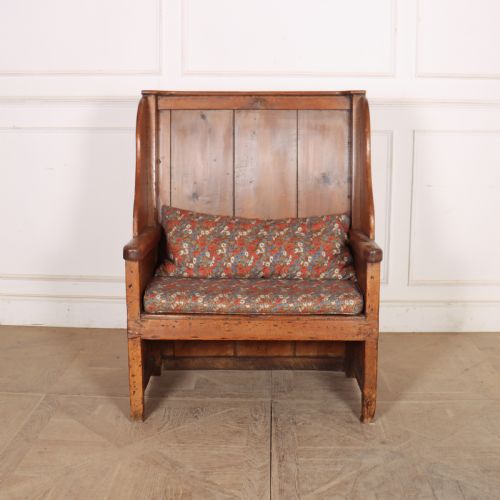


Vernacular Furniture Bench
Vernacular furniture bench pieces are honest, utilitarian seats built by local craftspeople using regional timbers like pine and oak.
Vernacular Furniture Bench
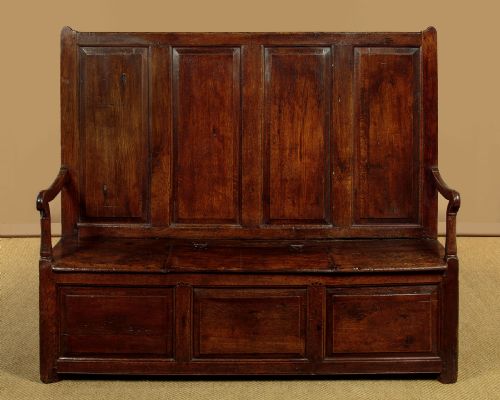
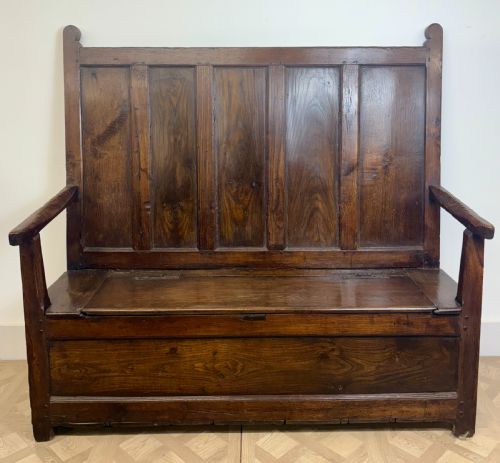
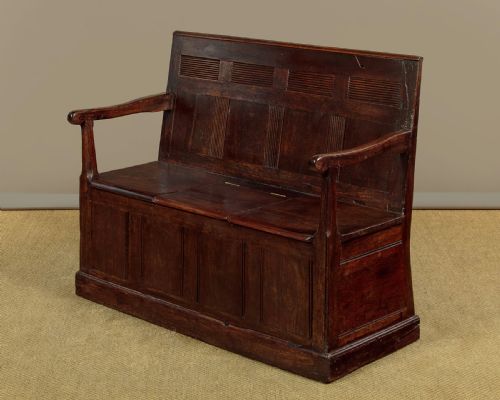
A vernacular furniture bench brings centuries of domestic history into a room, spanning forms from simple pine tavern seating to oak and ash box settles. These pieces originate across regional workshops, incorporating country styles such as Welsh vernacular, French provincial, and rustic country.
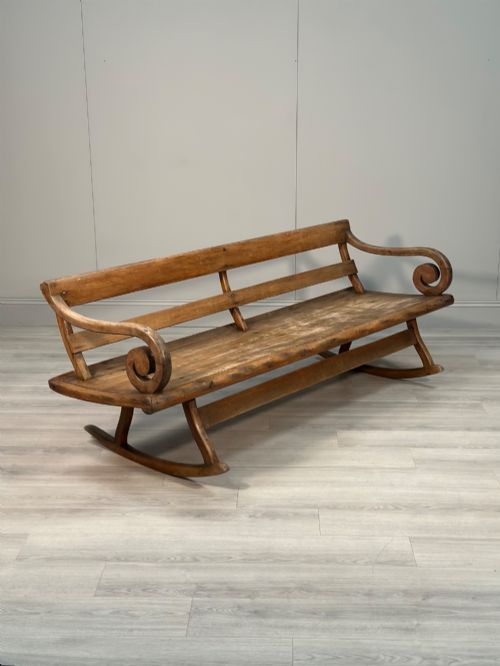
Buyers encounter diverse configurations including high-back settles, low stools, rocking settles, and multi-functional chair tables. The selection ranges widely from early provincial 17th-century elm items down to 20th-century child stickback settles.
Many examples retain original painted finishes, while others showcase the bare grain of timber like walnut, ash, and hardwood. These practical items served farms, taverns, and cottages, evolving from utilitarian necessities into cherished decorative seating.
Materials and construction methods
Makers relied on locally available solid timbers, predominantly utilising structural oak, resilient pine, and tough ash. Joinery methods prioritised stability and straightforward utility over decorative refinement, employing pegged mortise and tenon joints.
Surfaces often display the marks of hand tools, scratch-built details, and early painted layers applied to protect the softwood or hardwood body. Box construction and integrated storage compartments reflect ingenious space-saving designs tailored for rural homes.
Forms on offer range from miniature stools and child-sized stickback settles to full-scale tavern benches and multi-functional chair tables.
Assessing quality in country seating
Quality rests in the integrity of the original construction, the thickness of the timber boards, and the retention of early or original painted surfaces. Diminutive proportions and unusual functional forms, such as integrated shoe storage or rocking mechanisms, elevate individual examples.
The balance between rustic utility and careful sculptural shaping on seats or armrests dictates the visual success of the piece. Heavy timber degradation or unsympathetic modern replacements diminish the historic character of regional seating.
The Vernacular Furniture Bench Glossary
- Box Settle
- A high-backed wooden bench featuring a closed base that often doubles as a storage chest or incorporates a hinged seat. This design blocked cold draughts in medieval and early modern rural cottages.
- Vernacular Furniture
- Domestic objects built by local or regional craftspeople using traditional methods and native materials, rather than following metropolitan academic design styles. These pieces reflect the specific geographic origins of their makers.
- Tavern Bench
- A sturdy, long wooden seat designed for commercial hospitality spaces such as village inns and public houses. They typically feature robust legs and durable construction to withstand heavy daily use.
- Stickback
- A chair or bench construction style where turned spindles or plain sticks are inserted directly into a solid wooden seat. This method links traditional Windsor chair-making techniques with country seating.
- Chair Table
- A dual-purpose domestic item with a large back that pivots downward onto the seat frame to transform the chair into a flat table top. It maximised limited floor space in modest historical dwellings.
Vernacular Furniture Bench: Frequently Asked Questions
How were box settles used?
Box settles served multiple domestic functions in historical rural homes, providing comfortable seating by the hearth while blocking cold floor draughts. The enclosed lower compartment acted as a secure chest for household blankets and provisions.
During winter evenings, families gathered around the high-backed structure to keep warm near the central fire. Their robust construction allowed them to withstand heavy daily use in busy farmhouses and cottages.
What is a chair table?
A chair table is a versatile piece of multi-functional furniture featuring a hinged back that tilts forward to create a flat dining surface. This clever design saved valuable floor space in small historical dwellings.
When positioned upright, the back functioned as a protective shield against cold air currents. When lowered, it provided a stable surface for eating meals or working on crafts.
How do I identify regional styles?
Identifying regional styles relies on examining the choice of native timbers, distinct construction techniques, and specific local joinery traits. Welsh pieces often employ heavy oak with high panelled backs, while French provincial examples lean towards lighter pine.
Local variations in armrest shaping, foot styles, and surface decoration point towards the specific geographic workshop where the item originated. Comparing these physical traits helps determine the likely provenance of country furniture.
Where should I place a settle?
A settle fits naturally in an entrance hallway, a spacious kitchen, or beside a living room fireplace where its high back creates an intimate seating zone. Placed against a wall, it anchors a room and provides practical long-term seating.
Items with under-seat storage or built-in shoe compartments work particularly well in boot rooms and hallways. Ensure the piece is kept away from direct heat sources to protect the aged timber and historic painted surfaces.