


Vernacular Carved Wooden Seat
A vernacular carved wooden seat brings honest regional character and tactile warmth to an interior, shaped by local hands from solid timber.
Vernacular Carved Wooden Seat
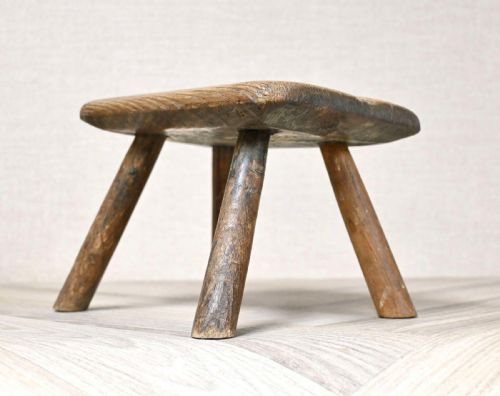
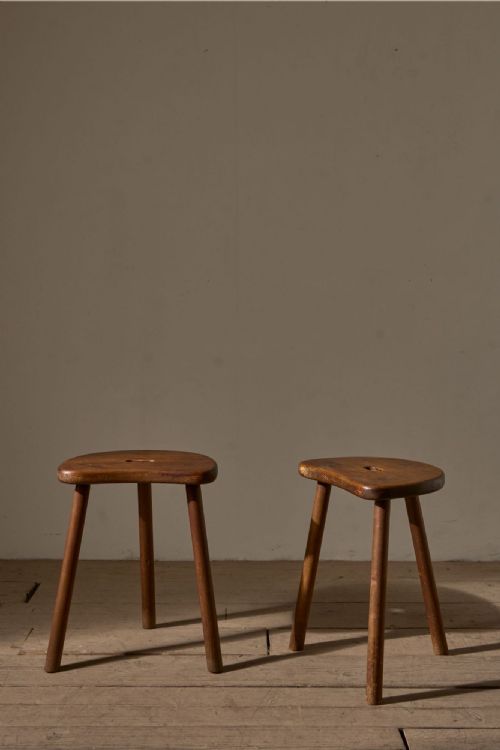
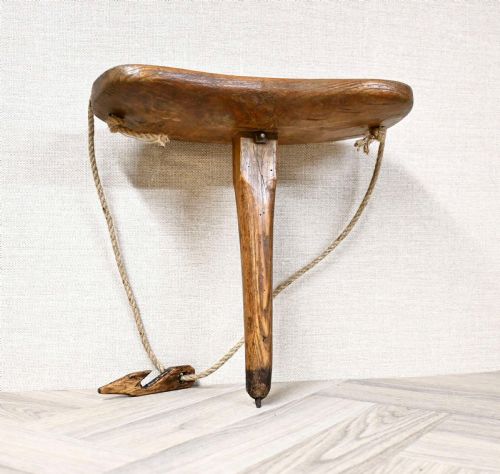
A vernacular carved wooden seat represents the domestic seating traditions of the countryside, ranging from simple three-legged milking stools to high-backed settles and Windsor chairs. These pieces were built by local joiners or householders using available regional woods to serve practical everyday needs rather than to follow metropolitan fashions.
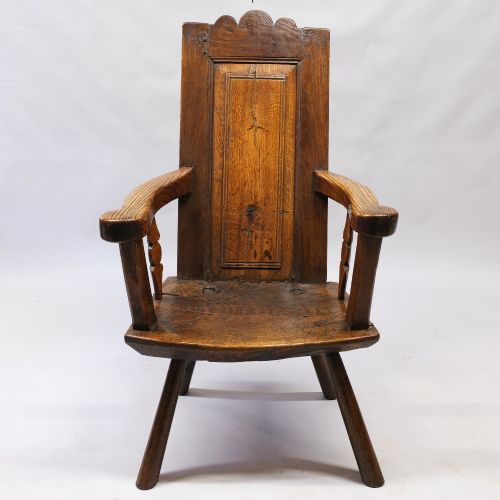
The selection here draws heavily on the nineteenth and eighteenth centuries, alongside Edwardian examples and regional types such as Thames Valley windsors, Welsh high-back settlers, and Swedish dug-out chairs. Forms include armchairs, side chairs, benches, and low stools, often shaped through solid construction methods suited to cottage life.
Buyers seeking a vernacular carved wooden seat will frequently encounter sturdy elm, oak, and ash examples featuring sculpted seats, spindle backs, and panel construction. These items bring functional history and unpretentious form into contemporary rooms.
What varies in quality
Quality rests in the harmony of the timber selection and the integrity of the original construction, where a well-proportioned seat and balanced leg splay indicate a skilled hand. Pieces that retain their genuine surface patina and unreplaced structural members stand apart from heavily restored examples.
The character of the carving and the sculptural depth of a dug-out or sculpted seat differentiate standard utility items from more thoughtful country pieces. Honest wear from generations of use enhances the appeal, provided the underlying frame remains sturdy.
Listings feature oak, elm, pine, and ash across eighteenth and nineteenth-century domestic forms.
Fred Walker Rockley·Wheeler Of Arncroach
The Vernacular Carved Wooden Seat Glossary
- Windsor chair
- A chair built with a solid wooden seat into which the legs, back staves, and bow are separately inserted. This method created a sturdy, lightweight form common across regional workshops.
- Settle
- A high-backed wooden bench with solid arms and a storage box or solid panel base designed to block cold drafts. These heavy seats anchored the hearth in early domestic spaces.
- Dug out chair
- A primitive seating form hewn entirely from a single solid block or trunk of timber. Such pieces relied on mass and simple excavation rather than complex joinery.
- Spindle back
- A chair back constructed from a series of turned or shaped vertical wooden rods. This lighter framing method offered comfortable support without excessive weight.
Vernacular Carved Wooden Seat: Frequently Asked Questions
What is a vernacular carved wooden seat?
A vernacular carved wooden seat is a regional piece of furniture made by local craftsmen using traditional methods and native timber, prioritising utility over high-style fashion.
These items include Windsor chairs, milking stools, and settles produced for everyday cottage and farmhouse life.
How do I date an old wooden stool?
Dating relies on observing tool marks, timber shrinkage, construction methods, and the style of the turnings or sculpted seat.
Early pieces often display adze marks and pegged joints that differ from later nineteenth-century manufacturing techniques.
Where were these country chairs made?
They were made in rural workshops, villages, and farmsteads across Britain and Europe, utilising whatever local woods grew nearby.
Specific regional centres, such as the Thames Valley or Welsh valleys, developed distinct stylistic traits in their Windsor chairs and settles.
How should I care for antique timber?
Antique timber benefits from stable indoor humidity levels away from direct heat sources and harsh sunlight.
Occasional application of natural wax helps nourish the dry wood and preserves the historical surface patina.