

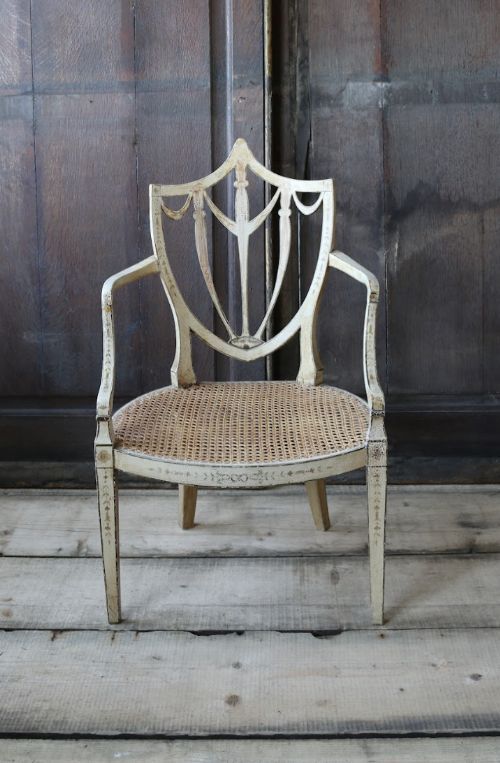


Cream Painted Wooden Chair
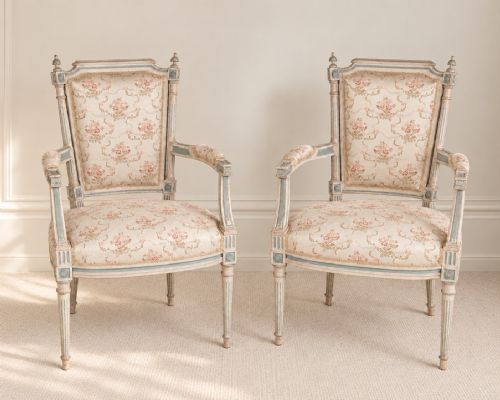
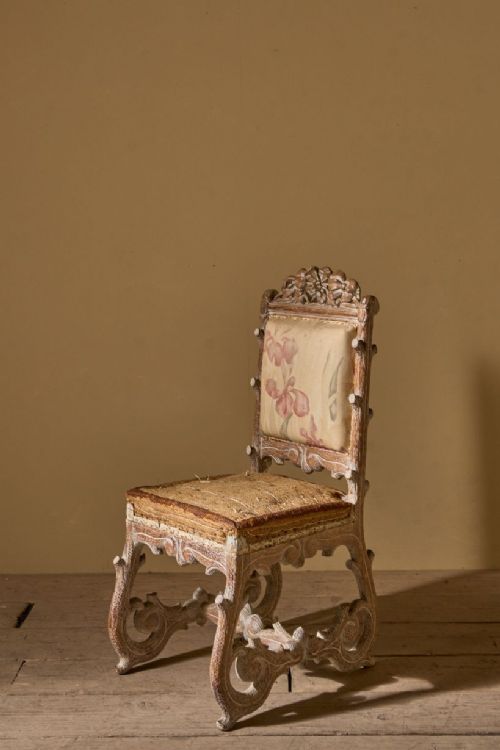
These cream painted wooden chairs bring provincial elegance and formal neoclassical refinement to a room through centuries of European design.
Cream Painted Wooden Chair
A cream painted wooden chair provides functional seating shaped by traditional craftsmanship and historic design movements. When you search for this phrase, you encounter forms ranging from rustic side chairs to grand French armchairs.
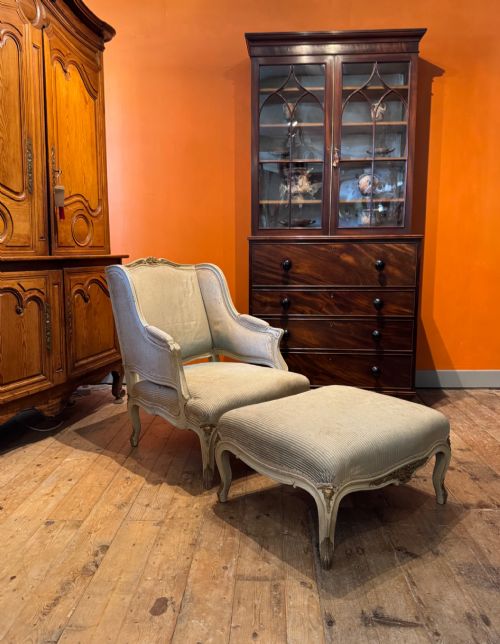
The selections on this page span the eighteenth, nineteenth, and early twentieth centuries, capturing periods from George III Neoclassical to Gothic Revival and French Provincial. Dining chairs, armchairs, and chaise longues appear alongside simpler occasional and hall seating.
Continental pieces predominate, particularly French styles including Louis XV and Louis XVI, alongside Scandinavian designs and British provincial work. Many retain their original or later layered paint finishes, showing soft patination developed over decades.
How they were made
Makers built these frames using sturdy timbers such as beech and beechwood, selected for their strength and ability to hold fine carved detail. Woodworkers shaped structural components through traditional joinery before applying protective and decorative coats of paint.
Surface treatments often involve layered paint finishes, sometimes paired with parcel gilt accents to highlight carved mouldings. Upholstered elements feature traditional textiles like velvet and fabric, while other examples incorporate woven cane seats.
Cream Painted Wooden Chair Retail Price Guide 2026
Typical asking prices for cream painted wooden chair among the pieces listed under this phrase on Sellingantiques today, from the lower quarter to the upper quarter. They describe what is for sale here now, not the wider market.
Listings span the eighteenth century to the 1930s, featuring beechwood frames, woven cane, and velvet upholstery across French, Scandinavian, and British origins.
What varies in quality
The distinction between standard and superior pieces rests on the precision of the carving and the integrity of the wooden frame. Original surface treatments and untouched painted patination carry greater historical interest than later overpainting.
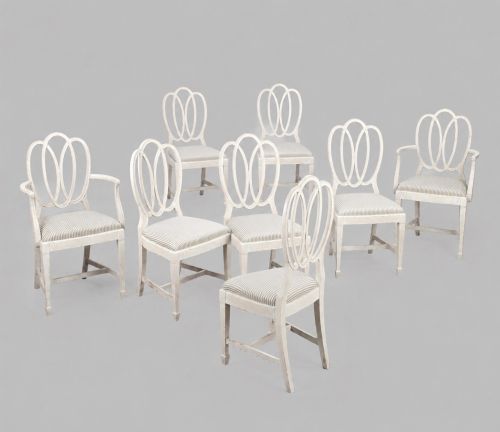
Design sophistication also sets examples apart, moving from simple vernacular dug-out forms to complex stylistic interpretations like Hepplewhite shield-backs or elaborate Louis XV carved armchairs.
Gillows
The Cream Painted Wooden Chair Glossary
- Faux Bois
- A decorative technique mimicking the natural appearance of wood grain using paint. This finish was often applied to nineteenth-century seating to emulate more costly timbers.
- Duchesse Brisée
- A multi-part chaise longue consisting of an armchair and a matching footstool, or two chair units with a low stool between them. These pieces allowed for relaxed reclining in elite French interiors.
- Shield-Back
- A chair back shaped in the outline of a heraldic shield, popularized during the eighteenth century by designers such as Hepplewhite. The wooden frame frequently incorporates carved Prince of Wales feathers or pierced splats.
- Parcel Gilt
- A method of decorating furniture where specific carved details or mouldings receive a thin application of gold leaf over the painted base. This technique highlights particular decorative motifs.
- Cane
- Woven rattan material used to form light, flexible seats and backs on chairs. This technique provided comfortable seating through the Regency period and into the twentieth century.
Cream Painted Wooden Chair: Frequently Asked Questions
How do I date a painted chair?
Dating relies on examining the construction methods of the wooden frame, the style of the carving, and the composition of the paint layers. Regional variations in nineteenth-century and earlier cabinet-making help narrow the timeframe.
Secondary indicators include the presence of original upholstery webbing, hand-cut nails, and the natural wear patterns on the painted surface.
Are painted wooden chairs sturdy enough for daily use?
Most antique seating frames made from beech or hardwood remain structurally sound for regular sitting if the joinery is secure. Historic frames benefit from occasional professional checks to ensure the structural joints stay tight.
Care should be taken with delicate cane panels and antique upholstered surfaces to preserve the original materials over time.
How should I care for original paint finishes?
Preserving original paint requires gentle dusting with a soft dry cloth and avoiding harsh chemical cleaning agents or abrasive modern polishes. Keeping pieces away from direct sunlight and extreme humidity prevents the paint from cracking or flaking.
Maintaining a stable indoor climate protects both the wooden substrate and the historic surface layers from unnecessary degradation.