


Venus Bronze Figurine
A venus bronze figurine captures classical myth in cast metal, bringing centuries of sculptural tradition into a room.
Venus Bronze Figurine
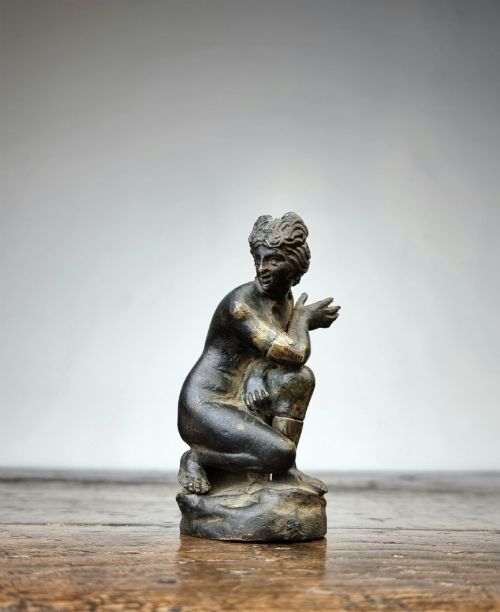
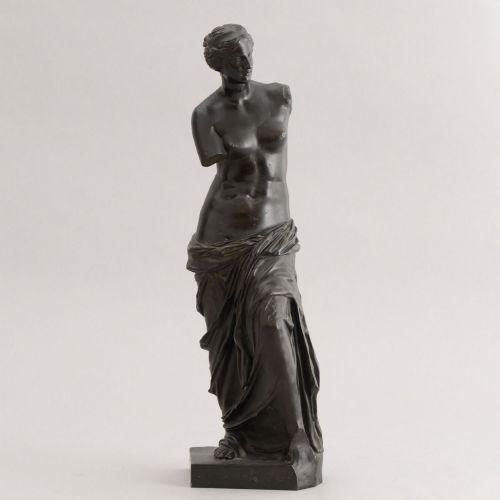
When you search for a venus bronze figurine, you encounter small sculptural works depicting the classical goddess of love, beauty and fertility. These pieces range from reductions of famous ancient statues such as the Venus de Milo and crouching forms to specific neoclassical and baroque interpretations.
The versions most commonly met on this page date from the nineteenth century, including Grand Tour souvenirs and foundry productions from Paris. You also find seventeenth-century examples alongside works from the eighteen-eighties and the nineteen-thirties, reflecting enduring interest in the subject across multiple eras.
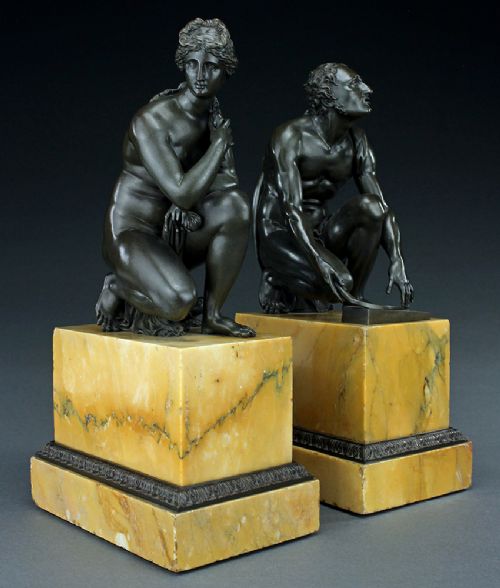
Makers and origins span French foundries like Barbedienne, Italian workshops, and makers such as Ferdinando de Luca. Forms include paired bronzes, individual statuettes, and figures mounted upon bases of Siena marble.
How they were made
These works are created through casting techniques, utilising bronze, brass, and patinated metal to shape the goddess. Many pieces receive a deliberate patination or parcel-gilt treatment to accentuate the modelling of the form.
Foundries often mounted the finished metal figures onto architectural plinths and bases made from carved Siena marble. The reduction of monumental antiquities into cabinet-sized statuettes required skilled craftsmanship in both the metalwork and the stone mounting.
Arrotino joins Venus in the bronze pairing, bringing a knife-grinder into the goddess's classical company.
What varies in quality
The richness of the patination and the quality of the marble base contribute significantly to the character of the object. Superior examples display thoughtful finishing to the bronze surface and harmonious integration with their material mounts.
Barbedienne·Ferdinando de Luca
The Venus Bronze Figurine Glossary
- Grand Tour
- A nineteenth-century journey through Europe undertaken by young gentry to study classical art. Souvenirs purchased on these travels often included small bronze reductions of famous sculptures.
- Patinated bronze
- Metal treated with chemical solutions to produce a specific surface colour and tone. This finish protects the bronze while enhancing the visual depth of the drapery and musculature.
- Parcel-gilt
- A decorative technique where selected areas of the bronze surface are highlighted with applied gold leaf. It draws the eye to specific details of costume or ornament.
- Siena marble
- A distinctive yellow-brown ornamental stone quarried in Italy, frequently used for the architectural bases of neoclassical sculptures. Its rich veining complements the dark tones of cast bronze.
Venus Bronze Figurine: Frequently Asked Questions
What is a Grand Tour venus bronze figurine?
These are nineteenth-century souvenir reductions of classical statues, brought home by travellers touring the cultural sites of Italy and France.
They allowed collectors to display miniature versions of famous museum sculptures in a domestic study or library.
How do I care for a bronze figurine?
Dust the surface gently with a soft, dry brush and avoid using chemical polishes that can damage the patinated finish.
Keep the metal away from direct moisture and extreme temperature fluctuations to preserve the stability of the bronze and any marble mounts.
Are these figures solid bronze?
Many nineteenth-century cabinet bronzes and statuettes are hollow cast to save weight and metal, utilising the lost-wax or sand-casting method.
Heavier examples may be mounted on solid marble bases, but the figures themselves are typically formed from cast metal shells.
How do I identify the period of a figurine?
Look to the casting quality, the style of the marble base, and any foundry stamps or signatures inscribed on the metal.
Nineteenth-century Grand Tour pieces often show specific patination styles and mounting techniques distinct from earlier seventeenth-century works.