



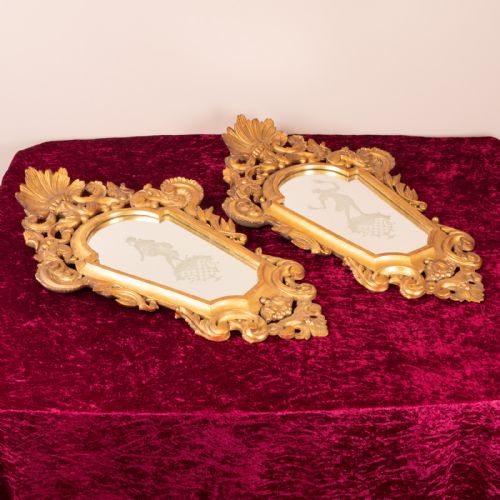
Venetian Style Wall Mirror
These venetian style wall mirror pieces combine centuries of decorative glasswork with ornate frames, offering remarkable reflective depth and historical charm.
Venetian Style Wall Mirror
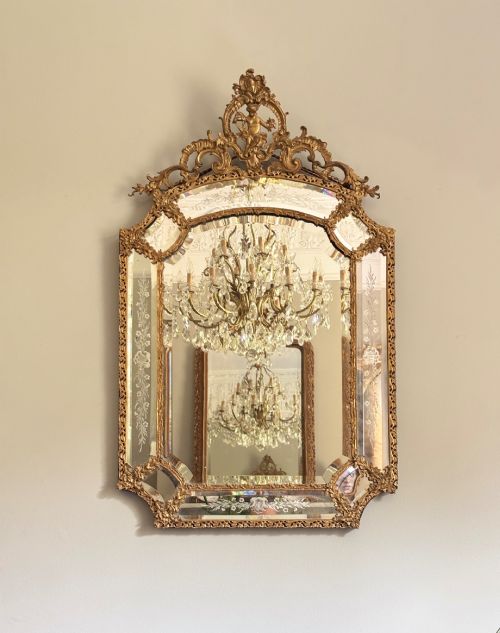
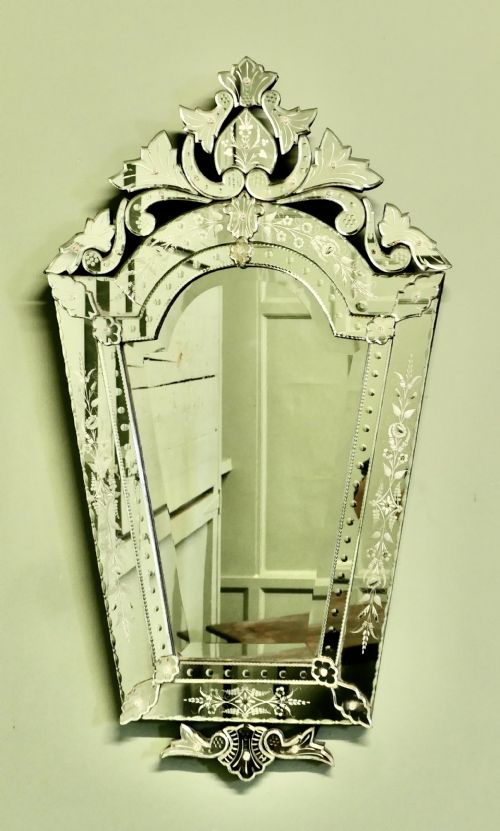
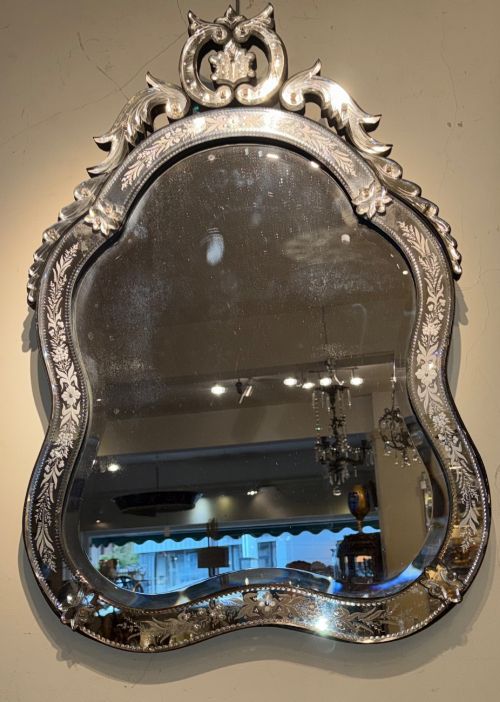
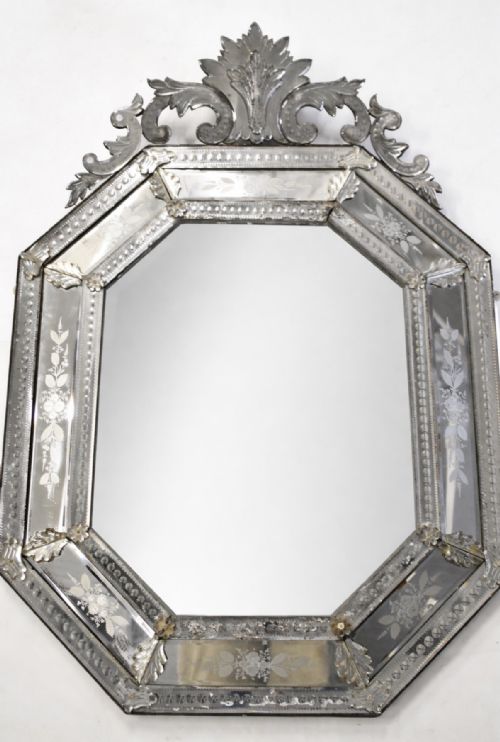
A venetian style wall mirror brings together traditional Italian glass craftsmanship and ornate decorative framing, spanning periods from the eighteenth century through to the mid twentieth century. Buyers seeking this aesthetic will encounter cushion mirrors, engraved plates, and marginal glass designs shaped by Venetian and Rococo traditions.
The selection ranges from grand nineteenth century examples with giltwood or polychrome carved frames to later interpretations featuring cobalt blue glass and ebonised details. Many pieces reflect historical revivals, including Rococo and Art Deco influences, alongside Italian Neo-Classical forms.
Wall mirrors and pier mirrors dominate the available forms, often incorporating intricate cut glass pediments or hand painted wooden elements. These items serve as striking focal points in domestic interiors, valued for their luminous glass surfaces and sculptural framing.
How they were made
Makers constructed the structural elements of a venetian style wall mirror using timber frames of wood, often finished with gesso, gold leaf, or hand painted decoration. Artisans then applied carved giltwood or polychrome details to achieve the characteristic Italian Rococo and Neo-Classical appearances.
The mirror components themselves utilise specialist techniques including engraved plate glass, marginal glass borders, and cushion moulded sections. Workshops integrated cut glass pediments and coloured glass elements, such as cobalt blue margins, to enhance the reflective properties of the glass.
Some nineteenth century artisans experimented with striking cobalt blue glass margins to ensure even the frame caught the candlelight.
What varies in quality
The sophistication of the glass engraving and the precision of the frame carving define the upper tiers of quality in a venetian style wall mirror. Finer examples display deeply cut plate work and intricate hand shaping that demonstrate superior artisan skill.
Materials and finishes also differentiate the examples, with genuine gold leaf and carefully preserved giltwood commanding greater consideration than simpler painted wood surfaces. The integration of complex structural elements like margin edges and ebonised pediments adds distinction.
The Venetian Style Wall Mirror Glossary
- Cushion mirror
- A mirror featuring a convex, outward-curving central plate or marginal panels that create a pillow-like profile.
- Giltwood
- Timber carved and coated with a thin layer of gold leaf or metallic powder for a lustrous decorative finish.
- Girandole
- A decorative wall mirror fitted with attached candle sconces that reflect candlelight across the room.
- Marginal mirror
- A mirror style where smaller shaped glass sections surround a central main plate, often held by decorative clips.
- Pier glass
- A tall mirror specifically designed to hang on the narrow wall space between windows.
Venetian Style Wall Mirror: Frequently Asked Questions
How do I date a Venetian mirror?
Dating relies on examining the construction of the wooden frame, the composition of the mirror glass, and the specific decorative style. Eighteenth-century examples display different carving techniques compared to nineteenth-century revivals or twentieth-century interpretations.
Changes in glass manufacture and silvering methods also provide chronological clues. Closer inspection of the backboards and fixings often reveals the age of the piece.
Where should I hang a wall mirror?
These mirrors suit principal living spaces, hallways, or dining rooms where they can capture and reflect natural light. Placing one above a fireplace mantel or a console table creates a traditional focal point.
Ensure the wall structure can support the weight of carved giltwood and glass frames safely. Proper positioning enhances both the room's illumination and the visual impact of the glasswork.
Are these mirrors fragile?
The combination of historical glass plates and delicate wood or gesso frames requires careful handling and stable environmental conditions. Wall fixings must be robustly installed to bear the substantial weight of the framed glass.
Routine maintenance involves gentle dusting with dry cloths rather than liquid cleaning agents. Professional installation ensures long-term security for heavier pieces.