




Venetian Glass Mirror
Venetian glass mirror objects combine reflective plates with delicate glass framing, bringing lightness and historic Italian artistry to any interior.
Venetian Glass Mirror
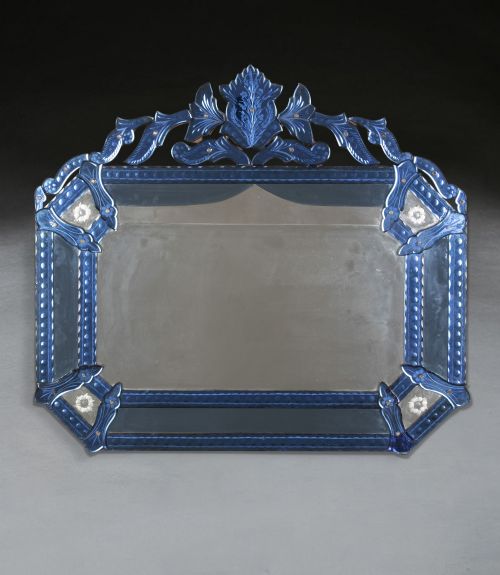
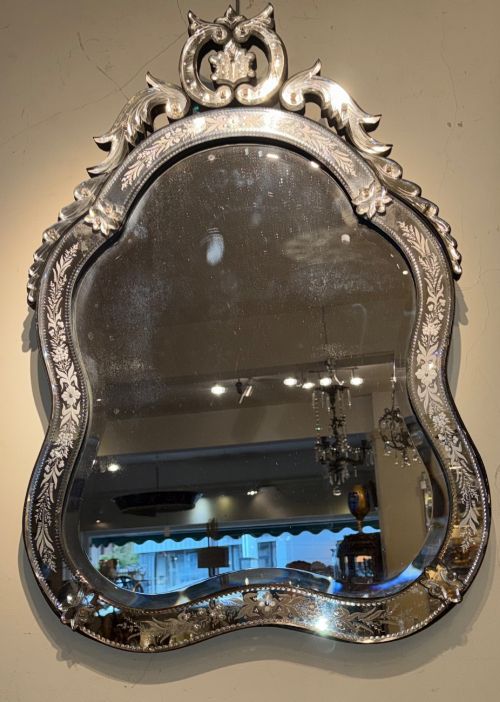
When you search for a venetian glass mirror, you encounter wall-hanging plates, overmantles, and small decorative items created in Italy across several centuries. The versions most commonly met on this page date from the nineteenth and early twentieth centuries, alongside eighteenth-century examples and later interpretations.
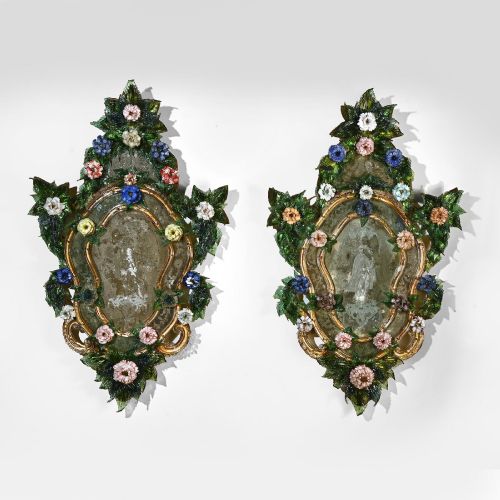
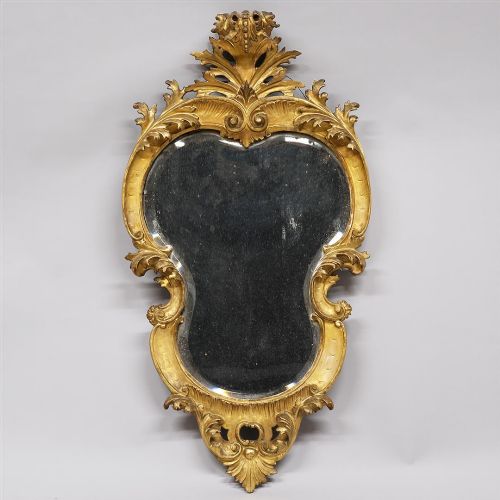
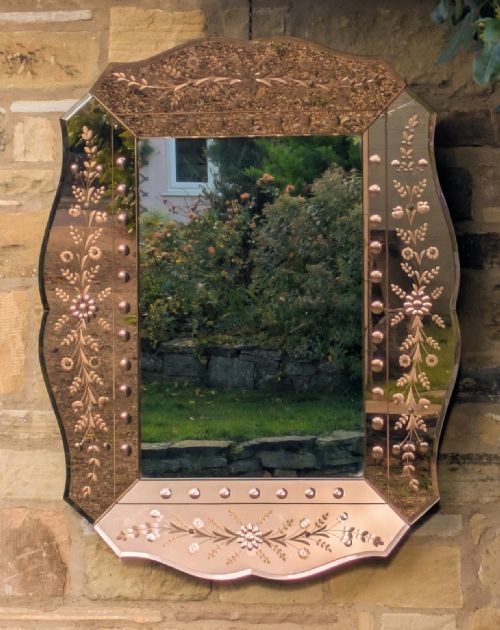
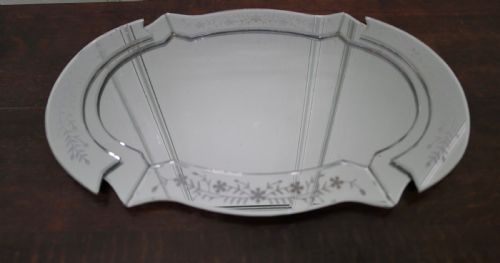
Forms range from large cushion mirrors with margin-edged borders to slender pier glasses, elaborate rococo wall pieces, and occasionally utilitarian items like trays. Many examples incorporate coloured glass elements such as blue, ruby red, peach, or pink borders framing the central plate.
How they were made
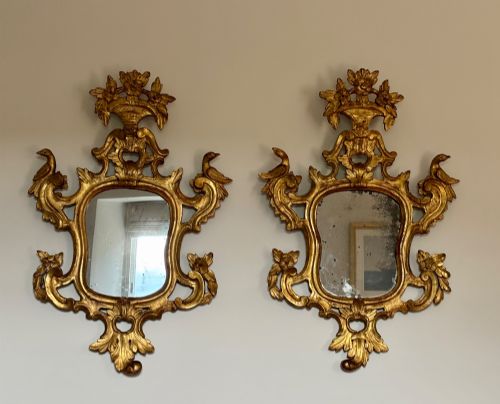
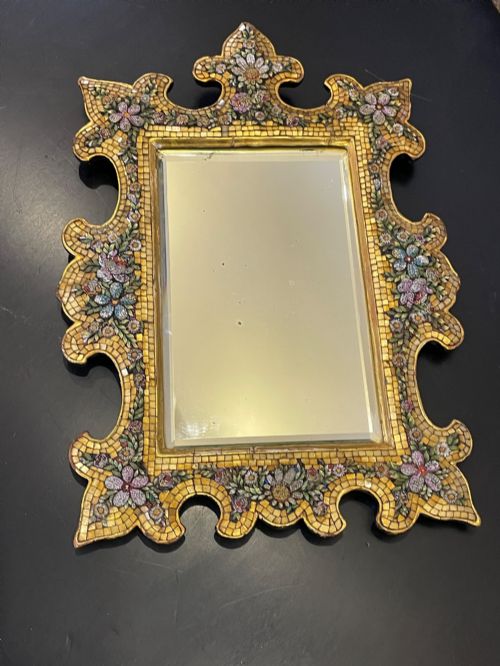
Makers constructed these pieces using glass, wood, and metal, frequently mounting mirror plates within carved giltwood frames or velvet-covered structures. Gilding techniques employed gold leaf or silver leaf over wooden carcases to support intricate decorative elements.
Artisans applied cut, etched, and hand-painted surface treatments directly onto the glass plates and marginal borders. Murano glass traditions informed much of this production, alongside Italian woodcarving methods that shaped the rococo frames.
Listings span the eighteenth, nineteenth, and twentieth centuries, incorporating materials like giltwood, metal, and coloured glass.
What varies in quality
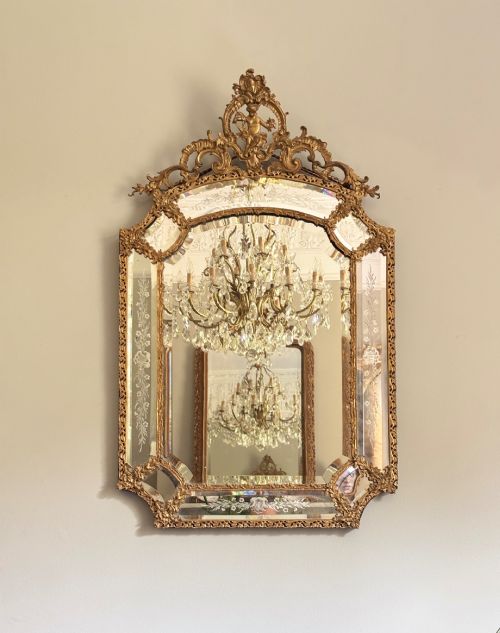
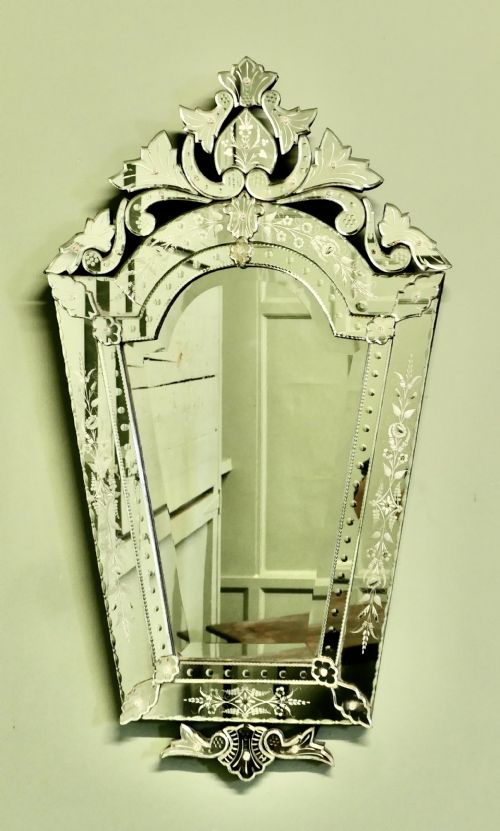
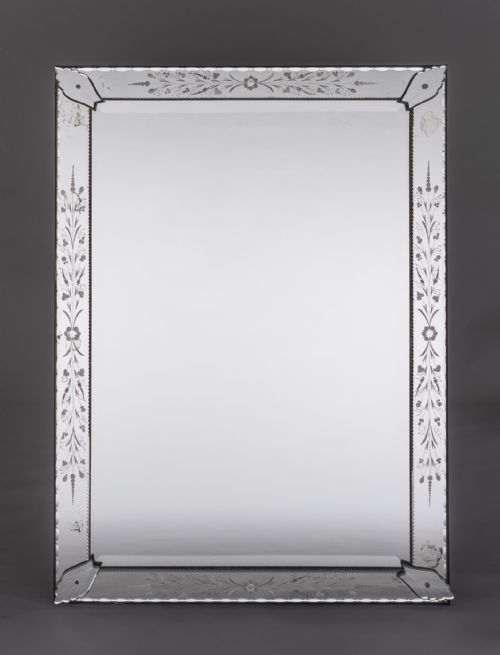
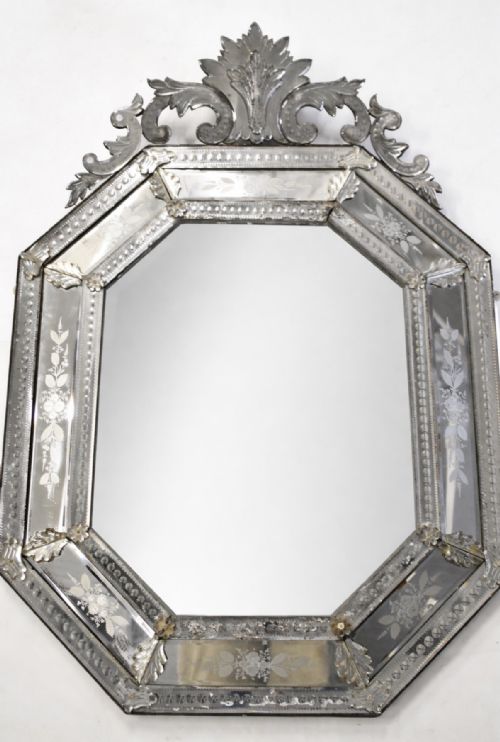
The degree of artistic ambition in the hand-cut and etched glass ornamentation separates simpler output from exceptional work. Fine examples display deep bevelling, precise wheel-cutting, and delicate floral or geometric motifs across the marginal plates.
The sophistication of the underlying frame construction also dictates the standing of a piece. Skilled carving on giltwood elements and the integration of coloured glass borders elevate the overall design far beyond standard production.
The Venetian Glass Mirror Glossary
- Cushion mirror
- A wall glass featuring a convex, outward-curving profile constructed from multiple angled marginal plates. This configuration reflects light across various planes in the room.
- Margin-edged mirror
- A glass plate surrounded by smaller, separately secured border pieces of glass, frequently held in place by decorative metal clips or rosettes. These borders are often decorated with wheel-cut designs.
- Overmantle mirror
- A long, horizontal glass designed specifically to hang above a fireplace mantelpiece. These pieces often feature extensive etched decoration to fill wide wall spaces.
- Giltwood
- Timber carved and coated with a thin layer of gold leaf or metallic paint. It provides a reflective, ornate border that complements the glass components.
- Murano glass
- Glassware produced on the Venetian island of Murano, renowned for centuries of specialised manufacturing techniques. It encompasses coloured, etched, and layered glass components found on these frames.
Venetian Glass Mirror: Frequently Asked Questions
How do I date a venetian glass mirror?
Dating relies upon examining the construction methods of the wooden backing, the mounting of the glass plates, and the style of the etching. Earlier eighteenth-century examples display different bevel characteristics and framing techniques compared to nineteenth-century revival or Art Deco pieces.
Hand-cut details and the composition of the glass itself offer further clues to age. Comparing the piece against documented stylistic periods helps narrow down the decade of manufacture.
Where should I hang an overmantle mirror?
An overmantle mirror sits naturally above a fireplace, anchoring the room's proportions and reflecting natural light from windows. Ensure the wall structure securely supports the weight of the frame and glass plate.
Positioning the glass at an appropriate height maximises its reflective capacity and balances surrounding furnishings. Avoid damp walls that might affect the wooden backing or silvering behind the glass.
How do I clean a fragile glass frame?
Clean the mirrored surfaces gently with a soft cloth and a minimal amount of mild glass cleaner applied to the cloth rather than the frame. Keep moisture away from the edges where the glass meets the wooden or metal backing.
Exercise caution around etched and painted areas to prevent wearing away delicate surface details. Regular dusting with a dry microfiber cloth prevents the accumulation of grime in recessed cuts.
What causes foxing on antique glass?
Foxing occurs when moisture and air degrade the silver backing behind the glass plate over long periods. This chemical reaction creates small dark spots, cloudiness, or mottled patches across the reflection.
Many collectors view minor foxing as an authentic indicator of age rather than a defect. It adds historic character to nineteenth-century and earlier pieces.