




Veneered Dining Table
A veneered dining table brings rich timber figure and historic grain patterns straight to the heart of the room.
Veneered Dining Table
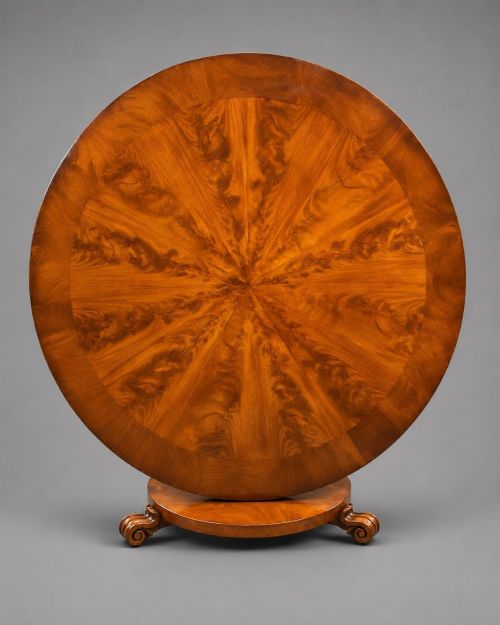
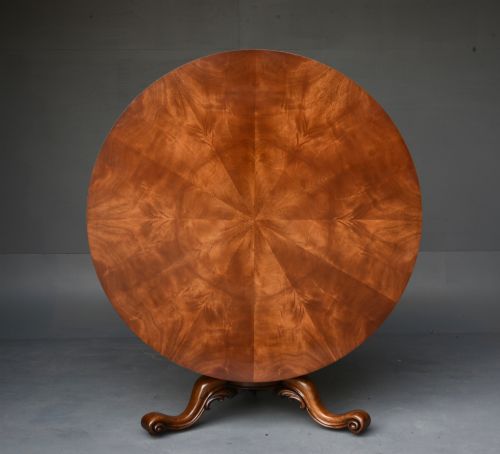
A veneered dining table is a surface designed for gathering, defined by a thin decorative layer of figured timber laid over a stable base wood. When you search for a veneered dining table, you meet pieces stretching from the nineteenth century through the Art Deco era.
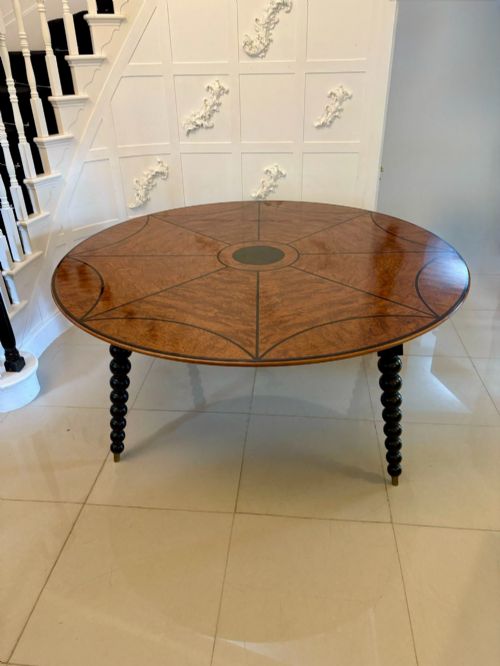
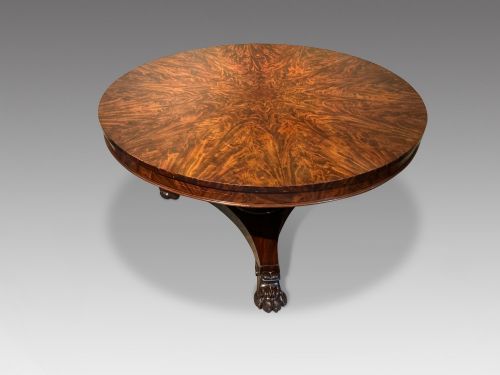
The selections span distinct historical movements, including Victorian, Regency Revival, and Scandinavian Art Deco examples. Forms range from round centre tables with segmented tops to large extending tables accompanied by matching chairs.
How they were made
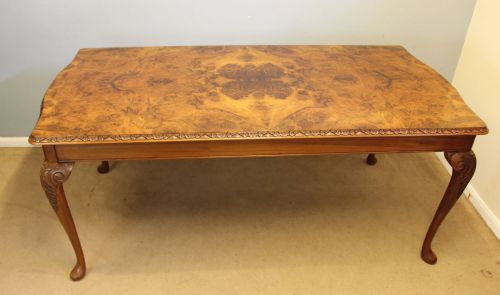
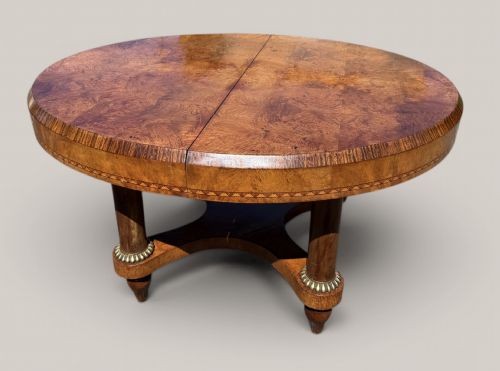
Cabinet makers utilised choice timbers such as mahogany, walnut, burr oak, and satinwood to create striking visual patterns across the tabletop. These fine veneers were carefully sawn and laid down in radial or segmented arrangements to showcase the natural grain.
Inlaid details in contrasting woods and brass accents frequently frame the outer edges of the surface. Structural elements beneath the veneer rely on solid timbers to provide the necessary support for daily dining use.
Veneered Dining Table Retail Price Guide 2026
Typical asking prices for veneered dining table among the pieces listed under this phrase on Sellingantiques today, from the lower quarter to the upper quarter. They describe what is for sale here now, not the wider market.
Materials listed include burr walnut, flame mahogany veneer, satinwood, and brass.
What varies in quality
The sophistication of the timber selection dictates much of the visual merit, with complex burr formations and matched veneer panels sitting at the higher end. The precision of the joinery where the segments meet in the centre reveals the maker's hand.
Proportion and the integrity of the underlying structure also separate standard production from superior craftsmanship. Tables that retain their original polished finish and exhibit thoughtful inlay work demonstrate greater depth of character.
Hille
The Veneered Dining Table Glossary
- Veneer
- A thin slice of figured wood applied over a secondary timber base to create decorative surfaces. This technique allows makers to display striking grain patterns that would be unstable or too costly in solid form.
- Segmented top
- A tabletop constructed from multiple wedges of veneer arranged symmetrically around a central point. This layout often creates a striking geometric sunburst effect.
- Burr walnut
- A prized timber harvested from the growth excrescences on walnut trees, yielding swirling, knotty grain patterns. It is highly valued for its decorative appearance on table surfaces.
- Extension mechanism
- The internal system that allows a dining table to pull apart and accept additional leaves. This feature adapts the furniture for larger gatherings.
- Centre table
- A freestanding table designed to be viewed from all sides rather than pushed against a wall. These pieces often feature circular tops and central pedestals.
Veneered Dining Table: Frequently Asked Questions
How do I care for a veneered dining table?
Keep the timber away from direct sunlight and excessive heat sources to prevent the polish from fading or drying out. Use placemats and coasters to protect the surface from moisture and heat rings.
Polish the wood occasionally with a traditional wax to maintain the lustre of the grain. Avoid harsh chemical cleaners that can strip the historic finish from the veneer.
Are these tables suitable for everyday use?
These tables were built to accommodate family meals and gatherings, constructed with sturdy internal framing beneath the decorative veneers. Many incorporate extension systems designed to handle daily adjustments.
Treating the surface with reasonable care ensures the timber remains resilient over time. The robust construction of nineteenth-century and Art Deco examples supports regular domestic life.
How can I tell the period of the table?
Examine the overall silhouette, leg design, and secondary timbers used beneath the main surface. Art Deco examples often feature geometric banding and streamlined pedestals, while nineteenth-century pieces display heavier mahogany or walnut framing.
Inlay styles and the complexity of the veneer work also offer strong clues to the decade of manufacture. Comparing the construction methods to known historical periods clarifies the timeline.
What is the difference between a centre table and a dining table?
Centre tables are typically smaller, freestanding pieces meant to anchor a room or display decorative objects. They often feature a single central pillar and a circular top.
Dining tables are scaled for seating multiple people around a meal, frequently including mechanisms to extend the length. While some centre tables double as dining surfaces, traditional dining tables prioritise legroom and seating capacity.