


Vase of Flowers Artwork
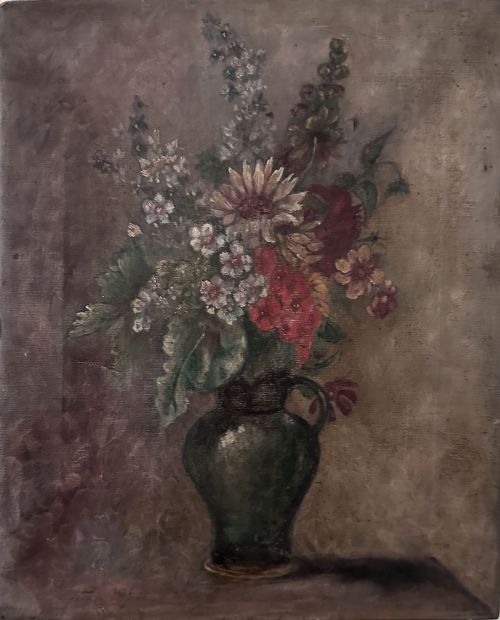
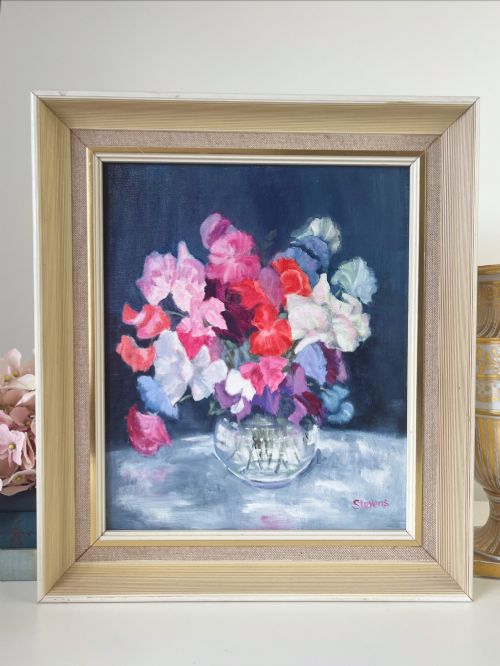
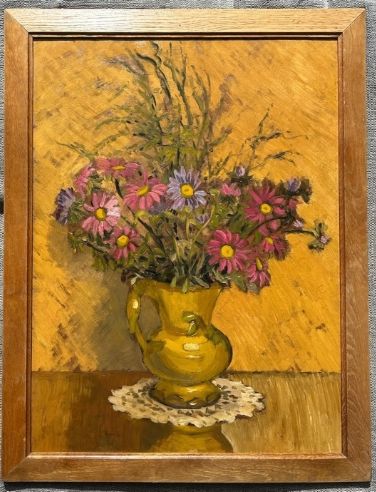
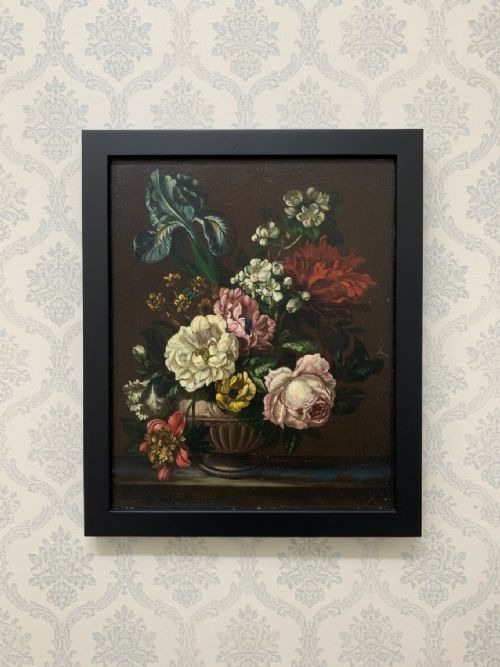
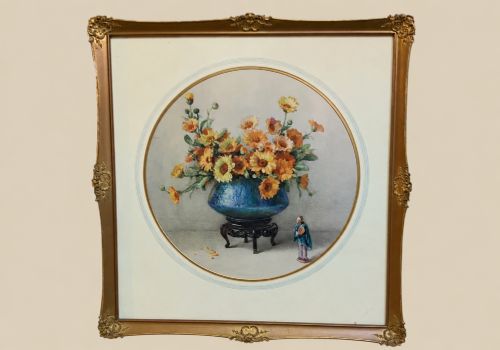
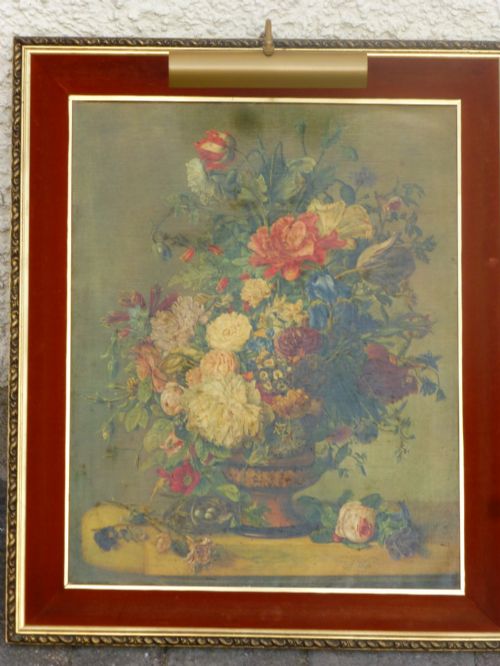
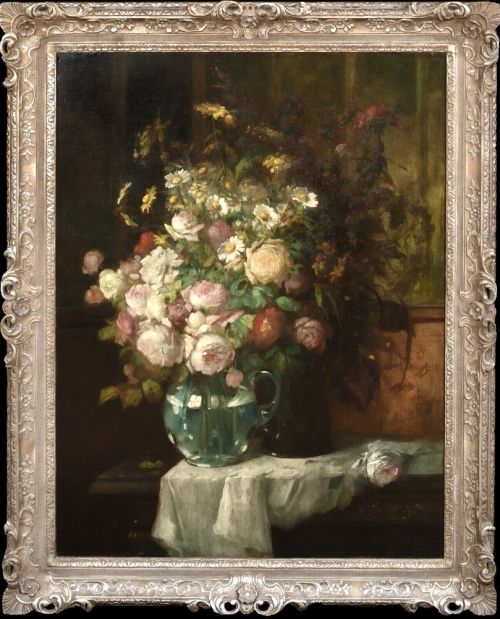
These vase of flowers artwork pieces capture floral still life paintings and watercolours across periods ranging from the eighteenth century to the mid-twentieth century.
Vase of Flowers Artwork
A vase of flowers artwork brings together centuries of painting traditions, focusing on floral compositions rendered in oil and watercolour. Buyers search for these pieces to introduce classic still life studies into domestic interiors.
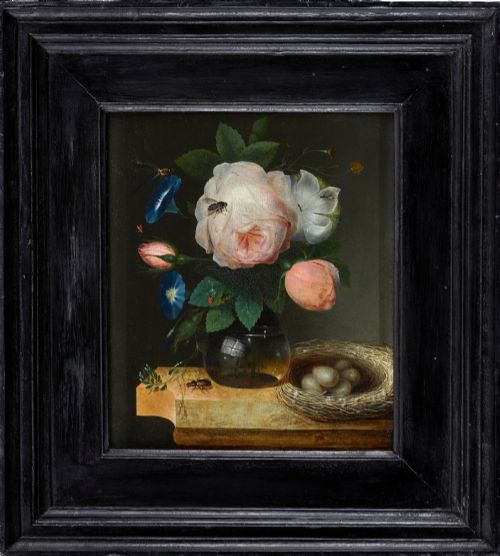
The selection on this page centres heavily on twentieth-century interpretations, including mid-century modern and British impressionist approaches. Alongside these, nineteenth-century works and older panel paintings appear, reflecting Dutch and Flemish traditions of flower painting.
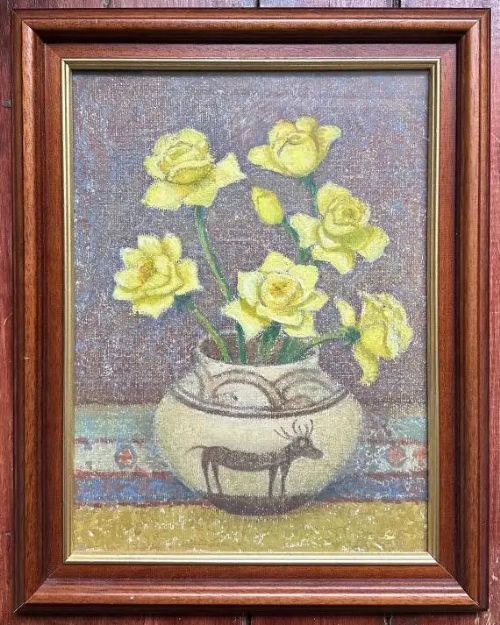
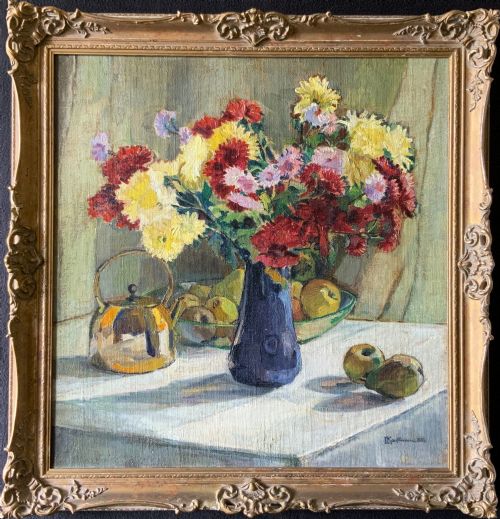
The physical formats vary from oil paint on canvas and board to delicate watercolours on paper. Subjects range from simple studies of yellow roses and chrysanthemums to complex arrangements set beside Chinese objects or within domestic interiors.
What Varies in Quality
Quality rests in the handling of light, shadow, and botanical structure by the artist. Stronger works demonstrate confident brushwork and precise colour harmony, bringing depth to petals and foliage rather than relying on flat representation.
The distinction between standard decorative pieces and finer works involves the artist's ability to render texture, such as the reflection on a silver vase or the translucency of glass, alongside the preservation of the original paint surface.
Still life subjects include domestic pottery, glass vessels, and silver vases holding seasonal blooms.
Kenneth Cozens·Anton Weiss·Konstantin Stoitzner·Emma Fordyce MacRae·Gaspar Peeter Verbruggen·Owen Bowen·Henrietta Creswell·William Edward Fox·Florence Hess·Lester Sutcliffe·Stuart Armfield·Phyllis I Hibbert·Jabez Bligh·Henry Schouten·Jennifer Toombs·Elizabeth T Sutcliffe·Emily Selinger·William Thomas Wood·Harold Edward Conway·Edith Alice Andrews·Freda Marston·Rowland Henry Hill·Terence Loudon·Robin MacKertich
The Vase of Flowers Artwork Glossary
- Still life
- An artwork depicting inanimate subject matter, typically commonplace objects such as flowers, fruit, or vessels. These compositions allow artists to focus on arrangement, light, and colour.
- Oil paint
- A slow-drying paint made by combining pigments with a drying oil, most commonly linseed oil. It permits smooth blending and thick impasto application.
- Watercolour
- A paint where the colour pigments are suspended in a water-based solution. Works on paper utilise its translucent qualities for luminous floral studies.
- Impressionism
- A style of painting that focuses on capturing the visual impression of the moment, paying attention to shifting light and unblended brushstrokes. British and European variations appear frequently in floral subjects.
- Panel painting
- A painting executed on a flat panel of wood, such as oak, rather than canvas. This traditional support provides a rigid surface often seen in older works.
Vase of Flowers Artwork: Frequently Asked Questions
What periods do these floral artworks come from?
The pieces span multiple eras, starting from eighteenth-century Dutch school panels up through Victorian watercolors and mid-twentieth-century oil paintings.
Twentieth-century modernist and impressionist works form a significant part of the selection alongside traditional nineteenth-century studies.
What painting techniques are used in these pieces?
Artists utilised oil paint on canvas, board, and wood panels to build rich textures and deep colour layers. Others worked in watercolour on paper for lighter, translucent floral renderings.
Tempera and pastel mediums also appear among the twentieth-century selections on this page.
How should I hang and display a floral painting?
Protect the artwork from direct sunlight to preserve oil pigments and watercolor papers over time. Selecting a wall away from excessive moisture ensures the canvas or panel remains stable.
Matching the frame, whether gilt or simple wood, to the period of the painting enhances its presentation in a room.
What is the difference between oil and watercolour still lifes?
Oil paintings offer heavier texture, deeper colour saturation, and the ability to layer paint thickly on canvas or board. Watercolours provide a delicate transparency on paper, emphasising soft washes and lighter tones.
Both mediums captured botanical subjects differently across the Victorian and mid-century periods.