


Uzbekistan Tribal Wall Hanging
These textile panels and wall hangings bring bold Central Asian patterns and rich embroidery into modern rooms.
Uzbekistan Tribal Wall Hanging
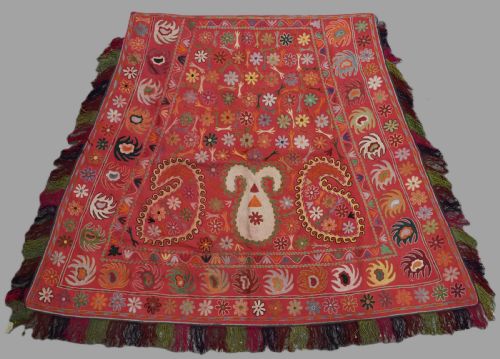
When you search for an uzbekistan tribal wall hanging, you encounter historic textiles originating from Central Asia, often grouped under Central Asian tribal and folk art styles. The pieces available here span from the mid-nineteenth century through the early twentieth century, capturing a distinct period of traditional needlework.
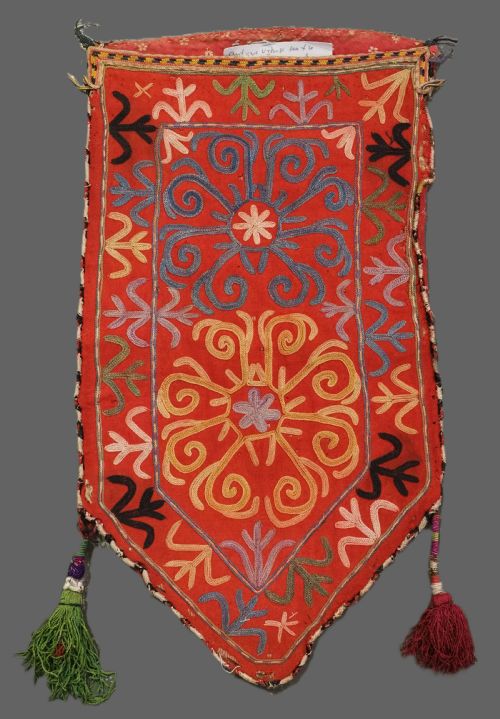
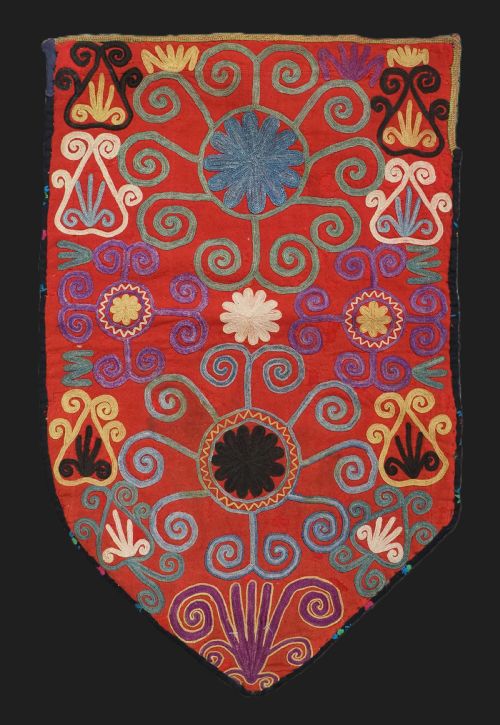
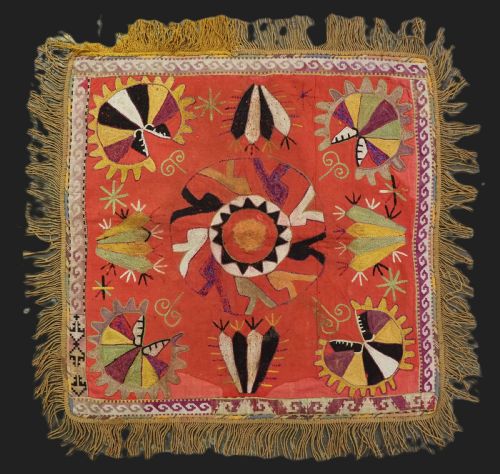
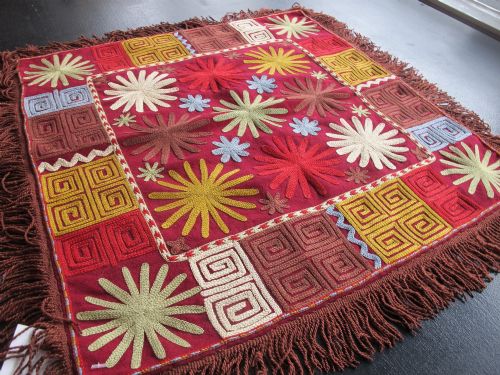
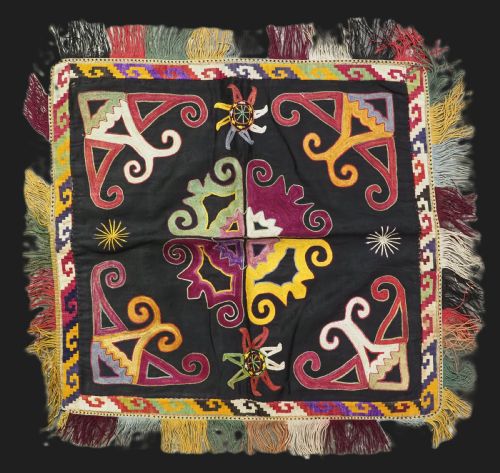
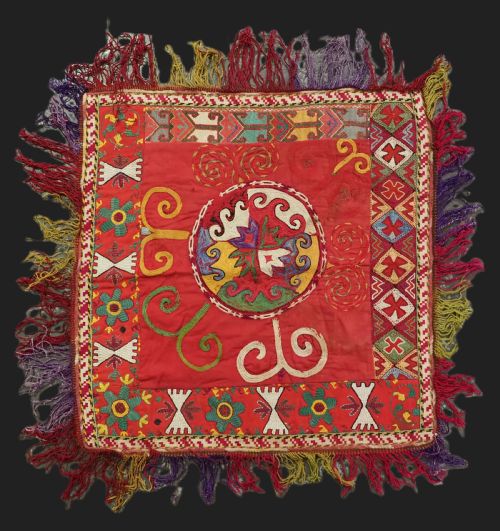
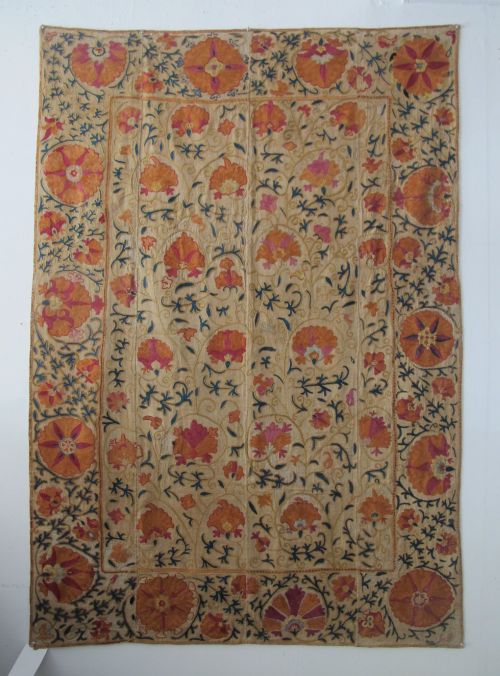
You are most likely to meet dowry embroideries, horse covers, and saddle rugs alongside suzanis and kilim panels. Many items stem from specific regional groups such as the Lakai tribe, the Kungrad region, and Shakrisabz, reflecting domestic traditions adapted for vertical display.
These objects function visually as textiles and tapestries, shifting from functional horse gear or dowry items into decorative wall art. Each panel or hanging demonstrates regional motifs passed down through generations of makers in Uzbekistan.
Materials and Construction
Makers utilised natural fibres such as cotton, wool, and silk, combining woven foundations with surface decoration. Silk thread provides the vibrant sheen seen on suzanis andilgich panels, stitched across cotton or wool backings.
Techniques range from dense silk embroidery to flatwoven kilim panels constructed in separate strips. Pieces like the Gajeri or Ghudjeri kilims often originate from utilitarian tent bands repurposed into smaller formats.
The listings span creation dates from the mid-nineteenth century up to the 1920s, utilising cotton, wool, silk, and silk thread.
Evaluating the Pieces
The density and complexity of the stitchwork separate standard panels from more elaborate examples. Full-work suzanis and double-faced pieces demonstrate greater time investment and technical skill from the maker.
Survival of bright original dye colours and structural integrity across silk threads and cotton grounds dictate the visual impact of an individual textile. Regional specificity, such as attribution to the Lakai tribe or Shakrisabz, adds definition to the weaving and embroidery traditions represented.
Lakai Tribe·Tashkent
The Uzbekistan Tribal Wall Hanging Glossary
- Suzani
- An embroidered Central Asian textile panel traditionally made as part of a bride's dowry. These large wall hangings feature bold floral and geometric motifs stitched in silk thread.
- Ilgich
- A specific form of embroidery or hanging originating from Central Asian groups. These pieces often served ceremonial or domestic decorative functions.
- Torba
- A bag face or hanging associated with tribal groups in Central Asia. They display traditional geometric patterns woven or embroidered by nomadic makers.
- Kilim
- A flatwoven textile lacking a pile, produced on a vertical or horizontal loom. Uzbek examples include panels made in joined strips or adapted from tent bands.
- Nim suzani
- A smaller version of the standard suzani wall hanging. These half-size embroidered covers provide dense decorative impact in a more compact format.
Uzbekistan Tribal Wall Hanging: Frequently Asked Questions
What is a suzani wall hanging?
A suzani is an embroidered textile panel created in Uzbekistan as part of a traditional dowry. These pieces use silk thread on cotton or wool grounds to display large-scale floral and geometric motifs.
Historically made by women for family milestones, they now function primarily as decorative wall art in modern interiors.
How do I hang a textile safely?
Mounting delicate textiles requires distributing the weight evenly across the entire upper edge to prevent stretching or fibre damage. Professional framing behind UV-filtered glass or a stitched fabric sleeve method works best for older items.
Avoid direct sunlight and high-humidity areas to protect the natural silk threads and cotton foundations from fading or deterioration.
What distinguishes Lakai embroideries?
Lakai tribal pieces often feature dynamic, geometric designs executed in vibrant silk embroidery. These works frequently originated as horse covers, saddle rugs, or dowry items rather than standard wall hangings.
The distinctive use of colour and asymmetric motifs sets them apart from urban workshop suzanis.
How are kilim panels constructed?
Kilim panels are flatwoven textiles made by interlocking coloured warp and weft threads without creating a pile. Uzbek examples are sometimes constructed in multiple narrow strips and then joined together.
Utility items like tent bands were also repurposed into smaller panels and wall hangings.
What does nim suzani mean?
The term nim translates to half, indicating a suzani made in a smaller dimension than full-scale wall hangings. These pieces retain the same dense silk embroidery and regional motifs in a more manageable size.
They offer the visual impact of traditional needlework suited for smaller wall spaces.