


Uzbekistan Silk Embroidery
Uzbekistan silk embroidery brings bold Central Asian textiles into modern interiors as striking wall hangings and decorative panels.
Uzbekistan Silk Embroidery
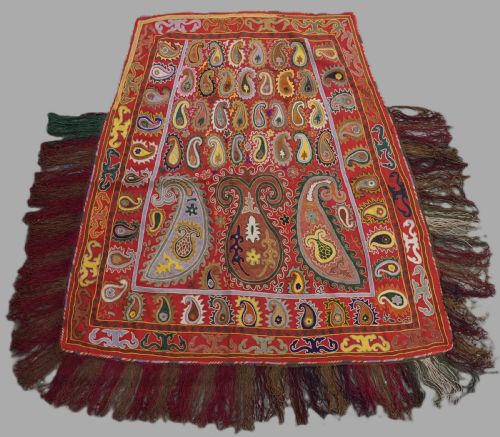
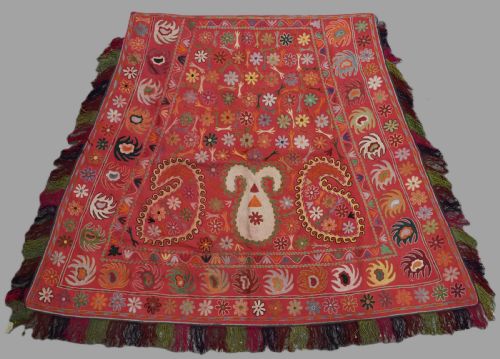
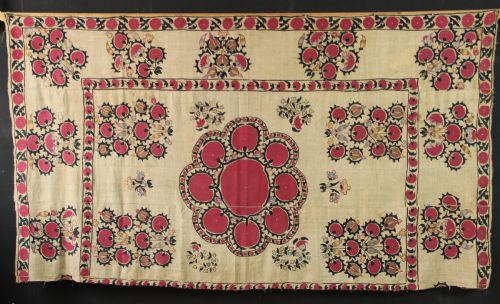
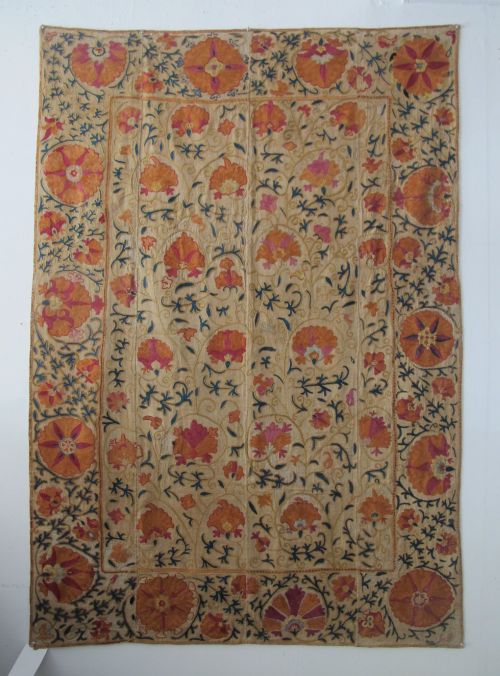
When you search for uzbekistan silk embroidery, you encounter rich wall hangings, ceremonial horse covers, dowry pieces, and garments originating from Central Asia. These items stem largely from the nineteenth and early twentieth centuries, reflecting traditional regional artistry.
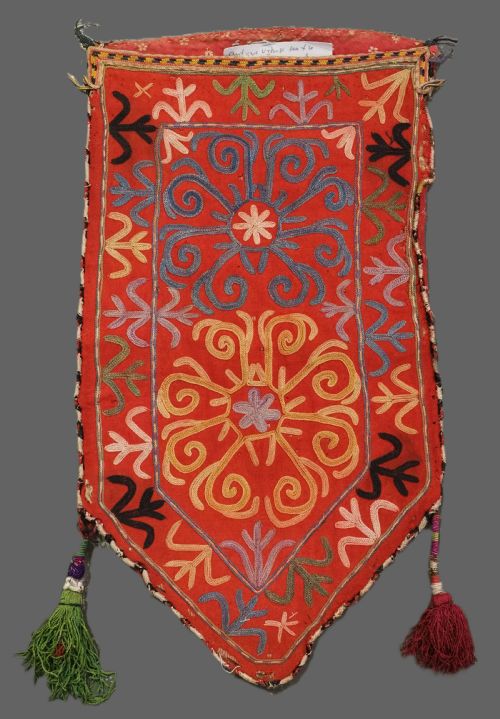
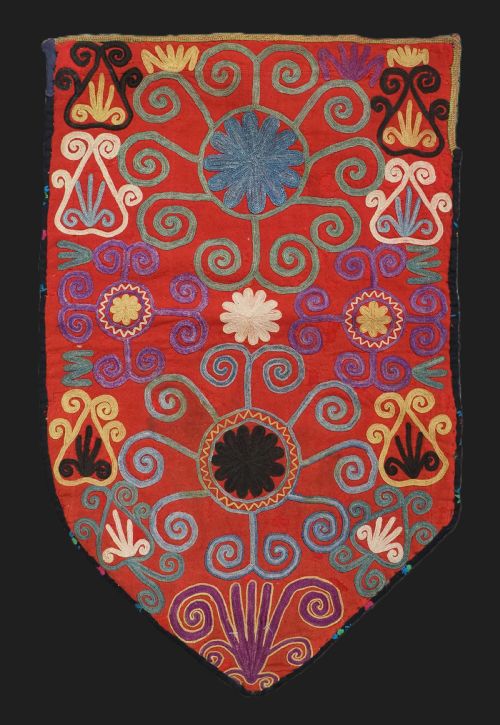
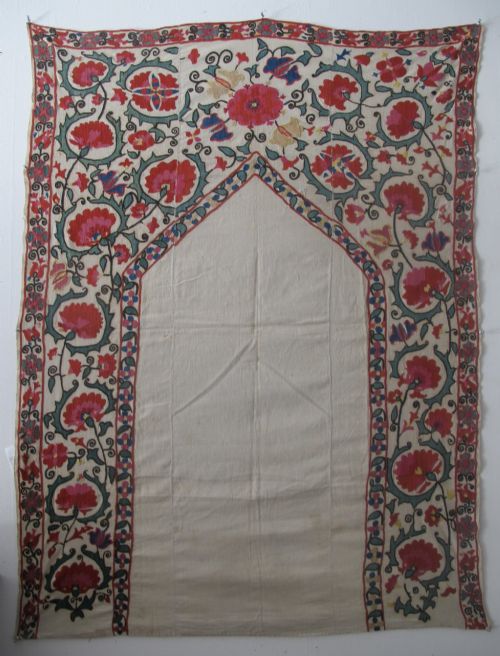
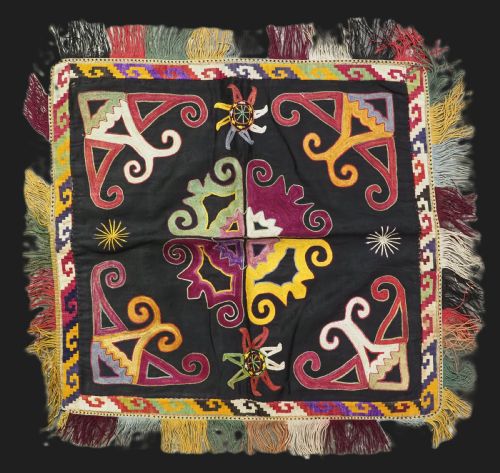
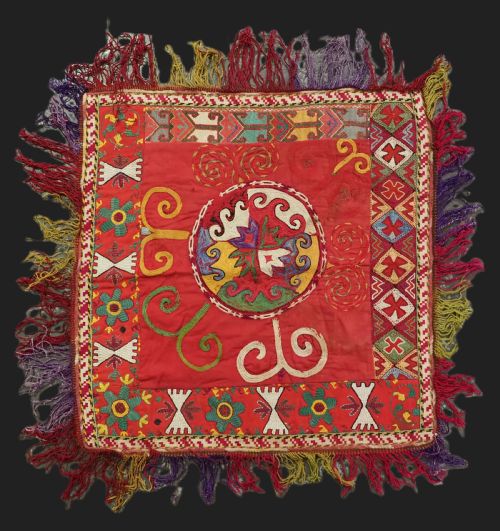
The pieces on this page are dominated by suzani embroideries and Lakai tribal works, including specific regional types like Bokhara, Nurata, Tashkent, and Ura Tube examples. They function primarily as textile art and decorative hangings, displaying varied geometric and architectural motifs.
How they were made
Artisans built these textiles using silk thread and silver thread worked onto supportive grounds of cotton, linen, velvet, or wool. The needlework forms dense, textured surfaces through specialised stitching techniques.
Makers laid vibrant silk embroideries over dyed cotton or wool foundations, sometimes creating double-faced items or incorporating metal thread brocade work into garments and covers.
Several ceremonial horse covers remind us that early owners cared deeply about travelling in absolute style.
What varies in quality
Quality rests upon the density of the needlework and the complexity of the design, with full-work panels showing exceptional coverage. The vibrancy of the dyes and the preservation of the delicate silk and metal threads also determine the stature of each piece.
Regional execution matters greatly, as finer workshops achieve sharper architectural layouts and more intricate tribal motifs. The structural integrity of the underlying cotton or linen ground completes the evaluation.
The Uzbekistan Silk Embroidery Glossary
- Suzani
- A traditional embroidered tribal textile from Central Asia, typically used as a wall hanging or decorative cover. These large pieces feature elaborate botanical and geometric silk needlework.
- Ilgich
- A specific form of Central Asian embroidery used for dowries and wall hangings. They frequently originate from the Lakai tribe.
- Nim Suzani
- A smaller version of the standard suzani wall hanging, translating to half suzani. These compact textiles suit more intimate interior spaces.
- Torba
- A traditional hanging bag or storage piece created by tribal makers. They display dense regional embroidery and characteristic nomadic patterns.
- Bokhara
- A renowned historical centre for textile production in Uzbekistan. Pieces from this region are celebrated for distinct architectural designs and refined execution.
Uzbekistan Silk Embroidery: Frequently Asked Questions
How were suzanis used originally?
These large embroidered textiles served primarily as dowry items, created by families for wedding ceremonies. They functioned as wall hangings, decorative covers, and ceremonial furnishings within traditional Central Asian homes.
Over time, many pieces transitioned into functional displays of wealth and artistic skill within the household. Today, collectors preserve them primarily as wall art and statement interior textiles.
What is a Lakai embroidery?
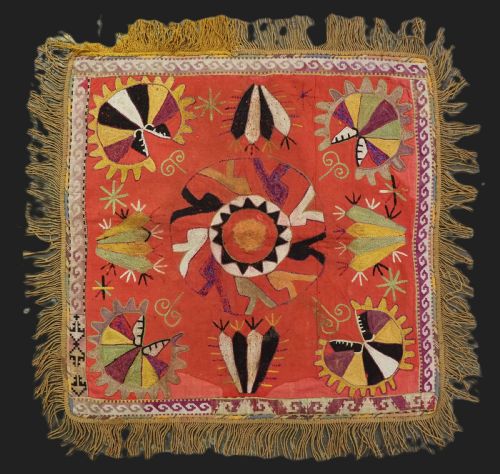
Lakai embroideries originate from the Lakai tribal groups of Uzbekistan and Central Asia. They are easily recognised by energetic, abstract geometric motifs and dynamic compositions.
These pieces often include small saddle covers, horse trappings, and dowry hangings like the ilgich. Their distinct aesthetic differs from the more floral urban suzanis.
How do I hang an antique textile?
Hanging these delicate silk embroideries requires proper weight distribution to prevent stress on the antique cotton or linen ground. Professional conservators often recommend stitched fabric sleeves paired with concealed mounting rods.
Direct sunlight and high humidity must be avoided to protect the natural silk threads and dyed grounds from fading. Proper framing behind UV-filtered glass offers additional protection for smaller panels.
How can I tell regional styles apart?
Regional styles reveal themselves through distinct design vocabularies, colour palettes, and structural layouts. Urban centres like Bokhara and Tashkent often utilised large-scale floral and architectural arrangements.
Tribal groups such as the Lakai favoured compact geometric motifs and heavy, saturated colour fields. Examining the ground fabric and stitch density also helps pinpoint the origin.