

Uzbek Tribal Hanging
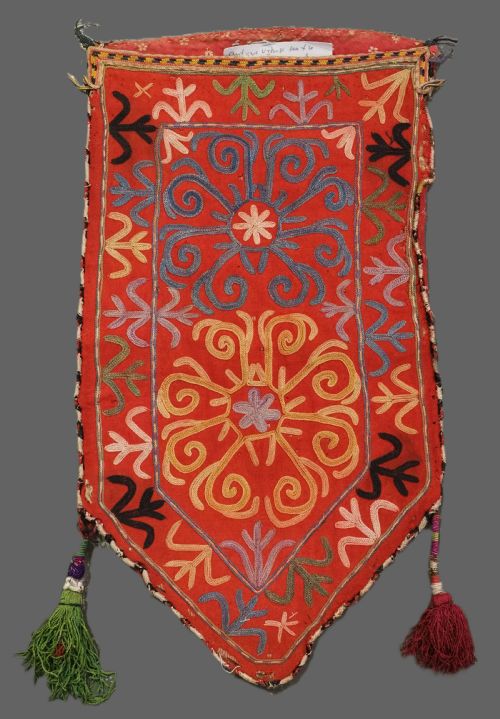
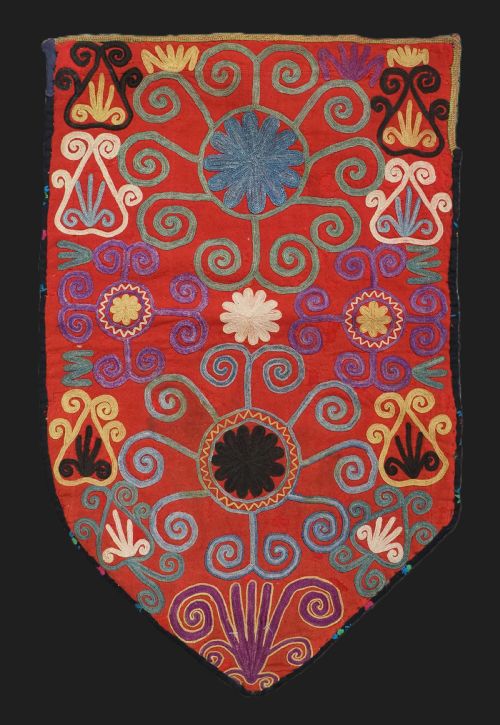
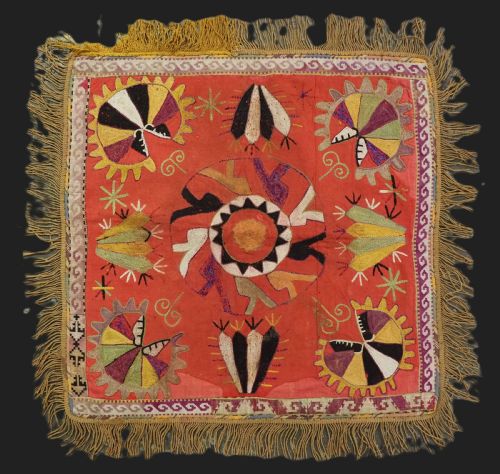
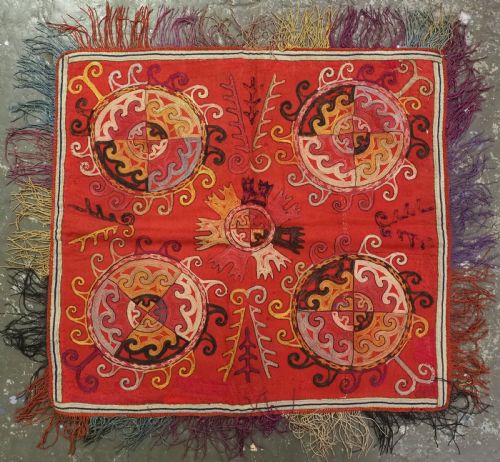
An uzbek tribal hanging brings rich Central Asian textile traditions into a room through intricate embroidery and bold geometric patterns.
Uzbek Tribal Hanging
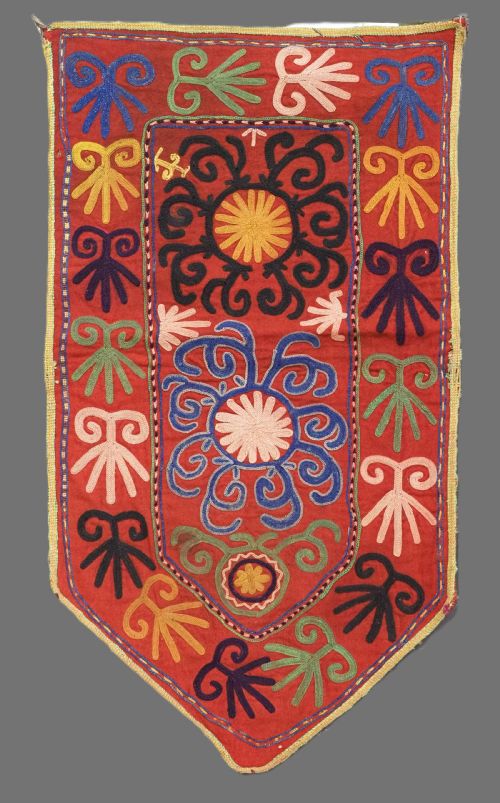
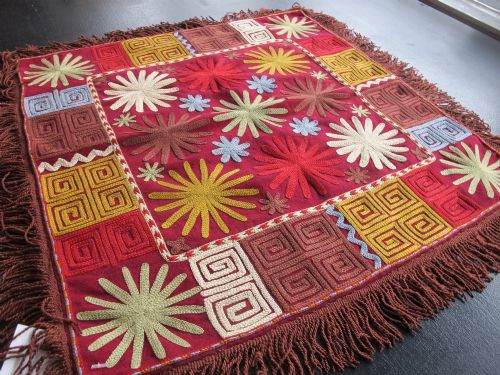
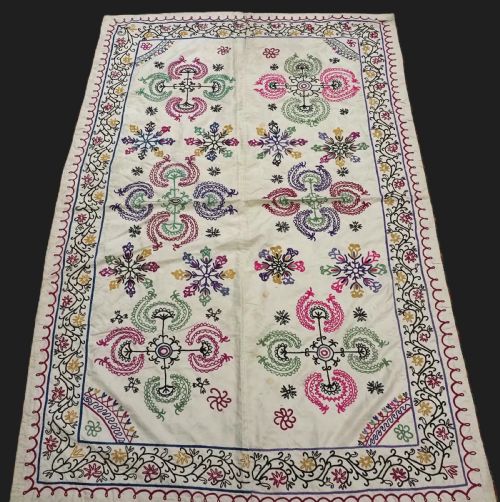
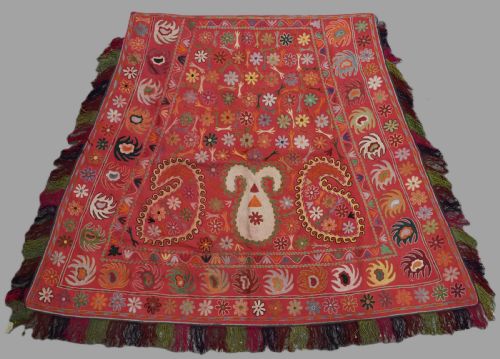
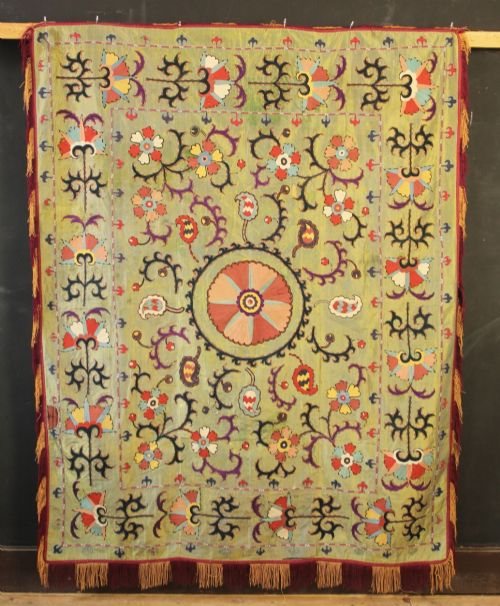
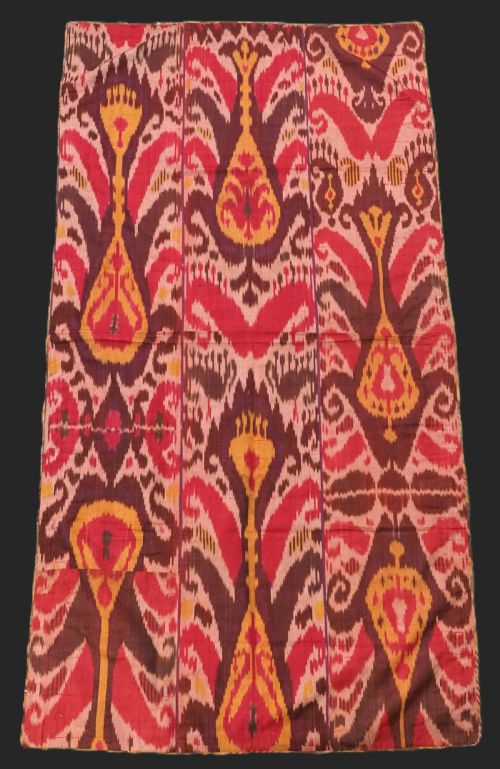
When searching for an uzbek tribal hanging, collectors encounter diverse forms including dowry embroideries, wall hangings, and textile panels originating from Central Asia. These items span periods from the nineteenth century into the early twentieth century, reflecting nomadic and traditional village heritages.
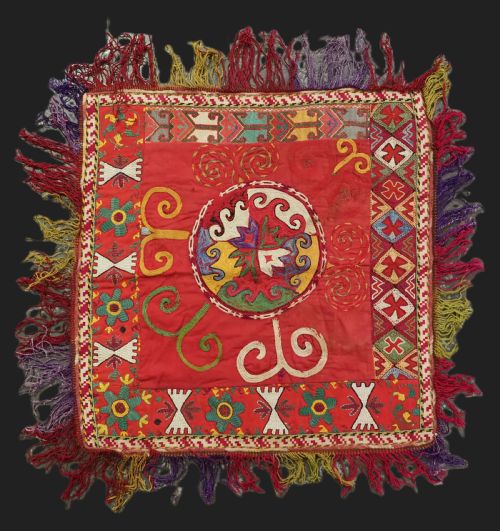
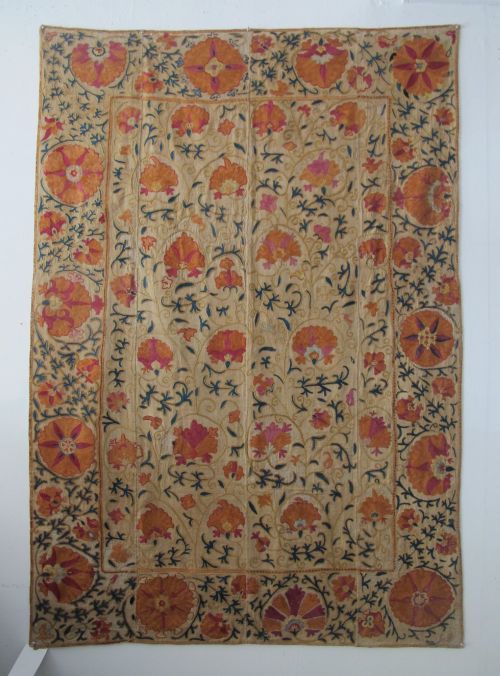
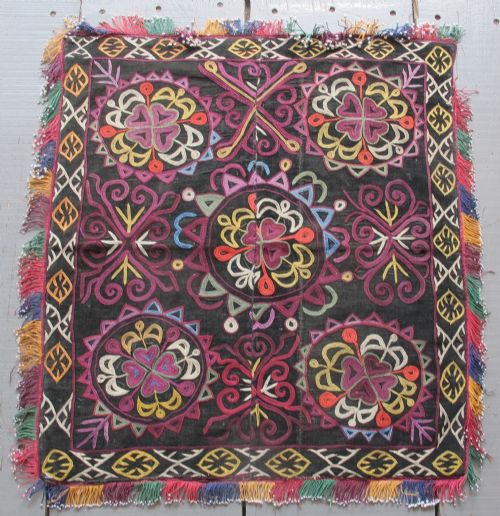
The selection frequently includes specialised items such as ilgich wall hangings, horse covers, saddle rugs, and smaller suzani variations. Many examples trace their origins to specific groups like the Lakai tribe or regions such as Shakrisabz and Bukhara.
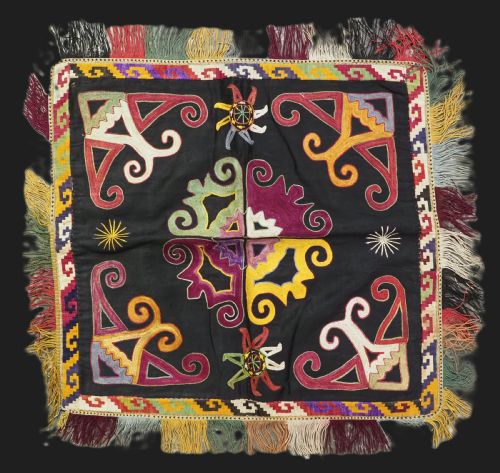
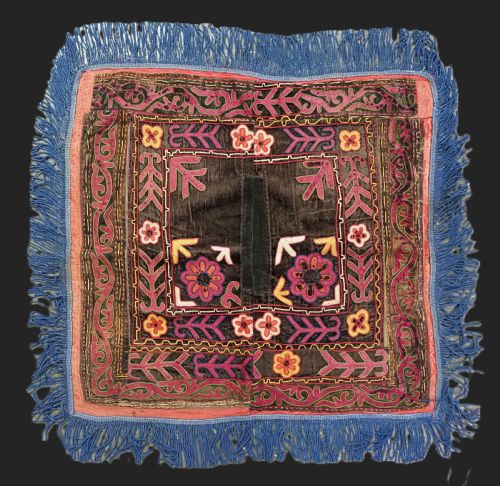
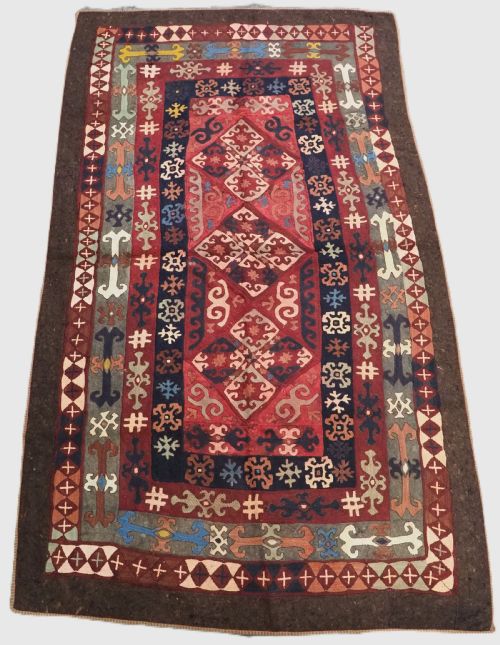
Objects take the shape of panels, covers, and kilims produced in varying scales, from compact mirror covers to large medallion suzanis. Each textile represents domestic craft traditions passed through generations in Central Asian communities.
Materials and Technique
Maker construction relies on natural foundation fabrics including cotton, wool, felt, and velvet, sometimes combined with semi-silk adras. Grounds are worked with silk thread and wool fringe, occasionally incorporating glass beads for texture and detail.
Needlework techniques display dense silk embroidery applied to woven or felted foundations. Artisans stitched complex motifs by hand, creating durable panels, saddlebags, and decorative hangings designed for ceremonial and daily use.
Uzbek Tribal Hanging Retail Price Guide 2026
Typical asking prices for uzbek tribal hanging among the pieces listed under this phrase on Sellingantiques today, from the lower quarter to the upper quarter. They describe what is for sale here now, not the wider market.
Materials recorded in the inventory comprise cotton, silk, wool, felt, velvet, glass beads, and wool fringe.
Assessing the Standard
Quality reveals itself through the density of the silk embroidery and the precision of the needlework across the textile surface. Superior examples demonstrate vibrant colour retention in the threads and harmonious balance within the repeat or medallion design.
The integrity of the foundation fabric, whether cotton, wool, or felt, influences the overall stability of the hanging. Finer pieces maintain crisp graphic definitions and intact borders, reflecting disciplined execution by the maker.
The Uzbek Tribal Hanging Glossary
- Suzani
- An embroidered tribal textile originating from Central Asia, typically worked in silk thread on a cotton or wool ground. These large decorative panels were traditionally made as part of a bride's dowry.
- Ilgich
- A specific form of Central Asian embroidery used for wall hangings. They often feature dense geometric or figurative motifs created by nomadic groups.
- Adras
- A traditional Central Asian fabric woven from a mixture of silk and cotton yarns. It provides a smooth surface with characteristic sheen for various textile panels.
- Torba
- A small hanging bag or storage piece produced by tribal weavers. Examples are frequently encountered with detailed embroidery or band-weft work.
- Kilim
- A flat-woven textile panel or rug lacking a pile. In Central Asian traditions, these items utilise bold graphic designs and are occasionally constructed in joined strips.
Uzbek Tribal Hanging: Frequently Asked Questions
How were these textiles used?
Nomadic and village communities utilised these textiles for multiple domestic and ceremonial purposes. Many functioned as wall decor, domestic furnishings, or ceremonial horse and saddle covers.
Pieces such as mirror covers and small bags served practical functions while displaying the needlework skills of the maker within the household.
How do I care for a textile hanging?
Preservation requires protecting delicate silk embroidery and natural foundation fabrics from direct sunlight to prevent fading. Wall placement should avoid humid environments that can damage wool, cotton, and felt components.
Gentle vacuuming with a mesh screen barrier helps remove dust without disturbing loose threads or delicate fringe details.
Where did these pieces originate?
These textiles originate primarily from Uzbekistan and surrounding Central Asian regions. Specific production centres include Shakrisabz, Bukhara, and areas associated with the Lakai tribe and Kungrad region.
Makers worked within distinct regional styles that combined nomadic motifs with traditional village weaving and embroidery techniques.