





Uzbek Textile Art
Uzbek textile art brings vibrant Central Asian wall hangings, panels, and garments into a room, offering rich colours and intricate tribal embroidery.
Uzbek Textile Art
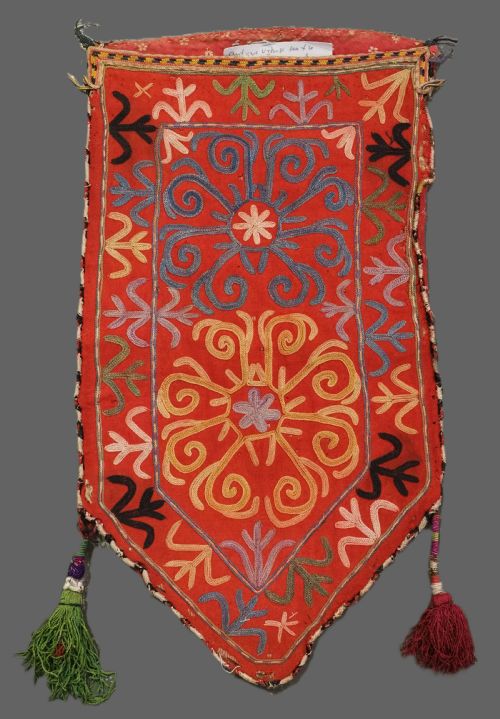
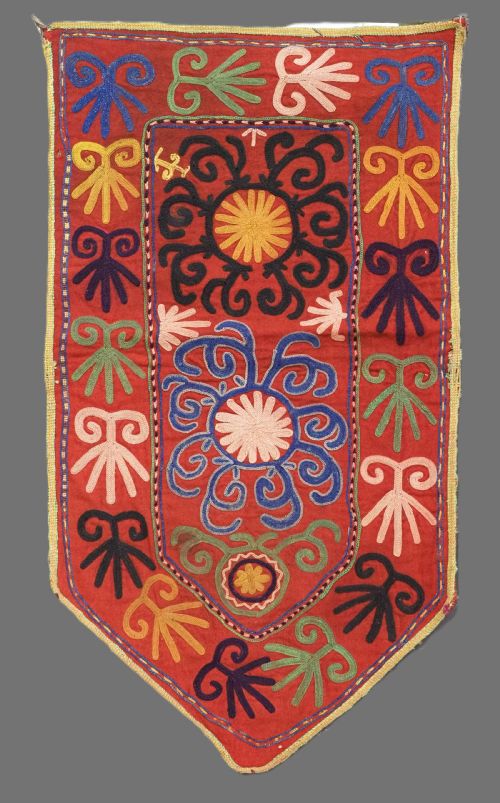
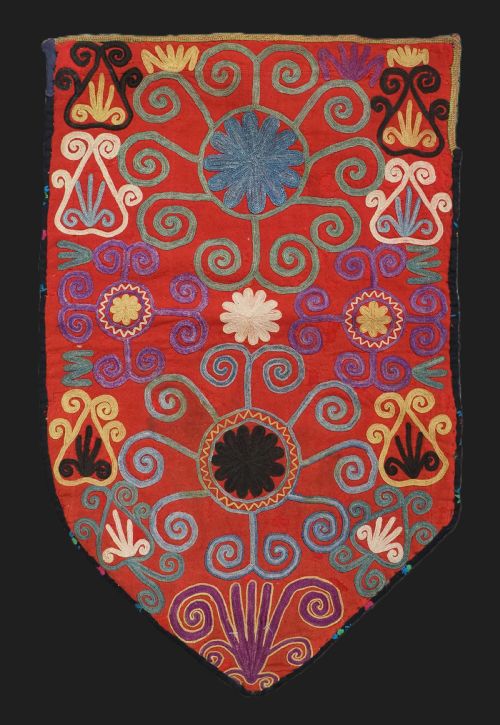
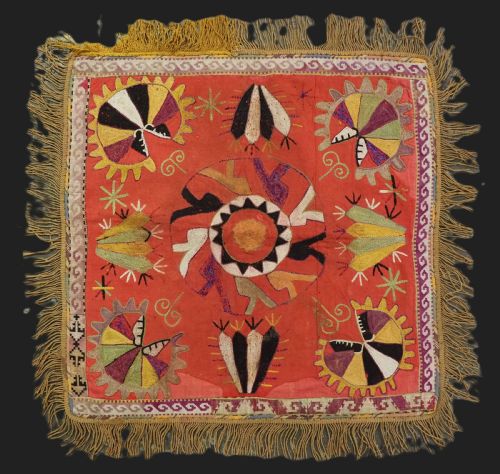
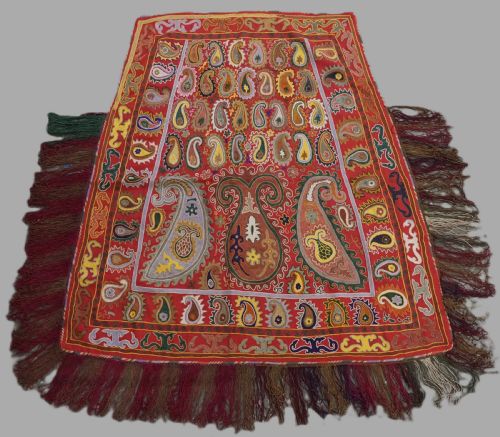
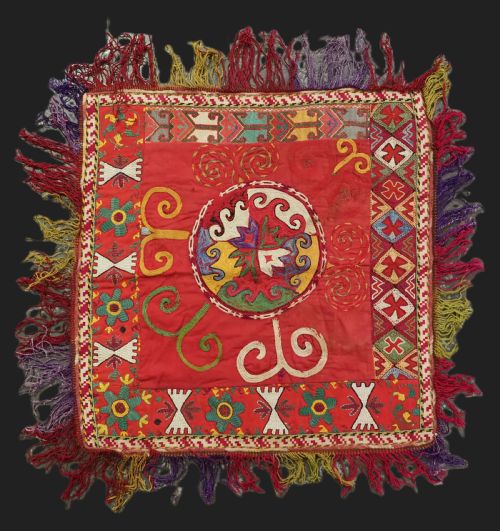
Uzbek textile art encompasses wall hangings, garments, and embroidered panels created across Central Asia during the nineteenth and early twentieth centuries. These pieces reflect distinct tribal traditions, ranging from dowry embroideries to ceremonial horse covers and coats.
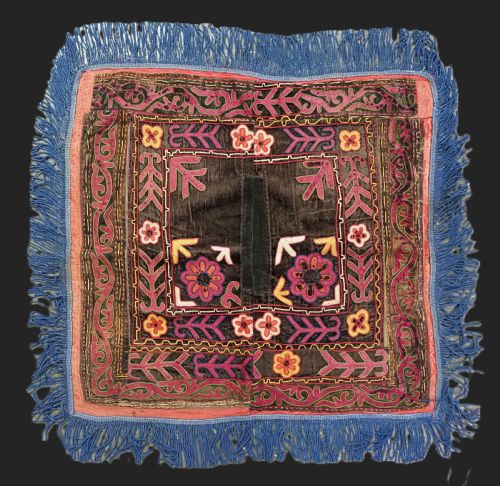
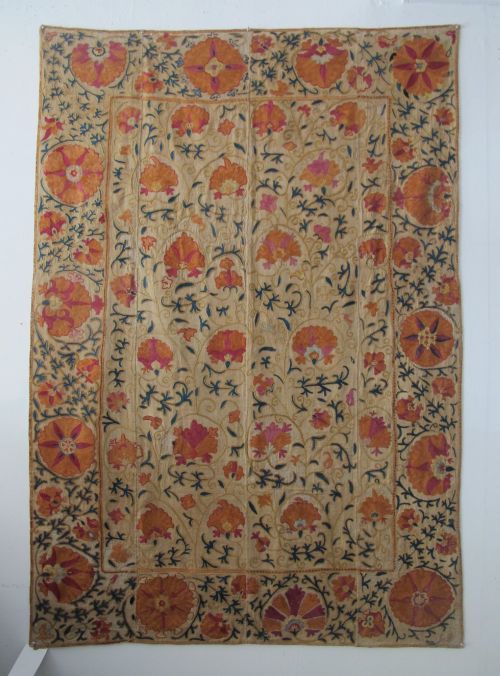
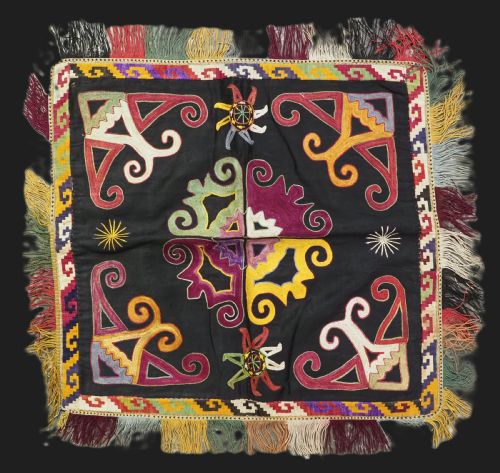
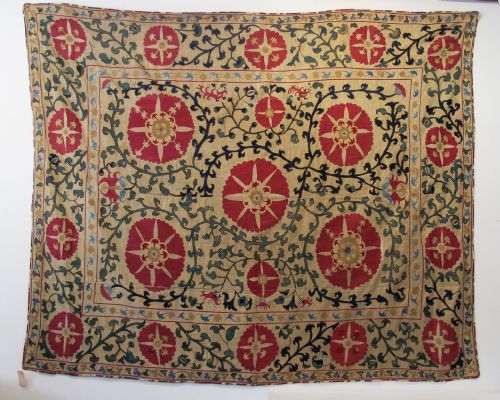
Buyers exploring uzbek textile art will frequently encounter suzani panels, ikat fabric panels, andilgich wall hangings originating from regions such as Bukhara, Tashkent, and Samarkand. These items served ceremonial, domestic, and personal functions within nomadic and settled communities.
The aesthetic bridges Central Asian tribal designs with folk art traditions, utilising silk, cotton, and wool grounds. Surviving examples range from small decorative fragments to substantial wall art and quilted winter garments.
Materials and Techniques
Makers constructed these textiles primarily using silk and cotton grounds, often stitching intricate patterns with fine silk thread. Certain panels incorporate wool fringe, velvet accents, or red and black cotton foundations.
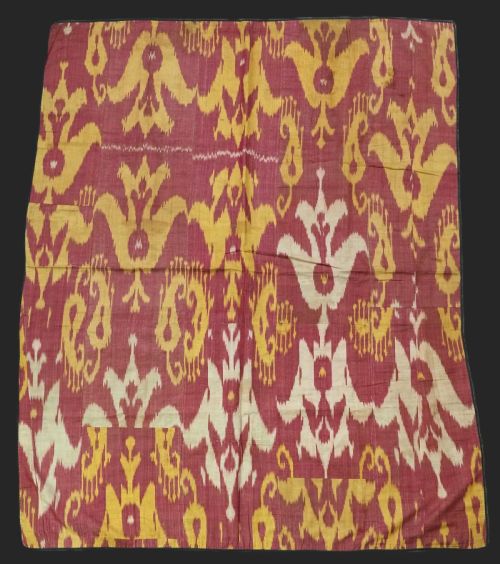
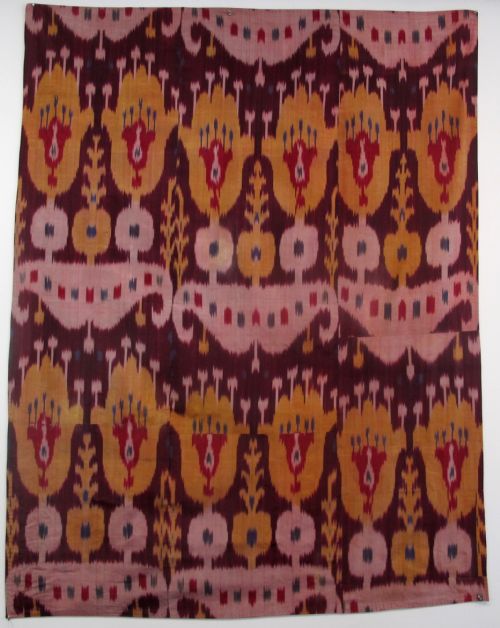
Ikat panels and garments rely on resist-dyeing warp threads before weaving, creating characteristic blurred edges along geometric and floral motifs. Embroidered suzanis and ilgich pieces employ dense needlework, sometimes completely covering the cotton or red ground in full work.
Uzbek Textile Art Retail Price Guide 2026
Typical asking prices for uzbek textile art among the pieces listed under this phrase on Sellingantiques today, from the lower quarter to the upper quarter. They describe what is for sale here now, not the wider market.
Lakai tribal embroideries occasionally incorporate tiny protective amulets stitched discreetly into the geometric patterns to ward off misfortune.
Differences in Quality
Quality in these textiles rests upon the density of the needlework and the complexity of the design layout. Full work suzanis and deeply detailed tribal pieces demand significantly more labour than sparser designs.
The clarity and saturation of the dye palette, along with the crispness of ikat patterning, distinguish finer examples. Preservation of the original silk threads and structural integrity of the ground fabric further separate standard pieces from exceptional works.
The Uzbek Textile Art Glossary
- Suzani
- An embroidered tribal wall hanging from Central Asia, typically worked in silk thread on a cotton or linen ground. These large panels were traditionally created as part of a bride's dowry.
- Ikat
- A dyeing and weaving technique where warp threads are resist-dyed prior to weaving to form intricate patterns. The resulting fabrics often display characteristic hazy outlines along the colour boundaries.
- Ilgich
- A specific type of embroidery or wall hanging produced by the Lakai tribe, often associated with dowry items. They frequently feature dynamic geometric forms and bold tribal symbolism.
- Khalat
- A traditional long coat worn by men across Central Asia, frequently fashioned from richly patterned silk ikat fabric. These garments combine practical warmth with striking visual display.
- Palak
- A grand style of suzani featuring full embroidery that densely covers the entire ground fabric. These large pieces often display prominent lunar or celestial medallion motifs.
Uzbek Textile Art: Frequently Asked Questions
What is uzbek textile art used for today?
These textiles serve primarily as decorative wall art, hung to introduce texture, colour, and historical depth into modern interiors. Larger panels and suzanis can be mounted on frames or displayed directly on walls.
Garments and smaller fragments are often preserved behind glass or curated as textile studies. Their bold visual presence transforms neutral spaces and anchors room schemes.
How do I hang antique wall textiles safely?
Mounting should distribute the weight evenly across the entire textile rather than pulling at single suspension points. Using a cotton sleeve stitched to the reverse allows a concealed wooden batten to support the piece.
Avoid direct sunlight and high humidity, which weaken ancient silk threads and cause natural dyes to fade. Professional textile conservators can advise on archival Velcro systems for heavier panels.
How can I tell the difference between a suzani and an ikat?
Suzanis are entirely hand-embroidered with needle and thread, usually featuring floral or geometric motifs stitched onto a woven cotton or linen ground. The raised texture of the stitches remains clearly visible on the surface.
Ikats are woven textiles where the pattern is dyed into the threads before the weaving process takes place. The fabric surface remains flat, and the design elements display characteristic bleeding or feathered edges where the colours meet.