





Uzbek Lakai Embroidered Textile
These vibrant textile works embody Central Asian heritage through intricate needlework, bringing historical pattern and colour directly to modern domestic spaces.
Uzbek Lakai Embroidered Textile
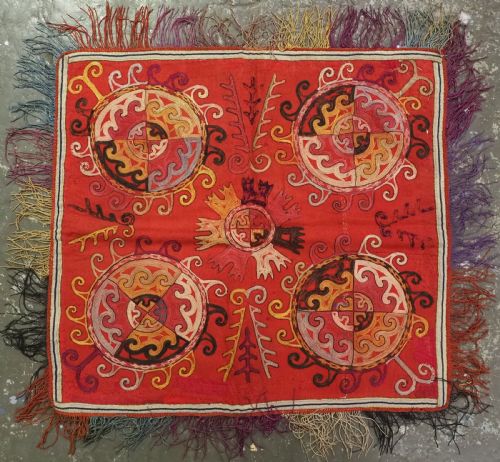
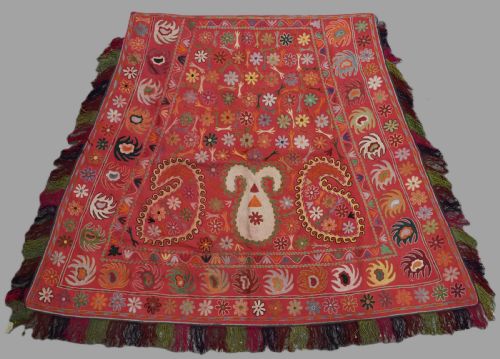
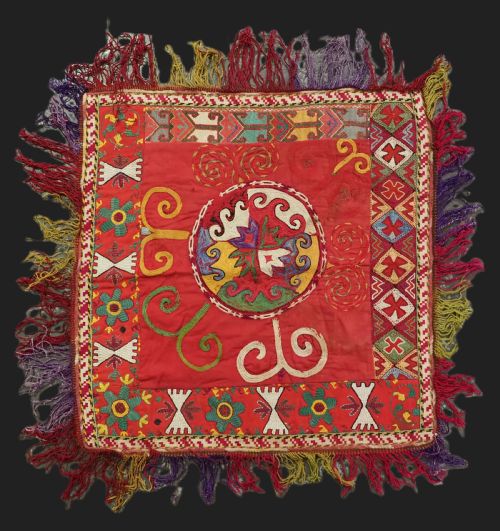
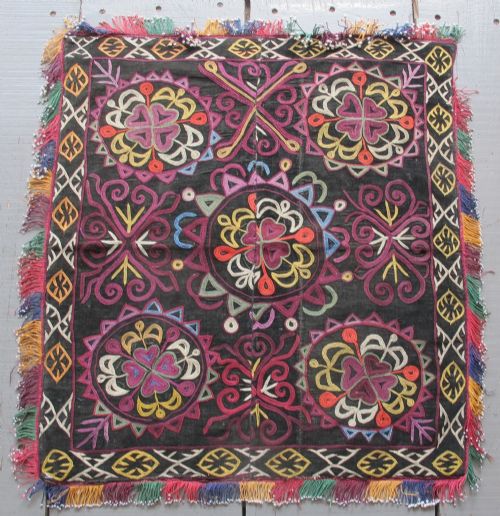
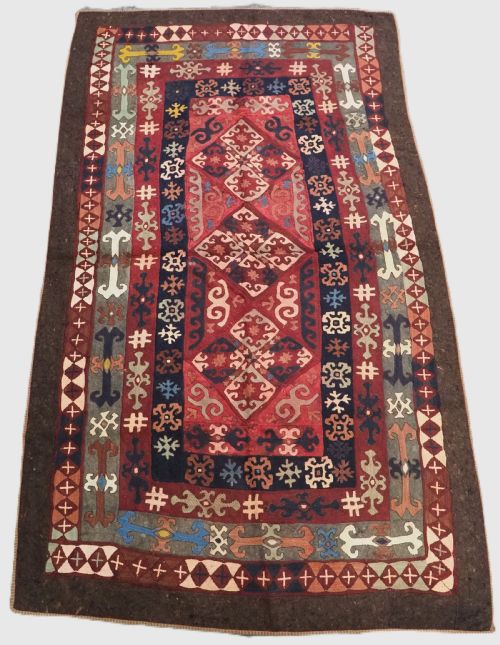
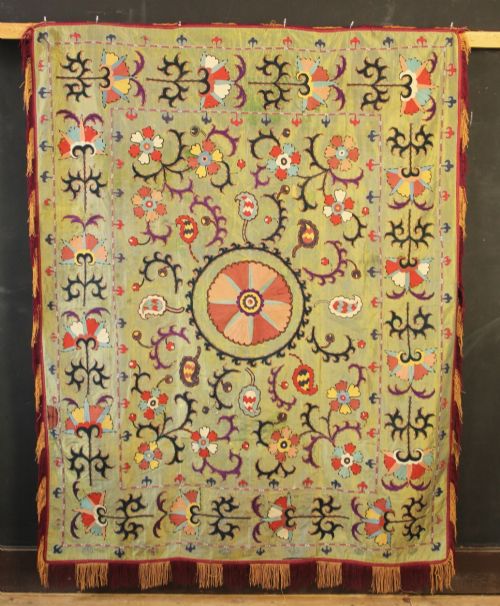
An uzbek lakai embroidered textile represents the nomadic and semi-nomadic traditions of Central Asia, originating primarily from regions of Uzbekistan such as Shakrisabz. When searching this phrase, collectors encounter various forms including dowry pieces, wall hangings, and horse covers.
The most common formats on this page include theilgich or uut kap, which served as utilitarian or decorative household items within tribal life. Nim suzani panels and mirror covers also appear frequently among the listings.
Materials and Methods
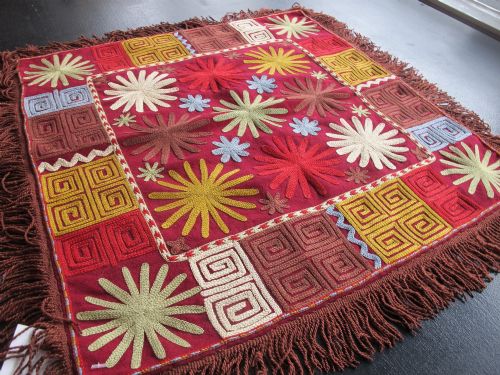
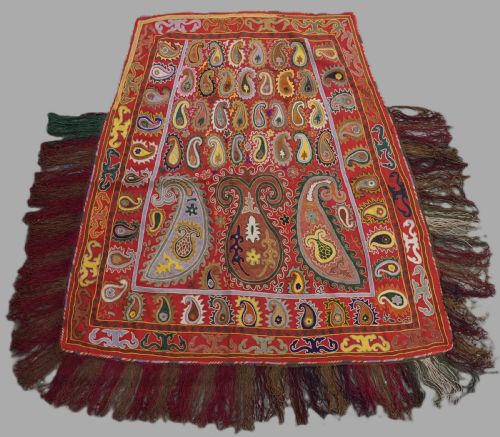
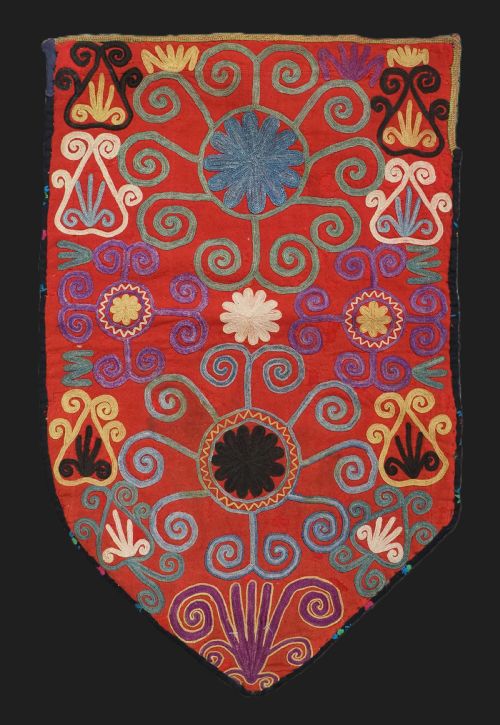
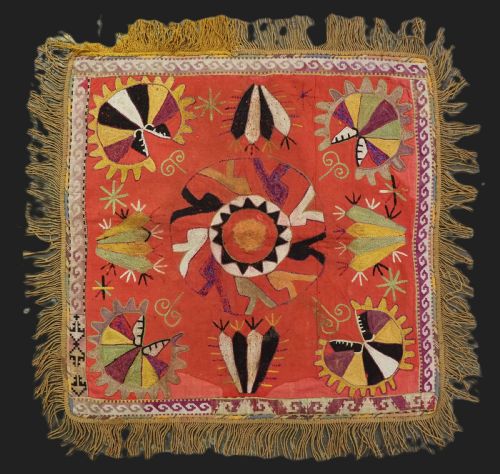
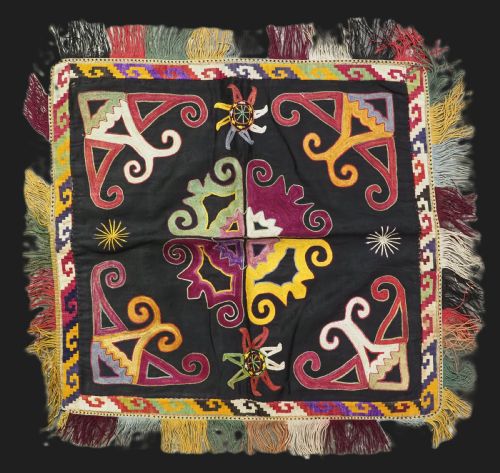
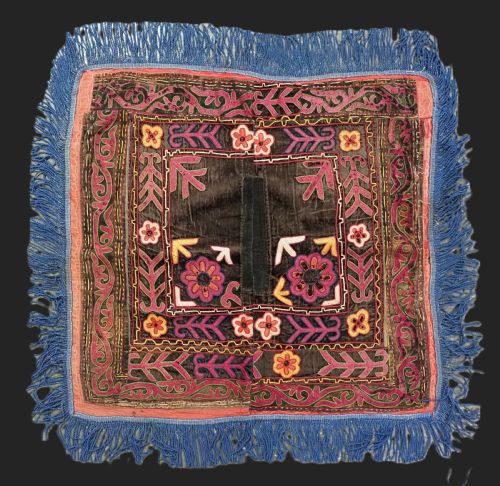
Artisans built these works using grounds of cotton, wool, or felt, onto which they applied vibrant silk thread embroidery. Many examples incorporate additional tactile elements such as glass beads and wool fringe.
Needlework techniques rely heavily on dense stitching to form dynamic geometric and floral patterns across the textile surface. Foundation fabrics like red wool or green silk provide a contrasting backdrop for the polychrome threads.
Uzbek Lakai Embroidered Textile Retail Price Guide 2026
Typical asking prices for uzbek lakai embroidered textile among the pieces listed under this phrase on Sellingantiques today, from the lower quarter to the upper quarter. They describe what is for sale here now, not the wider market.
Current listings feature items spanning the eighteen eighties to the nineteen thirties, utilising silk, cotton, felt, and glass beads.
Distinctions in Execution
The sophistication of the design layout and the tightness of the stitch density dictate the visual power of an individual panel. Greater precision in executing complex geometric motifs separates standard domestic items from superior examples.
The preservation of the ground material and the vibrancy of the silk threads significantly influence the overall condition. Complete borders and intact fringes contribute to the visual integrity of surviving textile art.
The Uzbek Lakai Embroidered Textile Glossary
- Ilgich
- A traditional embroidered hanging originating from Central Asian tribal groups. These panels often functioned as dowry items created for domestic display.
- Suzani
- An embroidered textile panel produced in Central Asia, often worked in silk on a cotton or wool ground. Smaller versions are frequently designated as nim suzani.
- Torba
- A small storage bag or trapping produced by tribal makers, utilised within nomadic dwellings for household organisation. Examples often feature specialised embroidery work.
- Uut Kap
- A utilitarian bag or hanging used in yurt interiors for storing household belongings. These pieces display distinct tribal patterns executed in silk thread.
Uzbek Lakai Embroidered Textile: Frequently Asked Questions
How were they used?
Tribal communities utilised these textiles as wall hangings, storage bags, ceremonial horse covers, and mirror protections within nomadic dwellings.
Many were produced specifically as dowry elements to mark important familial milestones and household establishment.
How to live with them?
These textiles adapt well to wall mounting behind glass or secured on fabric backings to distribute weight evenly. Protection from direct sunlight preserves the natural silk and wool colours.
Pairing them with neutral walls allows the intricate geometric patterns and vibrant embroidery grounds to stand out.
How to tell periods apart?
Dating relies on material analysis, dye characteristics, and stylistic conventions recorded across nineteenth and early twentieth-century examples. Earlier pieces from the eighteen eighties often exhibit specific natural dye palettes and denser stitching.
Later works moving toward nineteen thirty display shifts in cotton usage and colour combinations standard to those decades.