


Uzbek Embroidery Panel
When you look for an uzbek embroidery panel, you are seeking vibrant Central Asian textiles woven and stitched by nomadic and tribal makers.
Uzbek Embroidery Panel
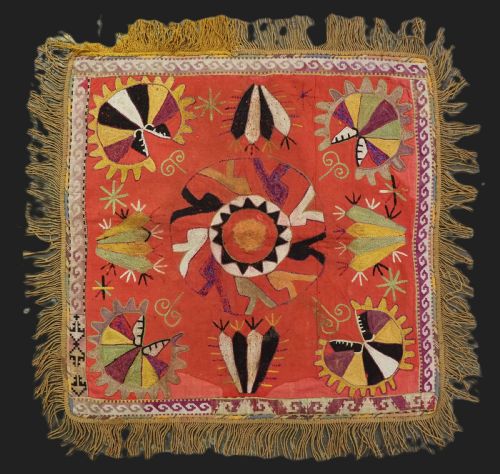
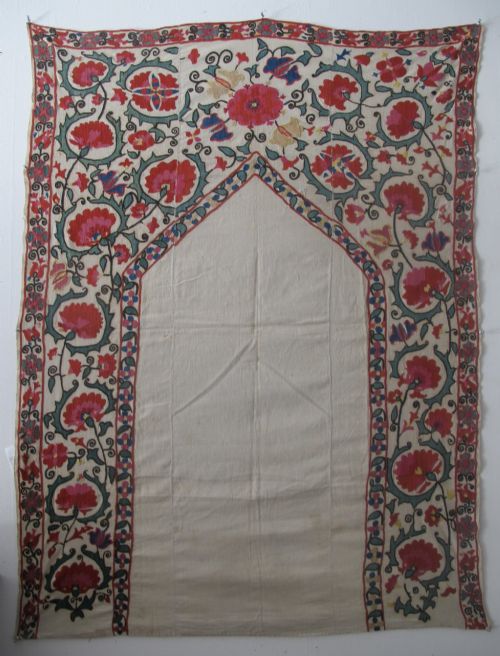
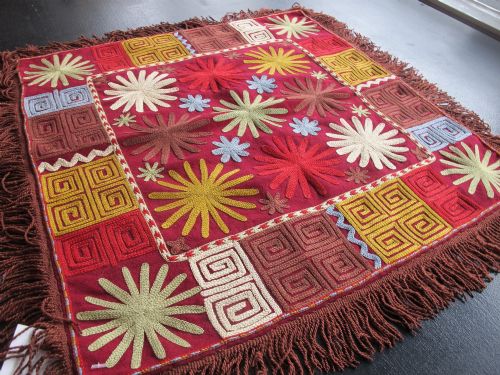
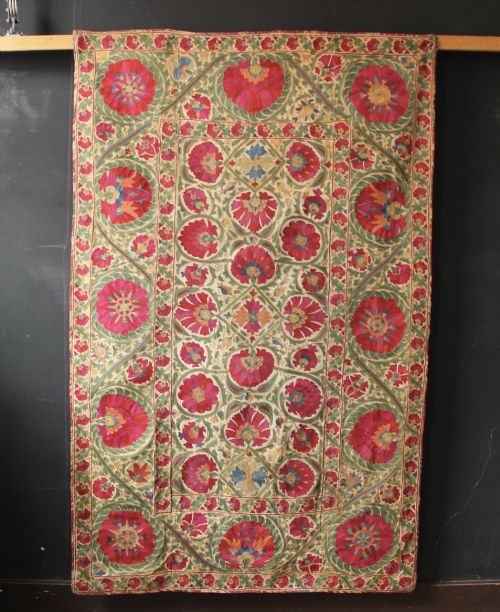
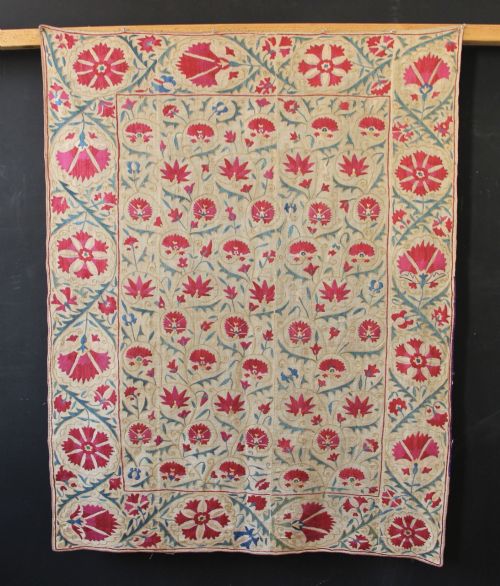
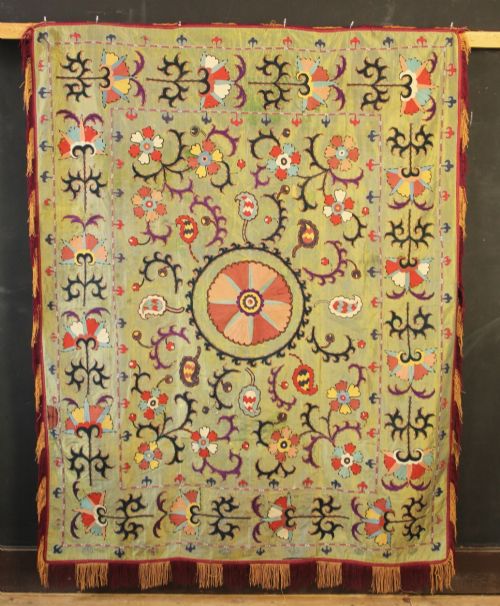
An uzbek embroidery panel encompasses traditional wall hangings, dowry pieces, and domestic covers originating from Central Asia. These textiles span periods from the mid-nineteenth century through the early twentieth century, reflecting rich tribal heritages from regions such as Bokhara, Tashkent, Samarkand, and Shakrisabz.
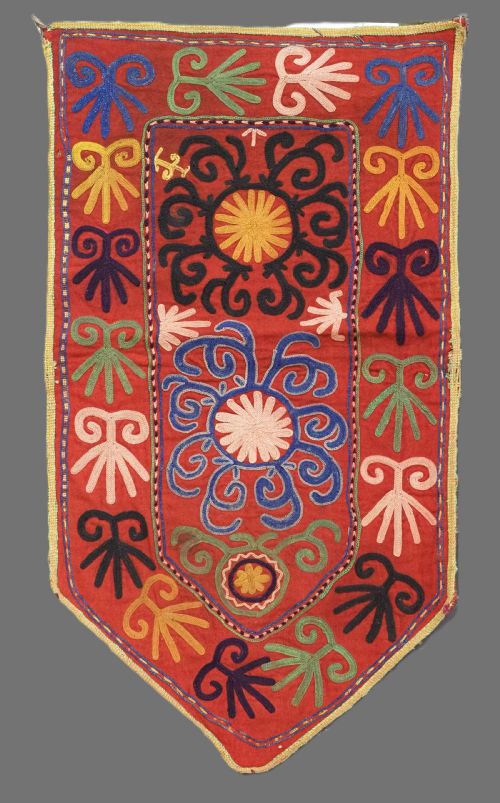
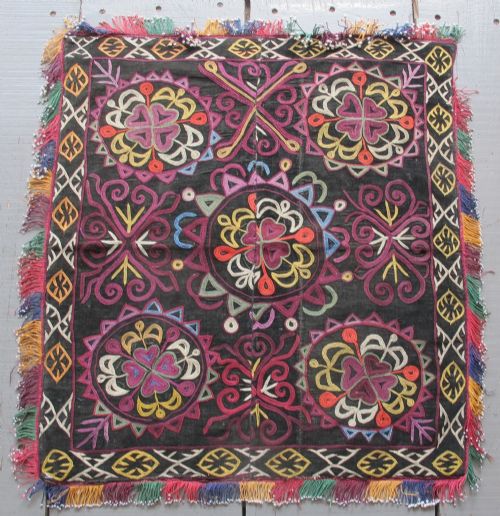
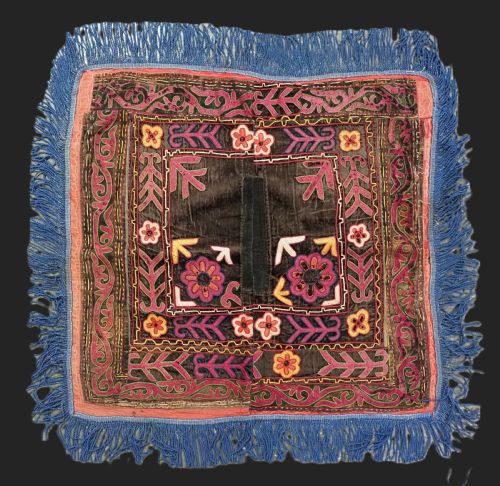
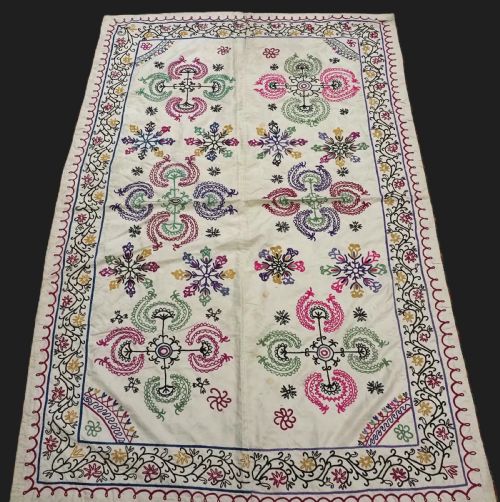
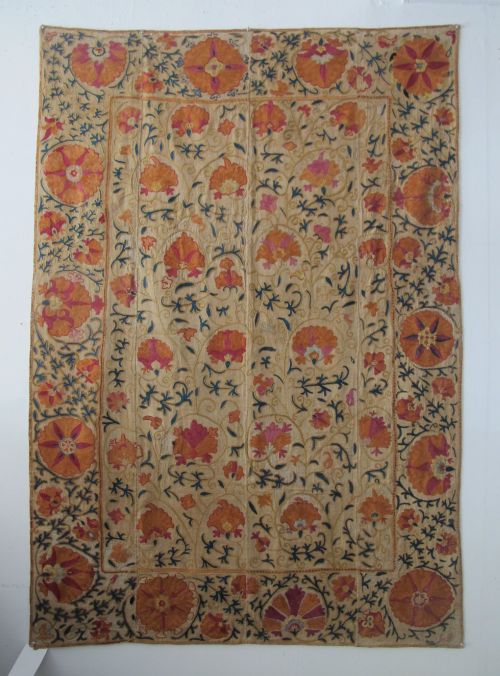
The most common forms found here include suzanis, smaller nim suzanis, andilgich dowry embroideries produced by the Lakai and Tajik tribes. Makers created these works using silk thread on cotton, wool, adras, or velvet grounds, often featuring floral motifs, architectural elements, or central stars.
How They Were Made
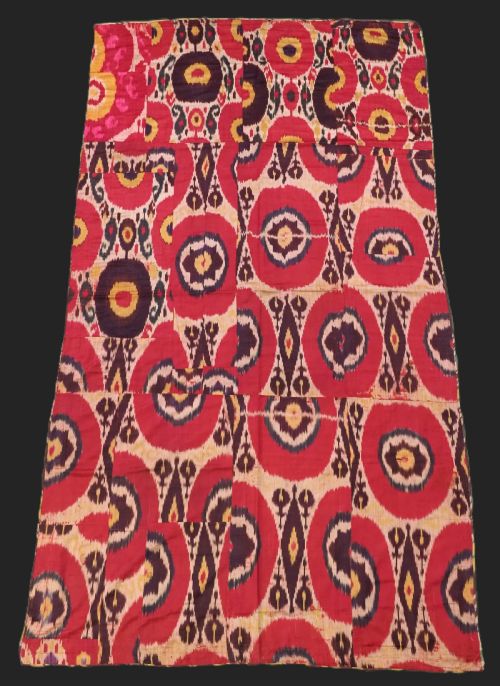
Artisans stitched lustrous silk thread onto woven foundation grounds made of cotton, linen, wool, or mixed adras fabric. Certain pieces incorporated velvet grounds or embellished surfaces with glass beads.
Needlework techniques relied on hand embroidery, producing dense pictorial fields and geometric borders. Makers constructed larger suzanis in sections before joining them into unified hangings.
Listings feature textiles spanning from 1850 through 1930, utilising silk, cotton, velvet, wool, and glass beads across various regional traditions.
What Varies in Quality
Quality rests upon the fineness of the silk stitching, the complexity of the design, and the density of the embroidery across the ground fabric. Fully embroidered palak panels or intricate tribal ilgich pieces display superior technical ambition.
The vibrancy and condition of the dyed ground fabrics and silk threads also dictate the visual strength of the textile. Pieces retaining harmonious colour palettes and intact structural integrity stand apart.
The Uzbek Embroidery Panel Glossary
- Suzani
- A large embroidered wall hanging from Central Asia, stitched with silk threads on a cotton or linen ground. These panels frequently display floral patterns and were traditionally made as part of a bride's dowry.
- Nim Suzani
- A smaller version of the standard suzani wall hanging. These compact textiles offer versatile display options while maintaining traditional embroidery methods.
- Ilgich
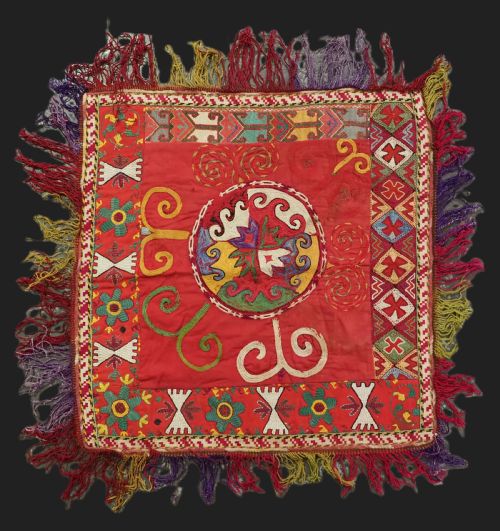
- A specific type of tribal embroidery used for wall hanging or dowry purposes. Lakai makers frequently produced these with distinctive geometric and figurative motifs.
- Adras
- A traditional Central Asian fabric woven from a blend of silk and cotton yarns. This material often serves as the supporting ground for embroidered panels.
- Palak
- A fully embroidered suzani variety originating from Tashkent. These panels feature dense stitching that covers nearly the entire foundation fabric, typically centred around a large medallion.
Uzbek Embroidery Panel: Frequently Asked Questions
How do I hang a textile safely?
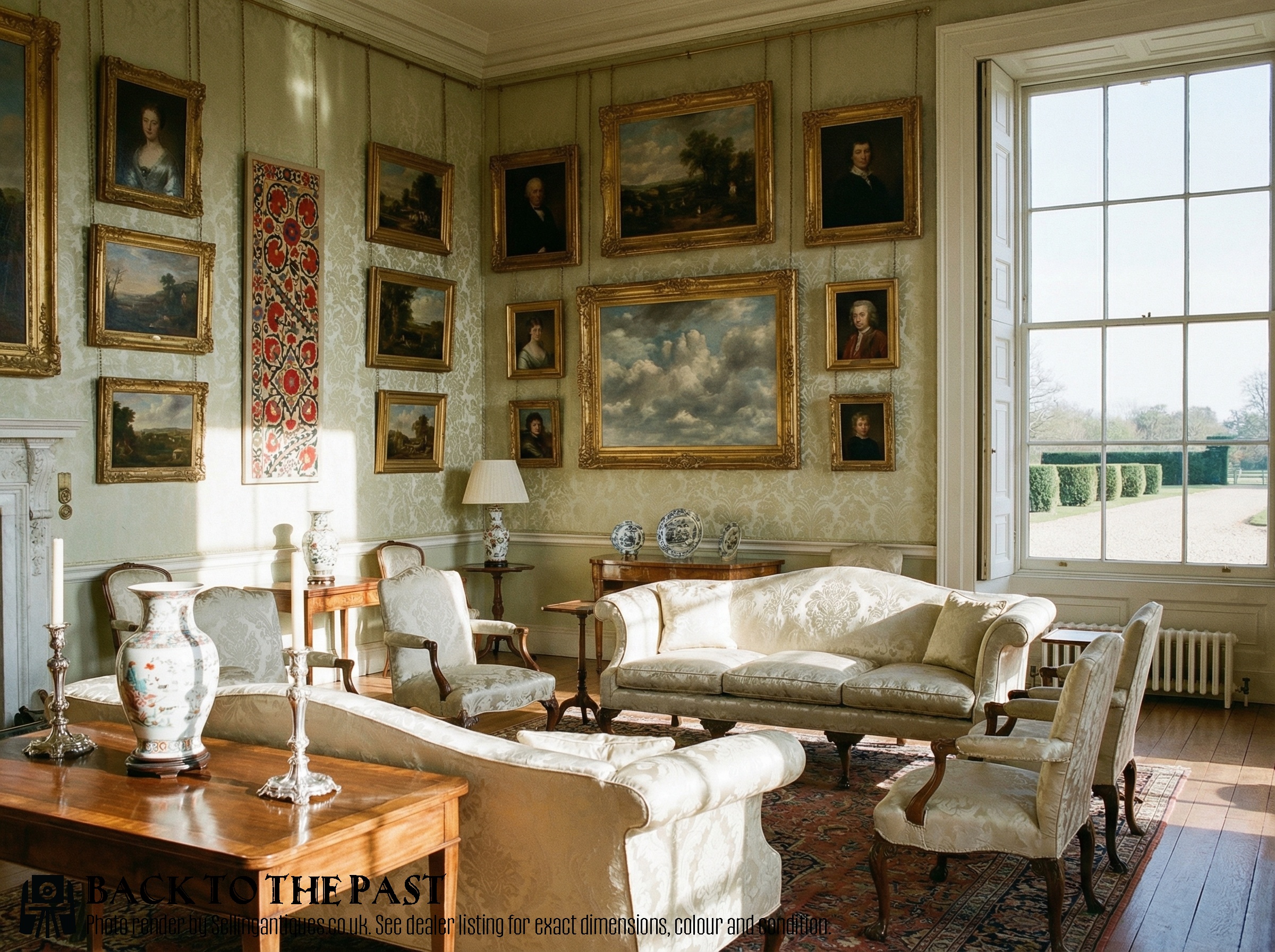
Mounting a textile requires distributing the weight evenly across the entire upper edge rather than pinning it at isolated points. Using a fabric sleeve stitched to the back allows a padded rod to support the piece securely.
Keep the hanging away from direct sunlight to prevent the silk threads and dyed grounds from fading. Periodic gentle dusting helps maintain the surface without disturbing the historic fibres.
How can I tell a nim suzani from a full suzani?
The primary distinction lies in the overall dimensions and format of the textile. Nim suzanis measure significantly smaller than standard suzanis, making them easier to accommodate on smaller wall spaces.
Despite their reduced scale, nim suzanis employ the same intricate silk embroidery techniques and traditional motifs found on larger examples.
What indicates Lakai tribal work?
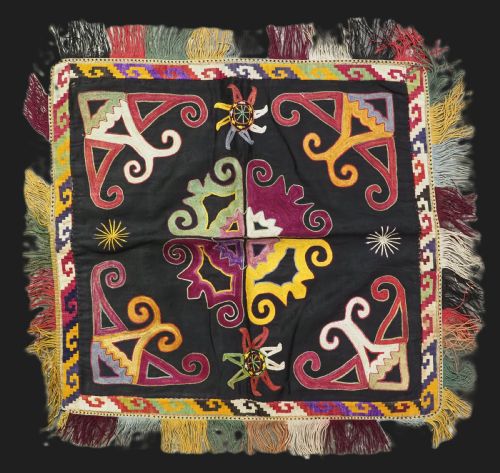
Lakai embroidery pieces often feature bold, dynamic geometric shapes rather than the sprawling floral vines typical of urban workshops in Bokhara or Tashkent. The designs frequently incorporate hooked motifs, amulets, and vibrant contrasting colour combinations.
These compact dowry items and functional covers showcase a distinct nomadic aesthetic distinct from settled urban regional styles.