




Urn Base Table Lamps
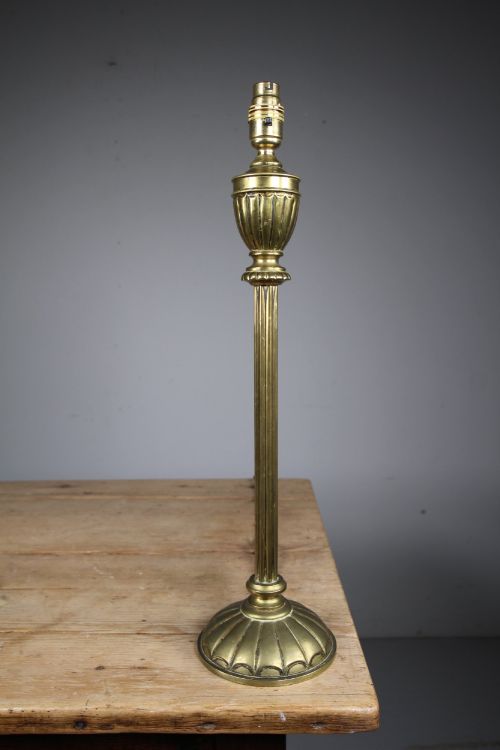
When you search for urn base table lamps, you are looking at substantial vessels converted to light rooms, most often featuring classical proportions and decorative mounts.
Urn Base Table Lamps
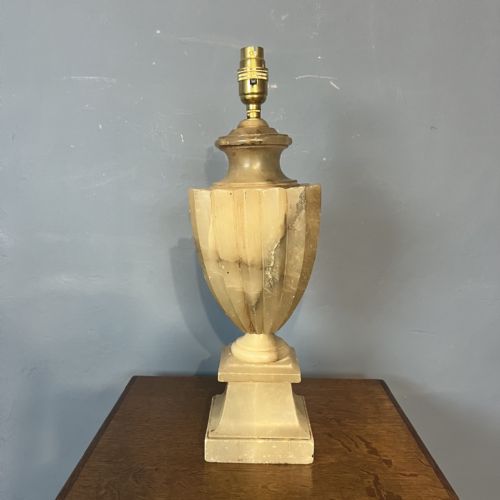
When searching for urn base table lamps, buyers encounter converted vessels originating from various periods including the eighteenth century, nineteenth century, and Edwardian eras. These pieces take the form of traditional table lamps and former oil lamps, frequently utilising bodies designed originally as vases, jars, or classical urns.
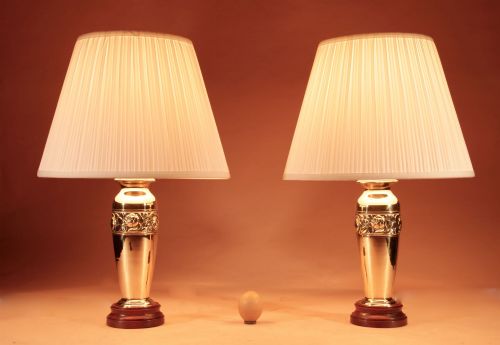
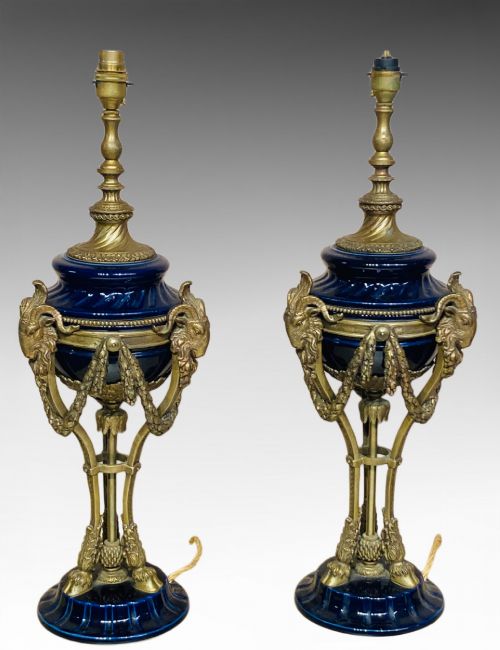
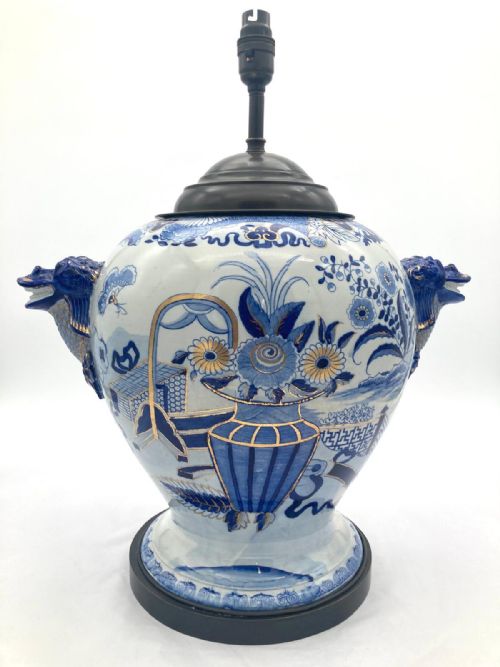
The selection frequently includes pairs alongside single statement pieces, spanning diverse cultural origins from English brass work and French neoclassical designs to Chinese porcelain and Japanese Satsuma ware. Many incorporate converted ceramic, stone, or metal vessels mounted onto stable plinths for modern domestic use.
How they were made
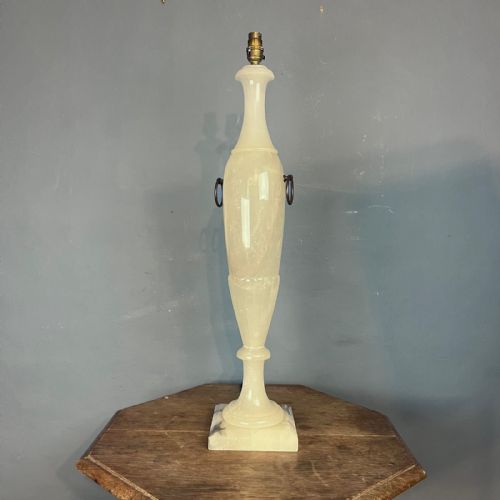
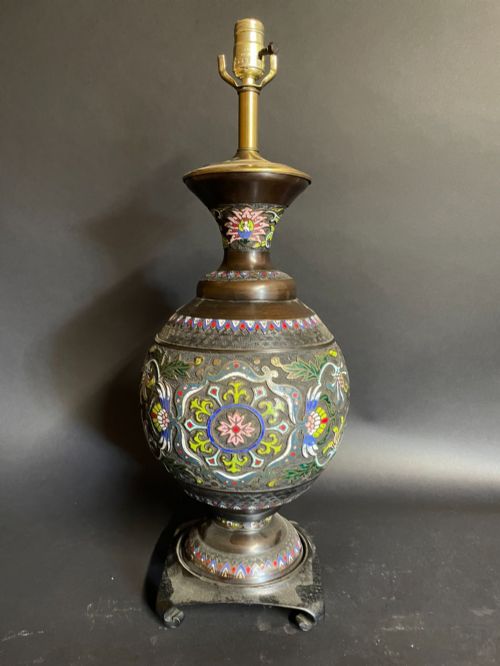
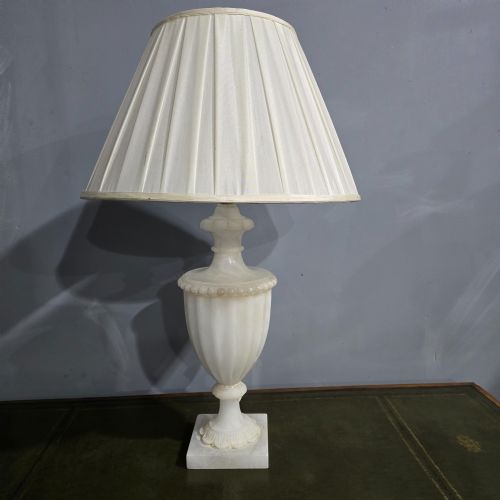
Maker workshops constructed these bases using heavy materials such as carved alabaster, cast bronze, gilt metal, and turned brass, often integrating marble plinths to provide structural balance. Ceramic bodies in porcelain, ironstone, Delft, and cloisonne supplied colourful glazed surfaces and hand-painted decoration.
Artisans adapted existing vessels by drilling bases or fitting custom metal mounts, or manufactured dedicated urn forms utilising classical casting and turning techniques. Wiring and electrical components were added during conversion, while many pieces retain handmade fabric shades.
Materials span natural stone like alabaster and marble, metals including brass and bronze, and various ceramics such as porcelain, Delft, and cloisonne.
What varies in quality
The standard of a piece rests upon the weight and material integrity of the urn body, from finely carved alabaster and crisp bronze casting to hand-painted detail on porcelain. Superior examples display harmonious proportions between the vessel and its mount, alongside carefully preserved original gilding or patination.
Execution of the metal mounts, such as ormolu masks, handles, and brass feet, separates standard production from finer work. The quality of the conversion work, including stable mounting and sympathetic adaptation of the original antique vessel, dictates the overall integrity.
Harrison Brothers & Howson·Hicks and Meigh·Samson
The Urn Base Table Lamps Glossary
- Ormolu
- Gilded bronze, frequently utilised for decorative mounts, handles, and bases on nineteenth-century lamps. This technique involves applying finely ground gold mercury amalgam to cast bronze.
- Alabaster
- A fine-grained translucent stone used for carved urn bases. It allows light to diffuse softly when placed near a glowing bulb.
- Cloisonne
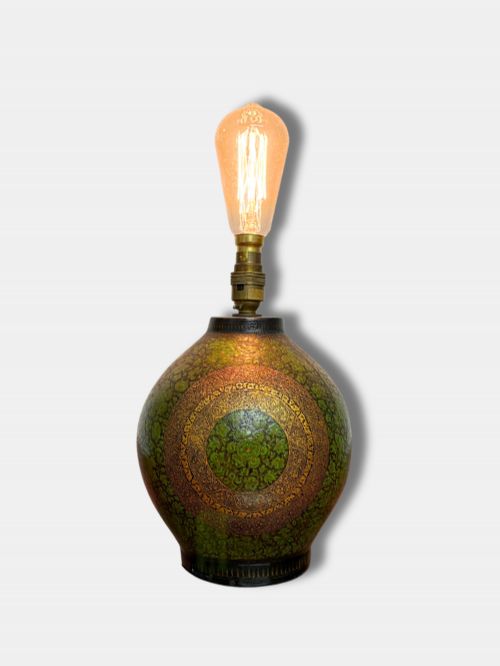
- An ancient technique for decorating metal vessel surfaces using wire compartments filled with enamel paste. These colourful patterned bodies frequently form the central column of decorative lamps.
- Celadon
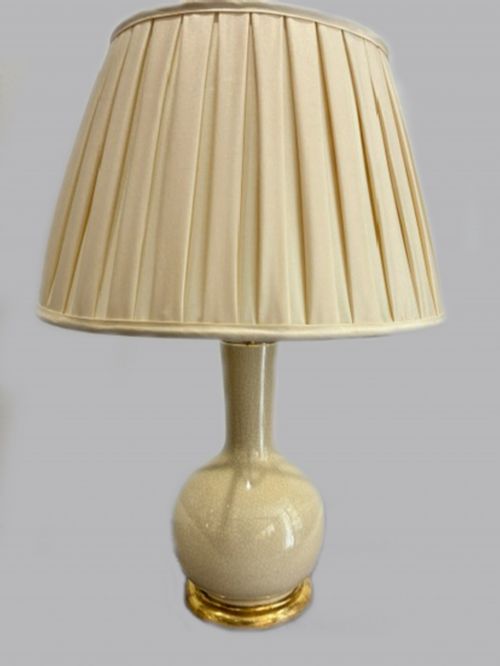
- A pale green jade-like ceramic glaze originating in East Asia. Pieces utilising this glaze provide a subtle, uniform tone suited to classical urn forms.
- Campana
- A bell-shaped classical urn profile with an everted rim and a footed base. This ancient silhouette forms the structural blueprint for many nineteenth-century stone and metal lamp bases.
Urn Base Table Lamps: Frequently Asked Questions
How are antique vessels converted into lamps?
Craftspeople adapt historic vases, oil lamps, and urns by fitting internal wiring and securing them to weighted bases. This process transforms decorative objects into functional lighting while retaining the original body.
Many conversions preserve the exterior completely, adding brass or gilt mounts to support bulb fittings and shades without damaging the underlying ceramic or stone.
What periods do these lamps come from?
The pieces span multiple eras, including eighteenth-century porcelain, Victorian brass and bronze, and early twentieth-century Edwardian designs. Victorian and Edwardian examples often feature eclectic revival styles.
Earlier ceramic bodies from the eighteenth and nineteenth centuries were frequently converted into lamps decades after their original manufacture, reflecting changing domestic interiors.
How do I style an urn base lamp?
These substantial lamps work well on sideboards, large desks, or entrance consoles where their height and decorative weight can anchor a room. Paired arrangements suit symmetrical mantelpieces or matching bedside tables.
Selecting a neutral fabric shade allows detailed ceramic or bronze bodies to remain the visual focus of the setting.
Are these lamps safe for modern use?
Many antique lamps are rewired to meet contemporary electrical standards, utilising modern flex and standard bulb fittings. Checking the internal wiring ensures safe daily operation in a home.
Consulting a professional electrician is recommended if a piece retains older wiring or requires an upgraded plug for current standards.