

Upholstered Wood Settee
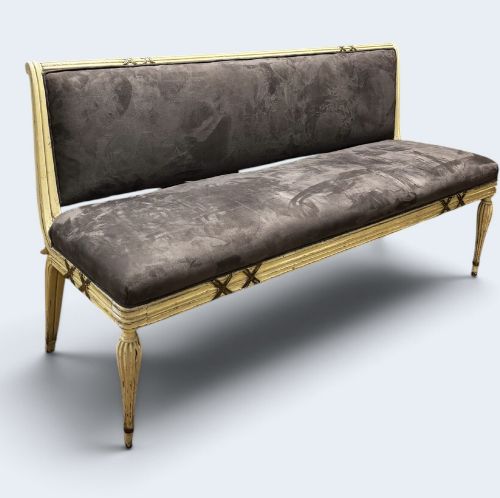
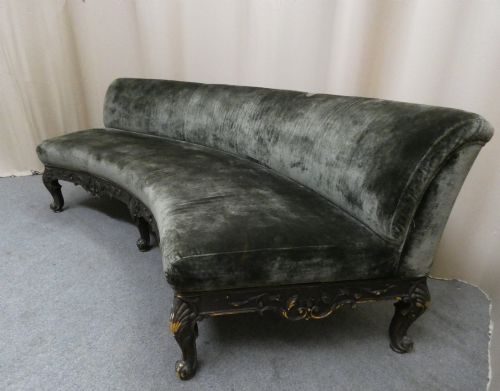
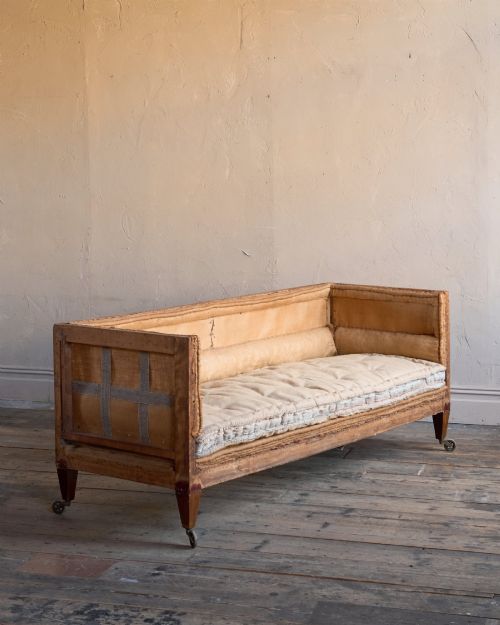
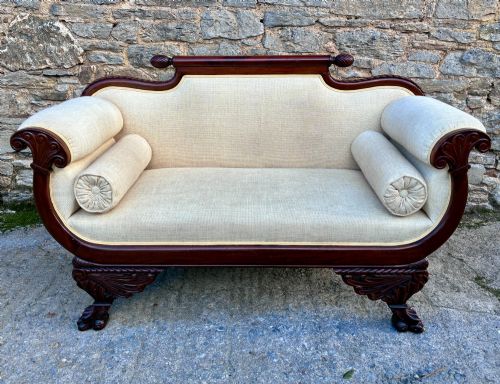
An upholstered wood settee brings warmth and substantial seating to a room, drawing the eye with visible timber frames and soft textile covers.
Upholstered Wood Settee
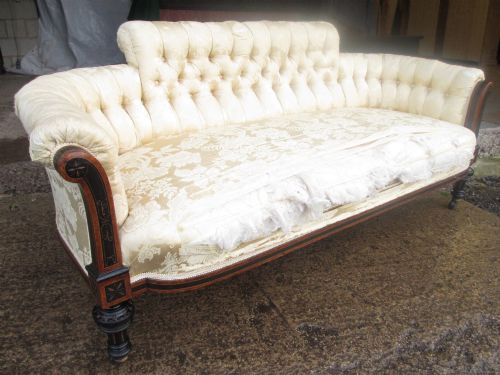
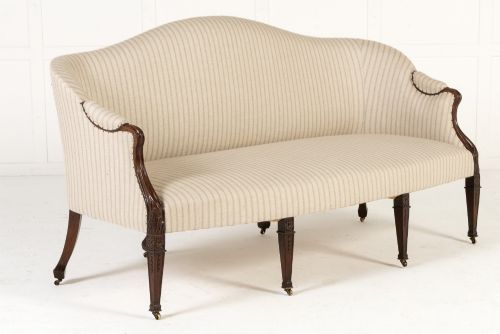
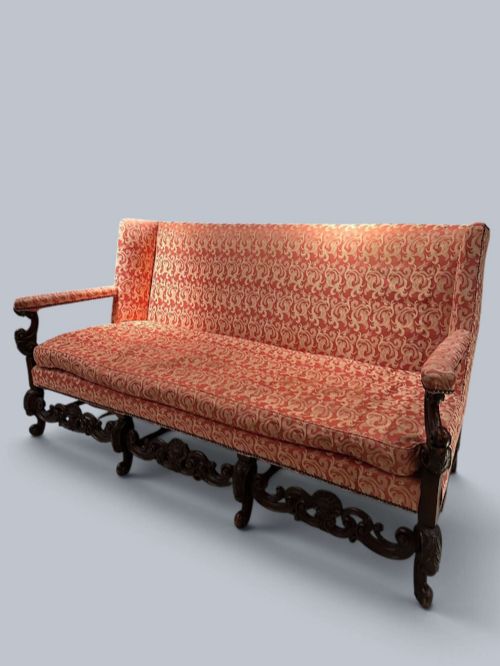
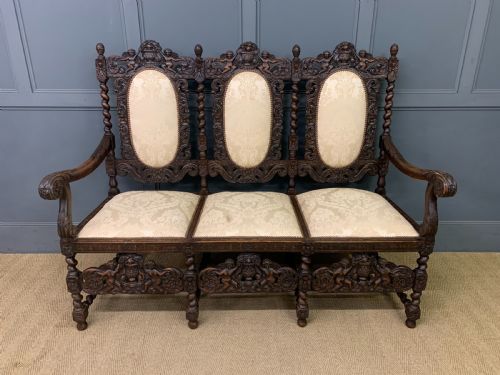
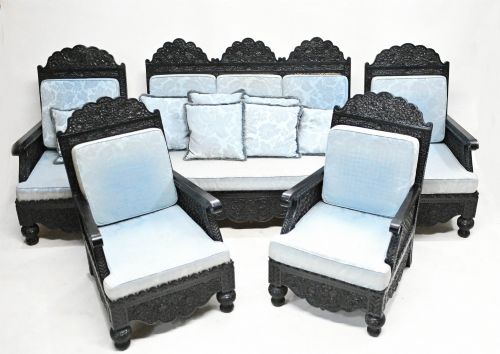
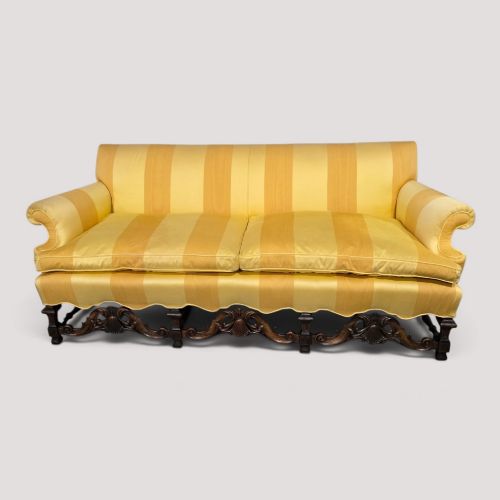
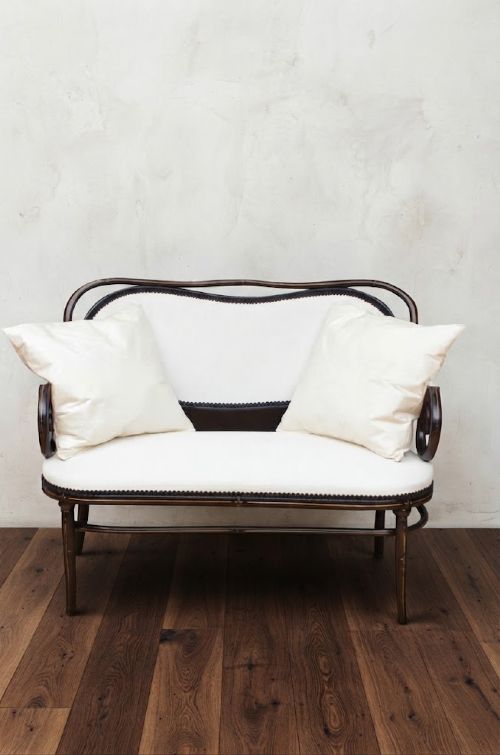
An upholstered wood settee combines a visible timber structure with padded seating, bridging the gap between a formal wooden bench and a fully stuffed sofa. Buyers seek these pieces to anchor a reception room or hallway with traditional craftsmanship and comfortable proportions.
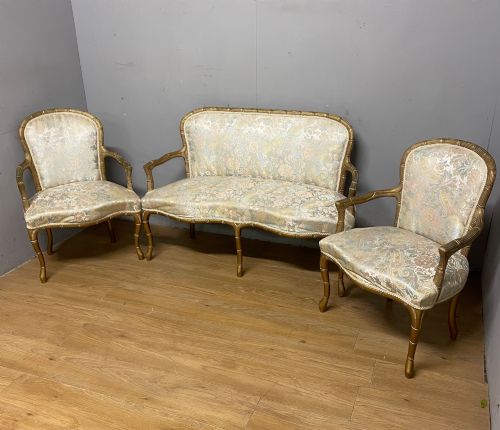
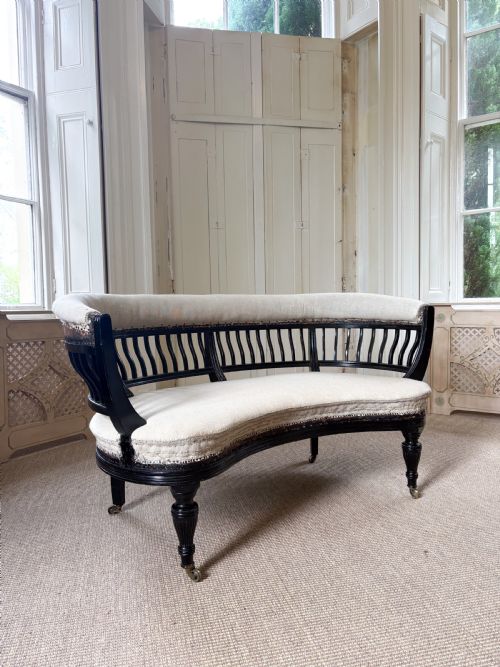
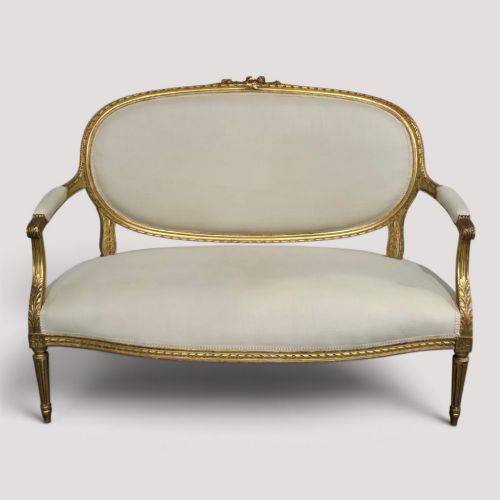
The selections available span multiple eras, most notably the Victorian period and the wider nineteenth century, alongside Edwardian and earlier eighteenth-century examples. Forms range from double-ended mahogany frames to French giltwood canapés and spindle-backed salon seating.
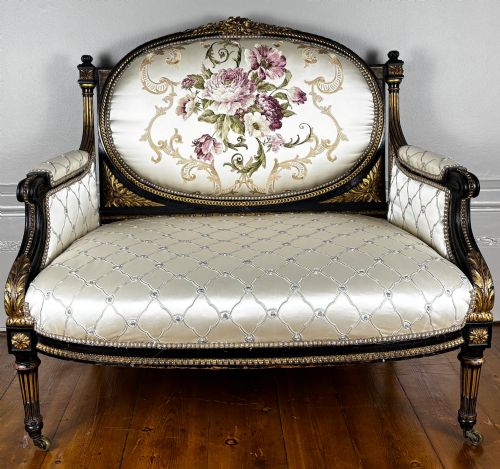
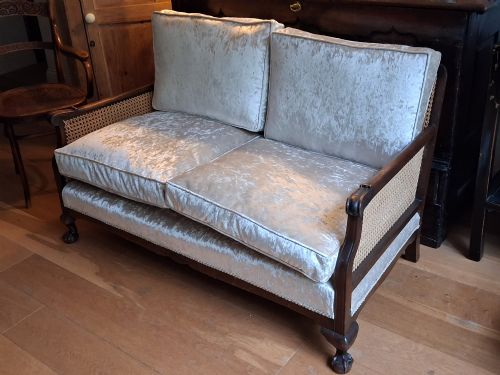
Regional and stylistic variations appear frequently, including English country house rosewood designs, inlaid satinwood pieces, and continental carved walnut frames in the Louis XV manner. Buyers will also encounter specialised seating such as cane-backed bergères and ebonised aesthetic movement frames.
Materials and construction methods
Makers built the structural frameworks of these settees from dense hardwoods such as mahogany, walnut, rosewood, and satinwood, occasionally applying parcel gilt, paint, or ebonisation to the surface. These timbers provided the rigid skeleton necessary to support carved details, ball and claw feet, and exposed wooden arms.
Upholstery techniques relied on traditional stuffing materials like hessian and deep-pile brocade, velvet, or leather, secured over sprung or webbed seat bases. Cane work also appears on specific regional and continental frames, offering a lighter textural contrast to the solid timber surrounds.
Upholstered Wood Settee Retail Price Guide 2026
Typical asking prices for upholstered wood settee among the pieces listed under this phrase on Sellingantiques today, from the lower quarter to the upper quarter. They describe what is for sale here now, not the wider market.
Listings span the eighteenth, nineteenth, and twentieth centuries, featuring woods like mahogany, walnut, rosewood, and satinwood alongside fabrics such as velvet, hessian, and leather.
Distinguishing quality across examples
The refinement of the timber carving and the crispness of the joinery set finer pieces apart from standard workshop production. Superior settees display fluid lines in walnut or rosewood, with well-proportioned arm supports and balanced framing that maintains structural integrity without excessive bulk.
The integrity of the underlying frame and the quality of the upholstery materials determine the long-term utility of the piece. Examples retaining original decorative elements, such as precise cane work or specialist gilt finishes, demonstrate a higher tier of period craftsmanship.
Howard and Sons·Miles and Edwards·C Hindley and Sons·Hampton and Sons
The Upholstered Wood Settee Glossary
- Canapé
- An upholstered sofa or settee, frequently designed in French revival styles with an exposed carved wood frame. These pieces often feature ornamental crest rails and cabriole legs.
- Bergère
- An enclosed upholstered armchair or settee featuring wooden frames and sides filled with cane work or upholstery. They commonly include loose feather or down seat cushions.
- Ebonisation
- A chemical or staining process applied to timber to imitate the appearance of ebony. This technique gained popularity during the nineteenth century and the aesthetic movement.
- Banquette
- A long upholstered bench or settee lacking a full backrest or featuring a low upholstered back. They appear frequently in nineteenth-century French salon and hallway contexts.
- Parcel Gilt
- A decorative treatment where selected portions of a wooden object are highlighted with gold leaf. This method emphasises carved details against a painted or dark wood ground.
Upholstered Wood Settee: Frequently Asked Questions
How do I place an upholstered wood settee in a modern room?
An upholstered wood settee works well against a neutral wall where the timber frame and textile covering can act as a focal point. Pair it with complementary side tables or position it in a spacious hallway to create a practical seating area.
Because these pieces feature exposed wood, they bridge traditional and contemporary interiors easily. Ensure there is enough clearance around the frame to appreciate the carved details and arm designs.
What is the difference between a settee and a sofa?
Historically, a settee referred to a wooden-framed seat with upholstery, whereas a sofa denoted a fully padded structure designed for lounging. Over time, the terms became largely interchangeable in trade descriptions.
When browsing period examples, a settee often emphasises more of the exposed wooden structure, such as carved mahogany or walnut rails, compared to fully upholstered nineteenth-century frames.
Can I use a settee for everyday seating?
Many period settees were built to withstand regular domestic use, provided the internal webbing and upholstery remain supportive. Modern adjustments to the padding can improve comfort without altering the antique frame.
Consider the depth of the seat and the height of the backrest when selecting a piece for daily lounging versus formal reception room seating.
How do I identify the period of a wooden settee?
Dating relies on stylistic clues such as timber choice, leg profiles like ball and claw feet, and decorative motifs like Regency rosewood or Louis XV carving. Structural markers inside the frame also point to specific manufacturing decades.
Comparing the joinery methods and textile choices against documented examples from the same era helps confirm the age of the piece.