



Upholstered Day Bed
When you search for an upholstered day bed, you are looking for a versatile piece of furniture designed for both daytime lounging and sleeping.
Upholstered Day Bed
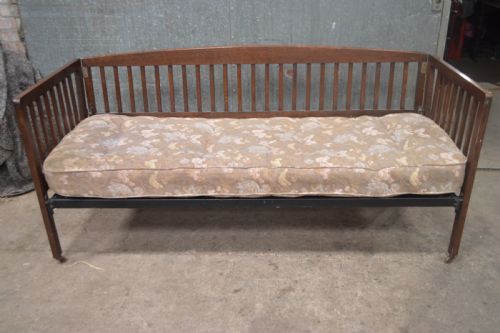
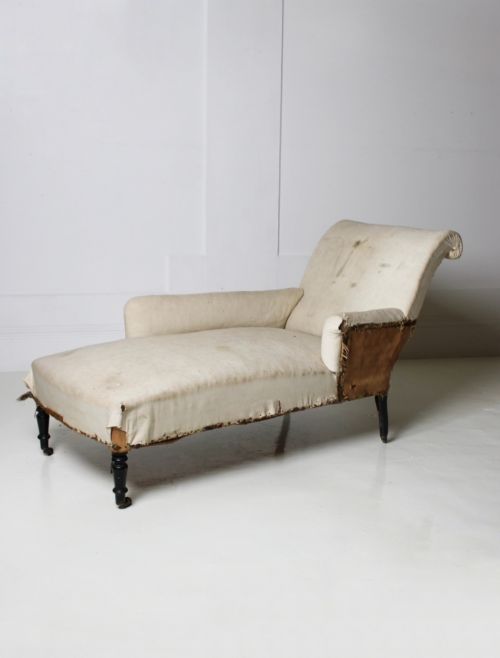
An upholstered day bed combines the functions of a sofa, chaise longue, and bed into a single hybrid form. These pieces emerge primarily from the nineteenth and early twentieth centuries, spanning periods from the Regency era through to the Edwardian period and the 1920s.
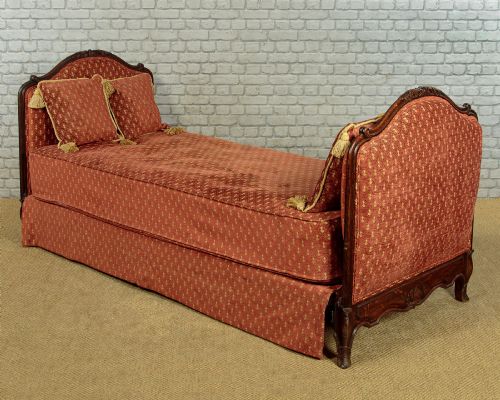
The selections on this page showcase a broad geographical and stylistic range, including English country house examples alongside French styles such as Louis XV, Louis XVI Revival, and lit bateau designs. Forms vary from traditional mahogany and rosewood frames to oak, walnut, gilt-decorated, and painted wooden structures.
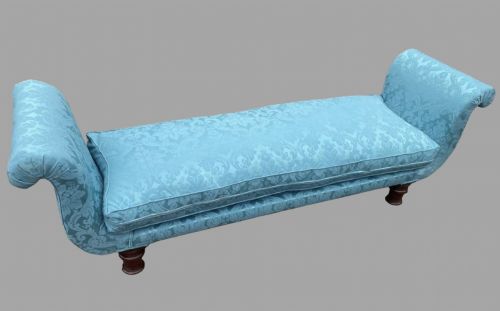
Buyers will encounter various configurations, from button-upholstered Victorian ottoman day beds to folding oak designs and scrolled neoclassical scroll end benches. Many pieces cross over with descriptions of settees, couches, and window seats, reflecting their flexible placement in period interiors.
How they were made
The framework of an upholstered day bed relies upon dense hardwoods like mahogany, rosewood, walnut, and oak, alongside turned or carved timber structures. Structural elements often incorporate decorative details such as bobbin turnings, gilding, or painted finishes.
Upholstery techniques utilise traditional padding materials paired with surface textiles including velvet, silk damask, linen, calico, and general upholstery fabric. Frames frequently feature turned wooden legs, sometimes resting upon original castors for mobility.
Upholstered Day Bed Retail Price Guide 2026
Typical asking prices for upholstered day bed among the pieces listed under this phrase on Sellingantiques today, from the lower quarter to the upper quarter. They describe what is for sale here now, not the wider market.
Several day beds are described with such versatility they double as salon, parlour, bedroom, living room, and conservatory furniture all at once.
What varies in quality
Quality in an upholstered day bed rests upon the integrity of the underlying timber frame and the refinement of its carved or turned details. Pieces attributed to notable makers or constructed with dense rosewood and mahogany demonstrate superior cabinetmaking skill.
The execution of the upholstery work also dictates the standard of the piece, visible in the depth of buttoning, the tautness of the fabric application, and the harmony between the textile choice and the period style of the wooden structure.
H. Goodall & Sons·Gillows·Miles & Edwards·Hampton & Sons·Howard and Sons·Heals of London·Robson & Sons
The Upholstered Day Bed Glossary
- Lit Bateau
- A French bed style featuring scrolled ends resembling a boat. This form appears frequently in nineteenth-century pieces.
- Chaise Longue
- An elongated chair for reclining, often categorized alongside day beds in historical records. These items provide backrests positioned for half-sitting positions.
- Ottoman Day Bed
- A form featuring storage beneath the mattress base, often associated with Victorian manufacturing. These practical pieces combine seating with concealed compartments.
- Bobbin Turning
- A type of furniture leg decoration formed by a series of rounded wooden spheres resembling bobbins. This technique appears on nineteenth-century frames.
Upholstered Day Bed: Frequently Asked Questions
Where were day beds placed in historic homes?
Historic day beds frequently occupied reception rooms, boudoirs, and large country house drawing rooms where residents spent daytime hours reading or resting. They served as auxiliary seating during large gatherings.
Later periods saw them utilised in bedrooms, parlours, and conservatories as multifunctional furniture that bridged the gap between a sofa and a spare bed.
What distinguishes Regency day beds from Victorian examples?
Regency day beds, dating from the early nineteenth century, typically draw inspiration from classical antiquity, featuring clean mahogany or walnut frames, saber legs, and elegant scroll ends.
Victorian day beds frequently showcase heavier proportions, darker woods, button upholstery, and utilitarian additions such as ottoman storage bases or turned legs with castors.
Can I use an antique day bed for daily sleeping?
While historic day beds were built for resting and sleeping, their internal webbing, springs, and padding reflect nineteenth or early twentieth-century construction methods.
Many pieces listed on this page feature newly applied upholstery, but buyers intending regular nightly use should inspect the internal support structure or consult the dealer regarding modern comfort levels.