



Uniformed Military Portrait Art
Uniformed military portrait art captures officers, generals, and monarchs across centuries of oil, watercolour, and pastel.
Uniformed Military Portrait Art
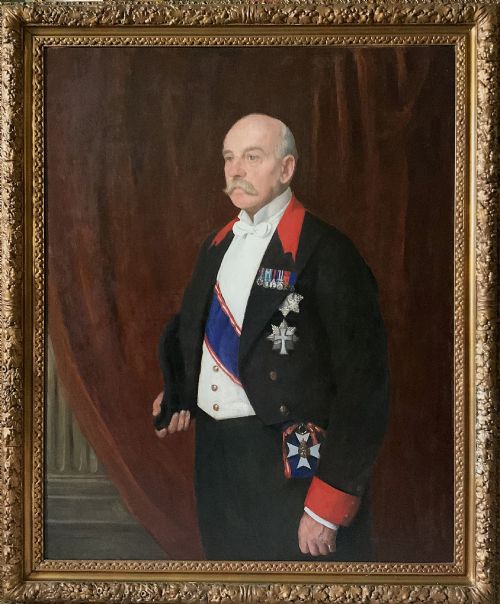
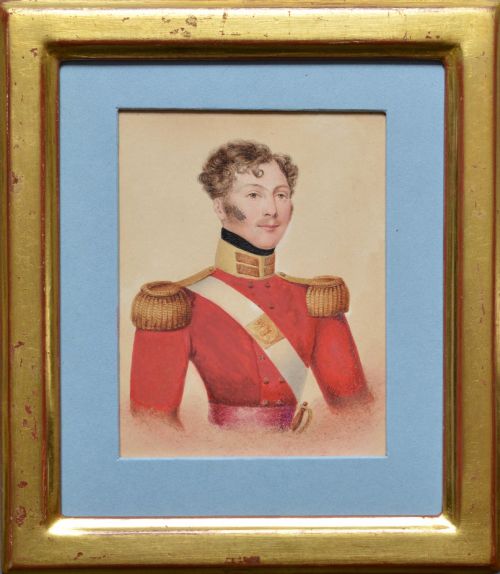
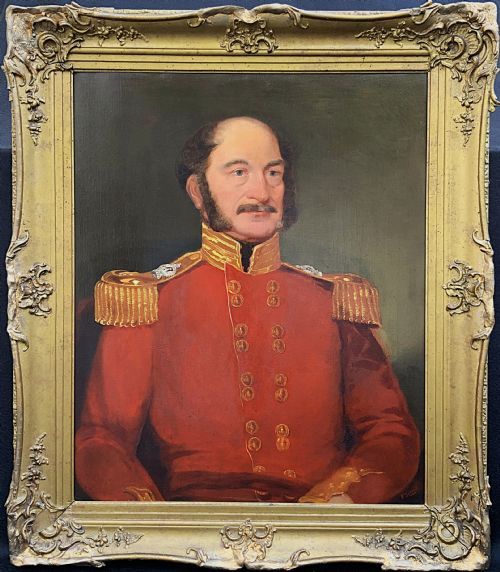
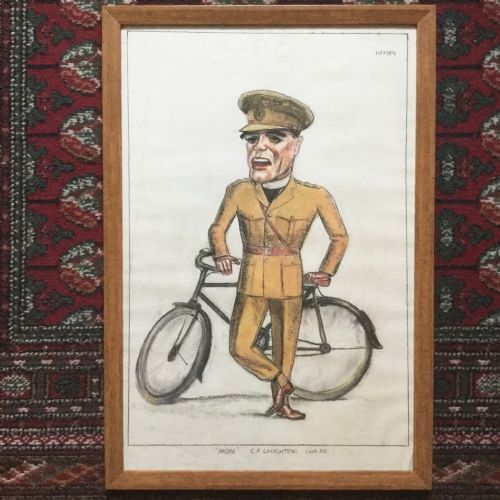
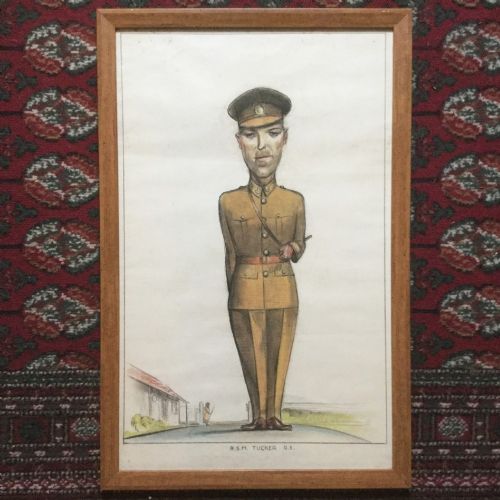
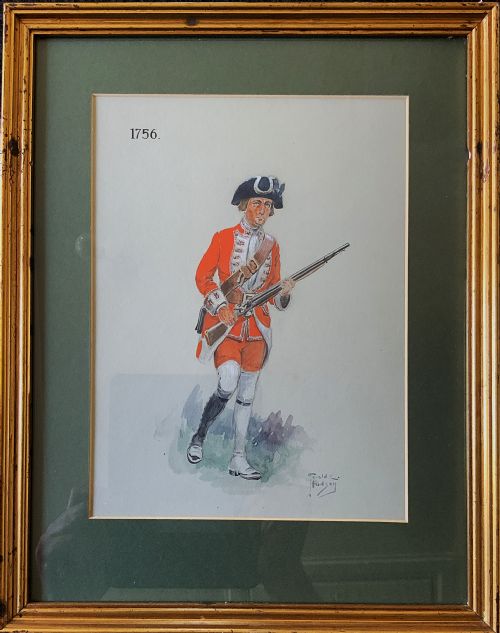
Uniformed military portrait art depicts officers, generals, and naval commanders rendered in oil, watercolour, pastel, and gouache. These works span the eighteenth, nineteenth, and twentieth centuries, capturing subjects in red coats, ceremonial tunics, and naval jackets.
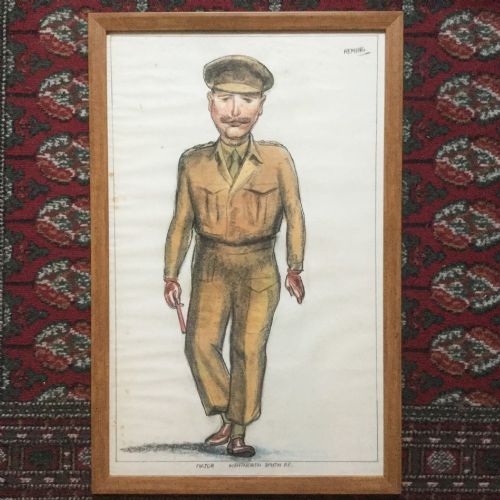
Buyers encounter oil on canvas paintings alongside delicate portrait miniatures, framed waterworks, and wartime pastel sketches. Georgian and Victorian examples sit alongside mid-twentieth-century depictions of generals and monarchs.
The subjects range from named historical figures and regiment officers to unidentified soldiers and cavalrymen. Pieces originate from British, French, and Austrian schools, reflecting various military campaigns and royal services.
Materials and Construction
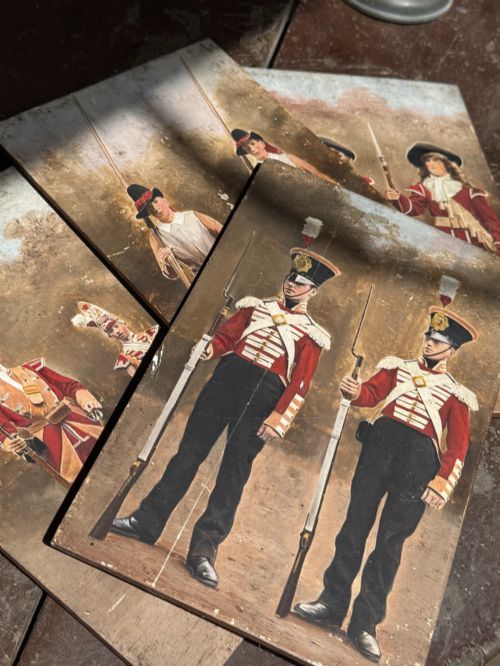
Artists painted these subjects using oil on canvas or panel, building up rich colours for ceremonial red tunics and dark naval jackets. Watercolours and wash techniques on paper provided finer detail for portrait miniatures and framed watercolours.
Wartime sketches utilised pastel and gouache on paper to quickly capture army officers and captains. Wood panels served as supports for painted soldiers, while glass protected delicate watercolours and miniatures.
One unexpected military gentleman even shares his canvas with exercising King Charles spaniels.
Evaluating Quality
Quality rests upon the artist's ability to render the likeness and uniform details with precision, whether in an expansive oil painting or a modest miniature. The reputation of the painter and the historical significance of the sitter elevate certain works above standard regimental records.
The medium and condition influence the piece, with well-preserved oil on canvas works and signed watercolours demonstrating greater artistic mastery than primitive or unsigned school paintings.
Thomas Stonewall Jackson·Sir Thomas Lawrence·Edward Pugh·Henry Hoppner Meyer·Albert Ferdinand Le Dru
The Uniformed Military Portrait Art Glossary
- Oil on Canvas
- A painting medium where pigments suspended in drying oil are applied to stretched canvas fabric. This method allowed artists to achieve deep tones for military uniforms and rich backgrounds.
- Portrait Miniature
- A small, highly detailed painting, often executed in watercolour on vellum or ivory. These portable likenesses were frequently commissioned by officers and their families.
- Gouche
- An opaque watercolour medium containing pigment and a binding agent such as gum. It provided flat, vibrant areas of colour in wartime officer sketches.
- Regiment
- A permanent unit of an army commanded by a colonel. Military portraits frequently record the specific regiment through distinctive lapels, facings, and tunic colours.
- Ceremonial Tunic
- The ornate outer garment worn by officers for formal parades and official duties. Painters meticulously rendered the brass buttons, braiding, and coloured cloth of these uniforms.
Uniformed Military Portrait Art: Frequently Asked Questions
What periods do these portraits cover?
The works span from the eighteenth century through the Victorian era and into the mid-twentieth century. Pieces reflect historical periods including the Georgian, Regency, and Edwardian eras.
Dates extend from the seventeen-fifties through to nineteen-fifty, capturing military figures from various conflicts and royal reigns.
Which mediums are most common?
Oil on canvas is frequently encountered, alongside framed watercolours, gouache, and pastel sketches on paper. Artists also utilised wood panels for painted soldier representations.
Miniatures on a smaller scale offer intimate depictions of naval and army officers from the late eighteenth century onward.
Are the subjects usually identified?
Many listings name specific historical figures, including admirals, generals, captains, and monarchs. Sitters range from decorated commanders to wool tweed manufacturers in ceremonial dress.
Other works depict anonymous officers or represent specific regional regiments and British schools without recording a full individual name.
How are these artworks framed?
Framing varies from period wooden frames surrounding large oil paintings to protective glass mounts for delicate watercolours and pastels. Original frames often complement the century of the artwork.
Buyers find wall art suited to domestic display as well as smaller portrait miniatures intended for close inspection.