

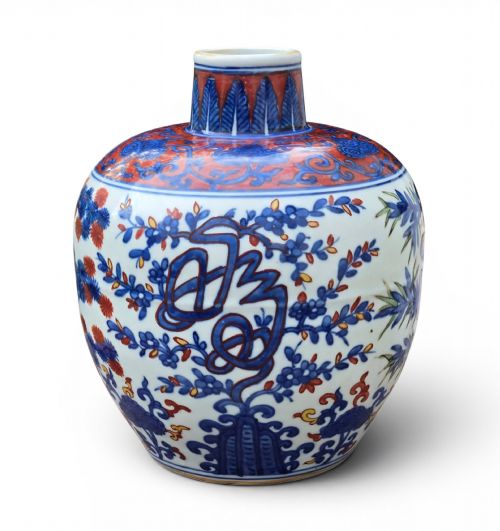


Underglaze Red Porcelain
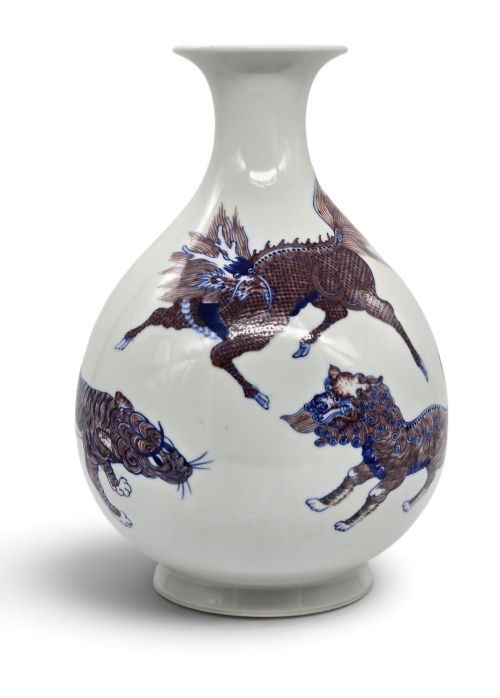
Underglaze red porcelain pieces are ceramic vessels and plates bearing copper-derived crimson pigments beneath the glaze, sought after for their depth of colour and historic craftsmanship.
Underglaze Red Porcelain
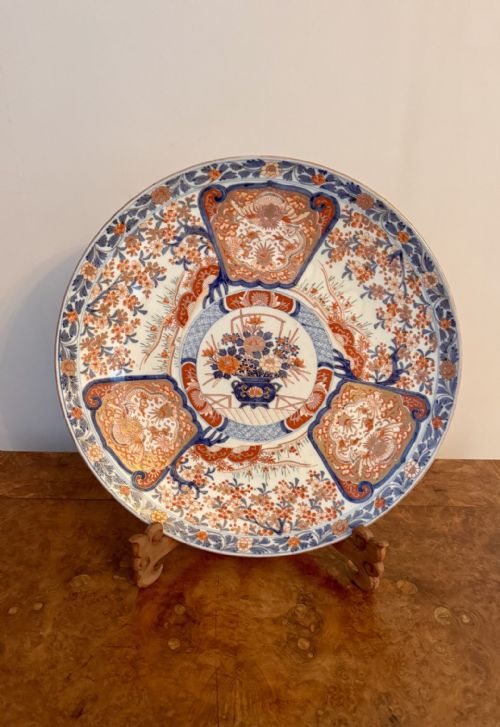
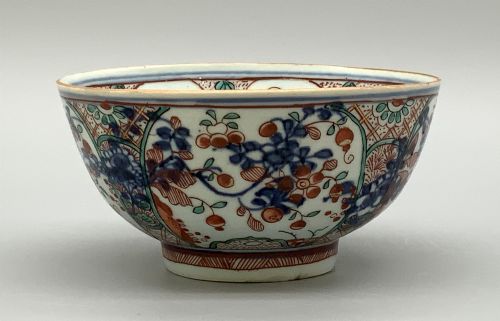
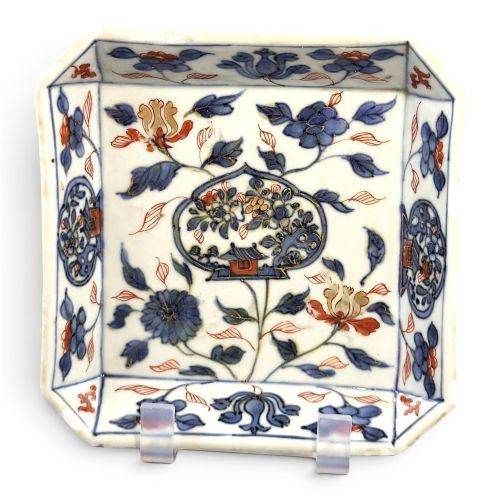
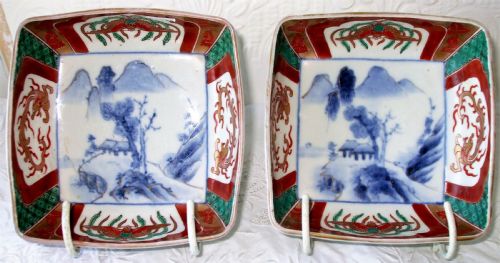
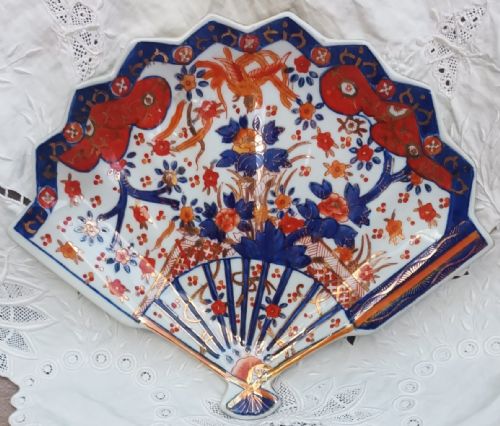
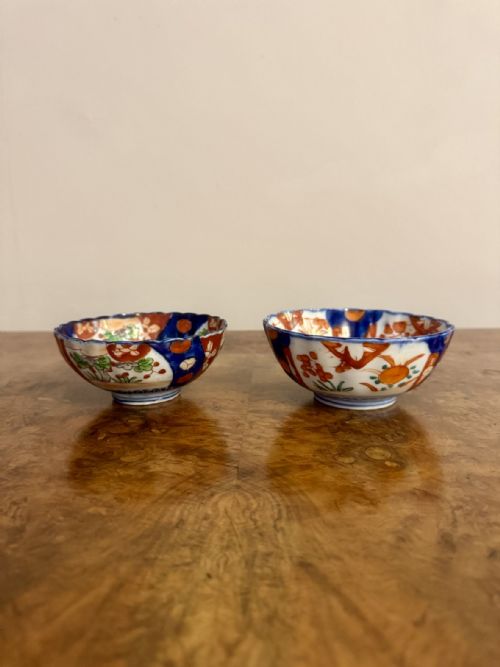
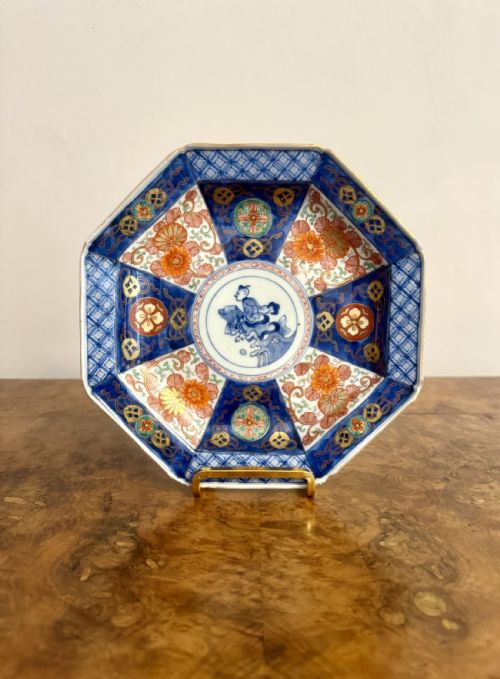
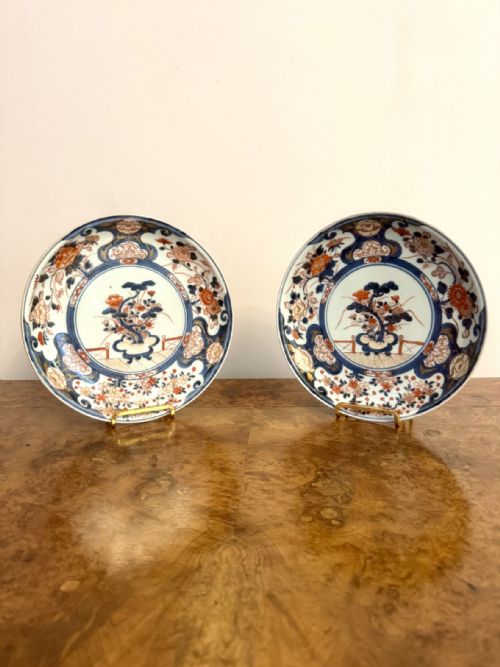
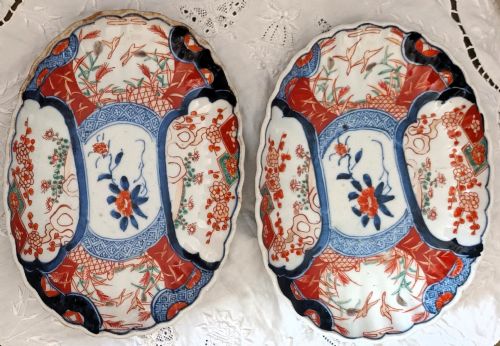
Underglaze red porcelain encompasses decorative plates, vases, bowls, and scholar's objects originating from Chinese and Japanese kilns across several centuries. The listings here concentrate heavily on Japanese Imari plates and dishes from the nineteenth and early twentieth centuries, alongside earlier Chinese export wares and Qing dynasty examples.
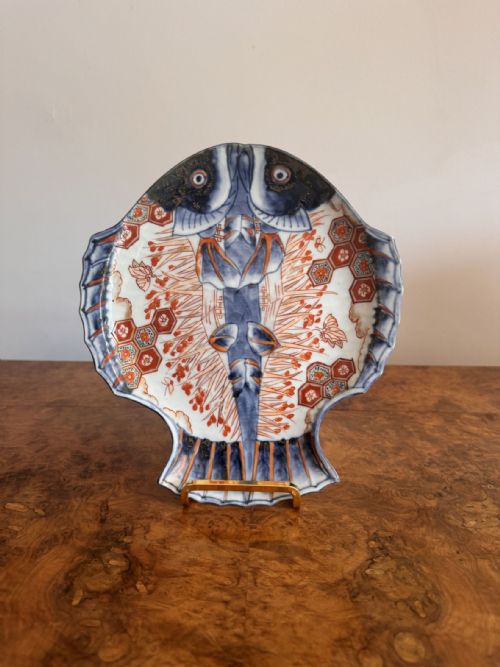
Buyers encounter distinct forms ranging from hexagonal and scalloped plates to double gourd vases and brush washers. The aesthetic bridges traditional East Asian ceramic traditions, featuring contrasting pigments and complex forms designed for both utility and display in period interiors.
Materials and production methods
Potters shape fine ceramic and porcelain bodies before applying copper-based pigments beneath a transparent glaze to achieve the characteristic red coloration during high-temperature firing. Many pieces incorporate cobalt blue, enamel, gold leaf, and gilding over or alongside the primary underglaze decoration.
Kiln temperature control dictates whether the copper oxide successfully reduces to a rich red hue rather than turning grey or brown. This technical difficulty makes successful underglaze red pieces an achievement of historical ceramic engineering.
Materials recorded across the inventory include ceramic, enamel, gold leaf, and cobalt blue alongside porcelain bodies.
What determines quality
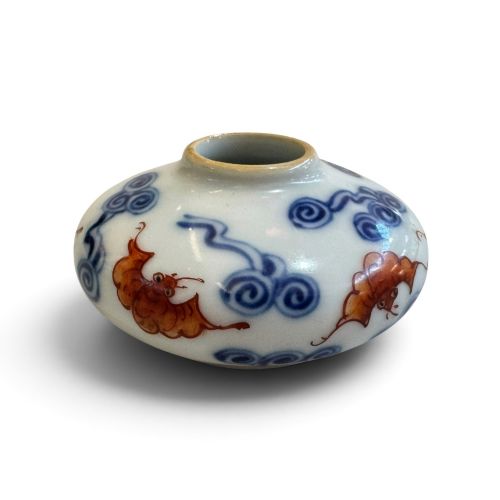
The clarity and stability of the red pigment beneath the glaze separate superior pieces from weaker firings where the colour bleeds or mutes. Precision in brushwork, particularly on complex motifs like mythical beasts or bats and clouds, distinguishes master output from standard commercial production.
The integrity of the porcelain body, the precision of shapes such as chamfered squares or scalloped edges, and the preservation of supplementary gilding or enamel all contribute to the overall standard of a piece.
The Underglaze Red Porcelain Glossary
- Underglaze
- Decoration applied to a ceramic body before it receives its final glaze and goes into the kiln. This technique protects the pigment beneath a glassy protective layer.
- Imari
- A style of Japanese porcelain originating from Arita, shipped from the port of Imari. It traditionally utilises a palette of underglaze blue, iron red, and gold.
- Qing Dynasty
- The final imperial dynasty of China, lasting from 1644 until 1912. Porcelain from this era is celebrated for technical mastery and diverse decorative styles.
- Brush washer
- A small scholar's vessel used for cleaning writing brushes. These objects form part of the traditional scholar's studio equipment in East Asia.
Underglaze Red Porcelain: Frequently Asked Questions
How do I display these plates?
Plates and chargers mount securely on walls using specialist wire hangers or sit on plate stands within cabinets. Their detailed borders and central motifs reward close eye-level placement.
Grouping items of similar periods creates a cohesive focal point in a traditional or eclectic room scheme.
Can I use these bowls daily?
Antique porcelain benefits from careful handling rather than heavy everyday dining use. Hand washing in lukewarm water with mild soap protects the glaze and any surface gilding.
Sudden temperature changes should be avoided to prevent stress on the ceramic body.
How do I identify Edo period pieces?
Edo period items align with Japanese history spanning from 1603 to 1868. They often display characteristic Arita potting traits, heavier bodies, and hand-painted Imari palettes.
Examining the foot ring and unglazed base areas provides clues regarding the age and manufacturing origin.