



Chinese Brush Washer
A chinese brush washer is a scholar's vessel for cleaning calligraphy tools, prized for quiet elegance and tactile form.
Chinese Brush Washer
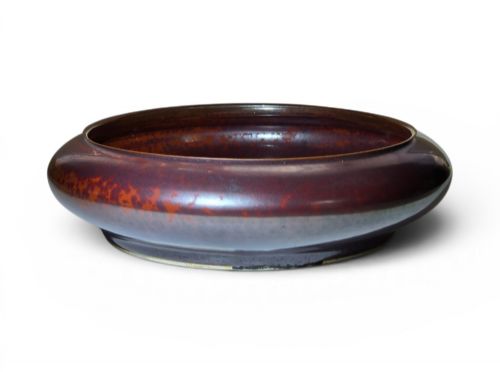
When you search for a chinese brush washer, you encounter scholarly desk vessels originating from periods spanning the eighteenth century through the republican era.
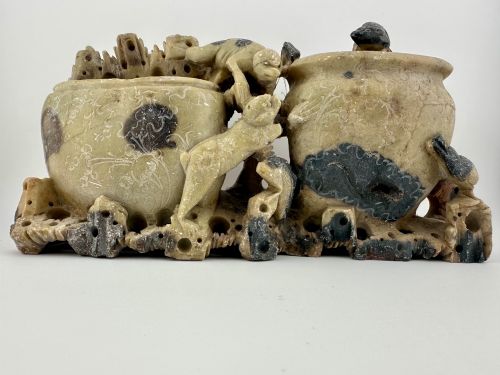
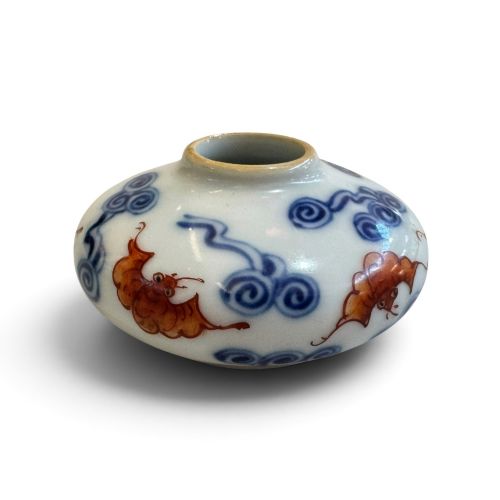
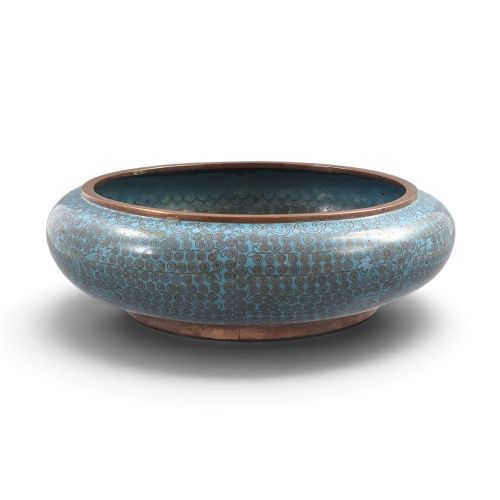
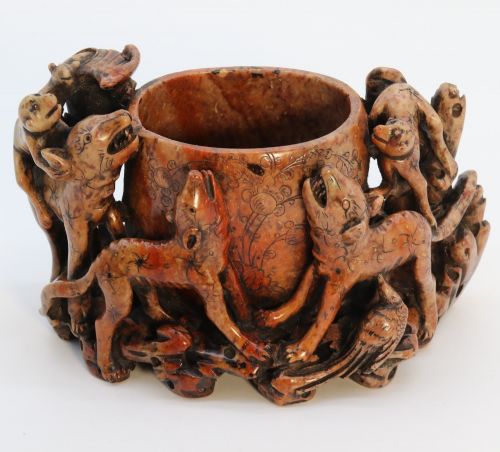
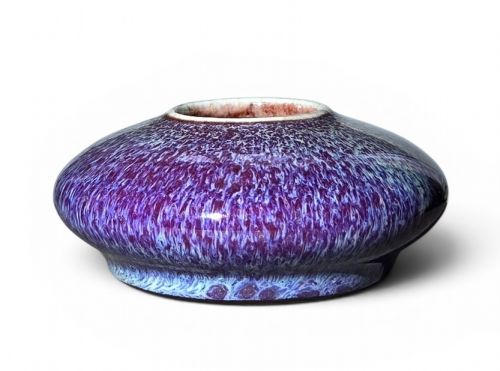
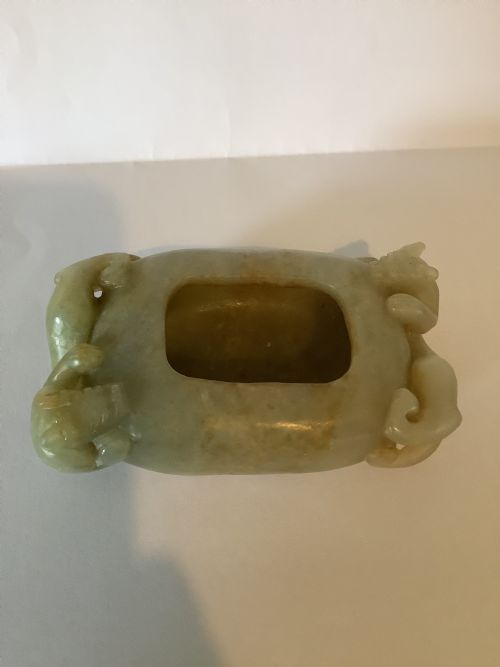
The pieces on this page take various forms, including compressed ceramic bowls, carved soapstone groups, jade lotus-form cups, and cloisonné enamel vessels.
Scholar's objects of this nature served practical roles on writing desks while embodying the refined tastes of imperial and later dynastic China.
Materials and construction
Craftsmen shaped these vessels from diverse materials including porcelain finished with iron rust, cobalt blue, flambé, or 'Ge'-type glazes.
Carved organic and mineral mediums such as soapstone, boxwood, bamboo, buffalo horn, and pale green or russet jade appear across the collection.
Metalworking techniques also surface, utilising bronze and copper alloy alongside intricate cloisonné enamel work executed in Beijing.
Several lily pad brush washers feature small carved animals perched on each end, ready to supervise the ink.
Evaluating craftsmanship
Quality rests upon the precision of the carving in organic and mineral mediums, where fluid lines and naturalistic contours define superior scholar's objects.
In ceramic vessels, the control and depth of reactive glazes such as flambé and iron rust distinguish masterwork pieces from standard production.
Material selection dictates much of the standing, with unblemished jades and well-figured hardstones commanding greater attention than common alternatives.
The Chinese Brush Washer Glossary
- Buxi
- A term for a compressed brush washer vessel. This specific form appears frequently in eighteenth-century Qing dynasty examples.
- Celadon
- A term for a pale green jade or ceramic glaze resembling jade. It results from iron oxide fired in a reduction kiln.
- Cloisonné
- An enamel technique where metal wires form raised barriers on a surface to hold coloured pastes before firing. Beijing workshops produced notable instances.
- Flambé
- A streaked, variegated glaze created by metallic oxides fired in variable kiln atmospheres. It produces unpredictable paths of red and blue.
- Scholar's objects
- Implements and decorative desk accessories used by the traditional Chinese literati. These items include brush washers, pots, and cups.
Chinese Brush Washer: Frequently Asked Questions
What was a chinese brush washer used for?
A chinese brush washer served as a vessel containing water for rinsing ink and pigment from calligraphy brushes during use.
Scholars placed these desk accessories within their studios to facilitate writing and painting while maintaining a meditative workspace.
How do I care for jade and soapstone vessels?
Keep jade and soapstone pieces away from sudden temperature shifts and harsh chemical cleaners to protect their natural surface polish.
Dust them gently with a soft, dry cloth to preserve the carved details without abrasive friction.
How can I tell eighteenth-century pieces apart?
Eighteenth-century pieces often display deeper imperial qualities, superior glaze chemistry like flambé or iron rust, and highly controlled carving.
Later nineteenth-century and republican examples shift toward alternative materials such as buffalo horn and distinct regional carving styles.
Where should I display a brush washer?
Display these vessels on flat surfaces in well-lit rooms where their tactile forms and varied textures remain visible.
Placing them away from direct sunlight protects sensitive organic materials like boxwood, bamboo, and horn from drying out.