


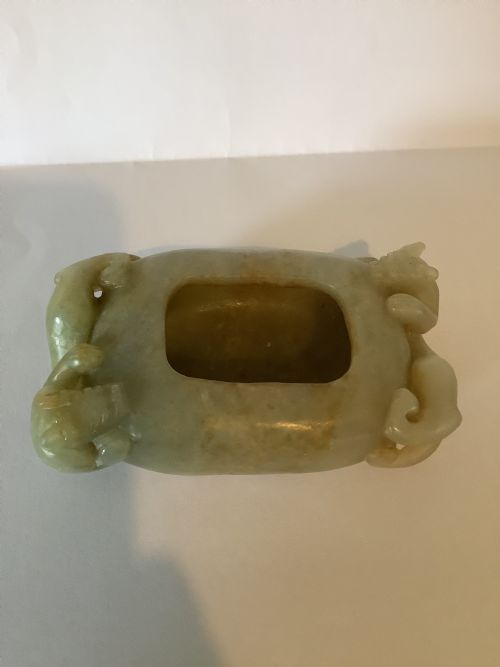

Qing Dynasty Scholar Desk
These pieces for a qing dynasty scholar desk bring together carved hardwoods, brush pots, and jade items made for the traditional Chinese studio.
Qing Dynasty Scholar Desk
A qing dynasty scholar desk gathers the implements and desk accessories used by traditional scholars in China, spanning brush pots, brush washers, censers, and table screens.
The objects seen here originate mostly from the eighteenth and nineteenth centuries, reflecting the material culture of the literati class.
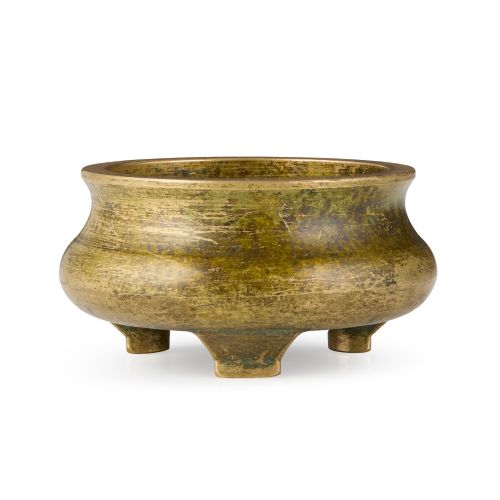
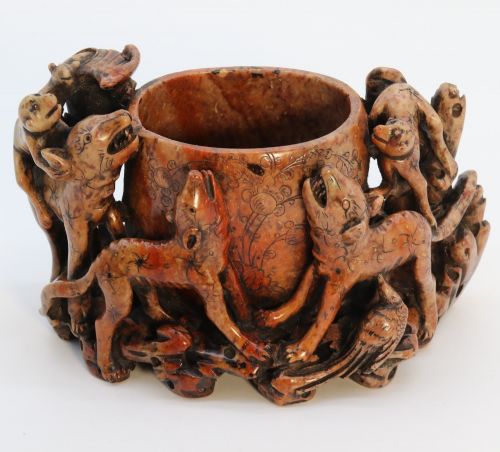
Brush pots and brush washers dominate the selections, alongside jade carvings, soapstone seals, and cast bronze censers.
Materials and Techniques
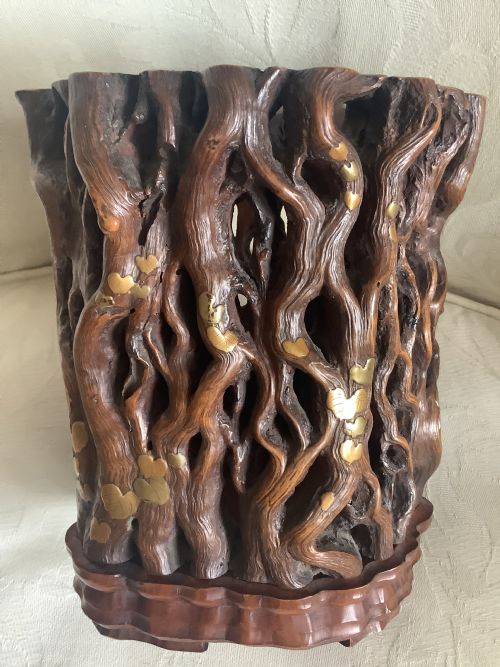
Craftsmen shaped these desk accessories from organic materials like bamboo, hardwood, buffalo horn, and soapstone, utilising detailed hand-carving techniques.
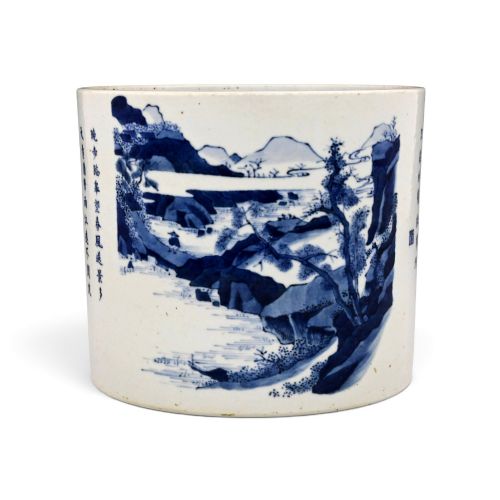
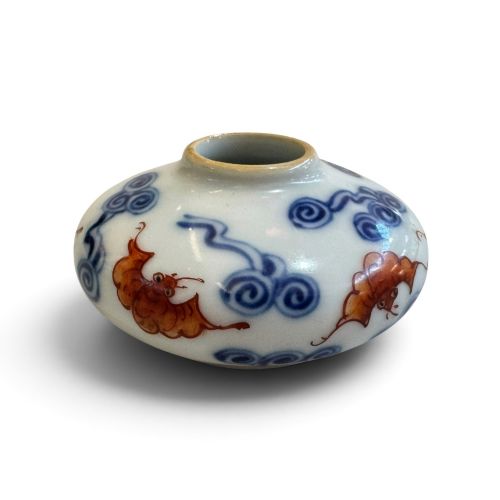
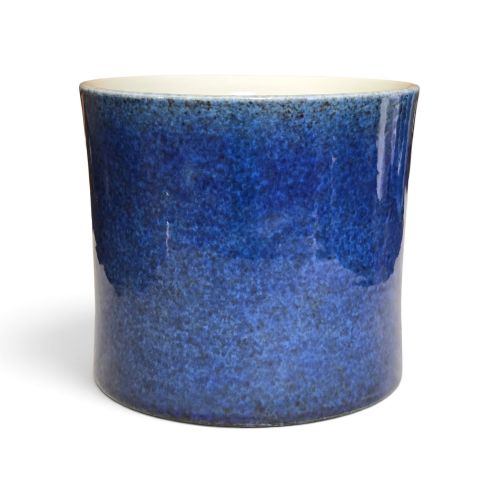
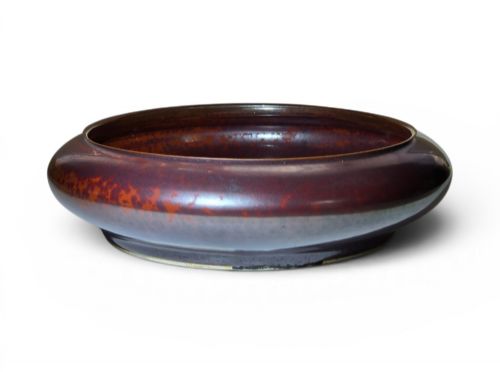
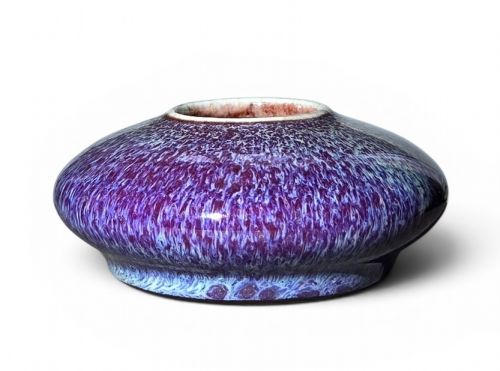
Ceramic objects employ porcelain bodies finished with cobalt blue, powder-blue, iron rust, and flambé glazes.
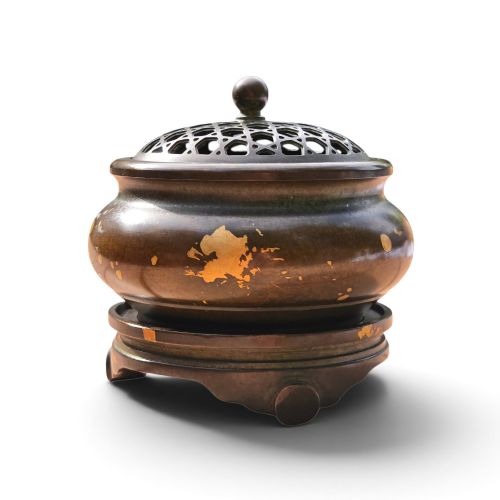
Metal items rely on cast bronze and brass, sometimes decorated with gold-splashed surfaces or studio marks.
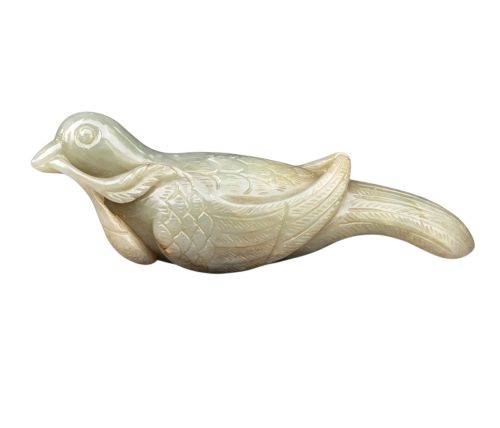
Scholars occasionally rested their wrists on carved bamboo exotic birds while composing calligraphy.
Distinctions in Quality
Quality rests on the depth and crispness of the carving, particularly where bamboo, hardwood, and soapstone display intricate figural or natural scenes.
Porcelain pieces depend on the control of the glaze and the precision of the underglaze cobalt or monochrome finish.
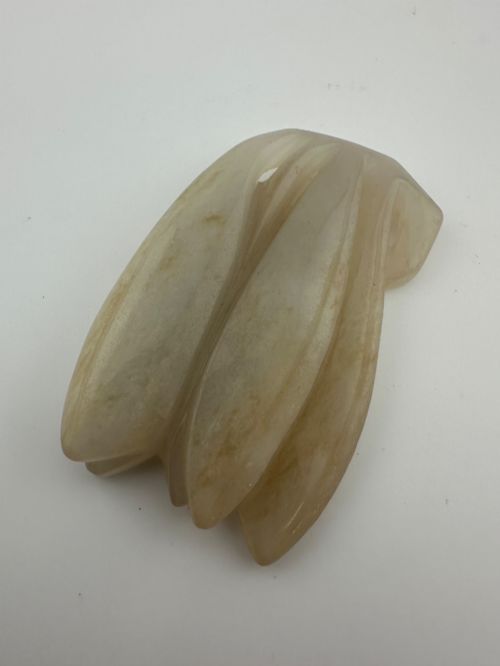
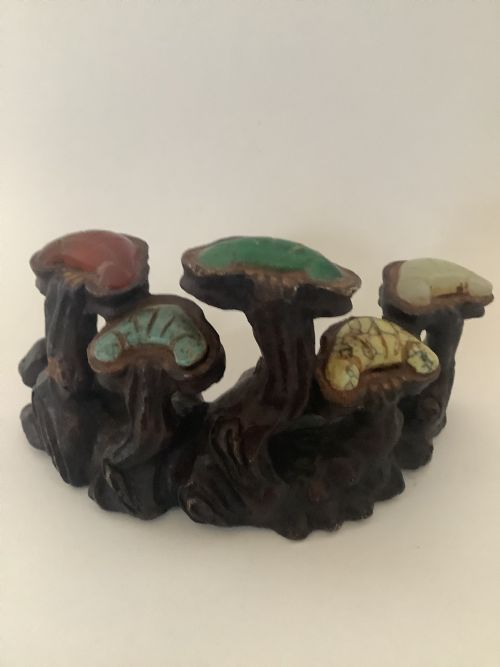
Jade and stone objects reveal their standard through the purity of the material and the harmony between the natural russet inclusions and the carved form.
The Qing Dynasty Scholar Desk Glossary
- Bitong
- A cylindrical brush pot used on a scholar's desk to hold writing brushes. These vessels appear in porcelain, bamboo, and hardwood.
- Celadon
- A term for ceramics glazed in pale green hues, mimicking jade. This finish is also found on carved jade pieces themselves.
- Censer
- A vessel used for burning incense in the scholar's studio. These typically stand on tripod feet and are cast in bronze.
- Brush Washer
- A small basin used to clean writing brushes during calligraphy and painting. They are often shaped from jade, porcelain, or stone.
- Soapstone
- A soft metamorphic rock easily carved into seals and decorative figures. It often displays mottled tones of grey, red, and green.
Qing Dynasty Scholar Desk: Frequently Asked Questions
What is a qing dynasty scholar desk?
A qing dynasty scholar desk represents the arrangement of implements used by traditional Chinese literati for writing and painting. These items include brush pots, water washers, and wrist rests.
Such objects reflect the scholarly pursuits of the period, combining practical function with refined artistic expression.
How do I identify a brush pot?
A brush pot, or bitong, is a cylindrical container designed to hold writing brushes upright on a desk. They appear in materials like bamboo, hardwood, and porcelain.
Older examples often feature carved scholar scenes, dragons, or natural motifs around the exterior.
What materials were used for these desks?
Makers utilised a range of materials suited to the literati aesthetic, including hardwoods, bamboo, soapstone, and jade. Ceramic brush pots and bronze censers also feature prominently.
Each material required specialised carving or casting techniques developed over centuries.
How are different periods told apart?
Periods are distinguished by stylistic shifts in carving depth, glaze chemistry, and material treatment. Eighteenth-century pieces often show imperial-style refinement, while nineteenth-century items display varied regional carving styles.
Datings rely on recorded reign marks, material patina, and characteristic decorative themes.