




Underglaze Blue Red
Underglaze blue red ceramics unite cobalt pigments with iron-red tones beneath the glaze, offering collectors centuries of Asian porcelain and pottery mastery.
Underglaze Blue Red
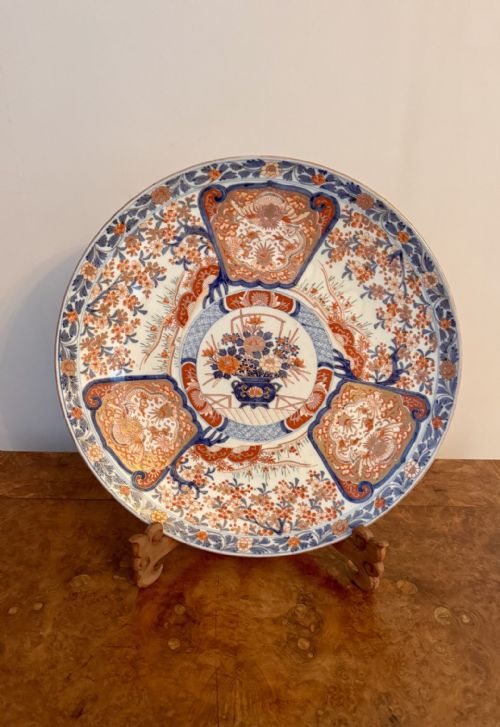
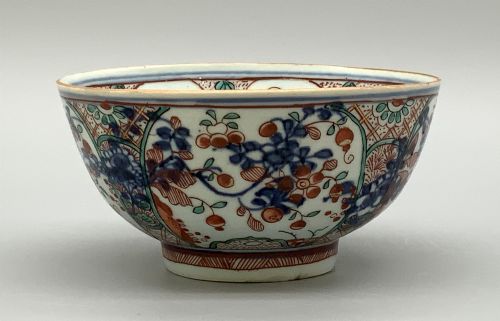
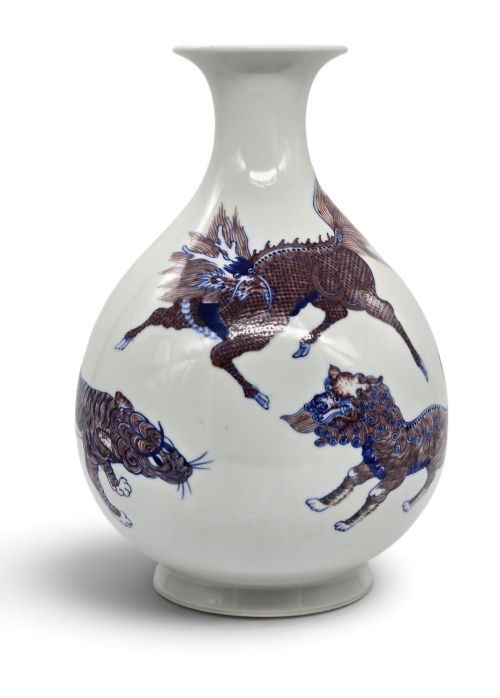
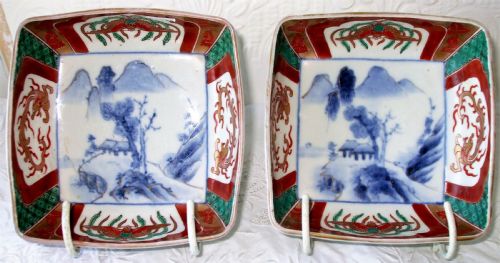
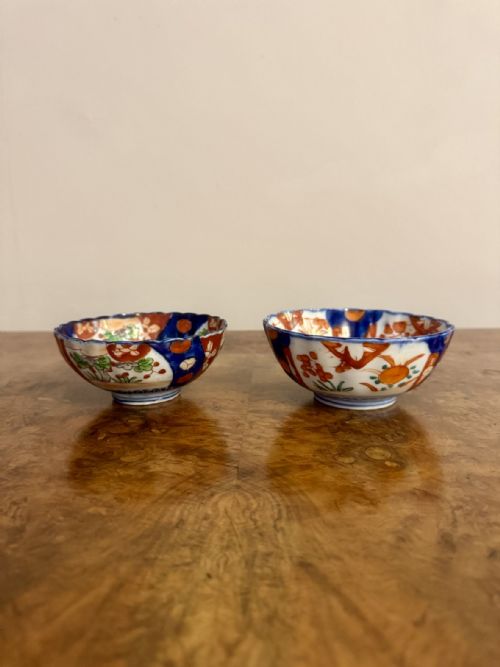
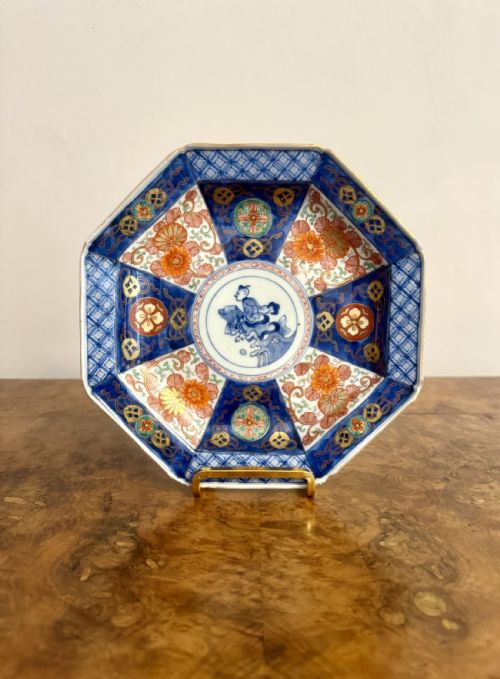
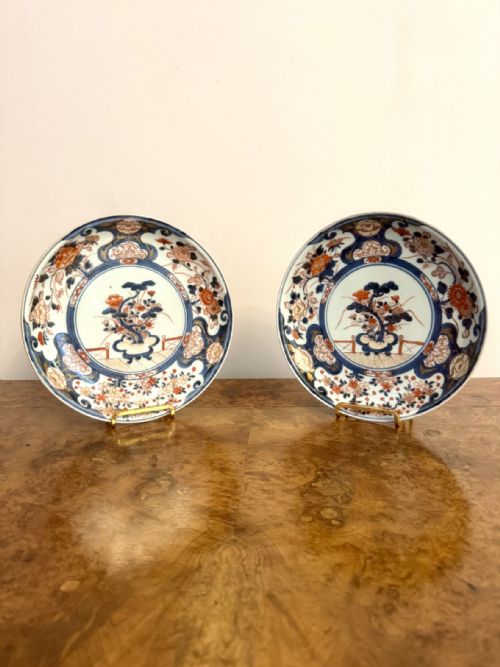
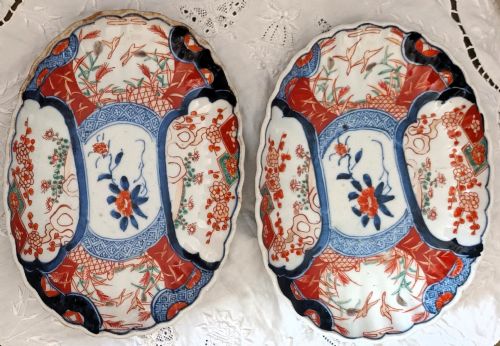
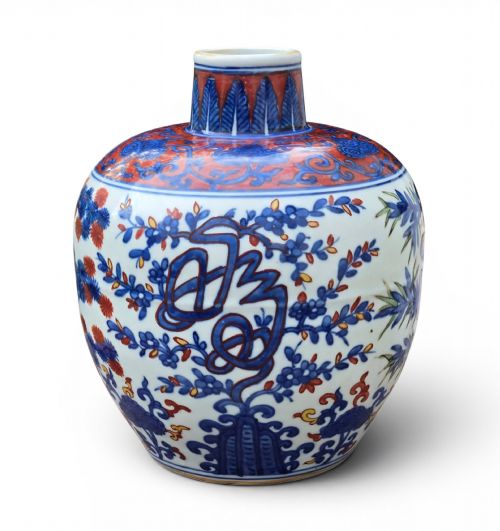
When searching for underglaze blue red, buyers encounter works spanning from the sixteenth century to the early twentieth century, originating from Japanese and Chinese kilns. The selection centres heavily upon Japanese Imari plates, dishes, chargers, and bowls from the Meiji period and around nineteen hundred, alongside earlier Chinese Qing Dynasty and Kangxi period porcelain.
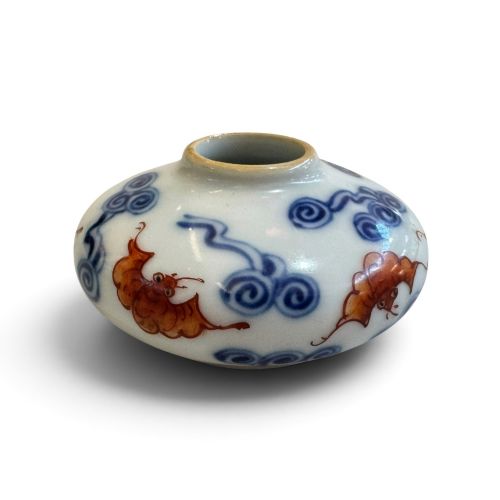
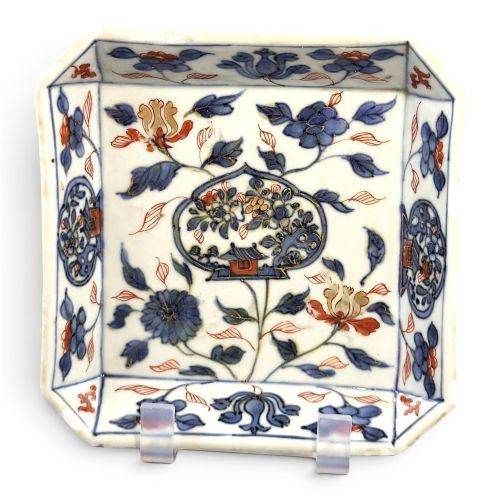
Forms range from standard round plates and scalloped dishes to hexagonal plates, double gourd vases, garlic-mouth vases, brush washers, jars, and tankards. Japanese Imari wares dominate the available inventory, accompanied by specific Chinese scholarly objects and vessels employing cobalt blue and copper-red or iron-red pigments.
How they were made
Potters utilised ceramic and porcelain bodies, applying cobalt blue, copper-red, and iron-red pigments beneath a clear glaze before firing at high temperatures. Many examples incorporate additional surface details such as enamel, gold leaf, gilt, and gilding applied over the glaze.
The combination of underglaze painting techniques required precise kiln temperature control to achieve the distinct blue and red coloration alongside white porcelain bases. Artisans shaped these pieces into diverse utilitarian and decorative forms, including moulded vessels, geometric bowls, and shaped plates.
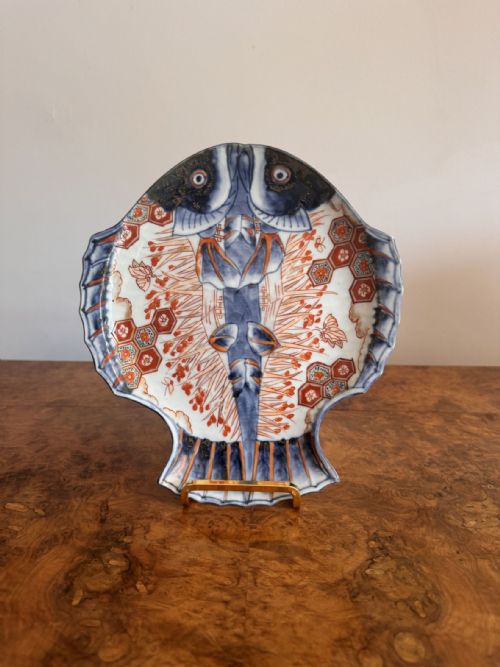
One exceptional plate takes the literal form of a swimming fish, proving that potters enjoyed swimming against the conventional round current.
What varies in quality
Quality rests upon the precision and fineness of the hand-painted brushwork, particularly in intricate motifs such as mythical beasts, bats, clouds, and floral arrangements. Pieces described as fine or unusual exhibit superior artistic execution and distinct potting forms, such as hexagonal outlines or fish shapes.
The clarity of the underglaze pigments and the successful integration of supplementary gold leaf or enamel distinguish standard commercial output from exceptional imperial or collector-grade examples. Condition and the preservation of delicate painted details also determine the standing of individual items within the historical range.
The Underglaze Blue Red Glossary
- Underglaze
- A method of decorating pottery where pigments are applied directly to the unfired ceramic body before glazing and firing. This technique protects the design beneath a glassy protective layer.
- Imari
- A style of Japanese export porcelain originating from Arita and shipped through the port of Imari. These wares typically feature a palette of underglaze blue, iron red, and gilt.
- Kangxi
- A period of the Qing Dynasty spanning from sixteen sixty-two to seventeen twenty-two known for technical excellence in porcelain production. Pieces from this era often display vibrant underglaze painting.
- Meiji Period
- An era in Japanese history lasting from eighteen sixty-eight to nineteen twelve characterised by significant artistic production for export. Wares from this time include highly decorative Imari plates and vases.
- Brush Washer
- A scholar's object used in traditional East Asian calligraphy and painting to clean ink brushes. These ceramic vessels often feature refined underglaze decoration.
Underglaze Blue Red: Frequently Asked Questions
What is underglaze blue red porcelain?
Underglaze blue red porcelain refers to ceramic pieces decorated with cobalt blue and copper-red or iron-red pigments painted directly onto the clay body before a transparent glaze is applied. The piece is then fired at a high temperature, sealing the colours permanently beneath the glossy surface.
This technique requires great skill from the potter because copper and iron pigments behave differently in the kiln than cobalt. Surviving examples include Chinese scholarly vessels and Japanese export wares created for international markets over several centuries.
How do I identify Japanese Imari ware?
Japanese Imari porcelain is traditionally recognised by its distinctive palette combining underglaze cobalt blue and iron red, frequently accented with gold leaf or gilding. The decorative schemes often incorporate complex floral patterns, panels, and brocade motifs.
Most pieces originating from Japan date from the Edo period through the Meiji period and the early twentieth century. They take various functional forms including decorative plates, chargers, bowls, and large vases.
What is a Chinese Kangxi period piece?
A Chinese Kangxi period piece refers to porcelain manufactured during the reign of the Kangxi Emperor between sixteen sixty-two and seventeen twenty-two. This era is celebrated for high-quality porcelain bodies and brilliant underglaze blue and Imari decorations.
Collectors prize these items for their luminous glazes and refined potting techniques. Common forms from this timeframe include export bowls, dishes, and large tankards.
How should I display antique porcelain plates?
Antique porcelain plates and dishes can be displayed using specialised wall hangers or stable plate stands designed for heavy ceramics. Placing them away from direct sunlight preserves the vibrancy of any overglaze enamels or gold leaf details.
Ensuring adequate support for heavier chargers and hexagonal plates prevents accidental slips. These decorative pieces add historical depth to interiors when paired with complementary surfaces and adequate lighting.