



Underglaze Blue Imari Plate
An underglaze blue imari plate brings together rich cobalt pigments and vibrant ceramics from Japanese and Chinese kilns.

Underglaze Blue Imari Plate
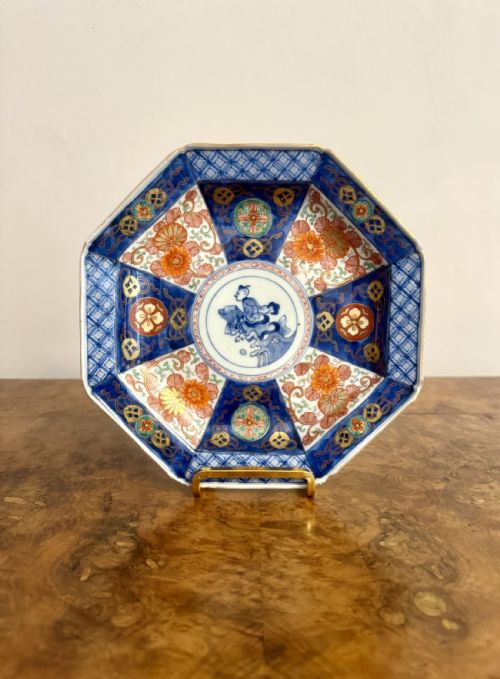
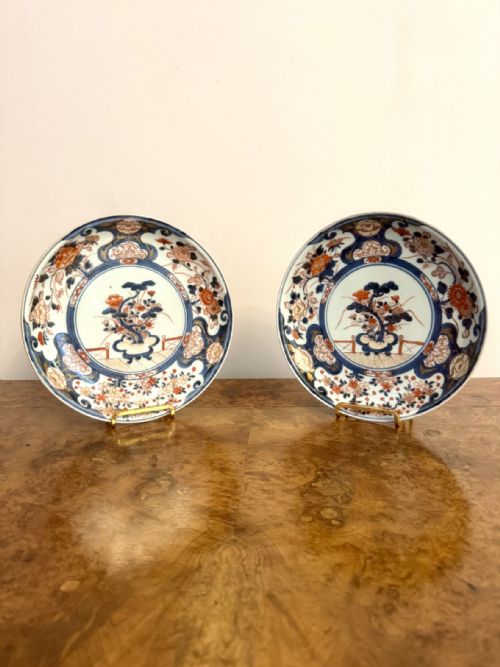
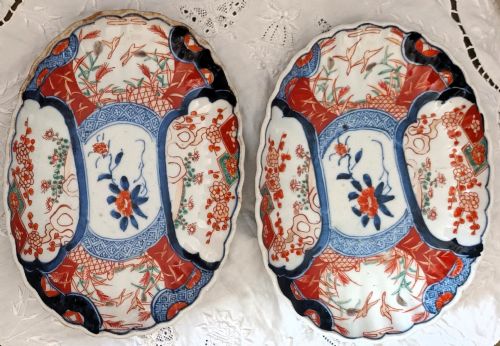
An underglaze blue imari plate is a decorative ceramic piece originating from historic kilns in Japan and China. When you search for this phrase, you encounter chargers, dishes, and platters spanning several centuries of production. The examples on this page are predominantly Japanese imari pieces from the Meiji period and the twentieth century, alongside earlier Chinese export wares.
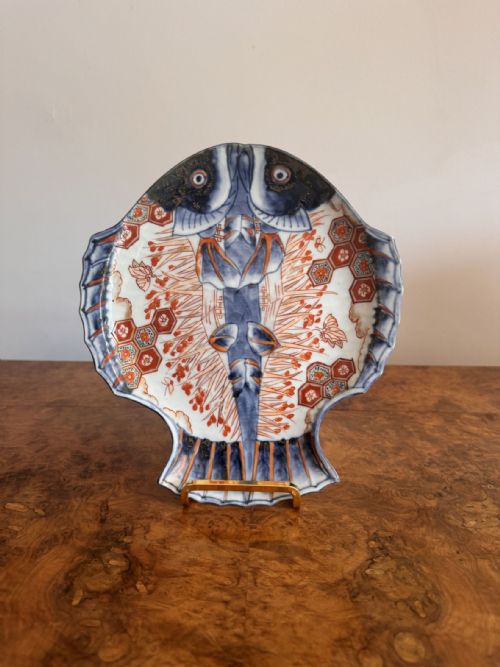
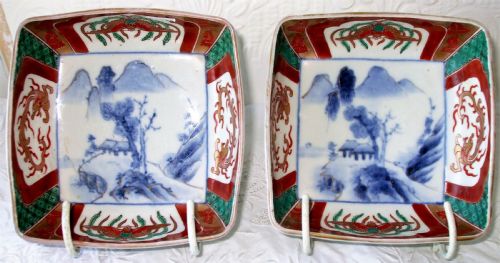
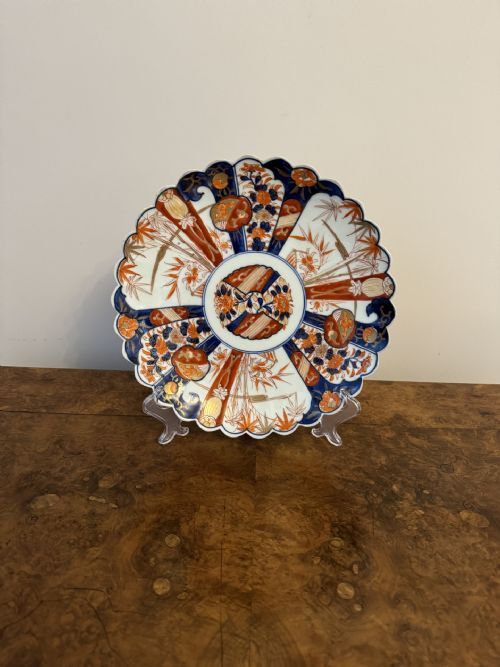
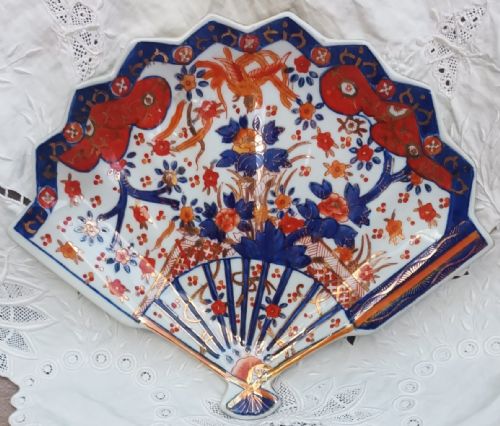
These items take various forms, ranging from standard round dinner services to hexagonal shapes, scalloped edges, and sculptural designs formed like fish. Makers produced them for both domestic utility and international trade, resulting in robust porcelain bodies meant for display or service. The combination of cobalt blue underglaze with enamel overglaze defines the visual identity of these objects.
Dating ranges from the seventeenth century through to the Edwardian era, with nineteenth-century pieces forming a substantial share of the selection. Buyers find single items, pairs, and larger matched sets suited to table display or wall hanging. Each piece records the specific aesthetic preferences of the Edo period or Qing dynasty workshops that shaped them.
How they were made
Potters shaped porcelain clay into plates and chargers before applying cobalt pigment directly to the raw ceramic body for the underglaze blue elements. Artisans then fired the piece at high temperatures to set the cobalt beneath a transparent glaze. This fundamental technique ensured the deep blue design remained permanent and protected beneath the glassy surface.
Following the initial high-temperature firing, painters added iron red, gold leaf, and enamel pigments over the glaze. A secondary, lower-temperature kiln firing fused these colourful overglaze details to the hardened surface. The interplay between the cobalt underglaze and the subsequent enamel layers created the characteristic polychrome palette of imari ware.
Listings feature porcelain pieces spanning the eighteenth, nineteenth, and early twentieth centuries, anchored primarily by Japanese Meiji period imari and Chinese export wares.
What varies in quality
The precision of the brushwork across both the cobalt underglaze and the enamel overglaze dictates the visual hierarchy of these ceramics. Superior pieces display crisp cobalt lines and meticulously applied gilding that aligns perfectly with the moulded contours of the plate. Lesser examples show hurried brushwork or blurred pigment boundaries beneath the glaze.
Form and modelling also separate standard production wares from ambitious studio pieces. Items shaped as fish, hexagonal geometries, or deeply scalloped edges require advanced ceramic handling compared to simple round dishes. The weight of the porcelain body and the richness of the enamel colours further distinguish high-grade chargers from ordinary kitchen wares.
The Underglaze Blue Imari Plate Glossary
- Underglaze
- A method of decorating pottery beneath a transparent ceramic glaze using pigments like cobalt. This technique protects the painted design from wear during daily use.
- Imari
- A style of Japanese porcelain originating from the port of Arita and exported through Imari. It typically combines underglaze blue with iron red and gold enamel.
- Charger
- A large decorative plate utilised historically for ceremonial service or as a base beneath other courses. These oversized pieces provide a broad canvas for complex painted scenes.
- Arita
- The Japanese town central to the production of porcelain wares in Hizen province. Kilns in this region supplied the domestic and export markets with imari and blue and white ceramics.
- Meiji Period
- The era in Japanese history spanning from 1868 to 1912. Objects from this time often exhibit elaborate enamel work and confident export-oriented craftsmanship.
Underglaze Blue Imari Plate: Frequently Asked Questions
How do I date an imari plate?
Examining the foot ring, the tone of the cobalt blue, and the style of the overglaze enamels helps determine the age of a piece. Earlier wares from the seventeenth and eighteenth centuries often feature heavier porcelain bodies and different potting techniques compared to Meiji period or later items.
Changes in trade patterns and kiln technology also influenced the thickness of the glaze and the vibrancy of the pigments over time. Comparing stylistic motifs against documented examples from specific dynasties and eras provides a reliable chronological framework.
Were these plates meant for daily dining?
While these ceramics originated as functional tableware, many surviving chargers and decorative plates were intended primarily for display. The presence of delicate gold leaf and overglaze enamels meant heavy daily use would wear down the painted surface.
Smaller dishes saw practical service on dining tables, whereas large chargers frequently decorated European and Japanese interiors. Owners often mounted them on walls or set them on cabinets to showcase their intricate polychrome patterns.
What is the difference between Chinese and Japanese imari?
Chinese imari porcelain was produced during the Qing dynasty for export, often mimicking the successful Japanese styles that preceded it. The clay body and the shade of the cobalt blue underglaze usually differ between the two regional traditions.
Japanese imari from Arita tended to use a slightly greyer or whiter porcelain paste and distinct floral or landscape compositions. Understanding these subtle shifts in palette and potting style allows collectors to separate Chinese export pieces from Japanese originals.
How should I display antique plates?
Displaying these ceramics requires secure wall hangers or stable plate stands designed to support the weight of porcelain. Placing them away from direct sunlight protects the overglaze enamels and gold leaf from fading over extended periods.
Ensuring adequate spacing between pieces allows the complex cobalt and red patterns to remain visually distinct. Proper mounting also prevents accidental knocks that could damage the scalloped edges or unusual geometric forms.