





Two Seater Parlour Sofa
A two seater parlour sofa offers compact elegance and intimate seating, combining period character with practical proportions for modern rooms.
Two Seater Parlour Sofa
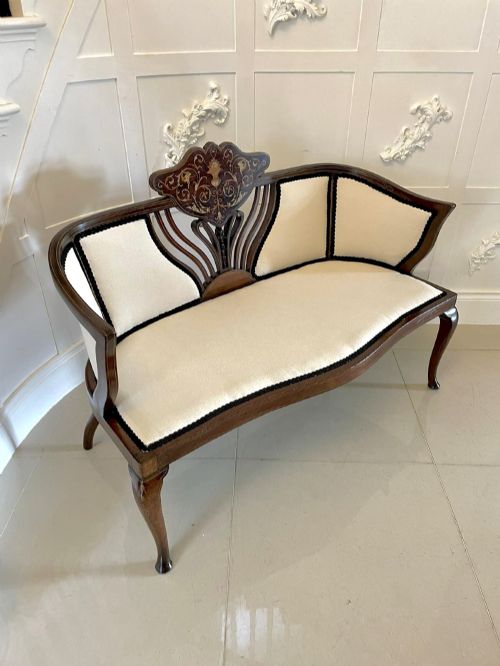
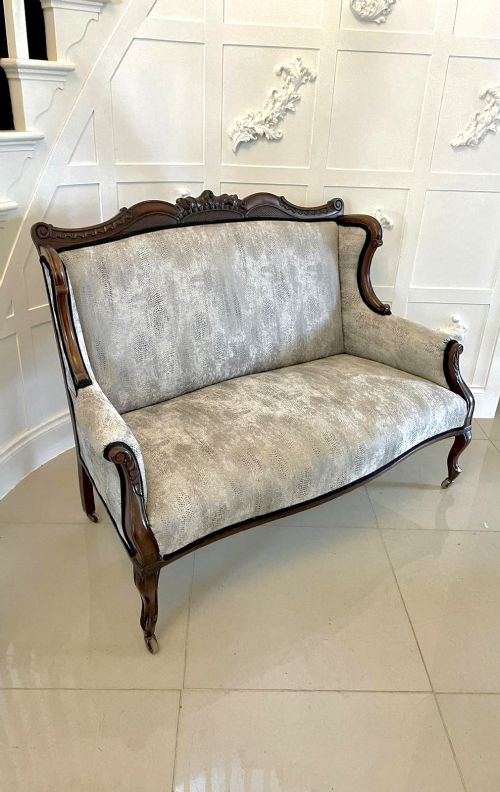
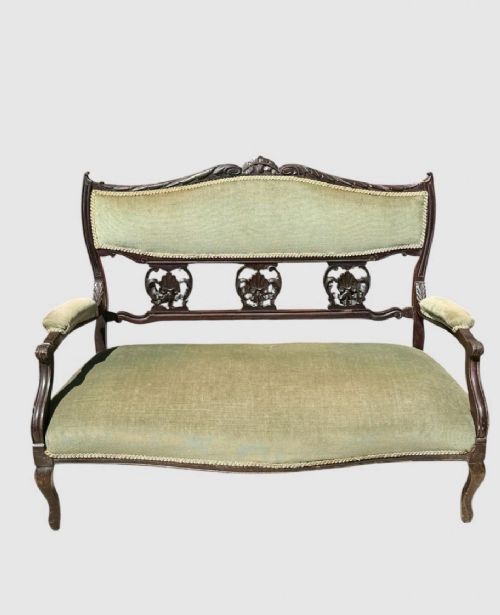
A two seater parlour sofa represents a compact seating option designed for drawing rooms and sitting spaces during the nineteenth and early twentieth centuries. These pieces serve as intimate alternatives to larger couches, accommodating pairs of sitters with ease. The version you are most likely to encounter here stems from the Edwardian period and Victorian eras, often constructed in mahogany.
Makers shaped these settees in various regional interpretations, spanning classic British cabinetmaking and continental French styles. The forms include straightforward salon settees alongside pieces featuring inlaid woodwork or exposed carved frames. Many survive as individual items, though some appear alongside matching armchairs.
The utility of a two seater parlour sofa extends from formal reception rooms into bedrooms and private sitting areas. Their modest scale allows them to fit spaces where full-sized sofas overwhelm the floor plan. Historical examples reflect the changing aesthetic preferences from heavy Victorian carving to lighter Edwardian refinement.
Markers of distinction in manufacture
The refinement of the timber framework distinguishes finer examples from simpler workshop output. Pieces boasting crisp hand-carving and intricate satinwood inlay demonstrate superior craftsmanship compared to plain or mechanically stamped alternatives. The integration of contrasting woods requires precise joinery that elevates the status of the piece.
Structural heft and the weight of the underlying timber influence the lasting stability of the settee. Superior examples maintain rigid frames without wobble, utilising dense mahogany or walnut rather than lighter secondary woods. The quality of the original frame dictates how successfully the piece carries subsequent generations of upholstery.
Two Seater Parlour Sofa Retail Price Guide 2026
Typical asking prices for two seater parlour sofa among the pieces listed under this phrase on Sellingantiques today, from the lower quarter to the upper quarter. They describe what is for sale here now, not the wider market.
One resourceful Victorian maker thoughtfully supplied a settee with castors so guests could easily wheel it closer to the parlour fire.
The Two Seater Parlour Sofa Glossary
- Settee
- An upholstered seat with a back and arms, designed for two or more people. This term appears frequently interchangeably with sofa in historical records.
- Inlay
- A decorative technique where pieces of contrasting timber, such as satinwood or boxwood, are inserted into recessed portions of the base wood.
- Salon suite
- A matching set of seating furniture, typically comprising a settee and several armchairs, intended for formal entertaining.
- Cabriole leg
- A furniture leg that curves outward at the knee and tapers inward toward the foot, drawing inspiration from classical forms.
- Chesterfield
- A large sofa with button-quilted upholstery and arms of the same height as the back, representing a distinct style of nineteenth-century seating.
Two Seater Parlour Sofa: Frequently Asked Questions
Where did people place a two seater parlour sofa?
These compact seats found homes primarily in Victorian and Edwardian drawing rooms, reception spaces, and private parlours. Their modest proportions allowed them to sit comfortably against walls or beneath windows without dominating the chamber.
Over time, owners also placed them in large bedrooms or dressing rooms as supplementary seating. Today, their scale makes them adaptable for modern hallways, studies, and smaller living areas.
How do I distinguish Edwardian pieces from Victorian ones?
Victorian examples generally feature heavier timbers, darker finishes, and more robust carved wooden elements. Walnut and heavily carved mahogany dominate this earlier phase of production.
Edwardian pieces tend to display lighter construction, frequently utilising brighter mahogany paired with delicate satinwood or bone inlay. The overall aesthetic shifts from heavy Victorian formality to refined Sheraton Revival grace.
Are these sofas comfortable for daily sitting?
Historical settees were built with traditional horsehair and spring systems that offer a firmer seat than modern foam cushions. Their upright posture encourages attentive conversation rather than lounging.
Many surviving pieces have undergone re-upholstery to modern comfort standards while retaining their historic wooden frames. Buyers intending regular daily use often check the internal webbing and padding condition.
Did these settees come with matching chairs?
Many parlour settees were produced as part of larger salon suites that included matching armchairs or occasional chairs. Workshops designed these suites to provide a cohesive furnishing scheme for formal reception rooms.
Individual settees were also sold separately for smaller homes that lacked space for a full suite. Surviving complete suites remain sought after for larger historic interiors.