

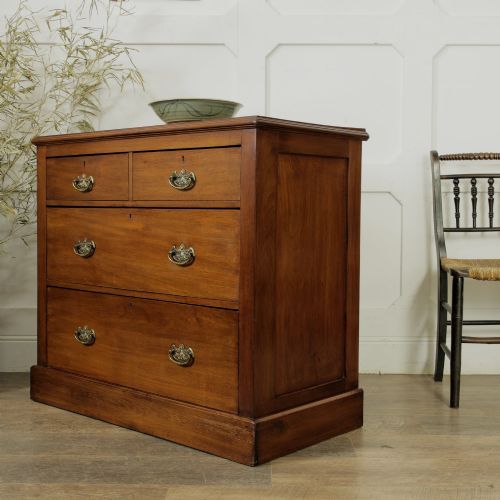
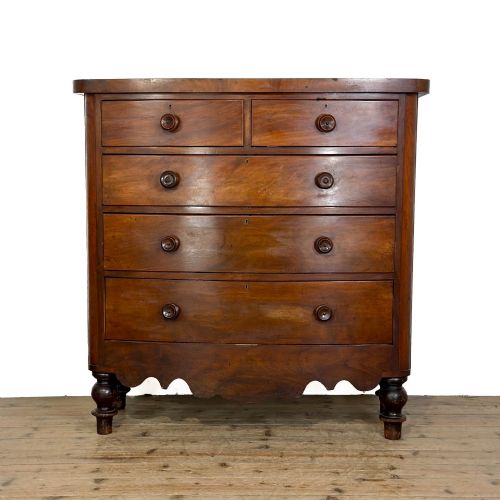
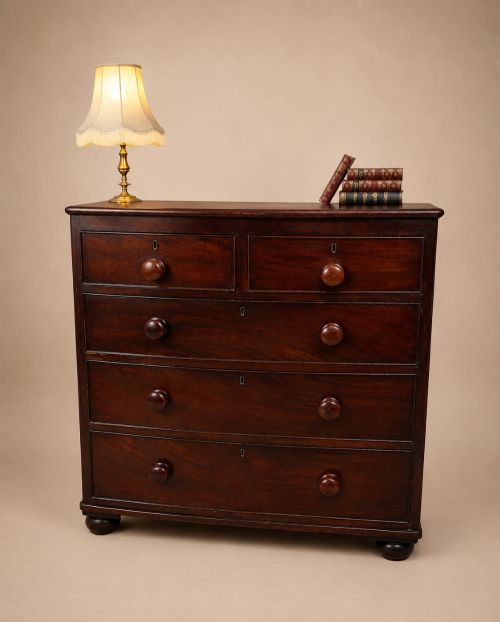
Two Over Two Chest Drawers
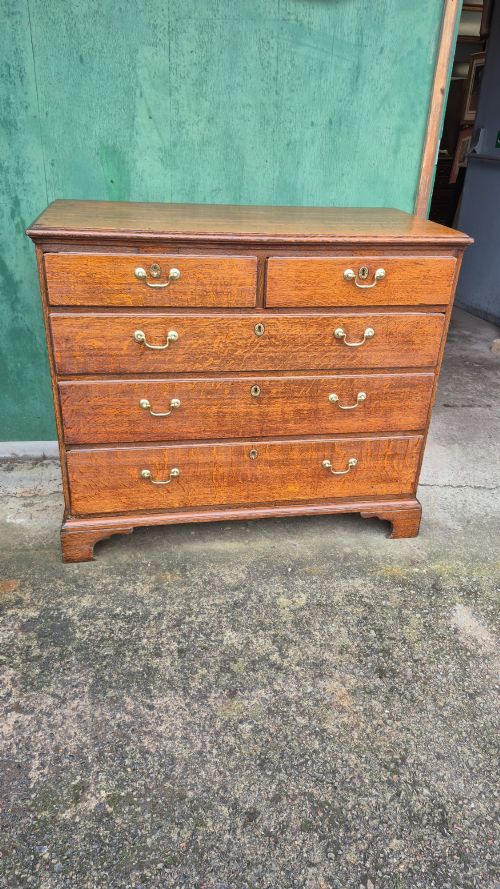
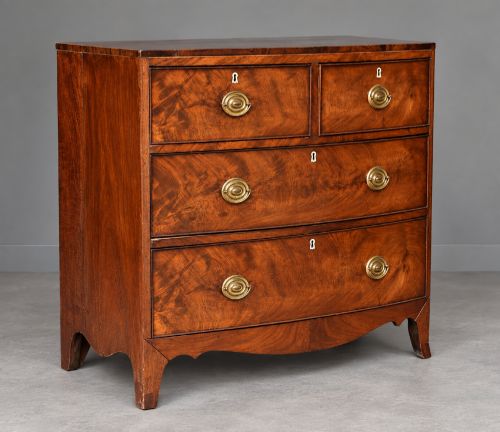
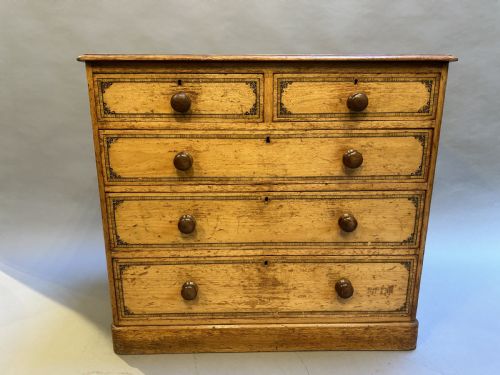
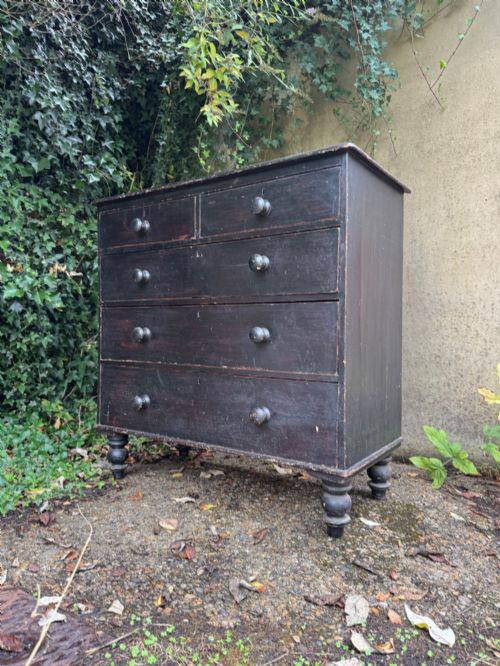
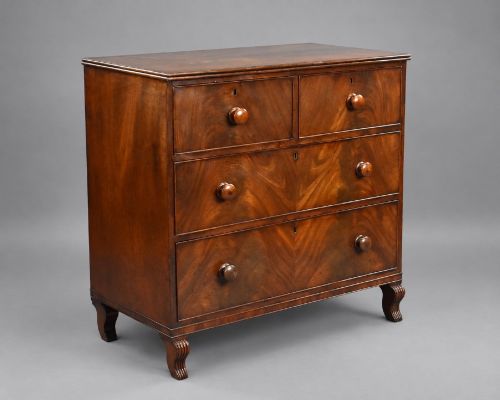
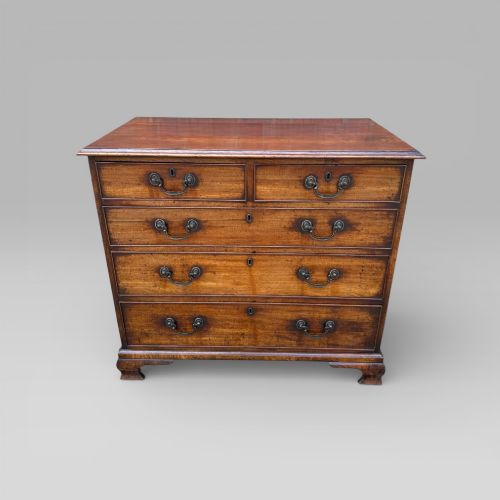
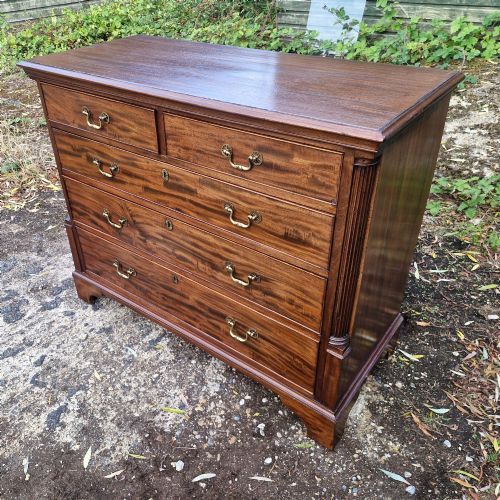
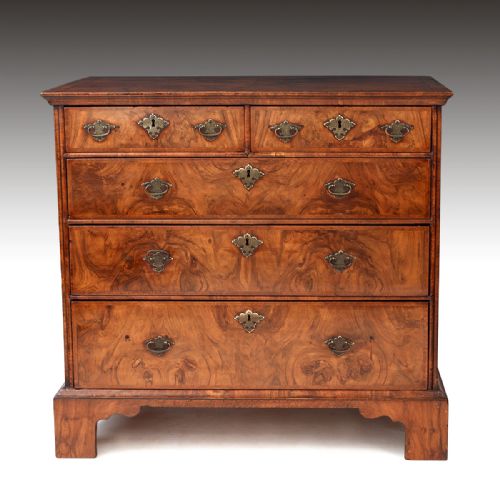
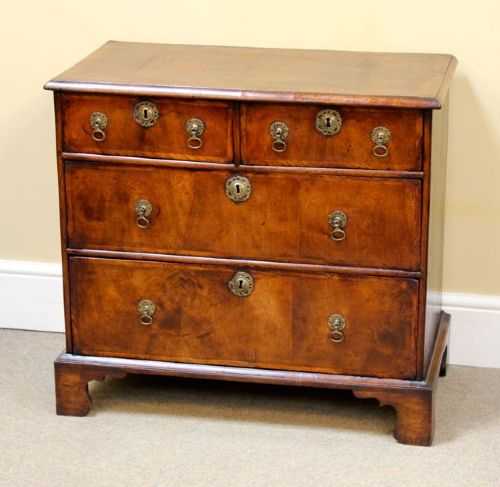
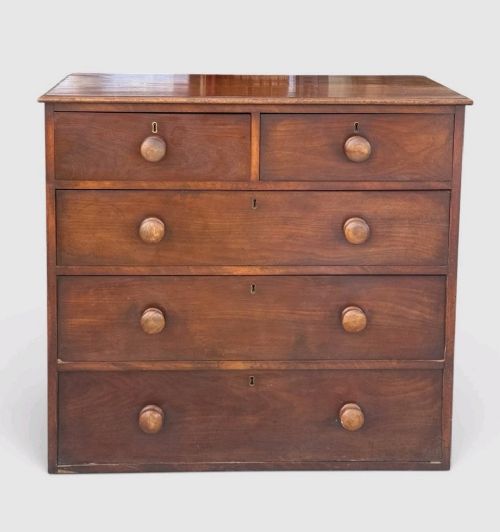
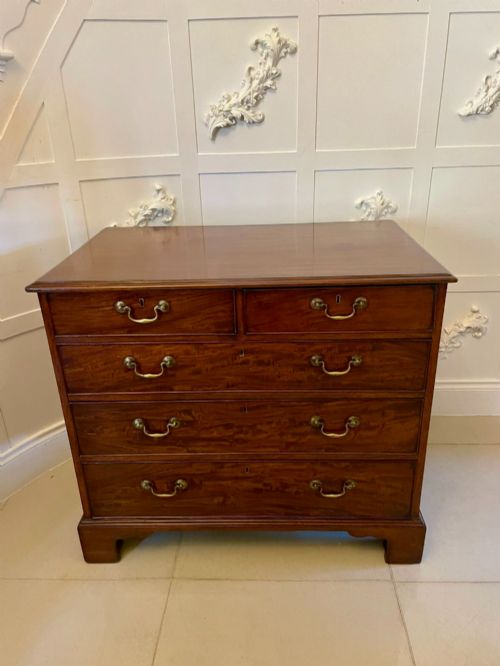
A two over two chest drawers offers two smaller upper drawers above two wider lower ones, providing proportion and storage.
Two Over Two Chest Drawers
A two over two chest drawers brings a distinct arrangement of two small drawers placed over two larger drawers, separating smaller items from bulkier clothing. This specific configuration appears across the Georgian, Regency, Victorian, Edwardian, and William and Mary periods.
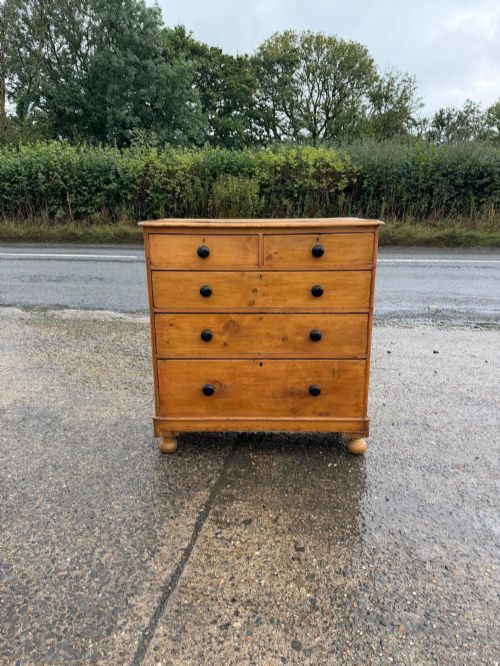
The materials span mahogany, walnut, oak, and pine, reflecting both formal drawing room pieces and simpler country furniture. Buyers seeking this layout encounter walnut and mahogany examples alongside scrubbed or stencilled pine versions.
How they were made
Cabinet makers built these pieces using solid timbers like oak, mahogany, walnut, and pine, frequently applying flame mahogany veneer to the drawer fronts for visual depth. Brass handles and escutcheons punctuate the timber surfaces, while bun handles appear on vernacular pine pieces.
Joinery techniques matched the period, uniting carcases and drawer boxes with traditional joints designed to handle daily use. Crossbanding in contrasting timber borders surfaces on select Georgian oak and mahogany pieces.
Listings feature woods including mahogany, flame mahogany veneer, walnut, oak, pine, and pitch pine across the 18th, 19th, and 20th centuries.
What varies in quality
The standard of timber selection and surface finish determines where a piece sits in the range, separating plain utility items from high-style examples. Walnut and flame mahogany veneers with rich patina distinguish finer pieces from standard pine storage.
Proportions also dictate quality, as narrow bowfront designs and smaller proportions require greater cabinet-making skill than standard upright carcases. The crispness of crossbanding and the quality of brass hardware further divide ordinary items from superior ones.
J Moorcroft·Heal and Son·Howard and Sons
The Two Over Two Chest Drawers Glossary
- Bowfront
- A curved cabinet front that swells outward in the centre. This shape softens the profile of mahogany chests.
- Crossbanding
- A narrow strip of veneer laid around the border of a drawer front so the grain runs at right angles to the surrounding wood. It frames the primary timber on better Georgian pieces.
- Escutcheon
- A protective plate surrounding a keyhole, usually made of brass. It prevents the timber around the lock from splitting.
Two Over Two Chest Drawers: Frequently Asked Questions
What is a two over two chest drawers?
A two over two chest drawers is a storage unit featuring two smaller upper drawers positioned directly above two wider lower drawers. This configuration provides a balanced facade and separate compartments for smaller garments.
The layout spans multiple eras, appearing in walnut, mahogany, oak, and pine across the 18th, 19th, and early 20th centuries.
How do I date a wooden chest?
Dating a chest involves examining the timber species, construction methods, hardware styles, and overall proportions. Mahogany and walnut often point to 18th or 19th-century formal pieces, while pine typically indicates regional country or bedroom furniture.
Secondary details like brass escutcheons, crossbanding, and veneer types help narrow the period down to specific decades such as the Georgian or Victorian eras.
Where were these chests used?
These chests served primarily as bedroom storage furniture for garments and linens. Finer mahogany and walnut versions stood in principal chambers or parlours.
Simpler pine and oak variants fulfilled storage needs in secondary bedrooms, farmhouses, and country homes.
How do I care for antique timber?
Antique timber benefits from stable room temperatures away from direct heat sources and strong sunlight, which can dry out wood and fade veneers. Maintaining consistent humidity prevents the timber and joints from warping.
Dusting with a dry cloth keeps the surface clean without requiring heavy polishes or chemical treatments that build up over time.